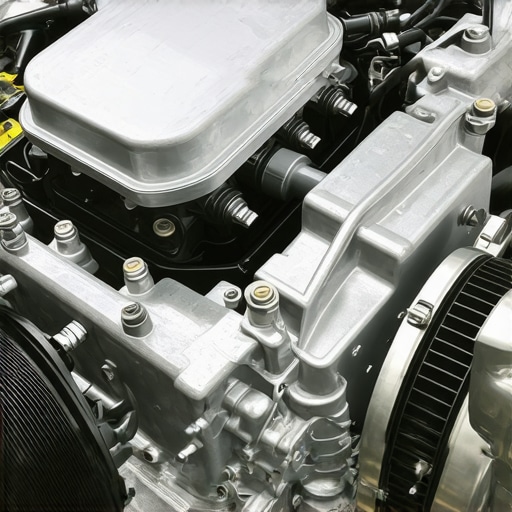
The Specific Smell of a Failing Transmission Solenoid
It was a morning just like any other when I got behind the wheel and suddenly caught that unmistakable, sort of burnt rubber smell wafting from my car. At first, I thought maybe I left my turn signal on too long, or perhaps a fleeting tire burn from a rough patch. But as I kept driving, the smell lingered—more pungent, more foreboding. That’s when I realized: I was smelling something deeper, something wrong with my transmission.
Why does the smell of a failing transmission solenoid matter? Well, that scent isn’t just an unpleasant spice. It’s a warning sign—a smell that your vehicle is trying to tell you something serious. Ignoring it can lead to costly repairs, or worse, breakdowns in the middle of nowhere. But fear not! Today, I’ll walk you through how to identify this elusive problem early, saving you time, money, and stress.
What the Signature Smell Reveals About Your Transmission
Cars are remarkably good at hiding problems until they become emergencies. That specific smell? It’s often linked to overheating components inside the transmission—particularly the solenoid, which controls fluid flow. When a solenoid starts to fail, it can cause inconsistent shifting, slipping, or even complete transmission failure. The smell of burnt transmission fluid isn’t just odor—it’s a warning that internal parts are under duress and need attention now.
Early detection is key. From personal experience, I once dismissed a faint smell I noticed after a highway trip. That mistake nearly cost me a new transmission. A quick check, understanding the symptoms, and a visit to a trusted mechanic can make all the difference.
Is the Smell Actually Worth Worrying About?
Many drivers think that a minor smell is nothing to fret over, especially if the transmission seems to shift smoothly. But here’s the thing: an unusual odor often indicates the beginning stages of a failing component, not a one-time glitch. According to automotive experts at Auto Fix Clinic, catching these signs early can prevent catastrophic transmission damage.
And I’ll admit—early on, I missed several subtle signs myself, assuming I could just ignore the smell. Big mistake. Learning from that, I now pay close attention to scents and sounds—because ignoring a whiff of burnt fluid can lead to a nervous, expensive breakdown. So, if that smell sounds familiar, don’t brush it off. Next, I’ll guide you through how to confirm it and take the right steps to fix it before it’s too late.
Check Your Transmission Fluid First
Start by inspecting the transmission fluid level and condition. Park your car on a level surface, turn on the engine, and locate the transmission dipstick—usually marked and accessible under the hood. Pull it out, wipe it clean, insert it back, and then check the fluid level. If it’s low, top it off with the recommended type, which you can find in your owner’s manual or consult your mechanic for guidance.
If the fluid looks dark, murky, or smells burnt, it’s a sign that the transmission needs attention. Dirty or burnt fluid can cause the solenoid to malfunction, leading to shifting issues and that warning scent. Regularly scheduled oil changes, including transmission fluid replacements, are critical to prevent this. For expert advice on maintaining your vehicle’s transmission, consider visiting this resource.
Listen for the Signs of Solenoid Failure
Next, pay attention to how your car shifts. Erratic shifting, slipping gears, or a feeling of hesitation can indicate a failing solenoid. During my own experience, I noticed my car hesitated between gears, especially when cold. This was a telltale sign that the solenoid was sticking. Replacing a faulty solenoid requires specialized tools and knowledge, so if you observe these symptoms, it’s best to consult a professional.
For a more detailed understanding of transmission components, check out this guide.
Perform a Visual Inspection for Damage or Wear
Open your transmission pan as part of a diagnostic process. This involves draining the transmission fluid, removing the pan, and inspecting it for debris, metal shavings, or burnt spots. A ragged or contaminated pan suggests internal wear, which can affect the solenoid’s operation. Be cautious: this process can be messy and requires proper tools. If you’re not comfortable with it, a certified technician can do it efficiently, ensuring you don’t cause additional damage.
Test the Transmission Solenoid Directly
For those with mechanical experience, testing the solenoid can involve disconnecting it from the wiring harness and applying a 12V power source to see if it activates. If it doesn’t move or produce a click, it’s likely faulty. This step is delicate; incorrect testing can cause further damage. When unsure, rely on a qualified professional to perform diagnostics using specialized tools like a scan tool or multimeter.
To ensure safety and accuracy, consider scheduling a diagnostic appointment through this contact page. Proper troubleshooting saves time and prevents unnecessary part replacements.
Consider Replacing the Solenoid and Flushing Fluid
If diagnosed with a faulty solenoid, replacing it is the most direct fix. Use OEM or high-quality aftermarket parts to ensure longevity. After installing the new solenoid, always replace your transmission fluid with a fresh, manufacturer-approved type—and consider flushing the system if the fluid is burned or contaminated. Doing so helps prevent future solenoid sticking and prolongs the transmission’s life.
Remember, regular maintenance is your best defense. A well-maintained transmission fluid system reduces the risk of solenoid failure and keeps your vehicle shifting smoothly. For more insights on transmission care, review this article.
Many drivers believe that following basic maintenance routines like routine oil changes or choosing an ASE-certified mechanic guarantees their vehicle’s longevity. However, even seasoned car owners often fall prey to misconceptions that can lead to costly mistakes. One common myth is that all oil changes are equal, but the truth is that the type, quality, and timing of oil services play a crucial role in engine health. For instance, synthetic oils offer better protection against wear and can extend intervals between changes if used correctly—something many overlook, risking under-lubrication or sludge buildup. Moreover, a frequent oversight involves assuming that ASE certification alone assures quality work; in reality, it indicates that a technician has passed standardized tests, but does not guarantee exceptional service or honesty. Identifying a truly experienced mechanic requires checking their familiarity with specific vehicle nuances, like hybrid systems or high-performance engines.
A significant trap many fall into is neglecting to understand the intricacies behind transmission maintenance. For example, replacing transmission fluid isn’t just about draining and refilling; the process must include proper flushing, using manufacturer-approved fluids, and considering the vehicle’s specific transmission type. Failing to do so can result in residual old fluid causing slipping or overheating, contradicting common advice that “flushing always helps.” According to automotive experts at this guide, improper fluid management is a leading cause of early transmission failure.
Advanced vehicle systems require equally advanced care. Modern transmissions often integrate electronic control modules and sensors that need precise diagnostics—not just basic fluid changes. Blindly trusting a mechanic’s word without understanding these nuances can lead to overlooked issues, like faulty solenoids or sensor malfunctions that manifest as shifting irregularities or warning lights. This underscores the importance of asking detailed questions about ASE-certified technicians and their familiarity with your vehicle model.
Similarly, many assume that annual oil changes and routine inspections are sufficient for all vehicle types. Yet, high-performance engines, turbocharged units, and modern direct-injection systems require specialized maintenance strategies, such as using high-zinc oils or performing regular fuel system cleans. Ignoring these specifics can accelerate engine wear, as explained in this detailed discussion.
Make sure your vehicle’s maintenance addresses its unique needs—don’t settle for generic advice or shortcuts. Instead, consult resources like this guide to select a service provider who understands your car’s subtle requirements. Remember, the goal is not just to maintain, but to optimize performance and extend lifespan.
Have you ever fallen into this trap? Let me know in the comments.Maintaining your vehicle over the long term requires more than just occasional fluid checks; it demands the right tools and a strategic approach. One of my top recommendations is investing in a professional-grade diagnostic scan tool like the Autel MaxiSys MS909, which allows me to access manufacturer-specific codes, monitor real-time data, and perform system resets. This device has saved me countless trips to the mechanic by pinpointing issues early, especially in complex systems like transmissions. Additionally, I rely on a high-quality digital multimeter with a milliamp clamp feature to verify electrical components without disconnecting wiring, ensuring accurate readings without risking damage. When it comes to fluid maintenance, I prefer using a dedicated transmission fluid flush machine, such as the BG Flush System, because it guarantees a thorough exchange of old fluid, removing contaminants that can cause solenoid sticking or overheating. Regularly updating my workshop software and vehicle maintenance apps like ServiceLink enables me to track service intervals, recall schedules, and diagnostic reports, which are crucial for long-term health. Looking ahead, I believe diagnostic technology will advance toward integrated AI-driven systems that can predict failures before they even manifest — a trend that will make proactive maintenance more accessible and precise.
How do I keep my car’s systems functioning smoothly over years of use?
Routine inspections combined with advanced diagnostic tools are key. Regularly scheduled oil changes, guided by insights from top oil change tips, keep engines running clean, while using a scan tool helps identify warning signs like errant sensor readings that could hint at impending transmission issues. Don’t underestimate the power of precise fluid management; consider getting professional transmission flushes periodically, especially if you notice shifting irregularities or smells of burnt fluid. To incorporate these practices effectively, I recommend scheduling a comprehensive vehicle health check with a certified ASE technician, who can utilize these tools to diagnose hidden problems before they escalate. For those aiming to boost their troubleshooting skills, trying out a digital multimeter with a clamp to verify electrical currents can provide immediate insights and improve your DIY maintenance confidence. Remember, embracing advanced tools today sets the foundation for a reliable, long-lasting vehicle tomorrow. If you’re ready to upgrade your maintenance routine, start with one of these specialized tools — you’ll be surprised at how much more control you gain over your car’s health.
Lessons Few Learn About Car Service and Transmissions
One of the most eye-opening lessons I encountered was realizing how crucial timely transmission maintenance is, especially when you ignore subtle signs like peculiar smells or shifting quirks. Waiting until the problem becomes glaring can cost thousands, but catching issues early transforms your vehicle’s lifespan.
Another insight is understanding that ASE certification isn’t a magic badge—costs, experience, and specialization matter. I once trusted a shop solely for their badge, only to find they lacked the specific expertise for modern transmissions. Deep familiarity with your vehicle’s nuances is essential for genuine care.
Most drivers underestimate the importance of high-quality transmission fluids and regular flushing. Using generic fluids might seem convenient, but OEM-quality fluids with proper flushing protocols keep the internal components, including solenoids, functioning smoothly, saving you from costly repairs.
Lastly, I learned that your own vigilance—like monitoring fluid conditions and shifts—can be a powerful diagnostic tool. Your car communicates constantly; tune in, and you’ll often catch issues before they escalate, ensuring your vehicle remains reliable for years to come.
Tools and Resources That Truly Make a Difference
My go-to toolkit includes a professional diagnostic scanner like the Autel MaxiSys MS909, which provides vehicle-specific insights that generic tools miss. I trust it because of its precision and ability to decode complex transmission issues early. Pair this with a high-quality multimeter with specialty features; it empowers me to verify electrical components without guesswork.
For maintenance tips, I consistently refer to comprehensive guides such as this resource. These provide up-to-date, manufacturer-approved information that keeps my approach sharp.
When considering parts, OEM replacements ensure durability, especially for critical components like solenoids. I also rely heavily on reputable service centers that specialize in transmissions—a move that saves money and time in the long run.
Your Next Step in Vehicle Care
Maintaining a vehicle’s transmission isn’t just a routine—it’s an active partnership between driver and machine. By paying attention to early signs and arming yourself with the right tools, you can enjoy a smooth ride for miles ahead. Don’t wait for warning lights; start inspecting and understanding your transmission today and experience the peace of mind that comes with proactive care.
What small step will you take this week to better understand your vehicle’s transmission health? Let me know below!