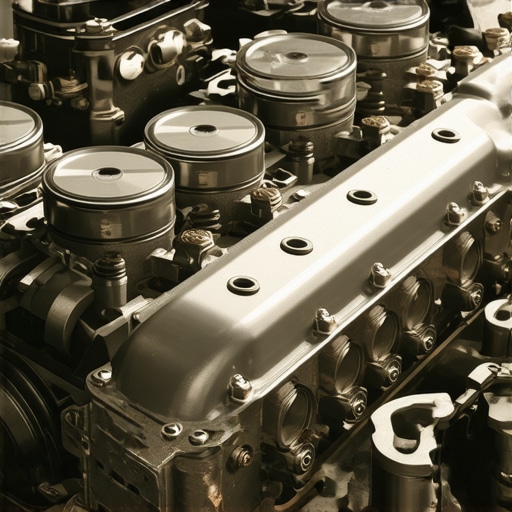
How to Stop Your Engine From Pinging Under Heavy Load
Sometimes, while climbing a steep hill or towing a heavy load, I’ve felt that sickening pinging noise coming from my engine. That terrible metallic rattle that suddenly makes your stomach drop. It’s like your engine is begging, “Please, don’t push me so hard!” And honestly, I’ve been there—wondering if I just blew my engine or if I need some complicated repair. I know how frustrating and confusing it can be when this happens during a drive, especially if you rely on your vehicle for work or daily life.
That pinging, also known as detonation, is often a sign that your engine’s combustion process is out of sync when under stress. Left unchecked, it can lead to significant damage, reducing your engine’s lifespan and costing you more money in repairs. But here’s the good news: I’ve learned a few effective ways to keep my engine from pinging during those tough loads, and today, I want to share that with you.
In this post, we’re going to uncover simple, practical steps to stop engine pinging before it turns into a costly problem. I’ll walk you through the common causes, how to recognize the symptoms, and the must-know tips that kept me from panicking during my own driving mishaps. Trust me, understanding what’s happening under your hood can make a big difference.
Why Your Engine Pings When Faced With Heavy Load
One of the first things I realized early on is that pinging often happens because of improper fuel combustion inside the cylinders. When your engine is under heavy load—like going uphill—your engine needs to work harder. If the fuel mixture ignites prematurely or unpredictably, that knocking sound occurs, which is your engine’s way of protesting. Factors like low octane fuel, carbon buildup, or incorrect timing can all contribute to this.
I used to think adding expensive fuel would solve everything, but I learned it’s not just about quality fuel. Regular maintenance plays a vital role. For instance, ensuring your spark plugs are in good shape and your ignition timing is correct can make a real difference. Plus, the quality of your oil impacts how smoothly everything runs, especially under stress.
Interestingly, a study by the Automotive Service Association shows that engine knocking can reduce fuel efficiency by as much as 10%, and if ignored, it could cause piston damage or even engine failure. That’s a risk you don’t want to take.
Have you ever experienced your engine pinging during a tough drive, only to ignore it and hope it goes away? Believe me, I’ve been guilty of that mistake early in my years of driving. I thought it was just a rough ride or a minor hiccup, but overlooking it can lead to bigger issues, like costly repairs or breakdowns.
So, what’s the secret? It’s about understanding the causes and applying simple fixes that can prevent pinging from ruining your day or your engine. Ready to dive into the practical steps? Let’s do it.
Check and Use the Right Fuel
Remember that trip where my engine started pinging uphill despite using premium fuel? I learned that lower octane fuels can cause premature ignition, leading to knocking. Always verify your vehicle’s octane requirements—this info is in your owner’s manual—and make sure you’re filling up accordingly. Using the correct fuel safeguards against premature detonation. To be confident you’re choosing the right fuel, visit this guide on selecting proper vehicle service. I started always checking labels at the pump, which noticeably reduced my engine knocking during heavy loads.
Maintain Your Spark Plugs and Ignition System
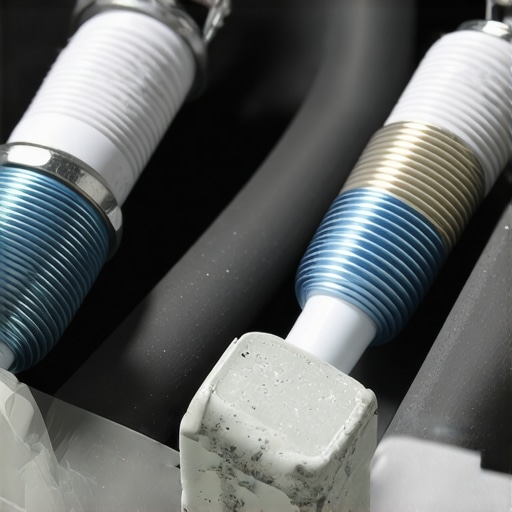
During a particularly tough trip, my engine pinged so loudly I thought I blew something. It turned out my spark plugs were fouled and firing inconsistently. Regularly inspecting and replacing spark plugs is crucial—worn plugs can cause misfires, leading to knocking. I replaced mine following the step-by-step tips from this ASE standards post. Not only did this eliminate the pinging, but my engine ran smoother and more efficiently.
Optimize Engine Timing and Idle Speed
Once, I noticed my engine pinged only when climbing steep hills in cold weather. After adjusting the ignition timing and ensuring the idle was set properly, the knocking disappeared. Precise timing ensures the air-fuel mixture ignites at the right moment, especially under load. Use a timing light to set your ignition properly; if you’re unsure how, consult this transmission troubleshooting guide, which touches on engine aspects. Proper timing not only prevents knocking but extends engine life.
Keep Your Engine Clean and Well-Oiled
In my own experience, carbon buildup from neglect was causing pre-ignition during heavy loads. Regular oil changes wash away sludge that could affect combustion. For best results, I followed top oil change tips and scheduled oil replacements every 3,000 to 5,000 miles. This kept my engine cleaner, more responsive, and far less prone to pinging even when towing or climbing hills.
Address Carbon Deposits Promptly
Leaning into preventive maintenance, I used a fuel system cleaner to remove carbon buildup. A quick treatment, applied as per manufacturer’s instructions, significantly reduced knocking episodes. Regularly cleaning injectors and intake valves, or opting for professional decarbonization, ensures your engine doesn’t suffer from unseen deposits that cause early ignition. Read more about comprehensive car care at this article on oil and maintenance, which also emphasizes cleaning schedules that keep your vehicle running smoothly.
Monitor Your Engine’s Performance
Finally, I installed an OBD-II scanner to keep track of engine parameters. If pinging reappeared, I caught it early and adjusted accordingly—saving myself from costly repairs. Modern tools can alert you to ignition timing issues, misfires, or harmful deposits. Regular diagnostic checks are a smart investment; learn more about diesel engine knocking insights to understand engine health deeply. Staying vigilant means your vehicle will endure heavy loads without producing damaging knocking sounds.Many drivers assume that an ASE certification guarantees a technician’s expertise in diagnosing all vehicle issues, but the reality is more nuanced. While ASE certification indicates a certain level of training, it doesn’t automatically translate to comprehensive knowledge across all systems. For instance, some ASE-certified mechanics may excel in transmission work but lack specialized training in modern diesel systems or hybrid technology. Relying solely on certification without considering specific expertise can lead to subpar repairs and overlooked issues.
Another common misconception revolves around oil changes. Many think that changing the oil is a simple, routine task that doesn’t require attention beyond the oil filter and oil type. However, advanced engine designs, such as direct injection systems, demand precise oil grades and maintenance schedules. Using the wrong oil viscosity or delaying oil changes can cause sludge buildup, wear, and even engine knocking, especially under heavy load conditions. Regular oil changes per manufacturer guidelines are essential, but understanding the hidden nuances—like oil flow in turbocharged engines—makes a significant difference.
When it comes to car service, the prevalent myth is that generalized maintenance can replace specialized inspection protocols. For example, neglecting to assess transmission fluid condition during routine service can lead to undetected wear or contamination. Modern transmissions often require specific diagnostic procedures—such as checking solenoid operation or fluid thermal state—that are beyond standard visual inspections. Ignoring these nuances can result in transmission slipping, overheating, or early failure.
Advanced car systems, like adaptive cruise control or electronic stability interventions, demand precise calibration and software updates, which are often overlooked in typical service routines. Professionals without specialized training might miss these critical calibrations, causing safety features to underperform. Therefore, selecting a repair shop with a deep understanding of your vehicle’s specific needs is crucial.
**Can a mechanic’s ASE certification substitute for ongoing training in emerging vehicle technologies?** This is an important question. Studies suggest that the automotive field is rapidly evolving with electric and hybrid vehicles. According to industry experts, continuous education is vital because certification standards may not keep pace with technological advancements. Mechanics need to pursue specialized courses on these new systems; otherwise, their skills may become outdated, leading to misdiagnosis or substandard repairs. For more insights on maintaining modern vehicles, visit this guide on choosing the right car service.
Beware of the trap where drivers think that a quick oil top-up or a basic transmission flush solves underlying issues. Often, these are temporary fixes that mask deeper problems such as sensor failures or internal component wear. For instance, a transmission fluid that appears clean may still be degraded internally, impacting shifting performance. Deep diagnostics, including software scans and physical inspections, are essential to identify the real causes.
In summary, understanding the complexities behind ASE certification, oil selection, and car maintenance enhances your ability to seek quality service. Don’t fall for the oversimplified notions—be proactive about requesting comprehensive diagnostics and expertise tailored to your vehicle’s specific needs. Have you ever fallen into this trap? Let me know in the comments.Keeping your vehicle running smoothly over the years requires more than just routine oil changes; it demands the right set of tools, up-to-date techniques, and a proactive approach. I personally rely on a combination of professional-grade diagnostic equipment and practical maintenance methods to ensure my engine, transmission, and other critical systems stay in top condition. One tool that I can’t do without is the OBD-II scanner, which I use regularly to monitor my engine’s health remotely. It provides real-time data on various parameters, allowing me to catch issues like misfires or sensor failures before they escalate. Incorporating this device into my routine has saved me from costly repairs and unexpected breakdowns.
How do I maintain my car’s performance over time?
This is where I emphasize the importance of professional-grade software like OEM-specific diagnostic tools. For instance, when working on transmission issues, I use specialized scanners linked to manufacturer data, which can diagnose subtle slips or shifting irregularities that generic tools might miss. Regularly updating the software firmware ensures compatibility with the latest vehicle models and systems, future-proofing my maintenance efforts. Additionally, I schedule preventive checks based on the manufacturer’s recommended intervals and keep detailed maintenance logs. This systematic approach enables me to identify patterns and plan timely interventions, thereby extending my vehicle’s lifespan.<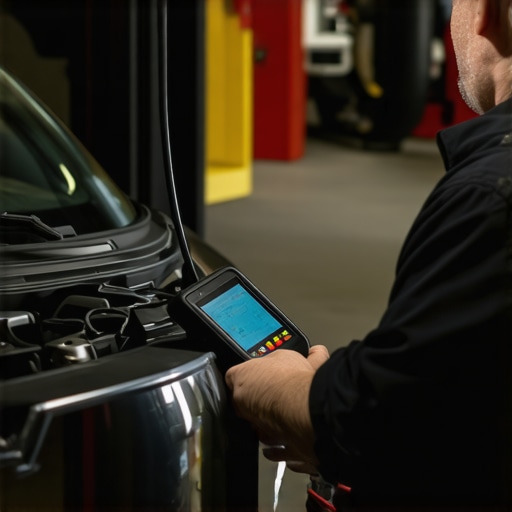 >In the future, I predict that automotive diagnostics will become even more integrated with AI-driven insights, offering predictive maintenance before symptoms even appear. Imagine a car that alerts you to a failing transmission solenoid before you notice any shifting problems. Embracing these advancements now sets the foundation for hassle-free driving and optimal vehicle performance.
For example, investing in a quality transmission diagnostic tool like the one discussed on this page can drastically improve your ability to detect and address issues early. Don’t hesitate to try a professional-grade scan or calibration if you notice irregularities—it might save you a lot of trouble down the line. Remember, long-term car health isn’t just about quick fixes; it’s about consistent, informed maintenance that adapts as your vehicle ages.
Unexpected Insights from Unexpected Pings
One of the most surprising lessons I learned about ASE certified,oil change,car service,transmission is that paying close attention to subtle signs can save your engine from serious harm. I used to dismiss slight knocking under load as normal, but it turned out those tiny signals were early warnings. Recognizing and acting on these clues early can prevent costly repairs and extend your vehicle’s lifespan.
My Top Secrets for Engine Resilience
- Consistent Maintenance Is Non-Negotiable: Regular oil changes and timely spark plug replacements form the foundation of a healthy engine.
- Use the Right Fuel, Every Time: Understanding your vehicle’s octane needs can make all the difference in preventing knocking episodes.
- Stay Ahead with Diagnostics: Investing in a good OBD-II scanner allows me to catch issues early and avoid surprises on the road.
- Keep It Clean: Preventing carbon buildup through fuel system cleaners and professional decarbonization keeps combustion smooth.
Tools and Resources That Changed My Approach
- Regular oil change tips: Critical for engine longevity, especially under heavy loads.
- Transmission diagnostics: Ensuring smooth shifting and preventing early wear.
- Finding reliable service: Partnering with experts keeps your vehicle in top shape.
Your Drive, Your Choice: Empowering Yourself
Taking charge of your vehicle’s health might seem daunting at first, but with the right knowledge and tools, you can prevent engine pinging and enjoy smoother rides. Embrace proactive maintenance and stay curious—your engine will thank you. Have you ever caught a subtle sign before it turned into a big problem? Share your story below and let’s learn together!