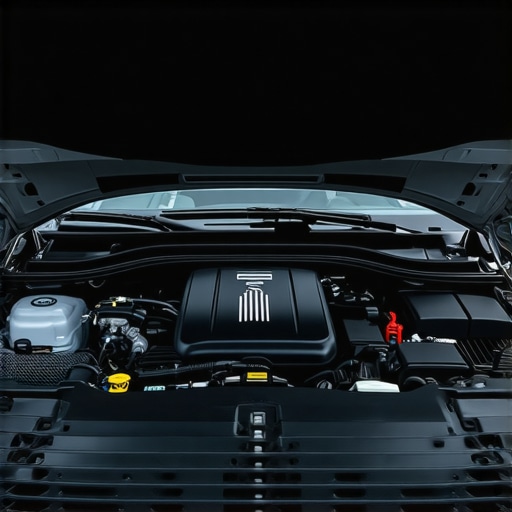
Why Your Engine Idles High for No Apparent Reason
> Ever been stopped at a red light, feeling that unsettling hum of your engine running way too fast, and thought, “What now?” I remember the first time my car’s idle suddenly spiked without warning. I was half expecting a breakdown, and honestly, it made me nervous enough to question everything I thought I knew about vehicle maintenance. That lightbulb moment led me to dig deeper, and what I discovered changed how I approach car care forever.
Cracking the Mystery of High Idle Engines
Motorists often overlook how a high idle can signal underlying issues or, sometimes, be a harmless quirk. But the real question remains: what causes your engine to idle high for no apparent reason? We’ll delve into common triggers, simple checks, and when it’s time to call in a professional. Trust me, identifying and fixing this issue early can save you from bigger headaches down the line.
Is Your High Idle Actually a Sign of Serious Trouble?
Early on, I made the mistake of dismissing a high idle, thinking it was just a fluke or a result of recent driving conditions. Turns out, ignoring such symptoms can lead to something more severe like vacuum leaks or sensor failures. According to automotive experts, a high idle is not just an annoyance; it can be an indicator of potential engine problems that, if left unchecked, might cost a lot more than a simple diagnostic. Want to learn the secrets to keeping your engine running smoothly? Check out why regular oil changes matter.
Check Your Idle Air Control Valve
Start by locating the idle air control (IAC) valve, which regulates your engine’s idle speed. Remove the valve and clean it with throttle cleaner, ensuring no carbon buildup is blocking airflow. I recall a weekend when I cleaned my IAC and immediately noticed a smoother idle—simple yet effective. If cleaning doesn’t help, consider replacing the unit, especially if it’s worn out or damaged.
Inspect and Clear Vacuum Leaks
Vacuum leaks can cause your engine to idle high. Use a mechanic’s spray around intake hoses and vacuum lines while the engine runs; an increase in RPM indicates a leak. I once sprayed around my intake manifold, and the engine RPM jumped, signaling a leak needing repair. Tighten or replace cracked hoses to restore proper airflow and stabilize engine idle.
Test the Throttle Position Sensor
The throttle position sensor (TPS) tells your vehicle’s computer how much the throttle is open. Use a multimeter to test voltage output according to your car’s service manual. A faulty TPS can cause irregular idle speeds. I replaced my TPS after testing revealed inconsistent readings, leading to a more consistent engine idle and improved acceleration.
Examine the Engine Control Module Settings
Your ECU controls idle speed through various parameters. Sometimes, a reset or reflash can fix high idle issues. Disconnect the battery for about 15 minutes to reset the ECU; this often clears minor glitches. After doing so, my engine’s idle reverted to normal, proving how resetting the ECU is a quick troubleshooting step.
Schedule Professional Diagnostic for Persistent Problems
If you’ve tried these steps and the engine still idles high, consult a certified mechanic. ASE-certified technicians, like those at Auto Fix Clinic, have the tools and expertise to trace less obvious causes such as faulty sensors or ECM issues. Remember, regular maintenance, including oil changes and transmission checks, helps prevent idle-related problems and keeps your vehicle running smoothly.
Many drivers operate under myths that can lead to costly mistakes. One widespread misconception is that all oil changes are created equal; however, the type of oil and quality of the filter significantly affect engine longevity. According to automotive experts, using the correct oil, especially high-zinc formulations for older or high-performance engines, can prevent premature wear. Additionally, many believe that ASE certification guarantees a mechanic’s competence; while it indicates a certain standard, it doesn’t always reflect specialization in areas like transmission repair or turbocharged engines. It’s essential to ask specific questions and verify experience for complex issues.
What Advanced Diagnostics Can Detect Beyond Basic Maintenance?
Modern vehicles are equipped with sensors and modules, making advanced diagnostic tools indispensable. For example, a fault in the transmission control module might not trigger a check engine light but could cause shifting problems. Experts recommend periodic scans with professional-grade diagnostic equipment to identify issues like fault codes related to transmission slipping or sensor malfunctions that aren’t evident to the untrained eye. Regular check-ups, including transmission fluid analysis and ECU data reviews, can reveal wear patterns and part deterioration long before symptoms worsen. Interested in how to optimize your vehicle’s performance? Visit choosing the right car service to ensure you’re getting the most out of your maintenance routine.
Misjudging Transmission Care: What’s the Hidden Danger?
Many assume that transmission fluid change is optional or that it lasts forever, but this is a dangerous myth. Transmission fluid degrades over time, losing its lubricating and cooling properties, which can lead to costly repairs or replacements. A study by the Automatic Transmission Rebuilders Association emphasizes that regular transmission maintenance, including fluid flushes at manufacturer-recommended intervals, significantly extends the lifespan of your transmission. Neglecting this vital service can result in slipping, shuddering, or complete transmission failure. To avoid being stranded, consider proactive measures like scheduled transmission fluid replacements adapted to your vehicle’s specific needs.
Maintaining your vehicle’s performance over time requires the right tools, a disciplined approach, and a bit of expertise. As vehicles become more complex with sensitive electronic systems and sophisticated transmission components, having a well-stocked toolbox and reliable software is essential for any serious car owner or mechanic. Investing in high-quality diagnostic tools not only helps identify issues before they escalate but also ensures your vehicle stays in optimal condition, saving you money and stress down the road.
Invest in a Professional-Grade Scan Tool
For truly effective maintenance, I personally rely on the Autel MaxiCOM MK808. This handheld diagnostic device offers comprehensive OBD-II scanning, live data streaming, and the ability to reset oil indicators and adaptive learning values. Why do I prefer it? Its intuitive interface and extensive vehicle coverage mean I can diagnose problems with your transmission, sensors, and engine parameters within minutes. Unlike generic code readers, this tool allows deeper insights—crucial for addressing nuanced issues like transmission calibration or sensor drift. As advanced diagnostics become more prevalent, having a tool like this ensures you’re ahead of potential failures, especially for complex systems like dual-clutch transmissions or turbocharged engines.
Use Software for Proven Maintenance Scheduling
Staying on top of routine service intervals is critical. I recommend software that tracks your maintenance schedule. Platforms like fleet-specific apps simplify setting reminders for oil changes, transmission flushes, and filter replacements. These systems analyze your driving habits and vehicle data, predicting when parts are due for inspection. Over time, this proactive approach minimizes the risk of costly repairs, especially for components like your transmission, which benefits from timely fluid exchanges. Using technology to automate maintenance reminders means you won’t forget that crucial oil change or transmission service—remember, regular oil changes are vital for extending your vehicle’s lifespan.
Adopt a Preventive Approach to Transmission Care
Many drivers overlook the importance of transmission maintenance until symptoms worsen. Going forward, I suggest regularly performing a transmission fluid analysis. This involves checking for contamination, metal shavings, or degraded fluid properties. A simple dipstick test, combined with professional lab analysis, can reveal early deterioration that might lead to slipping or shifting issues. Prevention is always better than repair; studies show that timely transmission fluid replacement can extend transmission life by thousands of miles. Pair this with an ASE-certified technician’s expertise for a full diagnostic and you’ll be in a strong position to keep your transmission reliably shifting for years to come.
How do I maintain tools and software over time?
Ensuring your diagnostic tools and maintenance software remain effective involves regular updates and calibration. For software, always install the latest firmware updates provided by the manufacturer to improve vehicle compatibility and fix bugs. For physical tools like scan devices, periodic calibration and cleaning preserve accuracy. I also keep a dedicated case for my equipment to prevent damage from moisture and dust. As automotive technology evolves notably towards electric and hybrid models, staying updated with the latest tools is vital—these advancements may require specialized diagnostics. Anticipate future trends by choosing tools adaptable to emerging vehicle technologies, guaranteeing your maintenance arsenal remains relevant for the long haul.
Incorporate these advanced tips into your routine, and you’ll significantly enhance your ability to keep your vehicle in prime condition. Don’t wait for problems to become critical—try performing a transmission fluid analysis this month and see the difference it makes in your car’s shifting smoothness. For personalized guidance or to schedule a professional inspection, contact Auto Fix Clinic. Regular maintenance with the right tools isn’t just an investment in your car; it’s an investment in your peace of mind.
What I Wish I Knew Before Ignoring Engine Idle Sounds
Addressing high engine idle early saved me from costly repairs and kept my car running smoothly. Recognizing subtle signs and understanding their causes can empower you to take swift action, avoiding unnecessary expenses and breakdowns. The biggest lesson I learned is that a high idle isn’t just a nuisance—it’s a signal telling you to pay attention to your engine’s health.
Tools and Tricks That Made All The Difference
Investing in good diagnostic tools like the Autel MaxiCOM MK808 changed how I approach vehicle maintenance. It helps me spot issues beyond basic checks, from sensor glitches to transmission hiccups. Coupled with routine oil changes and proactive transmission care, I’ve found a comprehensive way to keep my vehicle in top shape.
Feeling Confident About Fixing Engine Problems
Realizing that early detection and correct diagnosis are key transformed my perspective. Troubleshooting high idle engines isn’t just about cleaning parts or resetting the ECU—it’s about understanding the interconnectedness of sensors, airflow, and fluid condition. Learning to use professional diagnostic software and maintaining my tools ensures I stay ahead of problems, saving money and time.
Insider Wisdom: Lessons Car Manufacturers Don’t Emphasize
- Don’t Overlook Small Symptoms: A sudden spike in idle speed could be telling you about a minor vacuum leak or a developing sensor failure. Waiting too long can escalate these issues into major repairs.
- Regular Maintenance Saves Dollars: Routine oil changes and transmission checks prevent many idle problems. It’s like a health check-up for your car that pays off in the long run.
- Seek Expert Help When Needed: Persistent issues might indicate deeper ECU or sensor problems. Professional diagnostics with advanced tools can reveal hidden faults that DIY checks might miss.
Where I Turn for Knowledge and Support
- My Favorite Repair Guides: The Auto Fix Clinic Blog offers in-depth insights into transmission care, sensor troubleshooting, and more. These resources have been invaluable in understanding complex issues and learning effective fixes.
- Reliable Diagnostic Equipment: Tools like the professional-grade scan tools are essential for accurate readings and troubleshooting, especially for modern vehicles with sophisticated electronic systems.
- Community and Expert Advice: Connecting with ASE-certified technicians through Auto Fix Clinic’s contact page provides personalized guidance, ensuring I never waste time on guesswork.
Take Charge of Your Vehicle’s Future
Embracing proactive maintenance and familiarizing yourself with diagnostic tools can profoundly change your driving experience. Regularly performing transmission fluid analyses and understanding your car’s signals keeps it reliable and extends its lifespan. Remember, every small step in maintenance compounds into long-term reliability.