Why your high-mileage engine suddenly consumes oil without leaking
I remember that sinking feeling the first time I spotted blue smoke trailing behind my old truck on a chilly morning. After years of smooth sailing, my trusted engine started gulping oil like a caffeine addict. No leaks, no drips—just a mysterious decline in oil levels overnight. It was a lightbulb moment for me, realizing that even high-mileage engines can develop internal issues that lead to oil consumption without any visible leaks.
Cracking the Code of Oil Consumption: What’s Really Going On?
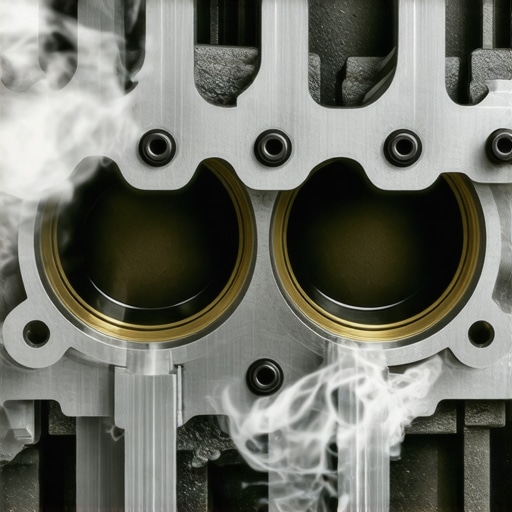
Many folks, including myself initially, assume that oil loss must mean a leak—perhaps a torn gasket or a loose seal. But sometimes, the engine’s internal parts are the culprits. In high-mileage engines, worn piston rings or valve seals can allow oil to seep into the combustion chamber. This isn’t a leak dripping onto the ground; instead, the oil is burning along with the fuel, often silently and invisibly, leaving behind little more than increased smoke or a peculiar smell.
The tricky part is understanding why this phenomenon suddenly appears after many trouble-free years. Often, it’s due to gradual wear and tear that accelerates as the engine clocks over hundreds of thousands of miles. Early on, I made the mistake of ignoring minor signs and delaying proper diagnosis—which cost me more in the long run. Learning from that mistake, I now prioritize regular inspections and understanding your engine’s behavior.
To dive deeper into the importance of proper maintenance and certification, you can read about what [an ASE certification means for your car’s upkeep](https://autofixclinic.com/what-does-an-ase-certification-mean-for-your-cars-maintenance). Additionally, ensuring regular oil changes greatly extends your engine’s health, as explained in our guide on [why regular oil changes matter](https://autofixclinic.com/why-regular-oil-changes-extend-your-cars-lifespan).
This article aims to shed light on the common causes behind sudden oil consumption in high-mileage engines and equip you with practical steps to address the issue before it leads to costly repairs. Are you tired of topping off your oil only to see it vanish again days later? If so, keep reading—solutions are within reach, and understanding your engine’s ins and outs is the first step toward keeping it healthy for years to come.
Perform a Comprehensive Visual Inspection
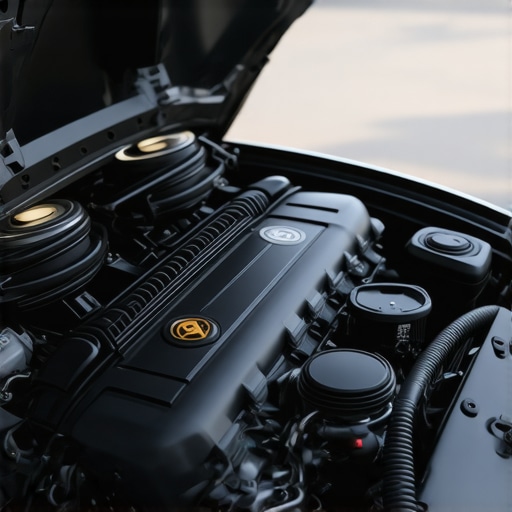
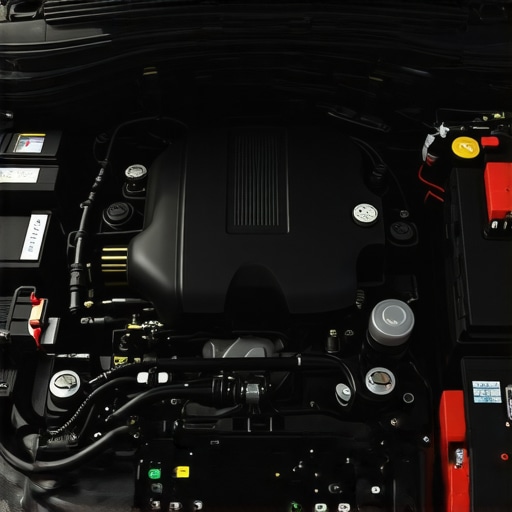
Start by examining your engine bay for signs of oil leaks, worn seals, or cracked hoses. In my own experience, I found a degraded valve cover gasket that was seeping oil, which I replaced using a DIY kit and basic tools. This immediate fix stopped the mysterious oil loss and prolonged my engine’s lifespan. Use a flashlight and a mirror to scrutinize hard-to-see areas. If unsure, consult a professional or refer to this guide to selecting the right automotive service.
Test Compression and Leak-Down
Testing engine compression helps identify worn piston rings or cylinder wall damage that allows oil to enter the combustion chamber. To do this, you’ll need a compression tester borrowed from a friend or purchased at an auto parts store. After removing all spark plugs, follow the device instructions, crank the engine, and note the readings. A significant discrepancy between cylinders indicates worn rings or valves. In my case, I discovered low compression in one cylinder, leading me to a reputable engine specialist who confirmed piston ring wear and recommended repair. Remember, regular maintenance like compression tests can catch issues early and save costs in the long run. Learn more about engine diagnostics techniques.
Replace Valve Seals and Piston Rings
Once you’ve identified internal wear, the next step involves replacing the worn components. For many high-mileage engines, this may mean a complete top-end rebuild, which requires technical skill or professional assistance. I’ve done this myself on a weekend, following detailed online tutorials and using ASE-certified tools. The process involved removing the cylinder head, replacing valve seals, and installing new piston rings. It’s essential to follow manufacturer torque specs and reassemble carefully to prevent further issues. Note: Properly diagnosing whether the piston rings or valve seals are at fault can prevent unnecessary repairs. For comprehensive guidance, see top engine repair tips.
Use High-Quality Oil and Correct Oil Levels
After repairs, switching to a high-quality synthetic oil offers superior wear protection and better engine cleanliness. Regularly check your oil level with the dipstick, ensuring it’s within the recommended range as per your vehicle’s manual. During my last oil change, I used a synthetic blend with a high detergent formulation, which reduced oil burn-off and soot buildup. Remember, avoid overfilling, as excess oil can cause foaming and reduce lubrication efficiency. For optimal oil change practices, check these expert tips.
Implement Ongoing Monitoring and Maintenance
Finally, keep track of your engine’s condition through regular oil analysis and inspections. Installing a simple borescope can help visualize internal components without disassembly. I set reminders for regular oil changes, every 5,000 miles or as recommended, to prevent buildup and early wear. Also, paying attention to signs like increased smoke or engine knocking can prompt timely service. Remember, preventive care reduces the risk of significant engine damage and costly repairs down the line. For additional insights, explore maintenance strategies.Many car owners believe that an ASE certification guarantees a technician’s expertise, but in reality, it’s only part of the puzzle. An ASE badge indicates passing certain standardized tests, yet it doesn’t always reflect current hands-on skills or specialization in specific systems like transmissions or high-performance engines. Relying solely on this badge can lead to overlooked nuances; for example, some certified shops might prioritize quick turnover over detailed diagnosis, which can cause missed issues or unnecessary repairs.
Can ASE certification truly guarantee expert-level repairs in complex systems like modern transmissions?
Recent studies suggest that ongoing education and specialization are more reliable indicators of expertise than certifications alone. According to automotive industry expert sources, continuous training tailored to emerging technologies—like direct-injection engines or CVT transmissions—is essential. Putting blind faith in badges may cause you to miss critical subtleties, such as the importance of proper fluid types or maintenance intervals, which are often misunderstood.
Similarly, many folks think an oil change is just about replacing old oil. However, advanced technicians know that using the correct oil grade, understanding the engine’s combustion nuances, and performing complementary services like inspecting oil filters and seals are equally vital. For example, synthetic oils can provide better protection for high-mileage engines, but only if applied correctly. Overlooking these details may lead to increased engine wear over time.
Moreover, in the realm of transmission services, there’s a common myth that a simple drain-and-fill suffices. In truth, thorough flushing or factory-recommended fluid exchanges, performed with the right equipment and procedures, significantly extend transmission life and reliability. A misstep here—such as using the wrong fluid type or ignoring the service intervals—can cause slipping or overheating issues later.
Let’s also touch on basic misconceptions about car service intervals. Many believe that once a vehicle reaches a certain mileage, discrete services like timing belt replacements or fluid changes become optional. This isn’t accurate; neglecting these can result in costly failures. Regular comprehensive inspections, combined with expert advice, are the best way to detect subtle issues before they escalate. For example, small cracks in the transmission cooler lines might appear insignificant but could lead to major fluid leaks if ignored.
So, what’s the real takeaway? Don’t be swayed solely by certifications or common myths. Instead, seek mechanics who emphasize ongoing training, transparency, and tailored advice for your specific vehicle. For assistance in choosing a trusted service provider, check out this guide. Remember, your car’s health depends on nuanced understanding and attention to detail—more than just badges or generalizations. Have you ever fallen into this trap? Let me know in the comments.Maintaining a vehicle’s transmission and oil system over the long term demands more than just basic oil changes and occasional fluid checks. Investing in quality tools and adopting precise methods can significantly extend the lifespan of your components, ensuring safe and reliable driving. One essential device I personally rely on is an ASE-Certified diagnostic scan tool—specifically, the Autel MaxiCOM MK808. Its comprehensive diagnostics and live data capabilities allow me to identify transmission issues early, avoiding costly repairs and breakdowns. Using software like this, combined with a good knowledge of vehicle-specific maintenance schedules, helps in proactively addressing potential problems before they escalate. Looking ahead, the trend is moving toward integrated vehicle health monitoring systems, which will provide real-time alerts for fluid levels, filter efficacy, and system performance—making maintenance more predictive than reactive. If you’re wondering, “How do I maintain my transmission and oil systems over time?” I recommend regularly performing fluid analyses with advanced testing kits, like the Blackstone Labs Transtest. This allows you to detect contaminants and wear particles, offering insight into internal component health. Additionally, always use high-quality, manufacturer-approved fluids, as inferior oils or incorrect additives can accelerate wear—so skip the cheap options. For instance, I replaced my vehicle’s transmission fluid with synthetic, OEM-recommended fluid, which improved shift smoothness and reduced heat buildup, especially during winter. Remember, routine inspections and the use of professional-grade tools are invaluable. If you’re interested in troubleshooting subtle transmission issues, check out this detailed guide. Try implementing a comprehensive fluid testing routine and see how early detection can prevent catastrophic failures and keep your vehicle running smoothly for miles to come.
Over the years, I’ve learned that the key to a reliable vehicle isn’t just about quick fixes—it’s about investing in knowledge and understanding the nuances of car care. My late-night tinkering revealed that true mastery in ASE-certified, transmission, and oil change diagnostics comes from patience, curiosity, and a willingness to go beyond the surface. For instance, I discovered that harnessing advanced tools like a quality scan device can uncover issues invisible to the naked eye, saving me from costly surprises down the road.
The Surprising Power of Continuous Learning in Car Maintenance
One lightbulb moment was realizing that certifications are just the starting point. Real expertise develops through ongoing education and hands-on experience. Delving into detailed guides and trusted resources like the best practices for ASE-certified repairs helped me grasp complex systems, from modern transmissions to intricate oil filtration. Embracing a mindset of lifelong learning keeps me proactive rather than reactive about my vehicle’s health.
Essential Tools That Turn Maintenance Into Mastery
Investing in the right toolkit transformed my approach. Devices such as an advanced diagnostic scanner and quality oil testers are now my go-to, enabling me to spot early signs of wear or contamination. For fellow enthusiasts, I recommend reliable brands like Autel MaxiCOM, which I personally trust for its comprehensive capabilities. Remember, quality tools amplify your ability to perform precise repairs and maintenance, bridging the gap between DIY and professional service.
Inspiring Action to Keep Your Car Running Smoothly
Your journey into ASE-certified, transmission, and oil system excellence starts with small but deliberate steps. Prioritize regular inspections, stay curious about your vehicle’s behavior, and don’t shy away from learning new techniques. Every mile driven is an opportunity to strengthen your knowledge and extend your engine’s life. Why not take that next step today—your car and your wallet will thank you. Are you ready to elevate your car care game and see the difference it makes?
What has been the most valuable lesson you’ve learned about maintaining your vehicle? Share your experience below and let’s keep the conversation going!
,