The Real Reason Your Car Pulls to the Right After an Alignment
I remember the day I finally took my car in for an alignment. I was proud of myself for keeping up with routine maintenance, thinking it would smooth out my drives. But hours later, I was frustrated to notice my car kept drifting to the right, as if it was fighting me every mile. That lightbulb moment – realizing that an alignment isn’t a one-and-done fix – made me dig deeper into what’s really going on. If you’ve experienced this sneaky pull after a recent service, you’re not alone, and there’s a good chance it’s something you can correct yourself.
Why Does My Car Suddenly Keep Drifting?
It’s infuriating when a simple alignment turns into a full-blown mystery. You pay the pros, get the wheels straightened, and still the steering wheel isn’t centered. Turns out, many drivers overlook some common issues that can cause a car to pull after an alignment, like uneven tire pressure, worn suspension parts, or even incorrect toe settings. I learned this the hard way early on, making the mistake of assuming the job was perfect without double-checking these details. As an ASE-certified technician explained, even a slight imbalance can cause your car to pull, negating all the alignment work.
Is Your New Alignment a Waste of Money?
Just about everyone worries that an expensive alignment might have been unnecessary or that the mechanic cut corners. Trust me, I was skeptical too. The key lies in understanding that an alignment isn’t a magic fix – it requires that everything else in your suspension and tires is in good shape. For instance, if your tires are unevenly worn or your steering components are loose, the car can still pull, no matter how perfectly aligned the wheels are. A good way to prevent wasting money is to do a quick pre-check on your tire pressure (*which you can find tips for [here](https://autofixclinic.com/top-oil-change-tips-for-safe-driving-in-2025)*) and inspect your tires for uneven wear patterns.
And if you’re unsure whether your mechanical team is qualified, it’s worth confirming your mechanic’s credentials. Checking for ASE certification, for example, is a solid step. [Learn more about what ASE certification means for your vehicle’s maintenance](https://autofixclinic.com/what-does-an-ase-certification-mean-for-your-cars-maintenance). Getting your suspension checked is another crucial step because worn or damaged parts can easily throw off your alignment and cause that persistent pull.
As I moved past my initial mistake, I realized that maintaining proper suspension health and tire condition is essential in making sure that the alignment holds. This sets the stage for the next part – the practical steps to diagnose and fix that stubborn pull. If your car is still fighting you after a recent alignment, don’t worry. The secrets to solving this are just ahead, and they might save you a ton of time and money. Do you have a story of your own about an alignment gone wrong? Feel free to share your experience, and let’s troubleshoot together.
Check Tire Pressure and Alignment Yourself
Start by inspecting your tire pressure with a reliable gauge, ensuring all tires are inflated to the manufacturer’s recommended PSI—this info is often on the driver’s door frame or in the owner’s manual. I once discovered my front tires were 10 PSI below the recommended level, causing my car to drift during drives. Adjusting the pressure instantly improved my steering. Next, verify your wheel alignment using a DIY alignment kit or by visiting your local auto parts store for a professional check. Misaligned wheels are a common culprit for drifting, even after an alignment has been performed. Proper tire inflation and alignment set a solid foundation for smooth driving.
Inspect and Replace Worn Suspension Parts
Worn suspension components like ball joints, tie rods, or control arms can throw off your alignment and cause pulling. To inspect, put your vehicle on a lift or jack it up safely and check for excessive play or damage in these parts. Worn ball joints feel loose when you shake the wheel, and the ball joint boots might be cracked or torn. Replacing these parts requires some mechanical skill and precision—if you’re not comfortable, consulting an ASE-certified mechanic is wise. I remember battling a stubborn pull that only disappeared after replacing my worn tie rod ends, which was a straightforward fix once diagnosed.
Test Your Steering Components Carefully
Loose or damaged steering components such as the steering rack or shaft can cause off-center steering. To test, turn your steering wheel while parked and listen or feel for excessive play or unusual noises. For a more detailed diagnosis, ask an ASE-certified technician ([learn more about what ASE certification means](https://autofixclinic.com/what-does-an-ase-certification-mean-for-your-cars-maintenance)) to perform a steering system inspection. Ensuring tight, damage-free steering parts will help your wheels stay straight after an alignment and prevent drifting during travel.
Examine and Service Your Tires Properly
Uneven tire wear patterns indicate misalignment or suspension issues. Look for bald spots, feathering, or scalloping. Rotating your tires regularly helps distribute wear evenly, improving your car’s handling. If your tires are significantly worn or damaged, replacing them is the most effective step to prevent pulling and enhance safety. For further guidance on maintaining your vehicle’s health, check out [top oil change tips](https://autofixclinic.com/top-oil-change-tips-for-safe-driving-in-2025). Properly maintained tires and suspension components work together to keep your steering wheel centered and your driving experience smooth.
Perform Test Drives and Fine-Tuning
After completing these checks and adjustments, take a test drive on a straight, flat road. Pay attention to how your car responds—if it still pulls, revisit the previous steps or consider a professional alignment. Remember, sometimes minor tweaks are needed for perfect results. During my own experience, a quick adjustment to my tire pressure and a realignment appointment sorted out my persistent pull, saving me from costly repairs down the line. Regularly performing these checks helps maintain your vehicle’s performance and safety.
When it comes to maintaining your vehicle, there’s a lot of misinformation that can lead even seasoned drivers astray. The common advice about oil changes, transmission care, and trusting certifications like ASE often misses the nuances that make a real difference in long-term vehicle health. Let’s dig deeper into what most people overlook or misunderstand, and how these misconceptions could be costing you money and time.
Are All Oil Changes Created Equal? Think Again
Many believe that sticking to a generic oil change interval is sufficient. In reality, the optimal frequency depends on your driving conditions, age of your engine, and the specific oil used. The misconception that synthetic oils require less frequent changes is widespread; while they last longer, neglecting to change oil based on manufacturer recommendations can still cause engine wear. Check out [top oil change tips for safe driving in 2025](https://autofixclinic.com/top-oil-change-tips-for-safe-driving-in-2025) for advanced insights. Furthermore, an outdated belief is that oil filters only need changing every other service. However, a clogged filter can cause oil starvation, leading to increased wear, which is why it’s vital to replace it at each oil change.
Transmission Service—Are Flushes Always Better?
Many think that frequent transmission flushes extend gear lifespan, but that’s not always the case. Excessive or unnecessary flushing can disturb built-up deposits that protect transmission parts or loosen debris that could clog delicate valves. According to transmission experts, a careful diagnostic check should precede any fluid service, and in some cases, a simple drain-and-fill suffices. Confirm your approach with trusted advice from [transmission troubles expert insights](https://autofixclinic.com/transmission-troubles-expert-insights-for-smooth-shifting). Also, beware of quick fixes from shady shops touting cheap flushes—these can do more harm than good. The key is to understand your specific vehicle’s needs, which brings us to the importance of professional, certified technicians.
Are All ASE Certifications Equal? Not Really
Many drivers assume that a mechanic with an ASE certification is automatically the most qualified. While ASE certifications are valuable, they cover specific categories, and a certification doesn’t guarantee expertise in all areas. For instance, an ASE Master Technician may specialize in engine repair but might not be as experienced with transmissions if they haven’t maintained those specific certifications. It’s wise to verify a technician’s specialization, ask about ongoing training, and consider reviews or referrals. Learn more about what ASE certification means for your car’s maintenance [here](https://autofixclinic.com/what-does-an-ase-certification-mean-for-your-cars-maintenance). Additionally, avoiding the trap of assuming that all shops follow manufacturer guidelines is important. Some lower-cost or unverified shops cut corners, which could backfire in the form of poor service or even damage. Always opt for trusted, experienced professionals who stay current with the latest industry standards.
Don’t Fall for the Quick-Fix Trap
One common mistake is rushing into repairs or maintenance based on superficial symptoms without proper diagnostics. For example, a car that shudders at high speeds might seem like a tire issue, but it could be a transmission or engine problem that needs a detailed diagnosis. Skipping this step can lead to unnecessary expenses and unresolved issues. Invest in a reputable mechanic who uses proper diagnostic tools to identify the root cause. Remember, timely and accurate diagnostics save you from costly repairs down the line. Could your vehicle be hiding a bigger issue beneath surface symptoms? If so, it’s worth consulting a trusted professional to get to the bottom of it.
Keeping Your Vehicle Running Smoothly Over Time
Maintaining a vehicle isn’t just about quick fixes—it’s about leveraging the right tools and methods to ensure longevity and safety. As someone who regularly services cars professionally, I can’t stress enough how crucial proper equipment and software are for effective maintenance. For instance, investing in a high-quality diagnostic scanner like the Autel MaxiCOM MK808 allows me to quickly identify issues without guesswork and ensures repairs meet OEM standards. These tools are invaluable when verifying the integrity of systems such as your transmission, engine, or suspension.
The Power of Diagnostic Software in Routine Maintenance
Modern vehicles are equipped with complex electronic systems that communicate via CAN bus networks. Using advanced diagnostic software like Bosch’s ICON diagnostic platform helps me monitor real-time data, clear error codes, and run system tests. Not only does this streamline our maintenance process, but it also prevents small issues from escalating. Predictive analytics, integrated into some software, suggest when components like your oil pump or transmission solenoid may start to fail, allowing for preemptive repairs instead of costly breakdowns.
Tools I Recommend for Car Service Success
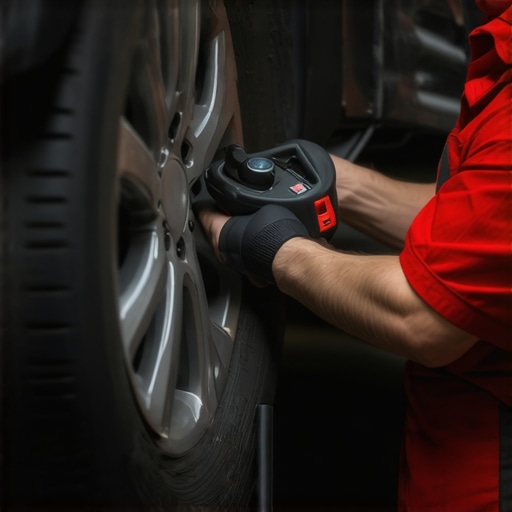
Personally, I rely on precision torque wrenches like the Tekton Digital Torque Adapter, which ensures that every bolt, especially in critical areas like wheel hubs or engine mounts, is tightened to manufacturer specs. Over-tightening or under-tightening can cause future problems, so having reliable tools makes a significant difference. Additionally, I always keep a high-quality multimeter, such as Fluke’s 117 True RMS, handy for electrical troubleshooting—from diagnosing faulty sensors to checking battery health. These tools are investments that pay off by extending your vehicle’s lifespan and avoiding unnecessary repairs.
Preparing for the Future of Vehicle Care
The automotive industry moves toward increased electrification and automation. Predictive maintenance, powered by IoT sensors and cloud analytics, will become standard. As this trend grows, familiarizing yourself with wireless diagnostic tools and mobile apps that connect seamlessly to your vehicle will become essential. Staying ahead with the latest tools ensures you can manage your vehicle proactively rather than reactively.
How do I maintain my car’s systems over time?
Routine checks are vital. Regularly updating your diagnostic software and calibrating tools like torque wrenches ensure ongoing precision. Establishing a relationship with an ASE-certified mechanic—like those recommended in our trusted network—helps you interpret diagnostic data accurately and perform necessary repairs efficiently. One advanced tip I encourage you to try: schedule a bi-annual full system diagnostic inspection using a professional-grade scanner. This proactive approach detects potential issues early, saving you money and preventing breakdowns. For more guidance on selecting quality tools or finding certified technicians, visit our contact page to get tailored recommendations and support.
Lessons Others Won’t Tell You About Auto Care
One lightbulb moment I experienced was realizing that a proper alignment is just one piece of the puzzle; neglecting tire pressure, suspension condition, or steering components can undo all the previous work. It taught me that ongoing vigilance and understanding your vehicle’s nuances are essential to truly keep your car running smoothly.
Another insight was discovering that ASE certification, while valuable, isn’t an all-access pass to perfect repairs. The real difference lies in shops that prioritize continuous learning and transparent communication. Real expertise shows in how thoroughly they diagnose and explain issues, preventing unnecessary repairs and expenses.
Finally, I learned that DIY checks—like inspecting tire wear or listening for strange noises—empower you to catch problems early. The small habits of regular visual and tactile inspections save you from costly breakdowns and give peace of mind in your day-to-day driving.
My Go-To Tools and Resources for Car Care Wisdom
For me, a quality digital torque wrench like the Tekton Digital Torque Adapter ensures critical bolts are tightened accurately, preventing future repairs. Trustworthy diagnostic tools such as the Bosch ICON platform help identify electronic issues before they escalate, making repairs more precise and less intrusive. I also rely on reputable sources like [top oil change tips for safe driving in 2025](https://autofixclinic.com/top-oil-change-tips-for-safe-driving-in-2025) to stay updated on best practices. Lastly, my relationships with ASE-certified mechanics—verified through [what ASE certification means](https://autofixclinic.com/what-does-an-ase-certification-mean-for-your-cars-maintenance)—offer reassurance that my vehicle gets expert attention grounded in industry standards.
Fuel Your Drive with Confidence and Action
Maintaining your vehicle’s health over time is an ongoing journey, but with the right knowledge and tools, you can turn it into an empowering experience. Embrace regular check-ups, trust in certified professionals, and stay curious about your car’s behavior. Remember, proactive care today keeps big repairs at bay tomorrow. Ready to take your auto care to the next level? Share your biggest maintenance challenge below — I’d love to help you troubleshoot and keep your car in top shape for miles to come.