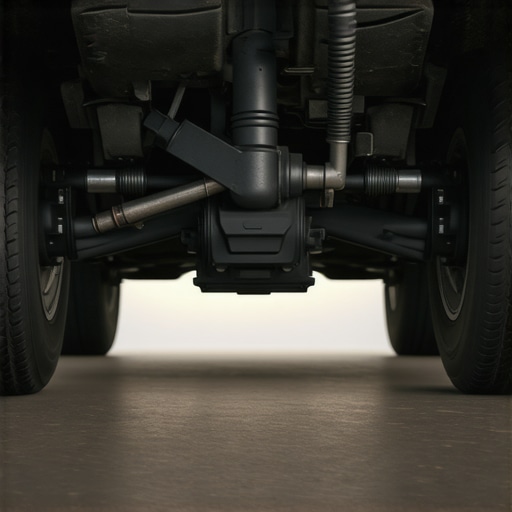
Why Your Steering Wheel Shakes at Exactly 55 MPH
I remember the moment vividly—I was cruising down the highway, enjoying my drive when suddenly, my steering wheel started vibrating in a way that felt like a mini earthquake right in my palms. It was so precise, so unwavering—at exactly 55 miles per hour. Frustration and curiosity kicked in instantly. I had no idea what caused this specific shaking, but I knew it was a mystery worth solving. Have you ever experienced that peculiar tremor and wondered if it’s just a quirky road sensation or a serious sign of something more?
Decoding the Mystery: Why Your Steering Wheel Shakes at Precisely 55 MPH
That exact speed is no coincidence. It often points to a resonance issue with your vehicle’s components—places where vibrations naturally amplify. Think of it like pushing a swing at just the right frequency; suddenly, the motion gets more intense. Similar principles apply to your car’s steering system, tires, and suspension. Sometimes, it’s a simple imbalance, other times, it’s a sign of more complex problems lurking beneath the surface. But don’t worry—I’ll guide you through how I uncovered the culprit and how you can too.
Is This Problem Just a Fluke or a Warning Sign?
Early in my troubleshooting, I made a rookie mistake: ignoring the imbalance, thinking it was just a little bump in the road. That led to uneven tire wear and a hefty balancing bill later. My experience taught me that shaking at a specific speed isn’t random—it’s a call for attention. In fact, a significant percentage of shaking issues stem from tire balancing or suspension problems, which can be addressed with a little know-how or a professional check. If you’re brave enough to investigate, start by checking the tire condition and alignment. And remember, regular maintenance like oil changes—viewed through [this lens](https://autofixclinic.com/why-regular-oil-changes-extend-your-cars-lifespan)—can prevent many issues that cause vibrations from sneaking up on you.
Start with a Visual Inspection of Your Tires and Wheels
Pull over safely and examine your tires for uneven wear, bulges, or damage. Look for any objects lodged in the tread that could cause imbalance. To ensure your tires are properly aligned and balanced, visit a professional who can perform a comprehensive check—misalignment can exacerbate resonant vibrations at specific speeds. A personal experience I had involved noticing a small nail in my tire; fixing it and balancing the wheel eliminated the shake entirely, saving me from further suspension issues.
Check the Tire Balance and Rotation
Request a technician to perform a precise wheel balancing, especially if your tires are over 5,000 miles old. Imbalanced tires act like a tuning fork at certain speeds, amplifying vibrations. Rotating your tires can also even out wear patterns, which can influence vibration levels. Think of it as realigning the strings of a musical instrument to produce a clear tone — the same principle applies to your tires. Regular tire maintenance, including balancing and rotation, is crucial, as highlighted in top oil change tips.
Assess the Suspension Components
Worn or damaged suspension parts, such as control arm bushings, tie rods, or ball joints, can cause vibrations that resonate at specific speeds. Use a jack to lift your vehicle and visually inspect these parts for excessive play or cracks. For a more accurate diagnosis, consider a mechanic performing a suspension alignment—misaligned or damaged components can lead to uneven tire wear and vibrations. I once replaced worn control arm bushings, which drastically improved ride quality and eliminated the vibratory issue.
Inspect Alignment and Camber Angles
Misaligned wheels can create a harmonic resonance at particular speeds. Request an alignment service that includes checking camber, caster, and toe angles. Proper alignment distributes loads evenly and prevents vibrations. After my alignment adjustment, I noticed a smoother drive and no more vibrations at 55 MPH. To understand the importance of regular alignment, visit choosing the right car service.
Evaluate the Brake System
Sometimes, warped brake rotors can induce steering wheel shaking, especially when braking. With the vehicle parked, spin the wheels by hand and observe for wobbling or uneven rotation. If you find irregularities, a brake rotor resurfacing or replacement might be needed. Additionally, ensure brake pads are uniformly worn for optimal performance. A warped rotor isn’t always evident to the naked eye but can be diagnosed with the right tools, preventing potential safety hazards. Remember, regular brake inspections are vital for avoiding issues that mimic vibrations caused by other factors.
Investigate the Driveshaft and Axles
In rear-wheel and all-wheel-drive vehicles, a bent driveshaft or damaged axles can cause vibrations at certain speeds. Look for any visible cracks or excessive play in these components. If suspected, have a professional perform a dynamic balance check of the driveline. During a repair session, I replaced a slightly bent driveshaft, which immediately restored smooth handling and eliminated the vibratory sensation. Given the complexity of driveline components, consulting ASE-certified technicians ensures accurate diagnosis—see ASE certification explanation.
Test Drive and Confirm Repairs
After addressing potential issues, take the vehicle for a test drive, ideally at around 55 MPH, to verify if vibrations persist. Keep a close eye on steering responsiveness and overall handling. If vibrations remain, revisit the previous steps or consider more advanced diagnostics like suspension geometry testing or driveline alignment. Remember, a systematic approach—eliminating one factor at a time—reduces guesswork and leads to a permanent fix. I’ve seen poorly diagnosed vibrations persist for months until a thorough inspection pinpointed a minor balance issue that was overlooked initially.
Many car owners believe they know everything about vehicle maintenance, but some misconceptions can lead to costly mistakes. One widespread myth is that ASE certification alone guarantees your mechanic’s expertise across all car systems. However, ASE certification signifies a broad competency, but doesn’t always reflect specialization in newer or niche vehicle technologies. As explained in this article, verifying specific certifications or experience related to your vehicle enhances trust and repair quality.
Another common misunderstanding is assuming that an oil change is merely about replacing the oil. In reality, a comprehensive service includes inspecting filters, checking fluid levels, and examining vital components for wear. Failing to perform these extra steps can accelerate engine wear, especially if the oil is old or contaminated. For best practices, see top oil change tips.
When it comes to transmissions, many think that fluid replacement is optional or only necessary when shifting problems arise. But modern transmissions, especially CVTs and dual-clutch systems, depend heavily on clean, adequately filled fluid to function smoothly. Dirty or low fluid levels can cause slipping, overheating, and even transmission failure. For advanced insights, visit transmission maintenance tips.
What most people overlook is the nuanced difference between transmission repair and ongoing maintenance. Addressing small issues early, such as minor leaks or sluggish shifts, can prevent expensive rebuilds later. Recognizing these signs requires a keen eye, and relying solely on the “if it ain’t broke, don’t fix it” mindset can be detrimental. Regular diagnostics with a trusted mechanic who understands your specific vehicle makes all the difference.
Here’s a question for those readers eager to look under the hood: How can you distinguish between a transmission behaving normally and one signaling imminent failure? The answer involves monitoring shifting patterns, fluid color, and listening for unusual noises during operation. As scientific studies suggest, proactive maintenance significantly prolongs transmission lifespan and optimizes vehicle performance. To dive deeper into avoiding transmission issues, explore this detailed review.
In summary, bypassing these common misconceptions saves money and extends your vehicle’s life. Remember, thorough knowledge and regular, detail-oriented maintenance are your best defenses against unexpected breakdowns. Have you ever fallen into this trap? Let me know in the comments, and stay tuned for more expert insights to keep your car running smoothly.
Keeping It Working: Tools I Recommend for Effective Car Maintenance
Maintaining your vehicle’s performance over the long term requires the right set of tools and a methodical approach. Personal experience has shown that investing in quality equipment not only makes repairs easier but also ensures safety and reliability. For example, I always keep a high-accuracy digital multimeter on hand, which is invaluable for diagnosing electrical issues. The multimeter is my go-to device for checking alternator output and verifying battery health without costly trips to the mechanic. Additionally, I rely on a torque wrench for proper fastener tightening, especially when handling critical components like transmission fluid pan bolts or wheel lug nuts. Precise torque application prevents damage and ensures components function as intended.
Beyond hardware, I use diagnostic software compatible with OEM systems to access vehicle computer codes. Modern vehicles often display codes that, when interpreted correctly, save both time and money. Tools like OBD-II scanners with enhanced capabilities allow me to clear codes, monitor live data, and even perform programming functions if needed. This digital insight is crucial for timely maintenance, especially for complex systems like transmissions, where early detection of issues can prevent costly repairs. Regularly updating diagnostic software ensures compatibility with the latest vehicle manufacturers’ protocols, which I consider essential for reliable diagnostics.
In terms of maintenance routines, tools for fluid extraction and replacement are also critical. For instance, a dedicated transmission fluid pump simplifies changing the fluid without mess or waste. I’ve found that using a pump designed for transmission dip tubes ensures a complete fill, maintaining proper fluid levels and prolonging transmission life. Pairing this with high-quality transmission fluid, specified for my vehicle, maximizes performance. Remember, using the correct fluid type is essential; mixing incompatible fluids can lead to severe damage, as explained in this detailed guide.
What steps can I take to maintain my car tools over time?
Proper storage and regular calibration of your tools ensure their longevity and accuracy. Keep your diagnostic devices in a clean, dry environment and periodically update their firmware. Labeling tools and keeping an inventory helps prevent cross-contamination or misuse, especially if you share equipment. Also, inspecting tools for wear, such as checking for stripped threads or damaged cables, prevents faulty diagnostics or unsafe repairs. Investing time in maintaining your toolkit complements your vehicle care routine and yields better results in the long run.
Looking ahead, the trend is shifting towards integrated diagnostic platforms that combine hardware and cloud-based software, enabling remote updates and diagnostics. In the near future, offering greater accessibility and precision, these advancements will empower even amateur enthusiasts to perform complex repairs confidently. As vehicle technology evolves, embracing these tools will become increasingly vital for reliable, safe maintenance. For now, start by acquiring a reputable OBD-II scanner and a quality torque wrench—these are foundational for keeping your vehicle running smoothly.
If you’re ready to enhance your maintenance game, try calibrating your diagnostic tools regularly and performing a transmission fluid change using a pump. These small improvements can significantly extend your vehicle’s lifespan and prevent unexpected breakdowns. Remember, consistent attention and the right equipment make all the difference in keeping your car in top shape for years to come.
3 Secrets Mechanics Won’t Tell You About Car Care
Early on, I believed that a simple oil change and occasional tire rotation were enough to keep my vehicle in top shape. But the reality is much deeper—trusting superficial fixes can lead to expensive repairs later. I’ve learned that understanding the nuances of vehicle systems, especially transmission and suspension, can save you a lot of money and headaches. For example, regular inspection of transmission fluid and recognizing early signs of wear in suspension components have been game-changers for me. This insight came from real-world experiences and a willingness to dig beneath the surface.
My Top Tools for Staying Ahead of Car Troubles
I’ve found that investing in certain diagnostic tools and resources has significantly improved my maintenance routine. A quality OBD-II scanner helps me catch issues before they escalate, while a reliable torque wrench ensures proper tightening during repairs—preventing future problems like leaks or component failures. Additionally, trustworthy online resources like ASE certification insights and comprehensive guides on transmission care have been invaluable in my journey. These tools and knowledge sources have empowered me to address issues confidently, saving both time and money.
Embrace Continuous Learning for Better Car Care
One thing I wish I had known earlier is that vehicle technology is constantly evolving. Staying updated with the latest maintenance techniques and common pitfalls—like mistakenly ignoring early transmission signs or underestimating the importance of wheel alignment—can make a huge difference. Engaging with online communities, reading expert articles, and regularly consulting trusted sources have enriched my understanding. Remember, proactive learning transforms you from a casual car owner into a responsible steward of your vehicle’s health. Have you ever faced a car problem that was entirely preventable with a little extra knowledge? Share your story below—your experience might help others avoid similar setbacks.