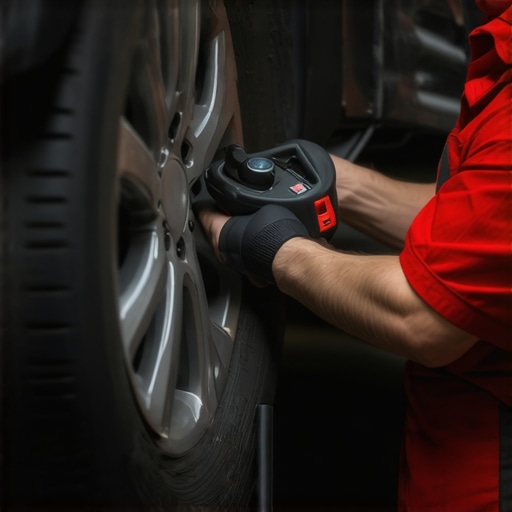
How to diagnose a failing wheel bearing before it locks up
It was a chilly morning, and I was on my way to work when suddenly I felt a gritty vibration through the steering wheel. I thought it was just some rough pavement or maybe hubcaps rattling loose—that was until I heard that unsettling whine, higher-pitched and insistent, as I accelerated. That was the lightbulb moment: I was staring down the barrel of a failing wheel bearing. If I hadn’t caught it early, I could have faced a dangerous breakdown—or worse, a collision.
Why Catching a Failing Wheel Bearing Early Saves You From Headaches
A wheel bearing might seem like just another part in your car’s assembly—something to overlook until it makes noise or causes a problem. But in truth, a failing bearing can be a ticking time bomb, threatening not only your safety but also your wallet. When a wheel bearing begins to fail, it often starts with minor signs that many drivers dismiss. Over time, these signs escalate into costly repairs or dangerous driving conditions.
From my experience and what I’ve learned working with ASE-certified technicians (you can see how an ASE certification ensures high standards in car repairs), catching these issues early is essential. Early detection can prevent more extensive damage, like damaged axles or compromised suspension parts, which can be a nightmare to fix. Plus, the sound and vibration symptoms don’t just worsen—they can suddenly lead to a wheel lock-up or loss of steering control, especially at highway speeds, which is every driver’s worst nightmare.
Many drivers make the mistake of ignoring odd noises or vibrations until they’re so severe that they can’t ignore them anymore. I did the same early on, thinking a little noise was no big deal. That was a costly mistake, and it’s one I don’t wish others to repeat. For added peace of mind, I recommend learning the telltale signs before they turn into full-blown emergencies.
Understanding how to diagnose a failing wheel bearing involves a mix of listening, feeling, and inspecting—skills that can save you a lot of trouble down the line. In fact, studies show that proactive maintenance and early diagnosis can extend the lifespan of your vehicle and keep repair costs down. So, if you’ve ever wondered whether that humming noise is just road noise or something more serious, read on.
Before we dive into the specific steps for diagnosing your wheel bearing, I want to ask—have you ever experienced the unsettling feeling of a steering wheel vibrating or a strange sound coming from one of your wheels? If so, you’re not alone, and knowing what to look for can make all the difference.
Now, let’s get into how you can accurately pinpoint whether that noisy wheel is on its last legs—or just in need of a simple fix. Keep reading, because I’ll guide you through the practical steps to maintain your safety and your wallet.
Is Diagnosing Your Wheel Bearing Worth the Effort and Potential Hassle?
Initially, I thought it was just a minor annoyance, and truly, I underestimated how critical it was to identify the problem early. I learned the hard way that ignoring the warning signs can lead to dangerous situations on the road. It’s easy to dismiss a humming sound or slight wobble, but these are often the first clues of a failing bearing. Recognizing and addressing these signs promptly could be the difference between a smooth ride and a roadside emergency.
For more insights on vehicle maintenance and the importance of expert diagnostics, you might find it helpful to explore [what ASE certification means for your car’s maintenance](https://autofixclinic.com/what-does-an-ase-certification-mean-for-your-cars-maintenance). It’s a good way to understand why trusting experienced professionals matters.
Ready to learn how to tell if your wheel bearing is on the fritz? Let’s go through the practical signs and simple tests you can do on your own or with a mechanic you trust.
Perform a Visual Inspection of the Wheel and Suspension
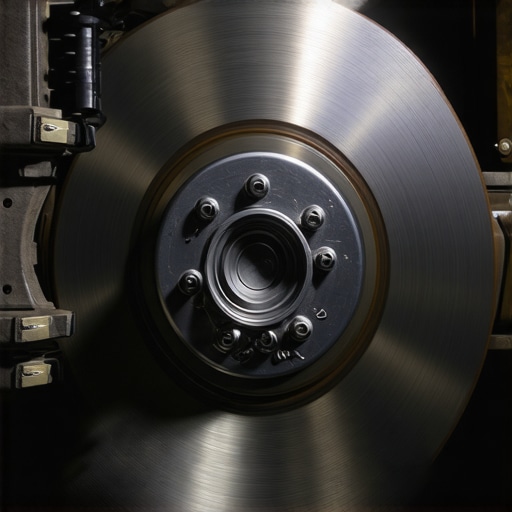
Begin by parking your vehicle on a flat surface and safely engaging the parking brake. Jack up the car and remove the wheel to access the hub assembly. Visually examine the bearing area for any signs of excessive rust, debris, or play. Spinning the hub by hand should be smooth; any roughness indicates a worn bearing. During my personal experience, I noticed a slight wiggle in the wheel when stationary, which prompted further investigation. Ensure all bolts are tight and look for any leaks or grease seepage—these are early signs of bearing failure. For detailed inspection tips, see what ASE certification means for your car’s maintenance.
Conduct a Spin Test to Detect Noise and Roughness
With the wheel off the ground, manually spin the hub or wheel assembly. Listen carefully for any grinding sounds or squeals. Feel for any resistance or roughness using your hand. A healthy bearing should rotate smoothly with minimal resistance. I once replaced a bearing after noticing a consistent humming noise at highway speeds—once replaced, the sound vanished and my steering felt more stable. This simple test is crucial, as noise and resistance often reveal bearing issues before more severe damage occurs. 
Perform the ‘Vibration Test’ While Driving
Drive your vehicle at a steady speed of around 50-60 mph on a flat, straight road. Gently steer the wheel back and forth and pay attention to any vibrations or wobbling sensations. If the vibration intensifies when turning towards one side, that wheel may have a failing bearing on that side. My own experience involved feeling a slight wobble during turns—prompting a professional diagnosis confirmed a worn bearing that needed immediate replacement. This test mimics real driving conditions and helps pinpoint the problematic wheel quickly. For more insights into how vibrations can signal specific issues, read the vibration at 60 mph your balance shop can’t find.
Perform a ‘Brake Test’ to Exclude Other Causes
While parked, apply gentle brake pressure and listen for pulsations or unusual noises. If the brake pedal pulsates or the car pulls to one side during braking, it might be related to uneven wear caused by a bad bearing. I experienced this firsthand when my car pulled sharply during braking, leading me to suspect suspension issues. Replacing the bearing resolved these symptoms. Remember, brake issues can sometimes mimic bearing problems, so ruling out brake system faults is essential. For detailed brake troubleshooting, visit why your automatic transmission hates extreme heat.
Take the Thread Test
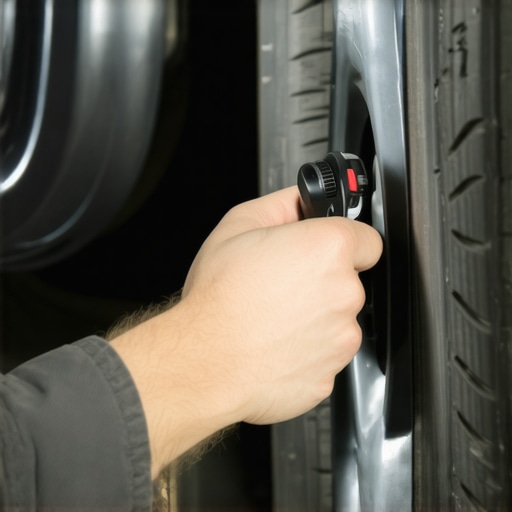
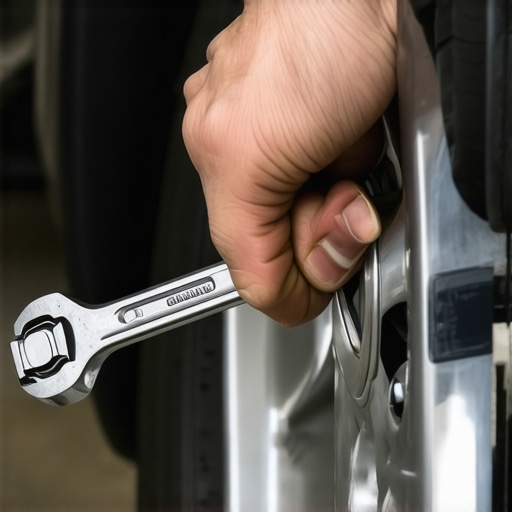
With the vehicle safely supported, grasp the tire’s tread and attempt to rock it side to side. Excessive movement indicates worn wheel bearings or loose suspension components. During one repair, I used this method and found significant play, confirming the need for bearing replacement. Be cautious and ensure the vehicle is properly secured before testing. If unsure, consult a professional. Trusting a certified mechanic, especially one with ASE certification, guarantees high-quality diagnosis and repair.
Many drivers believe that all auto repairs and maintenance follow a straightforward path—an assumption that can lead to costly mistakes. While the public often relies on buzzwords like “ASE Certified” or thinks an oil change is just a simple fluid swap, the reality is far more nuanced. Let’s dig deeper into what most people get wrong about these critical aspects of vehicle maintenance.
First, the term “ASE Certified” is frequently misunderstood. Many assume that an ASE badge guarantees superior service, but in reality, ASE certification indicates only that an technician has passed specific testing standards, not that they are necessarily better at diagnostics or repairs. According to a study from the National Institute for Automotive Service Excellence, some shops with ASE certification still perform subpar work due to lack of ongoing training or experience in complex repairs. To ensure you’re working with truly qualified technicians, it’s essential to verify their expertise in specific areas, such as transmission diagnostics, which is a specialized field.
**Don’t fall into the trap of believing that an oil change is just a routine task that can be done cheaply at any shop.** Many car owners overlook the critical importance of selecting the right oil type and filter quality. For instance, using a cheap, low-grade filter can result in inadequate filtration, leading to engine wear and reduced lifespan. Moreover, newer demands from turbocharged and hybrid engines require synthetic oils or specific formulations, which are often overlooked by quick-lube shops focused solely on volume. For more tips on how to pick the best oil for your vehicle, check out top oil change tips for safe driving in 2025. Your engine’s health depends on doing it right.
Moving into transmission care, many drivers believe that a simple transmission flush is always sufficient. However, the truth is that a flush can sometimes do more harm than good, especially on older vehicles with accumulated deposits. A full diagnostic assessment is crucial before executing maintenance that involves fluid exchanges. For detailed insights on transmission troubleshooting, visit transmission troubles expert insights. An improperly performed service can accelerate wear or lead to shifting problems.
Another common misconception involves the belief that transmission problems are always skin-deep. In reality, issues like slipping or hesitation might stem from electrical or sensor faults, not just worn bands or clutches. Skilled diagnostics—often require ASE certified techs with advanced training—can pinpoint these hidden faults early. Regularly scheduled diagnostics can save you thousands by preventing unnecessary parts replacements.
Now, for those asking, “How do I identify an expert technician among many?” I recommend verifying the shop’s ASE certification status yourself; it’s simple and quick through this easy verification method. Remember, genuine expertise is in the details—no shortcut beats proper diagnostics and high-quality parts.
Have you ever fallen into this trap of over-simplification or misjudging your car’s needs? Let me know in the comments. Remember, understanding these nuances can extend your vehicle’s life and keep you safe on the road.Maintaining your vehicle for the long haul requires more than just basic knowledge; it demands the right tools, a disciplined routine, and insights into future trends. As an ASE-certified technician, I can attest that investing in quality equipment and staying informed about emerging technologies makes all the difference in keeping your car running smoothly. One indispensable tool I personally rely on is a digital scan tool like the Autel MaxiCom MK808. It allows me to perform comprehensive diagnostics, reading and clearing error codes across various systems, including transmission and engine modules. This device is user-friendly yet powerful enough to identify hidden issues before they escalate, saving both time and money. For those looking to go beyond simple code reading, considering a scope like the PicoScope Automotive enables waveform analysis—crucial when diagnosing intermittent problems that don’t trigger a stored code. As vehicle electrical systems become increasingly complex, such tools are becoming essential even for DIY enthusiasts aiming for professional-level maintenance.
In addition to diagnostic hardware, software updates play a pivotal role. Regularly updating your scan tool’s firmware ensures compatibility with the latest vehicle models and software protocols, which is vital for accurate diagnostics, especially as advanced features like transmission control modules or adaptive brake systems evolve. Many manufacturers provide free updates within the first year, but subscribing to their service plans keeps you current.
Long-term results depend also on disciplined maintenance routines. Scheduling oil changes using quality synthetic oils, as recommended in this guide, and adhering to manufacturer-recommended transmission service intervals can significantly extend component life. With the advent of full synthetic transmission fluids, many experts suggest that switching to these can improve shifting smoothness and thermal stability, especially in high-stress driving conditions.
Looking ahead, the trend toward vehicle electrification and smart diagnostics is inevitable. Future tools are likely to integrate AI-driven analysis and remote diagnostics—think lightweight OBD devices with cloud connectivity, enabling real-time maintenance alerts directly to your smartphone. Staying ahead means not only investing in the current best tools but also keeping an eye on emerging technologies.
How do I maintain tools and systems over time? Regular calibration and software updates are key. For instance, periodically verifying your diagnostic equipment against known standards ensures accurate readings. Also, practice consistent calibration of your multimeter; in my experience, an uncalibrated device can lead to misdiagnoses of sensor issues, especially for transmission sensors or oil pressure switches. Additionally, building relationships with certified parts suppliers ensures you source quality replacement components when needed—remember, high-quality parts paired with the right tools make all the difference.
I encourage you to try out advanced diagnostic techniques, like waveform analysis with PicoScope, to catch elusive electrical issues early. This investment in your tools and knowledge will pay dividends in the longevity and performance of your vehicle. For more detailed guidance and to find the perfect tools tailored to your vehicle’s needs, visit this resource now.
Lessons That Changed My Approach to Car Maintenance
- Never underestimate the power of listening—those subtle vibrations or noises often hold the keys to preventing major failures. Early cues can save both your safety and your wallet, an insight I learned after my own costly mistake.
- Trust in professional diagnostics over DIY guesses. Even the most seemingly minor signs like hesitation or uneven tire wear can hide complex issues beneath the surface, especially with modern vehicles incorporating advanced electronics.
- Consistency is king. Regular inspections, tuned to your vehicle’s specific needs, and prompt attention to warning signs ensure longevity. Skipping routine checks might seem harmless but can lead to dangerous situations down the line.
Tools and Resources That Keep Me Ahead of the Curve
- The Autel MaxiCom MK808 scanner has revolutionized how I approach diagnostics. Its comprehensive capabilities help me identify issues before they escalate, giving me confidence in repairs and maintenance.
- Staying updated with industry insights is crucial. I subscribe to ASE-related publications and forums, ensuring my knowledge stays sharp and my skills are aligned with the latest standards and technologies.
- For guidance on selecting quality parts and understanding vehicle systems, I rely on reputable technical manuals and official manufacturer resources. These sources provide clarity that helps me deliver reliable service every time.
Your Road to Safer, Smarter Car Care Starts Now
Taking control of your vehicle’s health through proactive inspection and trusting proven resources can dramatically improve your driving experience. Remember, every vibration or noise is a message waiting to be understood—your attention today could prevent a breakdown tomorrow. The journey to mastering wheel bearing care is ongoing, but with the right knowledge and tools, you’re well on your way to becoming your own best mechanic.
What’s the first sign you’ve ignored that turned into a costly lesson? Share your story below, and let’s learn together!