The reason your car’s floorboards are wet after a car wash
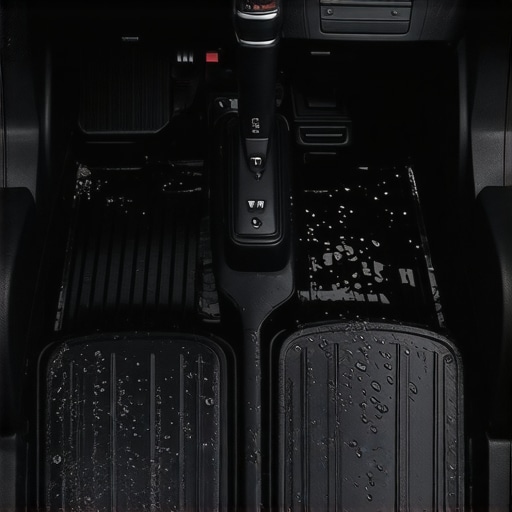
It was a bright Saturday morning, and I had just finished giving my car a thorough wash in the driveway. I was pretty proud, too—until I stepped back inside and noticed something odd. My floorboards were damp. Not just a little moisture—full-blown wet, as if I’d spilled a bucket of water right there. That lightbulb moment hit me hard. Why on earth would my car’s interior get soaked after a clean-up? I scratched my head, realizing I wasn’t alone in this struggle, and it got me wondering about the real reasons behind it.
Understanding the Mystery of Wet Floorboards After a Car Wash
Is Water Somehow Seeping in from the Outside? Or Is It a DIY Disaster?
At first, I thought maybe I hadn’t dried the door seals properly or that I missed cleaning some areas. But after some research and a few trips to my trusted mechanic, I learned that the culprit isn’t just sloppy drying—it’s often related to overlooked drainage issues. See, your car has specialized channels and drain plugs designed to whisk away water. When these get clogged or blocked—often due to dirt, leaves, or debris—the water can’t escape and ends up seeping inside.
Early on, I made a mistake that many car owners do: I assumed all was well as long as the exterior looked clean. But neglecting to check the drainage points can lead to persistent interior moisture, which, over time, fosters mold, rust, and an unhappy dashboard. According to the experts at Auto Fix Clinic, proper drainage maintenance is essential—not just for cleanliness but for your vehicle’s longevity.
What We’ll Cover Today
In this post, I’ll walk you through the common causes of wet floorboards after a wash, how to inspect and clear those pesky drainage channels, and simple steps to keep your interior dry and fresh. No more guessing games—just straightforward advice to solve this annoying problem once and for all.
Locating Drainage Channels and Plugs
Start by parking your car on a flat surface and opening all doors and trunk. Carefully inspect the lower edges around the doors, wheel wells, and undercarriage for visible drainage points. Familiarize yourself with your vehicle’s underbody layout by consulting your owner’s manual or an online diagram. During my last maintenance session, I used a flashlight to identify drain plugs hidden just behind the wheel arches, which are often overlooked.
Gathering Proper Tools and Supplies
Equip yourself with a basic toolkit: screwdrivers (flathead and Phillips), pliers, a flexible plastic brush, a garden hose or spray nozzle, and a cleaning cloth. Avoid using metal tools that might damage delicate parts. I once attempted to unclog a stubborn drain with a metal wire, which scratched the surface; switching to a plastic brush was much safer and effective.
Removing and Inspecting Drain Plugs
Carefully unscrew the drain plugs using the appropriate screwdriver. Be prepared for some water to spill out—wear gloves or have rags ready. Check the plugs for mud, leaves, or debris blocking the openings. As I did last time, I submerged the plugs in a bucket of warm soapy water to loosen grime before reinstallation, preventing reinsertion of dirt.
Cleaning and Clearing the Drainage Paths
Use the flexible brush to gently dislodge debris inside the channels. Spray the area with a garden hose or pressure nozzle, focusing on flushing out stubborn dirt. When I cleaned my vehicle, I aimed the nozzle to mimic rainwater runoff, ensuring the water smoothly flowed through the channels. Avoid forcing debris further in, which can cause more blockages.
Reinstalling Plugs and Testing Drainage
Securely screw in the drain plugs, ensuring a tight fit to prevent leaks. Confirm proper drainage by pouring a small amount of water over the cleaned channels and inspecting the flow. If water pools or leaks inside your vehicle, recheck the plugs and make sure no debris remains. I often repeat this test twice to be confident the system is clear.
Preventative Maintenance Strategies
To keep drainage channels clear longer-term, regularly inspect and clean them every few months, especially after heavy rains or falling leaves. Trim nearby foliage to reduce debris falling into the channels. Applying a light coating of silicone spray around seals can also repel dirt and water, as recommended by experts at Auto Fix Clinic. A quick visual check during routine washes can save you from costly water intrusion later.
Final Tips and Common Pitfalls
Never use sharp metal objects that might puncture rubber seals or damage paint. Be patient and gentle—rushing can cause unnecessary harm. Remember, clogged drainage isn’t just a nuisance; neglect can lead to rust, mold, and interior damage. When in doubt, consulting a professional mechanic familiar with your vehicle model can save you time and avoid mistakes. Explore more about choosing the right car service to keep your vehicle in optimal condition.
Many car owners assume that following the manufacturer’s recommended oil change intervals is sufficient for optimal vehicle health. However, this broad guideline often obscures nuanced factors that can significantly impact engine longevity. **Contrary to popular belief, adhering strictly to mileage-based schedules without considering driving conditions can be a mistake.** For instance, frequent short trips, stop-and-go traffic, or extreme temperatures accelerate oil degradation, demanding more frequent servicing. Experts at Auto Fix Clinic emphasize tailoring maintenance routines to actual usage rather than relying solely on generic intervals.
A common myth is that all oils are created equal. In reality, the type and quality of oil, whether synthetic or conventional, influence how often you need to service your vehicle. Synthetic oils are more stable under high temperatures and shear forces, reducing the need for frequent changes—yet many skip this nuance, risking engine wear due to mismanagement. Moreover, many ignore the significance of a properly functioning oil filter, which, if clogged, can mimic symptoms of neglect but is often overlooked. Check this guide to ensure your filter is up to the task.
Now, let’s ponder a question: Why does a certified technician’s diagnosis often reveal issues that routine oil changes miss, especially concerning transmissions? Many drivers aren’t aware that the transmission fluid, much like engine oil, needs regular inspection and replacement. This is especially true for modern vehicles with complex transmission systems. Failing to maintain transmission fluid at appropriate intervals can result in slipping, shuddering, and costly repairs. Certified ASE mechanics are trained to detect subtle signs that indicate transmission wear before catastrophic failure occurs—so, a quick visit to a shop with ASE-certified technicians can save you thousands.
**One sneaky mistake** many make involves ignoring the specific needs of high-mileage or specialized engines that benefit from tailored oil formulations. Using the wrong product not only shortens oil change intervals but can also cause lubrication issues, leading to engine deposits or corrosion. Regularly inspecting your vehicle’s service history and consulting reliable guides—like those found on top oil change tips—can prevent this trap.
Finally, consider the importance of understanding your vehicle’s computer codes. Many drivers mistake false warnings for minor issues, delaying critical service that could mitigate corrosion, leakages, or transmission problems. For instance, plumbing in transmission cooling lines, if neglected, can overheat fluid, causing similar symptoms to low fluid levels. An advanced diagnostic approach, often in the realm of expert technicians, becomes invaluable here. Learn more at this resource.
In summary, mastering the nuances of car maintenance demands going beyond the surface. Recognize that not all oils and filters are equal, and that transmission health is just as critical as the engine’s. Be proactive, not reactive, by understanding your vehicle’s unique needs and trusting qualified ASE-certified professionals. Have you ever fallen into this trap? Let me know in the comments.
Essential Tools for Reliable Car Maintenance
Maintaining your vehicle over time demands more than just routine oil changes; it requires precise tools and methodologies to ensure everything functions optimally. I personally rely on a high-quality digital multimeter for diagnosing electrical issues quickly and accurately. Unlike generic testers, my multimeter allows me to check voltage, resistance, and continuity with pinpoint accuracy, saving me time and preventing costly repairs. Additionally, I swear by a sturdy portable torque wrench for ensuring fasteners are tightened to the manufacturer’s specifications, especially when working on transmissions or wheel hubs. This prevents over-tightening, which can damage components, or under-tightening, leading to leaks or loosening over time.
Beyond physical tools, software diagnostics have revolutionized car maintenance. My personal favorite is a professional-grade OBD-II scanner that interfaces with my smartphone through Bluetooth. It reveals real-time data, error codes, and transmission health indicators, which I cross-reference with trusted resources like transmission troubleshooting guides. This combination of hardware and software transforms simple maintenance into informed, precision work—saving me money and extending my vehicle’s lifespan.
How do I sustain performance and extend my vehicle’s lifespan over time?
Developing a consistent maintenance routine is key. I schedule seasonal inspections, aligning with changes in weather that can impact components like belts, hoses, and fluids. For transmission, regular fluid checks and changes, especially in high-mileage vehicles, are critical. According to Auto Fix Clinic, transmission fluid degrades over time, becoming less effective at lubricating and cooling the system. I follow a proactive approach by using specialized transmission fluid testers and by consulting ASE-certified technicians for complex diagnostics.
Looking ahead, technology is trending toward more integrated maintenance solutions. Predictive analytics—powered by onboard sensors and AI—are becoming mainstream, allowing vehicles to warn you about issues before symptoms appear. I predict that in the near future, your car might notify your smartphone about imminent problems, guiding you to take preventive action with the right tools and parts before a breakdown occurs.
If you want to elevate your vehicle maintenance game, I recommend trying a professional-grade oil filter tester. It helps verify if your filter continues to protect your engine effectively, especially in high-mileage vehicles or those subjected to extreme conditions. Investing in the right tools not only boosts your confidence but also safeguards your car’s long-term health. Remember, consistent, precise maintenance is the smartest strategy for avoiding costly repairs down the line and ensuring your vehicle runs smoothly for years to come.
Lessons No One Tells You About Car Drainage and Maintenance
One of the most unexpected lessons I learned was that proper drainage maintenance can save your vehicle from long-term damage—something that isn’t emphasized enough in typical car care advice. Relying solely on external cleanliness without inspecting drainage points can lead to hidden issues that only reveal themselves after damage has set in. It’s a reminder that detailed, proactive inspections—like checking your drainage channels regularly—are vital for preserving your car’s interior and structural integrity.
Curated Tools That Make My Car Care Easier
Over the years, I found that having a quality digital multimeter and a trusted ASE-certified mechanic are indispensable. These tools and professionals provide peace of mind, especially when diagnosing transmission or electrical issues beyond my experience. Investing in a high-quality OBD-II scanner has also helped me catch minor issues early and plan preventative maintenance efficiently.
Inspirational Words to Keep You Moving Forward
Don’t let small maintenance mishaps discourage you. Every car owner encounters surprises—what matters is your commitment to learning and improvement. Understanding your vehicle’s systems, from drainage to transmission, transforms routine maintenance into empowerment. Keep your passion alive, and remember that even the most complex problems become manageable with patience and the right knowledge. You’re capable of mastering your car care journey—just take that first step today.