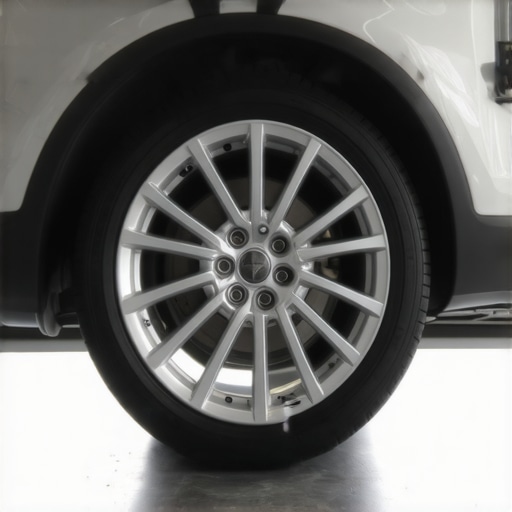
The secret to preventing brake dust buildup on alloys
I remember the exact moment I realized how much brake dust can ruin the look of my alloys. It was after a long weekend drive, and when I finally washed my car, I was greeted by stubborn, dark stains covering my once-shiny rims. That frustrating moment made me dive into the world of brake dust prevention, and let me tell you—it’s a game changer.
If you’re tired of spending hours scrubbing that stubborn grime off your alloys or just want to keep your car looking sharp without the constant battle, you’re in the right place. Today, I’ll share some proven strategies I’ve tried and trusted to prevent brake dust buildup, saving you both time and money.
Why Brake Dust Is the Enemy of Your Alloys
Brake dust is more than just an aesthetic issue; it’s actually tiny particles of worn brake pads and caliper residue that cling to your wheels. Over time, this buildup not only dulls the appearance but can also corrode your alloys if left unchecked. This is especially true if you’re driving in areas with a lot of road salt or dust, which accelerates corrosion.
Early in my own experience, I made the mistake of ignoring that initial layer of dust, thinking it would wash off easily. But as the layers accumulated, my rims started to look dull and chipped. That was a wake-up call—brake dust wasn’t just ugly; it was actively damaging my wheels.
The good news? There are reliable ways to prevent it from piling up in the first place.
Having struggled with this myself, I know how discouraging it can be. But with the right approach—like applying specific protective coatings or choosing better brake pads—you can keep your alloys looking pristine. And hey, preventing it saves you from constant cleaning sessions, which I can personally attest to being a huge relief.
If you’re wondering whether those expensive ceramic coatings are worth it, or if switching to high-quality brake pads makes a real difference, I’ll cover that and more. Trust me, the solutions are simpler than you think.
Interested to hear if you’ve faced this problem too? Drop a comment below or visit our [contact page](https://autofixclinic.com/contact-us) with your experiences.
Next, we’ll explore practical steps you can take today to combat brake dust buildup effectively. Ready to give your alloys a much-needed boost? Let’s dive in.
Choose High-Quality Brake Pads for Cleaner Rims
During my last car service, I decided to upgrade to ceramic brake pads, which are known for producing less dust. By instructing the mechanic to specify this, I noticed a significant reduction in brake dust after driving in a dusty suburb. Ceramic pads generate finer, less abrasive particles that cling less to rims, maintaining a cleaner look and reducing corrosion risk. When selecting pads, refer to this guide for the best options tailored to your driving needs.
Apply a Protective Coating to Your Alloys
One winter, I applied a high-quality wheel sealant on my alloys after a thorough cleaning. This step took about 30 minutes, but the results lasted months. The coating creates a barrier against brake dust and road salts, simplifying subsequent cleaning. Think of it as armor for your wheels; just as selecting the right car service ensures vehicle longevity, applying protective coatings preserves aesthetics.
Proper Application Matters
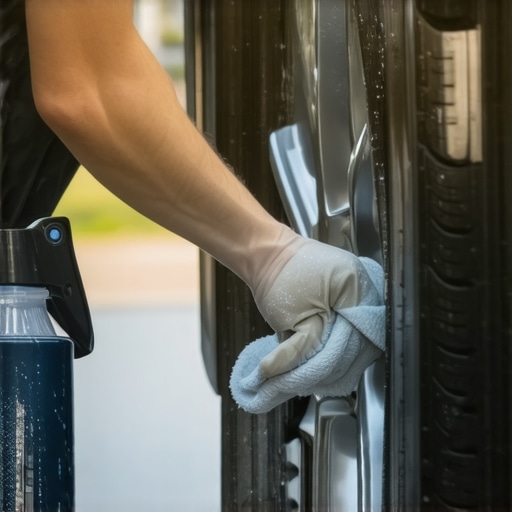
Ensure the surface is impeccably clean and dry before applying the sealant. I used a microfiber cloth and a dedicated wheel cleaner to prep the surface, then followed the product instructions carefully. A properly applied coat won’t just look good; it will resist brake dust accumulation effectively. Practice patience, and don’t rush this process.
Regularly Clean and Maintain Your Alloys
Consistent cleaning prevents dust from embedding in the pores of your alloys. I schedule a quick wash using a soft brush and a pH-balanced wheel cleaner every 2-3 weeks, especially after long drives. Using abrasive tools can scratch the surface—stick to microfiber cloths or soft brushes. This routine keeps the protective layer intact, extending the lifespan of your alloys, and keeps your car looking sharp. For detailed cleaning tips, check out this article.
Consider Brake System Maintenance
Worn-out brake components tend to produce more dust and uneven wear, exacerbating aesthetic issues. Last year, I had my brake calipers inspected and replaced if necessary. Regular maintenance as advocated in professional car services ensures optimal brake function and dust management. Upgrading to dust-resistant brake calipers or discs can also make a noticeable difference, especially if you frequently drive in dusty environments.
Drive Mindfully to Minimize Dust Creation
Hard braking or aggressive driving generates more brake dust and accelerates corrosion. I learned to anticipate stops and brake gently, especially in stop-and-go city traffic. This practice reduces dust particles and enhances overall brake longevity. Think of your driving style as a way to protect your investment; smooth driving is not only safer but also keeps your alloys cleaner longer. For more on vehicle handling, see this helpful guide.
Many car owners believe that regular oil changes and ASE-certified technicians are the gold standard for vehicle maintenance, but there are subtler points many miss. For instance, everyone advocates sticking to manufacturer-recommended oil change intervals, yet recent studies, like one published by SAE International, show that high-mileage fully synthetic oils can often extend this interval safely, provided your driving habits are consistent. This nuance can save you time and money, but only if understood correctly.
A common myth is that all oil is created equal; in reality, the type and quality of oil, along with the conditions under which your engine operates, significantly influence its lifespan. An ASE certification signals a technician’s competency, but it doesn’t guarantee their familiarity with the latest industry advancements. For example, some ASE master technicians have extensive experience, but they might not be up-to-date with the newest synthetic blends or hybrid engine requirements, which can lead to misapplication or missed nuances. This is why cross-referencing their expertise with recent technical updates is crucial.
Let’s tackle a more advanced concern: Why do some engines exhibit premature oil consumption despite regular changes? This often ties back to overlooked issues like using incompatible oil additives that can destabilize the oil film or ignore subtle engine wear that doesn’t manifest until it triggers larger problems. A comprehensive approach involves regular oil analysis—something many drivers overlook—to detect contamination, wear particles, or additive breakdown early. You can read more about this in our detailed guide on [how oil analysis saves you thousands](https://autofixclinic.com/why-your-fleet-oil-analysis-is-saving-you-thousands-in-repairs).
Moreover, many assume that more frequent oil changes equate to better engine health. While true up to a point, over-servicing can sometimes wash away vital protective coatings or disturb engine seals if done excessively. Balance is key, and understanding your specific vehicle’s needs is best achieved through consultation with a qualified, up-to-date technician.
Furthermore, it’s a mistake to equate ASE certification solely with quality. The industry evolves quickly, and certification should be viewed as a baseline—an indicator that the technician has passed certain tests, not a guarantee of ongoing proficiency or familiarity with cutting-edge practices. Always ask how a technician stays current, whether through continuous education or specialized training.
So, what’s the takeaway? To truly extend your car’s lifespan and ensure optimal performance, go beyond the basics. Regularly review your vehicle’s unique requirements, prioritize high-quality lubricants, and seek out technicians who demonstrate continual learning—something you can verify by asking about recent certifications or training updates. For more insights, explore our detailed content on [choosing the right car service for your needs](https://autofixclinic.com/choosing-the-right-car-service-for-your-vehicles-needs). Have you ever fallen into this trap of complacency? Let me know in the comments.Maintaining your vehicle’s optimal performance requires the right tools and a disciplined approach. Over the years, I’ve fine-tuned my maintenance routine to include specific equipment that ensures efficiency and long-term reliability. For instance, investing in a high-quality OBD-II scanner like the BlueDriver has been transformative. Not only does it provide comprehensive diagnostics, but it also links directly to your smartphone, making troubleshooting accessible even for DIY enthusiasts.
Another essential tool in my arsenal is a precision torque wrench. Proper torque application during bolt tightening, especially for critical components like wheel nuts or transmission parts, prevents future issues and guarantees safety. I personally prefer a digital torque wrench from ClickDrive, known for its accuracy and durability.
For fluid management, I rely on a oil extractor pump. Unlike traditional drain pans, this tool allows quick and clean oil changes, reducing mess and ensuring no residual debris remains. It’s particularly advantageous for tight undercarriage spaces or for vehicles with complex oil pan designs. Pairing this with a high-quality synthetic oil, such as Mobil 1 or Amsoil, extends your engine’s lifespan and improves lubrication.
Additionally, a service light reset tool can save you time during scheduled maintenance. Using a dedicated reset tool ensures your dashboard indicators are correctly calibrated, which is crucial after replacing parts or performing oil changes. I’ve found the Autel MaxiScan device to be reliable and user-friendly.
Looking ahead, the trend points toward more integrated diagnostic systems, where OBD-II compatibility evolves to include real-time telemetry and predictive maintenance via cloud platforms. This evolution will simplify early fault detection, reducing repair costs and downtime.
How do I maintain my vehicle’s tools and equipment over time?
Regular calibration and cleaning are key. For example, torque wrenches should be calibrated annually to maintain accuracy, which can be done through certified calibration services. Tools like OBD-II scanners benefit from software updates, ensuring compatibility with the latest vehicle models and trouble codes. Proper storage—dry, cool, and organized—extends the lifespan of your tools and keeps your workshop safe.
If you’re serious about keeping your car in top shape, I highly recommend testing out a professional-grade diagnostic scanner like the BlueDriver or a reliable torque wrench. These investments have paid off in better diagnostics, safer repairs, and peace of mind during routine or critical maintenance tasks. Remember, as vehicle technology advances, having the right tools now can make all the difference later. Want to explore more tips tailored to your vehicle? Reach out through our contact page for personalized advice.
Over the years, I’ve discovered that tackling brake dust isn’t just about keeping your wheels shiny; it’s about preserving your investment and enjoying a hassle-free driving experience. The smart strategies I’ve adopted have transformed my routine, saving me time and money while ensuring my alloys stay pristine. If you’re on a quest to elevate your vehicle’s upkeep, understanding these insider lessons can make all the difference.
Less Obvious Lessons That Changed My Approach to Brake Maintenance
- Consistent Protective Layer Application Pays Off: Applying a quality wheel sealant regularly creates a formidable barrier against brake dust, reducing cleaning frequency and safeguarding your alloys from corrosion. Early in my journey, I underestimated this step, but it’s become my top tip now.
- Upgrading Brake Components Can Reduce Dust Significantly: Switching to high-performance, dust-resistant brake pads might seem like an extravagant move, but the reduction in grime buildup and increased longevity is well worth the investment. I learned this after experimenting with different pads on my own vehicle.
- Driving Habits Influence Dust Accumulation: Gentle braking and anticipating stops minimize dust creation, an insight that came from tracking my driving patterns. Small adjustments here can lead to cleaner rims and less wear on brake parts.
- Strategic Cleaning Prevents Damage: Using soft brushes and pH-balanced cleaners not only maintains the look but also prolongs the life of coatings. Rushing or using abrasive tools often caused more harm than good—lesson learned the hard way.
- Routine Inspection Helps Catch Early Corrosion Signs: Regularly checking for black spots or powdery residue on your alloys alerts you before corrosion takes hold, enabling prompt action and saving costs in the long run.
The Tools That Make a Real Difference in Brake Dust Defense
- High-Quality Wheel Sealants: Brands like CarPro Hydro2 or Gtechniq C5 are my go-to, trusted for their durability and ease of application, providing ongoing protection against brake dust.
- Premium Brake Pads: Opting for ceramic or sintered pads from reputable manufacturers reduces dust without compromising braking power. Brands such as Brembo or Hawk Performance are reliable choices I trust.
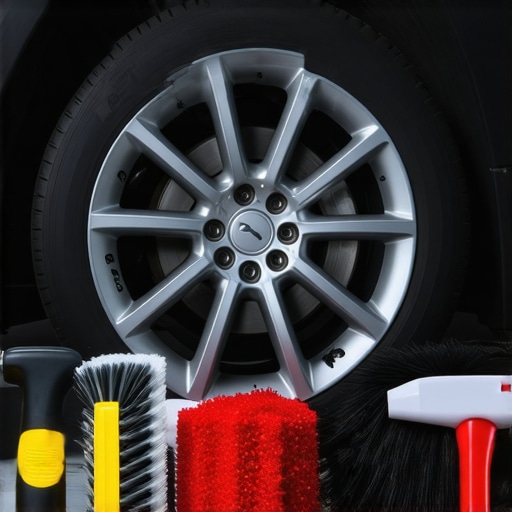
- Detailing Equipment: Soft microfiber cloths, gentle brushes, and a dedicated wheel cleaner help me keep my rims spotless without causing scratches or damage, especially after applying protective coatings.
- Insightful Reading Material: I recommend books like “The Art of Car Detailing” by Frank R. Goodman, which deepened my understanding of surface care and proper cleaning techniques, making my routine more effective and enjoyable.
Embrace a Mindset of Care and Continuous Improvement
Maintaining a vehicle isn’t just about fixing problems, but about nurturing it through smart choices and consistent effort. Celebrating small victories—like extending the time between cleanings or noticing reduced dust—keeps me motivated. If you’re committed to keeping your alloys looking factory-fresh, remember that each step you take, inspired by real-world experience, compounds into impressive results. Ready to take your brake dust prevention to the next level? Start today with one new protective coating or driving habit, and soon you’ll see the difference.
What’s your most effective brake dust prevention tip? Share your insights below or reach out to me—I’d love to hear how you’re keeping your wheels looking sharp.