The proper way to clean salt off your car’s undercarriage
I vividly remember the first winter I owned my car, and how I ignored the salty mess underneath. One day, I noticed the paint starting to rust away at the bottom, and it hit me—my neglect had quietly done damage I couldn’t see. That lightbulb moment made me realize: if I wanted my ride to last, I had to tackle salt buildup properly.
If you’ve ever driven through snowy or salted roads, you know how quickly salt can turn from a mere nuisance into a real enemy for your vehicle. Salt accelerates corrosion, and without a proper cleaning routine, it seeps into the steel frame and exhaust system, causing long-term damage that costs a fortune to repair. Today, I’m going to share the best ways I’ve found to clean salt off your car’s undercarriage effectively. Believe me, taking the time to do this right can save you hundreds in potential rust repairs.
Why Salt Is Your Car’s Worst Enemy in Winter
Think about it: salt isn’t just gritty on your shoes—it’s corrosive to your vehicle’s metal parts. It’s spread liberally on roads to melt ice, but once it settles, it lingers. Over time, it eats away at the metal, especially in hidden areas like the undercarriage, wheel wells, and exhaust system. Some folks assume a quick wash will do, but if salt has entrenched itself, a simple rinse isn’t enough. You need a thorough cleaning with the right tools and techniques.
Research shows that vehicles left untreated for winter salt exposure can develop rust within just a few years. And once rust sets in, it’s a downhill slope—structural integrity, safety, and resale value all suffer. Early intervention is key.
Is It Really Worth All This Effort? The Risks of Skipping Proper Cleaning
I admit, I was skeptical at first. I thought, “It’s just a bit of grime, it’ll wash away tomorrow.” But I learned the hard way when rust started to corrode my frame. A mistake I made early on was neglecting to use the right cleaning agents or failing to focus on the undercarriage specifically. If you’re only washing the visible parts of your car, you’re playing a risky game—salt can lurk in places you can’t see.
Knowing how to clean salt off your undercarriage properly isn’t just about aesthetics; it’s about extending your car’s lifespan and maintaining safety. Trust me, a little extra effort now prevents costly repairs later. Curious about whether practitioners can really make your vehicle last longer? Check out how [ASE certification](https://autofixclinic.com/what-does-an-ase-certification-mean-for-your-cars-maintenance) impacts the quality of service.
Now that I’ve shared my wake-up call, let’s dive into the best practices to keep your undercarriage healthy during those harsh winter months.
Gather the Right Equipment
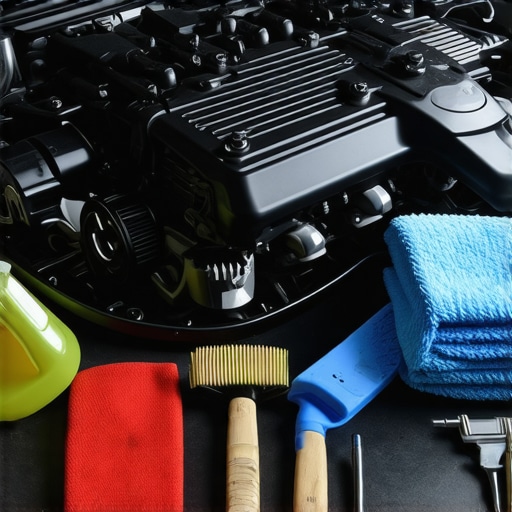
Start with a high-pressure hose or a power washer, a set of undercarriage cleaning brushes, and a biodegradable degreasing soap. I remember the first time I used a power washer to clean my car’s undercarriage; the force expelled months of salt and grime in minutes, revealing pristine metal underneath. Using the right tools ensures thorough salt removal, preventing corrosion.
Position Your Vehicle Correctly
Park your car on a flat, preferably inclined surface to make cleaning easier. Engage the parking brake and gather all necessary supplies nearby. Before starting, wear waterproof gloves and goggles. I learned this the hard way when salt spray got into my eyes—always protect yourself during this messy task.
Start with a Rinse to Loosen Salt
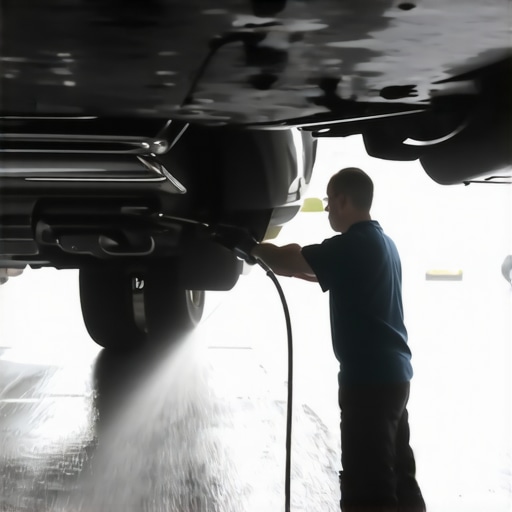
Use the pressure washer to spray the undercarriage from a safe distance, targeting wheel wells, exhaust, and frame crannies. This initial rinse breaks down the salt crust. I found that starting from the front and moving backward prevents excess salt from settling into cleaned areas. Make sure to cover all hidden spots where salt accumulates.
Apply Degreasing Solution
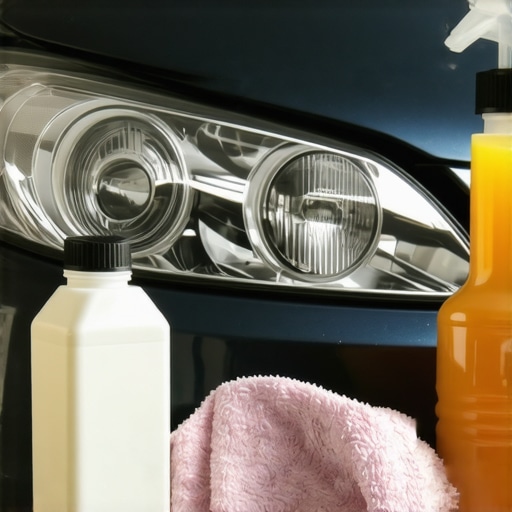
Mix biodegradable degreasing soap with water and apply it liberally to the undercarriage using a spray nozzle or a brush. Focus on areas where salt has hardened. When I cleaned mine, I left the soap to sit for five minutes, allowing it to penetrate and loosen salt deposits, much like letting a dish soap soak off baked-on grease.
Scrub Tough Spots
Use stiff brushes or dedicated undercarriage cleaning tools to scrub stubborn salt patches, especially in wheel wells and seams. I applied extra elbow grease here—scrubbing dislodged dried salt that rinsing alone couldn’t remove. Be patient; thorough scrubbing prevents future rust.
Final Rinse and Inspection
Finish with a high-pressure rinse to wash away remaining salt and soap. Carefully inspect critical areas for any remaining salt or rust spots. During my first attempt, I noticed some salt stubbornly stuck in the frame crevices—giving these areas a second rinse made a noticeable difference. This step ensures no salts are left behind to cause long-term damage.
Drying and Prevention Tips
Use compressed air or a microfiber cloth to dry your undercarriage thoroughly, preventing water spots and further corrosion. Applying a rust inhibitor or undercoating after cleaning can add extra protection. Regular maintenance, especially after storms or snowfalls, extends your vehicle’s lifespan. I’ve adjusted my winter routine, and my car runs smoother with less corrosion worries.
Investing time in proper salt removal isn’t just about keeping your car looking good; it’s an essential step in preventing expensive rust repairs. If you’re unsure whether your car needs specialized treatment, consider visiting an ASE-certified shop for expert advice. Learn more about how ASE certification improves service quality and ensures your vehicle gets the proper care.
Many car owners believe they understand the basics of vehicle maintenance, but let’s dig deeper into some misconceptions that could cost you dearly. For instance, a widespread myth is that every oil change type suits all engines; in reality, synthetic oils are often the best choice for modern turbocharged engines, offering better protection and longevity. Skipping proper transmission service, under the misconception that it’s unnecessary until problems occur, can lead to costly repairs—regular transmission maintenance actually extends the lifespan of your vehicle significantly, as highlighted in expert studies.
One trap many fall into is trusting cheap, quick oil change services without verifying their credibility. Low-cost offers can sometimes mean inferior products or rushed work, which might not adequately protect your engine. It’s vital to choose reputable shops with ASE-certified technicians—these professionals have undergone rigorous testing ensuring they can handle complex repairs and diagnostics. Want to see how ASE certification impacts your vehicle’s care? Learn more here.
When it comes to transmission issues, some drivers think that low fluid levels are harmless or simply top up as needed. However, low transmission fluid often indicates leaks or internal problems that require a professional diagnosis. Moreover, adding the wrong type of fluid can cause severe damage. Always consult expert guidelines or certified mechanics for the right maintenance approach.
It’s also a mistake to assume all service providers are equally qualified. ASE-certified technicians undergo standardized testing; their expertise translates into better vehicle health and potentially higher resale value. Curious about what ASE certification really means? Check out this guide.
For the savvy driver, understanding these nuances means fewer repairs and safer driving. Don’t fall into common traps—invest in proper maintenance, verify your service shop’s credentials, and stay informed. Have you ever fallen into this trap? Let me know in the comments.Maintaining a vehicle over the long term requires the right equipment, methods, and a proactive mindset. One essential tool I rely on is a high-quality infrared temperature gun. I use it regularly during fluid checks and inspections because it provides instant, accurate readings of engine, transmission, and exhaust component temperatures. This allows me to spot potential issues—like overheating transmission fluid—before they develop into costly repairs. Incorporating such diagnostic tools keeps my vehicle running smoothly and helps me plan maintenance schedules more effectively.
Another indispensable resource is a reliable code reader or scan tool. I prefer OBD-II scanners that connect to my smartphone via Bluetooth, like the BlueDriver, because they provide real-time data and can clear diagnostic trouble codes on the spot. This immediate insight enables me to address minor problems early, which extends my car’s lifespan and enhances safety. Regular monitoring with these tools also ensures compliance with ASE-certified standards, which emphasize preventive care and accurate diagnostics.
How do I maintain my vehicle’s performance over time?Lessons From the Trenches of Winter Car Care
One of the biggest surprises I faced was realizing how much improper salt removal can cost me later. I used to think a simple rinse was enough, but missing out on thorough cleaning taught me that small oversights lead to big rust problems. Now, I know that paying close attention to detail—like scrubbing stubborn spots and applying rust inhibitors—makes all the difference in extending my vehicle’s life.
Another lesson I learned the hard way was trusting generic cleaning methods. Not all degreasers or water sprays are created equal. Using specialized undercarriage cleaners recommended by ASE-certified technicians ensures I’ve got the best protection. Investing in quality equipment like stiff brushes and high-pressure washers has saved me hundreds on repairs, and it’s made my routine much more effective.
Lastly, I discovered that proactive maintenance, such as inspecting for early rust signs and regularly applying rust-proofing products, keeps my car in top shape despite harsh winter conditions. Combining thorough salt removal with preventive treatments is the key to maintaining a rust-free ride year after year.
Tools and Resources That Keep My Vehicle Running Smoothly
My essential toolkit includes a high-quality power washer, which blasts away salt in minutes—an investment that pays for itself over time. I also swear by a reliable code scanner, like the BlueDriver, because catching early engine or transmission hints prevents costly surprises. For staying informed, I often refer to books like “Automotive Maintenance for the Serious DIYer”, which deepens my understanding and helps me communicate better with ASE-certified shops.
Another invaluable resource is the official ASE certification guide. Knowing that my mechanic has this credential gives me confidence that my vehicle is in expert hands. Plus, I follow trusted blogs and forums where seasoned technicians share tips—like how to spot early signs of rust or transmission issues—so I can stay proactive rather than reactive.
Embrace The Power of Preventive Action
Your vehicle’s longevity is directly tied to how well you treat it after winter storms. Don’t wait until rust starts to eat away at your frame—invest in proper undercarriage cleaning and protective coatings. Remember, addressing salt buildup early is like fine-tuning a machine—small tweaks now save big repairs later.
Are you ready to take control of your car’s winter health? Start with the right tools, stay informed, and make maintenance a priority. Your car will thank you with reliable performance and a longer lifespan. Have you already noticed signs of rust or corrosion? Share your experiences below and let’s learn from each other’s journeys.