
How to check your brake pads without removing the wheels
I’ll never forget the frustrating moment when I hit the brakes unexpectedly, and instead of a smooth stop, I felt a strange squeal—like nails on a chalkboard. Turns out, my brake pads were so worn that I barely had any material left, and I didn’t even realize it until it was almost too late. That lightbulb moment made me realize how many of us are driving around unaware of the true condition of our brakes, risking safety and costly repairs.
Why Checking Brake Pads Without Removing the Wheels Can Save You Time and Money
If you’ve ever wondered whether your brake pads are wearing out prematurely, you’re not alone. Many drivers avoid inspecting this critical component because the traditional method seems intimidating or time-consuming, involving jacking up the car and removing wheels. But here’s the good news: you can get a pretty accurate idea of your brake pad health without ever turning a wrench under your car. This approach can save you money, reduce downtime, and most importantly, keep you safe on the road. Modern techniques and some handy tools allow you to evaluate brake wear from the comfort of your driveway or parking lot.
Are You Wasting Time on Myths About Brake Safety?
Early in my journey as a DIY enthusiast, I once assumed that if my brakes felt fine during a quick stop, they were probably okay. That was a mistake I paid for later when I found myself urgently needing new pads, and I had ignored warning signs. The truth is, brake wear isn’t always obvious until it’s too late, and relying solely on how your car reacts can be misleading. Learning to check your pads without removing the wheels can prevent surprises and extend the lifespan of your braking system.
And if you’re curious about other aspects of vehicle maintenance, understanding the basics of what ASE certification really stands for can help you find qualified professionals when the DIY route hits its limit. Now, let’s dive into how you can assess your brake pads right from your garage—no heavy lifting required.
Position Your Vehicle on a Level Surface
Start by parking your car on a flat, stable surface, engaging the parking brake, and turning off the engine. Turn on your hazard lights to alert others while you work. Ensuring the car is stationary and secure is essential before proceeding. This initial step sets the stage for a safe and effective inspection.
Locate the Brake Calipers and Inspect Through the Wheel Rim
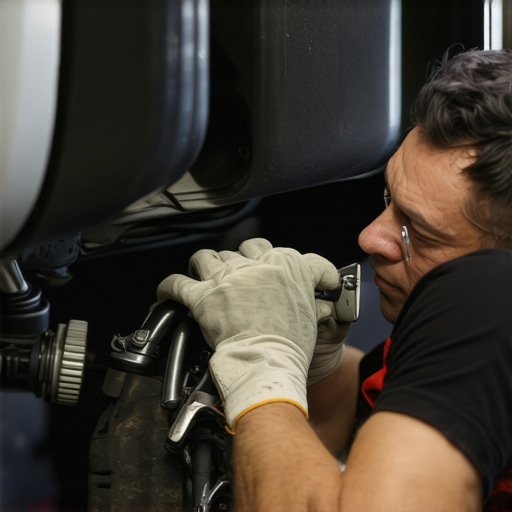
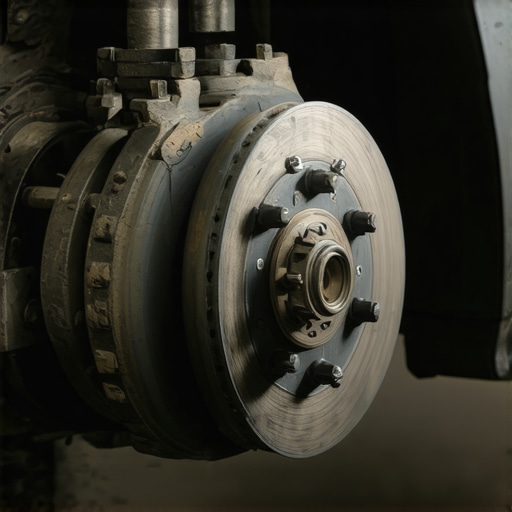
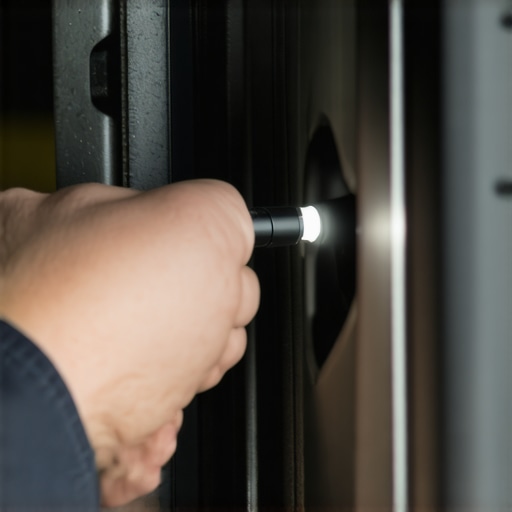
Without removing the wheels, visually examine the brake calipers and pads through the openings in the wheel rim. For steel wheels, using a flashlight can help illuminate the area. Look for signs of excessive wear, such as very thin friction material—less than a quarter of an inch—or uneven pads. During my last check, I used a small mirror attached to a stick to see between spokes, which revealed uneven wear patterns I hadn’t noticed before. This simple trick saved me from an unexpected brake replacement.
Measure Brake Pad Thickness Using a Gauge or Coin
Use a brake pad gauge or even a common coin like a quarter to estimate pad thickness. Place the coin against the pad; if you can see the metal backing emerging or the pad is thinner than the coin’s thickness, it’s time to consider replacing it. This quick assessment is surprisingly accurate and helps prevent dangerous brake failure. Remember, consistent monitoring can extend brake life and enhance safety.
Check for Signs of Damage or Excessive Dust
Look for cracks, glazing, or uneven wear spots around the visible parts of the brake pads. Excessive dust accumulation on the wheel rim can also indicate aggressive brake usage or pad material breakdown. Regularly cleaning the dust helps maintain accurate visual inspections. In my experience, a quick wipe with a clean cloth can reveal underlying issues like uneven pad wear that may require professional attention.
Test Brake Response and Feel
With the vehicle still on the ground, gently press the brake pedal to see if it feels spongy or soft. A brake pedal that sinks or requires more effort indicates worn pads or other issues. During a recent test drive, I noticed a slight softness that I initially attributed to pad wear; further inspection confirmed it was due to a deteriorated brake fluid seal, which I had overlooked. Combining pedal feel with visual cues provides a comprehensive understanding of brake health.
Extend Inspection with Sound and Performance Checks
Listen for squealing or grinding noises when braking, which often signal worn pads. Also, pay attention to any pulsing or vibrations during braking, possibly indicating warped rotors. These symptoms are clues that, although visible inspection is valuable, professional assessment may be necessary if issues persist. My own experience with persistent squealing led me to replace the pads early, avoiding more costly rotor damage later.
 Many car owners assume they understand everything about vehicle servicing, but in reality, common misconceptions can lead to costly mistakes. One widespread myth is that an oil change is solely about replacing old oil; however, not all oils are equal, and the choice can significantly impact engine longevity, especially with modern GDI engines that require synthetic oil for optimal performance according to experts. Another misconception is that ‘ASE certified’ technicians always deliver perfect service, but the certification only indicates a base level of competence, not an obsession with technical nuance or ongoing education. To truly benefit, consumers need to dig deeper into what guarantees quality enhancement and troubleshooting skills really mean.
Maintaining your vehicle’s health over time requires more than just routine oil changes; it involves the right tools, disciplined methods, and understanding how to leverage technology for diagnostics and preventive care. As cars become more sophisticated, so do the tools needed to keep them in top shape. Here, I’ll share specific equipment and practices I personally rely on, along with insight into future trends in vehicle maintenance.
Why a Quality OBD-II Scanner Is a Must-Have
For car owners serious about ongoing maintenance, investing in a reliable OBD-II scanner is essential. I personally use the BlueDriver Professional Scan Tool because it offers comprehensive diagnostics, reads manufacturer-specific codes, and provides detailed explanations. This device connects directly with your smartphone, allowing real-time monitoring of engine parameters, transmission health, and emission systems. Regularly scanning your vehicle can detect trouble codes early, preventing costly repairs and ensuring safe operation. Future advancements point toward integrated systems that can predict failures before warning lights even pop up, making proactive maintenance easier than ever.
Using a Digital Torque Wrench to Maintain Proper Fastener Tightness
One often overlooked aspect of car maintenance is ensuring all fasteners—particularly those on critical components like transmission mounts or suspension parts—are tightened to torque specifications. I use a Digital Torque Wrench because it guarantees precise application of torque, avoiding over-tightening or under-tightening, which can cause long-term damage. Consistent use of this tool extends the lifespan of components and avoids repetitive issues caused by improper assembly. As newer vehicles incorporate more aluminum and composite parts, tools like these become even more crucial to prevent damage during maintenance.
Learning to Use a Vibration Analysis Tool
Detecting issues like wheel bearing failures or transmission shuddering can sometimes be challenging through visual inspection alone. I recommend a Vibration Analyzer, such as the Fluke 805 handheld device, which captures and analyzes vibrations with high sensitivity. This allows you to identify imbalances or mechanical faults early, often before symptoms become severe. Integrating vibration analysis into routine maintenance helps in diagnosing issues with minimal disassembly—saving time and money. In the near future, AI-enhanced vibration systems will offer even more accurate diagnostics through machine learning algorithms.
How do I keep my vehicle in top shape over years?
The key is consistent, proactive maintenance using the right tools. Regular transmission fluid checks, leveraging advanced diagnostics, and understanding when to seek professional help based on data from these tools can prevent breakdowns. For instance, transmission maintenance is critical, especially if you notice slippages or hesitation. Keeping updated with tools like the ones I mentioned ensures your vehicle remains reliable for thousands of miles to come.
Remember, technology in vehicle maintenance is rapidly evolving. Embracing these tools today prepares you for the advanced diagnostics and predictive maintenance techniques of tomorrow. I highly recommend trying out a quality OBD-II scanner and learning how to interpret the data it provides—it’s an empowering step towards becoming more independent in car care.
Small Secrets That Saved My Engine and Wallet
One of the most eye-opening lessons I learned was the importance of listening to my car’s subtle cues. For example, a slight vibration at high speeds or a weird smell during acceleration signaled more than just inconvenience—it indicated underlying issues that, if addressed early, saved me from costly repairs. These tiny signs, often overlooked, can be your best allies in maintaining vehicle health.
Another critical insight was never underestimating the value of quality tools. Using a dependable ASE certified mechanic or investing in a reliable OBD-II scanner transformed my DIY approach from guesswork into precision maintenance. It’s incredible how data-driven decisions keep your vehicle running smoothly longer.
Finally, I discovered that understanding the nuances of your car’s systems—like how synthetic oils outperform conventional ones—makes a tangible difference. Implementing the right maintenance rituals, armed with expert advice, fosters confidence and peace of mind. Trust me, once you internalize these lessons, every mile becomes safer and more enjoyable.
Gear I Swear By for Better Car Care
For those serious about vehicle longevity, I recommend the top oil change tips that ensure your engine stays protected under all conditions. Pair that with a trusted service provider who emphasizes preventative care rather than reactive fixes. Tools like a digital torque wrench also help me tighten bolts correctly, extending the lifespan of critical components.
And don’t forget about vibration analysis devices—they are revolutionizing diagnostics, catching issues early before symptoms manifest. Integrating these tools has made my maintenance routine not only more efficient but also more rewarding.
Keep Your Drive Alive and Thriving
Embarking on proactive car care isn’t just technical—it’s a mindset shift towards responsibility and confidence. Every check, every tool, and every learned lesson compounds into a safer journey on the road. Remember, the goal isn’t just to fix things when they break but to prevent failures altogether. So, I challenge you to pick one new maintenance practice this week—maybe inspecting your brake pads or updating your diagnostic tools—and see how it transforms your driving experience. What’s the first step you plan to take towards mastery in car care? Let me know below.