Why Synthetic Oil is Mandatory for Modern GDI Engines
It all started with a simple oil change—something I’d done countless times before—until I noticed my engine sputtering during a hot summer drive. That unsettling moment, feeling my car struggle just when I needed it most, made me realize I was missing a crucial piece of the puzzle: the type of oil I was using. Like many car owners, I had blindly trusted conventional oil, unaware of how much the modern technology packed into my vehicle required something smarter. Today, I want to share my journey from complacency to clarity, and how embracing synthetic oil transformed my engine’s performance and longevity.
The Reality of Modern Engines: Why Oil Choice Matters More Than Ever
If you own a vehicle with Gasoline Direct Injection (GDI), you’re already dealing with a technology that’s both powerful and complex. These engines spray fuel directly into your cylinders for better efficiency, but this innovation comes with a new set of problems—namely, increased vulnerability to carbon buildup and oil degradation. During my early car maintenance days, I underestimated the importance of matching my oil to my engine’s specific needs. I learned the hard way that using regular, conventional oil in a GDI engine isn’t just a bad idea—it can lead to serious damage and costly repairs.
According to research by the Society of Automotive Engineers, modern engines with GDI technology are more prone to carbon deposits, which can reduce efficiency and accelerate wear. This is precisely why synthetic oil, with its superior chemical stability and cleansing properties, isn’t just a luxury anymore—it’s a necessity. Synthetic oils are designed to withstand higher temperatures, provide better lubrication, and resist breakdown over time, especially critical in the high-pressure environment of a GDI system.
Ever wonder why your car’s performance has declined despite regular oil changes? Or why your engine feels sluggish even after a recent service? Trust me, I’ve been there. The mistake I made early on was neglecting to upgrade my oil type as my engine’s demands evolved. If you’re still on conventional oil, you might be unknowingly accelerating wear and reducing your engine’s lifespan.
Have you experienced similar issues or wondered if your oil choice is holding your engine back? You’re not alone—and the good news is, the solution is within reach. In the upcoming sections, I’ll guide you through the reasons why synthetic oil is essential for your GDI engine and how you can ensure you’re giving it the best care possible. If you’re curious about how certified technicians approach these upgrades, check out how ASE certification impacts your vehicle’s maintenance. Let’s get started on keeping your engine running smoothly and efficiently.
Gather Your Supplies and Prepare Your Vehicle
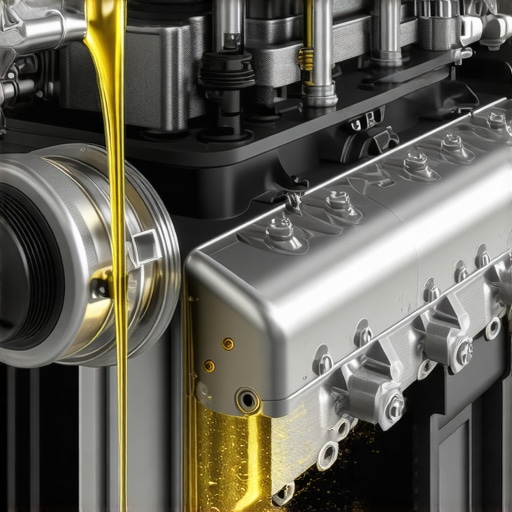
First, ensure you have high-quality synthetic oil recommended for your vehicle. Consult your owner’s manual or visit this resource to confirm the correct type and quantity. Park your car on a level surface, turn off the engine, and engage the parking brake. Allow the engine to cool for at least 30 minutes to avoid burns and ensure accurate oil drainage. Place a drain pan beneath the drain plug to catch the used oil.” alt=”Mechanic draining oil from a car” title=”Descriptive image of draining oil”/>When it comes to maintaining your vehicle, many car owners operate under misconceptions that can lead to costly mistakes. One widespread myth is that any mechanic with a flashy shop or high-priced tools is automatically qualified. In reality, true expertise is demonstrated through ASE certification—a rigorous standard that ensures technicians possess the necessary skills for complex diagnostics and repairs. Relying on ASE-certified professionals, as detailed in [this guide](https://autofixclinic.com/what-does-an-ase-certification-mean-for-your-cars-maintenance), can make a significant difference in the longevity of your vehicle.
Another common misconception is that oil changes are merely about replacing old oil. However, the nuances involve choosing the right type of oil for your engine’s specific needs. Modern engines, especially those with GDI technology, require synthetic oils with superior chemical stability to prevent sludge buildup and wear. As I learned the hard way, neglecting these details can accelerate engine deterioration. Don’t fall into the trap of skipping or delaying high-quality oil changes; instead, see them as a crucial step outlined in [top oil change tips](https://autofixclinic.com/top-oil-change-tips-for-safe-driving-in-2025).
Many assume that transmission issues are always obvious or that a quick fluid top-up can fix shifting problems. But transmission failure often hides beneath the surface, with symptoms like slipping or shuddering indicating deeper issues. Regular [transmission maintenance](https://autofixclinic.com/transmission-troubles-expert-insights-for-smooth-shifting) includes precise fluid testing, filter replacement, and sometimes, a cooler upgrade to prevent overheating. Overlooking these nuanced steps can lead to serious, irreparable damage.
A common pitfall is trusting the mechanic’s diagnosis without understanding the importance of expertise. For instance, a certified ASE technician doesn’t just identify problems—they also evaluate the root causes to prevent recurring failures. This holistic approach is essential for complex components like the suspension or braking systems. For a detailed look into how to verify your technician’s credentials, visit [here](https://autofixclinic.com/what-does-an-ase-certification-mean-for-your-cars-maintenance).
Now, let’s address an advanced question that many car enthusiasts ponder: How do modern diagnostic tools improve the accuracy of repairs over traditional methods? Advanced diagnostics allow technicians to detect subtle, often invisible issues—like partial transmission solenoid failures or hidden engine misfires—before they escalate. According to automotive expert insights, such tools reduce guesswork and improve repair longevity, saving vehicle owners significant money in the long run. Embracing these technological advantages is a sign of true expertise.
Are you aware of the complexities behind routine maintenance tasks or the importance of certified technicians? Many underestimate the value of proper car service, leading to premature wear or expensive repairs. My advice: always prioritize professionals with proven credentials and stay informed about the nuances of modern vehicle care. Feel free to share if you’ve fallen into a maintenance trap or discovered a pro you trust. Let’s keep the conversation going—your vehicle’s health depends on it.
Investing in the Right Equipment for Reliable Maintenance
When it comes to ensuring your vehicle remains in peak condition, having the proper tools isn’t just an option—it’s a necessity. I personally rely on a high-quality digital multimeter, such as the Fluke 115, because it provides precise voltage and continuity readings essential for diagnosing electrical issues accurately. Beyond that, a professional-grade scan tool like the Autel MaxiSys MS909 allows me to access advanced vehicle modules, read and clear codes, and monitor live data streams, which is invaluable for catching problems before they escalate. These tools help me perform thorough diagnostics, saving time and preventing unnecessary repairs.
Adopting Software and Methods That Turn Data Into Action
Modern cars generate a wealth of data, and leveraging the right software can make all the difference. I use a combination of OEM-specific diagnostic software—like the Toyota Techstream or Ford IDS—for precise insights directly from the manufacturer’s databases. Pairing these with a robust aftermarket solution like OBDLink MX+ enables seamless Bluetooth connectivity across multiple vehicles, making it easier to monitor live sensor data and interpret trouble codes. Regularly reviewing this data helps me identify subtle issues, such as slight transmission temp variations, that can hint at impending failures. According to automotive diagnostic experts, integrating these tools with a systematic approach ensures long-term vehicle health.
Implementing Preventative Maintenance Routines with Precision
Long-term results hinge on a proactive maintenance schedule. I recommend setting reminders based on your vehicle’s specific service intervals—these can be communicated through apps linked to your vehicle’s telematics or physical logs. For example, scheduling oil changes with synthetic oil at proper intervals, as outlined in this resource, prevents sludge buildup and reduces engine wear. Additionally, inspecting transmission fluid, brake pads, and filters regularly allows you to address issues early, extending your vehicle’s lifespan and avoiding costly repairs down the line.
Scaling Maintenance as Your Fleet Grows
If you manage multiple vehicles, automation becomes essential. I recommend using fleet management software—like Fleetio or Verizon Connect—that integrates maintenance schedules, diagnostics, and repair histories. This not only streamlines scheduling but also provides insights into vehicle performance trends over time. For large operations, installing telematics sensors can monitor parameters like tire pressure, oil condition, and engine temperature in real-time, enabling swift intervention before breakdowns occur. As technology advances, predictive analytics will become more accessible, allowing fleet managers to anticipate problems before they arise—saving time and money.
Making Maintenance Work for Your Future
The future of vehicle upkeep is heading toward increased automation and smarter diagnostics. Innovations like AI-driven predictive maintenance and vehicle-integrated IoT sensors will soon predict failures with startling accuracy. Staying ahead requires embracing these advancements now. I encourage you to try out an advanced diagnostic scanner or scheduling tool to see immediate improvements in your maintenance routine. These investments not only prolong your vehicle’s life but also give you peace of mind knowing you’re addressing issues proactively.
Keep Equipment in Top Shape for Optimal Results
Implementing regular calibration and cleaning of your diagnostic tools ensures accuracy over time. For instance, re-calibrating your multimeter annually maintains measurement precision, which is vital when diagnosing electrical problems. Similarly, updating your scanner software regularly ensures compatibility with the latest vehicle models and diagnostic protocols. These small but crucial steps can significantly improve your ability to maintain vehicles effectively, especially as newer driver-assist and electronic control systems become more sophisticated. For a detailed guide on maintaining your tools, visit this article.
How do I sustain this level of maintenance over time?
Consistency is key. Set up a dedicated schedule for equipment checks, software updates, and routine inspections. Additionally, staying informed about emerging diagnostic technologies through industry forums or certification courses keeps your skills sharp. Prioritize training on the latest tools and software—like those offered in ASE certification programs—to ensure your methods evolve with vehicle technology. Remember, investing in quality tools and continuous learning pays dividends in vehicle reliability and safety.
Over the years, I’ve learned that there’s more to caring for a vehicle than just pulling into a service station. Behind every successful maintenance routine are small, less obvious lessons — secrets that could mean the difference between a smooth ride and costly repairs. Sharing these insights can empower you to make smarter choices and extend your engine’s lifespan beyond what typical oil changes or routine checks might suggest.
Lessons I Wish I Knew Before Relying on Quick Fixes
- Quick fixes often mask deeper issues. I used to believe a simple top-up or a quick filter change was enough, but neglecting comprehensive diagnostics—preferably with a certified ASE technician—can lead to recurring problems. Discovering that many symptoms are linked to overlooked factors like transmission cooler health or ECU diagnostics changed my approach completely.
- Not all tools are created equal. Investing in professional-grade diagnostic equipment, like the Autel MaxiSys MS909, provided me with insights I couldn’t get from generic scanners. This changed how I prioritize repairs, focusing on root causes instead of temporary fixes.
- Understanding vehicle technology is vital. Modern engines, especially those with GDI, need specific maintenance strategies—like premium synthetic oil intervals—to prevent carbon buildup. Realizing this encouraged me to question standard service packages and seek tailored solutions.
- Certification matters more than shop reputation. Trusting an ASE-certified technician isn’t just a badge—it’s a commitment to quality. I had overlooked this, which resulted in unnecessary replacements. Now, I always verify credentials before any serious work.
- Preventative steps save money in the long run. Simple routines like monitoring fluid condition with proper tools or routinely inspecting ignition components can prevent bigger failures—lessons that shifted my maintenance paradigm from reactive to proactive.
Tools and Resources That Boost Vehicle Reliability
- ASE Certification Guide: My go-to resource to understand what credentials truly mean and how technicians earn the skills to handle complex systems.
- Advanced Diagnostic Scanners: Devices like the Autel MaxiSys allow me to perform in-depth analysis—crucial for modern, electronics-heavy engines.
- Quality Oil and Filter Brands: Investing in top-tier synthetic oils and matching filters, supported by [trusted tips](https://autofixclinic.com/top-oil-change-tips-for-safe-driving-in-2025), ensures better engine health.
- Specialized Maintenance Schedules: Customized routines, including transmission and cooling system checks, are essential—more than just regular oil changes.
- Fleet Management Software: For multiple vehicles, tools like Fleetio streamline maintenance and spot potential issues early.
Keep Your Passion Alive With a Drive for Better Care
Every vehicle has potential beyond just basic upkeep. With the right knowledge, tools, and mindset, you can transform routine maintenance into a safeguard for longevity and performance. For me, embracing tech innovations and professional standards gave a new lease on life for my engine—and I believe it can do the same for you. Today, it’s not just about fixing cars; it’s about mastering their secrets and respecting their complexity.
Your journey toward smarter vehicle care starts now—are you ready to take the first step?