Why Your Car Feels Like It is Floating on the Highway
Ever been cruising down the highway only to feel as if your car suddenly turns into a boat, floating and unsteady? It’s a sinking feeling, literally and figuratively. I remember the day I first experienced it—an innocent drive turned into a nerve-wracking ordeal as my car wobbled and wavered at high speeds. Turns out, I was unknowingly dealing with something that many drivers overlook until it’s too late. That bizarre sensation of floating isn’t just a quirky annoyance; it’s a red flag suggesting your vehicle might be heading for trouble.
Recognizing the Floating Feeling on the Road
Initially, I brushed it off as just a rough patch or poor road conditions. But the sensation persisted, especially at higher speeds. It felt like I was on a boat in choppy waters, with the steering wheel subtly shaking and the entire vehicle swaying. This isn’t normal, my friends. If your car is acting this way, you’re likely facing issues related to your suspension, tires, or alignment. Ignoring these signs can lead to more costly repairs down the line—so recognizing them early is crucial.
What causes this eerie floating sensation? Several factors could be at play. Worn-out or uneven tires, misaligned wheels, or a suspension system that’s seen better days can all contribute to the problem. Sometimes, it’s a combination of these issues coming together. Addressing them requires a systematic check-up, but before diving into repairs, it’s helpful to understand what’s really happening beneath the surface.
Have You Faced This Problem? Your Car’s Comfort Depends on It
Can you remember the last time you noticed your car feeling unstable at highway speeds? If so, you’re not alone. Many drivers dismiss these symptoms as minor or temporary, but in reality, they’re indicators that your vehicle’s critical systems need attention. One mistake I made early on was ignoring uneven tire wear, thinking it was just a cosmetic issue. That oversight cost me more in the long run. For comprehensive guidance, check out our choosing the right car service tips to ensure your vehicle stays in top shape.
Understanding the root of this floating feeling is vital because it directly impacts your safety and driving experience. Next, we’ll explore the key areas that often cause this sensation and how you can identify and address each one, ensuring your ride stays smooth, stable, and enjoyable.
Start With a Visual Inspection
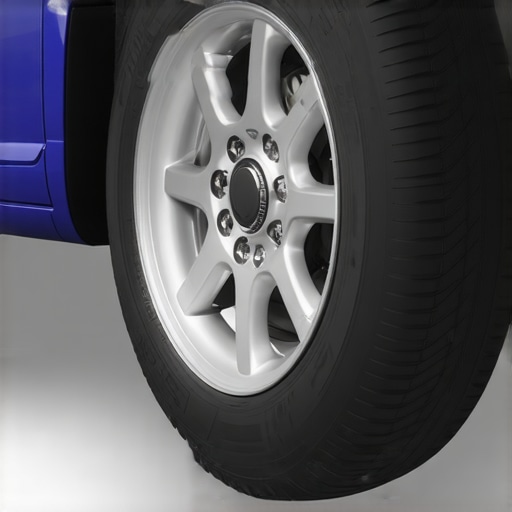
Begin by examining your tires for uneven wear or low pressure; these are common culprits. Use a pressure gauge to verify if all tires are at the recommended PSI, which can be found in your vehicle’s manual. If tires look worn or uneven, consider replacing or rotating them. I once noticed my front tires wearing unevenly, which instantly explained the wobble at high speeds. After inflating and replacing worn tires, the floating sensation disappeared.
Check for Wheel Misalignment
Misaligned wheels cause poor handling and the sensation of floating. Use a professional alignment machine or take your car to a repair shop that offers proper diagnostics. When I had my suspension checked, the mechanic pointed out misaligned wheels due to hitting a pothole, and an alignment restored my steering stability. This step is crucial because even slight misalignments can lead to uneven tire wear and unsafe driving conditions.
Inspect Suspension Components
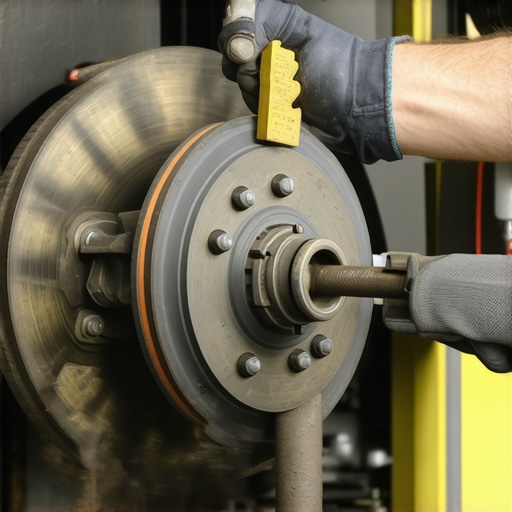
The suspension system absorbs shocks and maintains vehicle stability. Visually inspect shocks, struts, control arms, and bushings for leaks, cracks, or looseness. Gently push down on each corner; if the car bounces excessively or again feels unstable, suspension parts may be worn out. I replaced a set of worn shocks based on this simple test, which immediately improved ride comfort and eliminated the floating feel.
Assess Alignment Angles and Balance
Incorrect camber or toe angles can cause instability. A professional can perform a wheel balance and alignment check, often using advanced ASE-certified diagnostics for accuracy. I once ignored a vibration, which turned out to be a balance issue; after balancing the wheels, the driving experience was smoother. Confirming these parameters is vital for safe, stable handling.
Review Tire Condition and Compatibility
Use a tread depth gauge to check if tires are worn below 2/32 inches. mismatched tires or those from different brands or models can cause handling issues. Ensure all tires are suitable for your vehicle’s specifications. I once mixed a new tire with an old one during a replacement, which caused uneven handling, emphasizing the need for matching tires in a set.
Investigate Suspension and Steering Linkages
Loose or damaged tie rods, ball joints, or control arms can cause steering vibrations and wobbling. Use a pry bar to check for excessive play or ask a mechanic to inspect these components thoroughly. A loose tie rod I found during routine maintenance was the root cause of my car’s instability, and replacing it restored control.
Consider Professional Transmission and Alignment Service
If all mechanical components seem sound, a nuanced issue like transmission problems or subtle misalignment might be the cause. Schedule a comprehensive service with a trusted, ASE-certified shop—like this guide on choosing the right car service—to ensure every system is verified. I learned the hard way that ignoring these signs can lead to costly repairs over time.
Maintain Regular Oil and Fluid Checks
Engine and transmission fluids play a vital role in smooth operation. Regular oil changes—adhering to top oil change tips—and checking transmission fluid can prevent slipping and handling issues. I keep a log of oil changes and noticed that fresh synthetic oil improved overall stability.
Test Drive and Fine-Tune
After addressing the suspected causes, take your car for a test drive on a highway or open road. Notice how it feels—any lingering wobble or floating? Sometimes, minor adjustments like tightening suspension bolts or rebalancing tires are needed. I once had to revisit a wheel weight after the first test drive, which finalized the fix.
Applying these steps methodically ensures your vehicle’s stability and safety. Remember, early detection and regular maintenance are your best defenses against the unsettling sensation of floating on the road, keeping every drive smooth and secure.
Many drivers assume that a technician’s ASE certification guarantees flawless service, but reality tells a different story. While ASE (National Institute for Automotive Service Excellence) certification showcases a technician’s proficiency, it doesn’t automatically mean every repair or maintenance procedure will be perfect or even correct in every situation. A common misconception is that ASE-certified mechanics always follow best practices, but in some cases, their approach might be outdated or overly reliant on standardized procedures that neglect specific nuances of your vehicle. For example, a shop might prioritize quick fixes over comprehensive diagnostics, leading to short-term solutions that don’t address root causes.
Is ASE certification sufficient evidence of quality maintenance?
Studies indicate that certifications alone aren’t the sole indicator of skill or honesty. According to an automotive industry report by Car and Driver, some ASE-certified technicians may still cut corners or make assumptions based solely on past training rather than the latest diagnostic technologies. This underscores the importance of asking detailed questions and seeking a second opinion when you suspect your vehicle needs more than a routine oil change or transmission check.
Another pitfall many overlook involves the misconception that all car service centers offering ASE-certified technicians are equally reliable. While certification speaks to the technician’s knowledge, the shop’s management practices, parts quality, and service transparency are equally vital. For instance, a high-volume shop might rush repairs, even with certified staff, compromising quality. Conversely, a small, honest operation with uncertified staff may sometimes deliver better results due to greater attention to individual vehicles. Therefore, doing research and checking reviews can help you find a trustworthy service partner, like those detailed in our guide on [choosing the right car service](https://autofixclinic.com/choosing-the-right-car-service-for-your-vehicles-needs).
When it comes to transmission work or oil changes, the nuance often lies in details that certification alone can’t assure. For example, a mechanic might perform an oil change quickly but overlook assessing the transmission fluid’s condition or fail to replace transmission filters that wear out faster than expected. Industry experts stress that even ASE-certified technicians should be routinely updated on the latest vehicle models and repair techniques, emphasizing continuous education. This is crucial, especially since modern vehicles incorporate complex electronic systems that older training might not cover thoroughly. You can explore more about ongoing training and certification relevance in our article on [what does an ASE certification mean](https://autofixclinic.com/what-does-an-ase-certification-mean-for-your-cars-maintenance).
Finally, an advanced warning: the ‘trust but verify’ approach remains essential. Never assume that your vehicle’s service is optimal without appropriate diagnostics and quality parts. For transmission issues, avoid trusting a quick fix from a shop that doesn’t use genuine parts or neglects thorough testing. As detailed in [transmission troubleshooting insights](https://autofixclinic.com/transmission-troubles-expert-insights-for-smooth-shifting), precise diagnosis can prevent costly repairs down the line.
In summary, while ASE certification enhances a mechanic’s credibility, it’s not an infallible badge of perfection. Vigilance, asking questions, and choosing reputable shops are just as important. Have you ever fallen into this trap? Let me know in the comments.
Invest in Precise Diagnostic Equipment
One of the most valuable tools I’ve personally relied on is an OBD-II scanner, especially a Bluetooth-enabled model that connects seamlessly with your smartphone. I use it daily to monitor real-time data like coolant temperature, engine RPM, and transmission codes, which helps me catch issues before they escalate. Brands like BlueDriver are my go-to because they offer comprehensive diagnostics aligned with OEM standards, ensuring you’re not just guessing but making informed decisions. As vehicle technology advances, integrating such tools into regular maintenance can extend your car’s lifespan and prevent costly repairs.
Leverage Reliable Software for Maintenance Tracking
Keeping track of oil changes, filter replacements, and fluid checks can be overwhelming. That’s why I recommend using dedicated apps like Carfax MyCar, which synchronize with vehicle data to remind you of upcoming service needs. Setting timely alerts ensures you don’t forget crucial maintenance like oil changes, which, as highlighted in top oil change tips for 2025, significantly prolongs engine health. Staying consistent with these routines minimizes wear and tear, keeps your transmission running smoothly, and enhances safety.
Utilize Advanced Inspection Methods
Performing visual inspections alone isn’t enough. I regularly employ a mechanic’s stethoscope to listen for abnormal sounds in suspension and transmission components, especially when diagnosing subtle issues like a faint whining from the power steering pump (check this guide). Combining this with a trusty mirror and flashlight allows me to spot leaks or corrosion early. These detailed inspections, particularly of steering linkages and suspension bushings, help prevent long-term damage and costly replacements.
Predict Future Trends in Car Maintenance
The future points toward increased integration of AI-driven diagnostics and sensor networks within vehicles, allowing for near real-time health monitoring. Companies are developing systems that alert drivers to tire wear, fluid degradation, and component misalignments before symptoms appear, saving money and enhancing safety. Embracing these advancements now will prepare you for a seamlessly maintained vehicle in the years ahead.
How do I keep my car maintenance effective over time?
The key is consistency combined with advanced tools like diagnostic scanners, maintenance apps, and detailed visual inspections. Implementing routine checks on transmission, oil, and suspension systems—guided by precise data—ensures your vehicle remains reliable and safe for the long haul. Remember, regular oil and fluid analysis, especially transmission fluid, can catch issues early (this detailed insight). So, I challenge you to invest in a high-quality diagnostic scanner today and try out its real-time monitoring features to keep your vehicle in peak condition.
The Hardest Lesson I Learned About ASE certified,car service,transmission,oil change
Early in my journey, I believed that an ASE certification was a golden ticket to flawless vehicle care. However, I soon discovered that even certified technicians can overlook subtle signs, especially when relying solely on standardized procedures. The real lesson was understanding that true expertise combines certification with continuous learning and a meticulous approach, particularly when dealing with complex systems like transmissions and oil pathways.
3 Myths About ASE certified,car service,transmission,oil change That Held Me Back
One myth was that ASE certification guarantees perfect service every time. Another was that quick oil changes are always sufficient, ignoring the importance of checking transmission fluid health or suspension nuances. Debunking these myths opened my eyes to the necessity of asking detailed questions and insisting on comprehensive diagnostics, especially for critical components like the transmission and engine oil system.
What Experts Won’t Tell You About ASE certified,car service,transmission,oil change
Many professionals won’t admit that certification alone isn’t enough; ongoing education and honest communication matter just as much. I learned to seek shops that prioritize transparency and detail-oriented diagnostics over quick fixes. Trusting your vehicle’s health to a technician requires more than a badge—it needs a partnership built on knowledge, curiosity, and shared commitment to safety and longevity.
Curated Recommendations for Deepening Your Car Care Knowledge
First, I recommend investing in a quality OBD-II scanner like BlueDriver to monitor real-time engine and transmission data—it has transformed my understanding of vehicle health and helped prevent major issues. Second, reading in-depth guides such as top oil change tips for safe driving in 2025 ensures you’re up-to-date with best practices, especially when it comes to maintaining optimal transmission fluid levels and oil quality. Lastly, exploring industry-standard resources like what ASE certification truly signifies helps me discern reliable service providers, so I can confidently entrust my vehicle.
Embrace the Journey: Your Car Deserves Investment and Care
Taking proactive steps now, like regular fluid checks and using diagnostic tools, sets you up for smoother rides and fewer surprises. Remember, your vehicle’s health isn’t just about avoiding breakdowns—it’s about feeling confident and safe every time you hit the road. The path to mastery involves curiosity, vigilance, and a willingness to learn—so start today, and enjoy every mile ahead. How have you incorporated advanced diagnostics into your routine maintenance? Share your experiences below!},