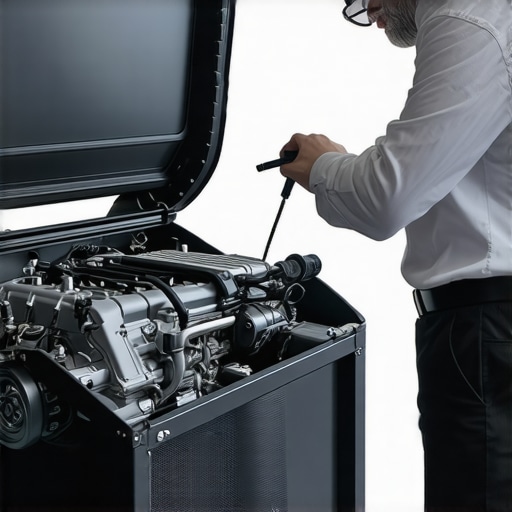
How to tell if your ASE tech is overcharging for simple labor
I remember the first time I took my car in for a simple oil change feeling so confident. It was a Tuesday morning, and I figured, how complicated could it be? But when I got the bill, my stomach dropped. The charge was nearly double what I expected—and for what should have been a five-minute job. That lightbulb moment got me wondering: am I being overcharged? And more importantly, how can I tell if my mechanic is padding the bill for basic tasks like oil changes or fluid top-offs? If you’ve ever felt that sting of surprise at the checkout, you’re not alone. Many car owners face this dilemma—trusting a technician but fearing a hidden upcharge lurking behind the bill.
Why You Need to Be Wary of Overpriced Simple Repairs
Understanding whether you’re being overcharged isn’t just about saving money; it’s about knowing your vehicle is being treated fairly and your hard-earned cash isn’t going toward unnecessary expenses. Overcharging for simple labor can lead to bills that drain your budget, especially if you don’t catch it early. The good news? With some basic knowledge, you can spot inflated charges and prevent being taken for a ride. In fact, many auto repair scams involve charging for work that either wasn’t done or could be completed quickly and cheaply. Being vigilant is your best defense. Want to learn how to identify these sneaky tactics? I’ll walk you through some straightforward checks you can perform—without needing to be a mechanic yourself.
Is It Really Overcharging or Just Honest Mistake? That’s the Skeptic in You
One common mistake I made early on was trusting every invoice without question. I assumed that certified mechanics knew best, but turns out, even ASE-certified technicians can sometimes slip in extra charges. According to what ASE certification really means, credentials are vital, but they don’t guarantee the bill is fair. So, how do you differentiate between a legitimate charge and an overcharge? That’s what I’ll help you decipher in the upcoming sections.
Start with Basic Research and Preparation
Before heading to the mechanic, familiarize yourself with the typical costs for the service you need. Use reputable sources like top oil change tips to understand standard prices. This groundwork helps you recognize when a quote exceeds average costs and prepares you to ask targeted questions. For example, I once called around for an oil change and learned that the typical price ranged between $40 and $70, depending on the oil type and vehicle. When my mechanic quoted me $120, alarm bells rang, prompting me to question the details.
Inspect the Invoice for Itemized Charges
Always request a detailed, itemized invoice. Break down labor, parts, fluids, and additional fees. Think of it like a receipt for groceries—if something seems excessive or unnecessary, question it. I once noticed an extra charge for a ‘fluid top-off’ that I knew I hadn’t authorized; raising the issue led to a correction. This approach prevents hidden fees from slipping through. Remember, reputable shops will be transparent and willing to discuss charges openly. The ASE certification indicates trained professionals, but their honesty depends on you double-checking their work.
Compare Prices and Services with Other Shops
Don’t settle for the first quote. Call a few local mechanics or check online reviews to gauge what others pay for similar services. Imagine it as shopping for a new gadget—comparison saves you money. When I needed my transmission fluid replaced, I called three shops within my neighborhood. One offered a full service for $150, another $200, and the last was at $180. The discrepancy in pricing was enough to prompt me to inquire further, revealing that some shops added unnecessary fees or used premium fluids when standard would suffice. Established shops often provide packages that include checks of related components, like belts or filters—additional value that justifies higher prices.
Learn Key Vehicle Maintenance Details
Knowing basic upkeep requirements arms you with leverage. For instance, understanding that regular oil changes prevent engine damage helps you question any vague or inflated charges related to oil services. Similarly, recognizing that a transmission might need fluid changes every 30,000 to 60,000 miles prepares you to verify whether the shop recommends unnecessary repairs. I once declined a transmission flush because I understood it wasn’t required at that mileage, avoiding a $250 expense. Keep your vehicle’s service schedule handy, and don’t hesitate to ask the mechanic to show you the parts or fluids being replaced, aligning with your car’s maintenance manual.
Question Unnecessary or Excessive Repairs
Be skeptical of suggested repairs that seem unrelated or overly aggressive. If the mechanic recommends replacing parts that are not exhibiting issues—or if reports are vague—seek a second opinion. For example, I was told my car needed a new transmission because of a Many car owners believe that simple tasks like oil changes or choosing an ASE-certified mechanic are straightforward and foolproof. However, let’s dig deeper into some common misconceptions and hidden nuances that could cost you dearly if overlooked. For instance, while ASE certification (which you can verify through this guide) indicates a mechanic’s qualifications, it doesn’t necessarily guarantee honesty or specialized expertise in your specific vehicle model. Some shops might showcase their ASE badges but still cut corners or recommend unnecessary services, especially if they aren’t familiar with nuances of advanced systems like turbocharged engines or modern transmissions.
Are All Oil Changes Equal, or Is There a Hidden Trap?
Contrary to popular belief, not all oils are created equal, and service intervals are more nuanced than simply 3,000 miles. Modern synthetic oils can last vastly longer, but many shops still push for unnecessary frequent changes to increase profit. Moreover, a premium oil change isn’t just about the oil itself; it involves inspecting filters, gaskets, and fluid levels, which, if neglected, can lead to costly engine damage. Relying solely on generic recommendations without understanding your vehicle’s specific needs can be risky. Research shows that engine wear patterns vary significantly depending on driving habits and climate, so blindly following standard intervals might do more harm than good (more here). Make sure to ask your mechanic about the type of oil suited for your driving conditions and vehicle age. ” alt=”Engine oil being poured into a vehicle” title=”Proper engine oil application”/>Understanding transmission maintenance also requires attention to detail. Many assume that new transmission fluid lasts forever, but according to transmission experts, regular fluid checks and changes prevent costly failures. Some shops may recommend a full flush when only a simple drain-and-fill suffices, especially if the transmission shows no signs of distress. An unnecessary flush can dislodge debris that then clog sensitive components. Recognizing the signs of transmission health is underrated; subtle symptoms like delayed shifts or slipping could indicate deeper issues that aren’t addressed by overly aggressive maintenance routines.
Ever wondered about the myth that all car services are the same? The truth is, the quality of parts, technician expertise, and diagnostic tools make a significant difference. Cutting corners may save a few dollars upfront but can lead to exponential costs down the line, especially for complex systems like turbo engines or hybrid transmissions. Always ask for detailed, transparent quotes and consider shops that specialize in your vehicle type. Before scheduling maintenance, review your vehicle’s owner manual and consult trusted sources to understand what’s actually necessary rather than what’s sales-driven.
Are you cautious about trusting every claim at your local shop? You’re not alone, and it’s worth re-evaluating some assumptions. Do some research, ask detailed questions, and enable yourself to make informed decisions. Remember, regular maintenance is about proactive care — not reactive fixes. Have you ever fallen into this trap? Let me know in the comments.
Investing in Reliable Maintenance Tools
Maintaining your vehicle over the long term requires more than just basic knowledge; it demands the right equipment. I personally rely on a high-quality digital multimeter for diagnosing electrical issues, such as checking the alternator or battery health. A trusted multimeter allows me to quickly verify if the charging system is functioning correctly, saving time and preventing unnecessary trips to the mechanic. Additionally, a good set of car-specific diagnostic scan tools, like an OBD-II scanner, is invaluable. I prefer models that connect wirelessly to my smartphone, providing real-time data and freeze-frame fault codes, which help me understand engine issues before seeking professional help. This proactive approach helps prevent minor problems from escalating into costly repairs, especially when dealing with complex systems like transmissions.
Tools That Make Routine Checks Easier
For regular maintenance, I swear by a torque wrench calibrated for automotive use. Proper torque settings are crucial when tightening lug nuts or adjusting critical components, as over-tightening can lead to damage, while under-tightening might cause parts to loosen unexpectedly. I also keep a magnetic oil drain plug with a built-in magnet—this simple addition traps metal shavings and debris, offering early warning signs of engine wear. For fluid inspection, I use a transparent funnel with measurement markings to ensure the correct amount of fluids during top-offs or replacements. These small, specific tools streamline maintenance routines and help catch issues early, such as irregular metal particles in oil that could hint at transmission wear, which is discussed comprehensively in Transmission maintenance tips.
Routine Software Checks Keep Vehicles Running Smoothly
Beyond physical tools, I regularly utilize diagnostic software that interfaces with my vehicle’s onboard computer. These programs allow me to clear error codes, monitor real-time sensor data, and even perform system tests. For example, with the right software, I can verify if the transmission control module (TCM) is functioning optimally or if there are lurking issues that haven’t yet triggered warning lights. As vehicle electronics become more sophisticated, having access to reliable diagnostic software is a game-changer. I recommend investing in reputable tools compatible with your vehicle make and model. Keep in mind, as vehicle technology accelerates, so does the need for updated diagnostic systems—predicting where trends are headed, DIY diagnostics will become more sophisticated and accessible, reducing reliance on costly dealer visits.
How do I maintain my tools and diagnostics over time?
Maintaining your tools is critical for accuracy and longevity. Regular calibration of torque wrenches and updating diagnostic software ensures precise readings. Store electronic devices in anti-static cases and keep mechanical tools clean and lubricated. Personally, I schedule quarterly checks for my tools, just as I do with my vehicle maintenance, to ensure they’re performing correctly. Reliable tools are crucial, especially when diagnosing complex issues like a slipping transmission—an issue that can stem from various causes, as detailed in transmission troubleshooting. For best results, follow manufacturer recommendations for calibration and software updates, and consider investing in high-grade equipment for durability and accuracy. These practices help ensure your maintenance efforts are effective, dollar-wise, and safe to rely on.
Start incorporating these tools into your routine maintenance today, and watch your vehicle’s health improve. By regularly inspecting and diagnosing issues early, you can extend your car’s lifespan, save money, and gain peace of mind on every drive.
What I Wish I Knew About Trusting Cheap Repairs
One of the most eye-opening lessons I learned was that not all inexpensive fixes are truly cost-saving. The temptation of a low-price oil change or fluid top-off often hides shortcuts and subpar parts that can cause long-term damage. Making assumptions about how affordable repairs really are once hidden costs are considered might lead you to ignore red flags, but the truth is, quality maintenance pays off. I’ve realized that investing a little more in certified, reputable service—like choosing an ASE-certified mechanic—ensures your vehicle’s health and saves you money over time. Remember, skimping now can cost you a lot more down the road, especially with critical systems like transmissions or engine oil.
Tools That Gave Me Peace of Mind and Savings
Over time, I discovered that the proper tools empower you to make smarter decisions about your vehicle. A quality OBD-II scanner became my go-to device for diagnosing issues before heading to the shop, saving me from unnecessary repairs. A calibrated torque wrench helps me avoid over-tightening lug nuts that could damage wheels or brake components. These tools have transformed routine checks into opportunities to spot small issues early—like metal shavings trapped on my oil drain plug, indicating engine wear, which I learned to recognize via trustworthy resources like regular oil change tips. Investing in them has been a game-changer for my vehicle longevity and wallet.
Forge Your Path Toward Smarter Maintenance
So, what’s stopping you from taking control of your car’s health? You don’t need to be a mechanic; just a curious owner willing to learn, armed with the right tools and knowledge. Regularly cross-referencing your vehicle’s needs with trusted advice online and keeping a close eye on invoices makes a significant difference. Remember, a simple habit—like asking for detailed, itemized bills or checking your car manual—can uncover unnecessary charges or outdated recommendations. The future of car maintenance is moving away from blind trust toward empowerment through education and smart choices. Whether it’s understanding the nuances between synthetic and conventional oils or knowing when a transmission fluid change is genuinely needed, taking small steps now will pay big dividends. So, are you ready to start making more informed decisions about your vehicle’s care? Share your thoughts with me below!