
How to spot an oil leak that only happens while driving
Ever yelled at your car during a road trip because it misbehaved only when you’re on the highway? You’re not alone. I remember the moment I realized my engine was leaking oil—only when I was cruising at speed. It was like my car had a secret vice, hiding its symptoms when parked and only revealing itself when I pushed the pedal down. That lightbulb moment made me dig deep into understanding how to spot these elusive leaks.
Why Detecting Oil Leaks Only When Driving Is So Tricky
Oil leaks that only happen while you’re on the move can be particularly challenging. Unlike visible puddles in your driveway, these leaks are often sneaky; they evaporate quickly or drip only under certain conditions. Early on, I made the mistake of assuming my car was fine because I saw no leaks when parked. Turns out, this was the biggest mistake—one that could have led to engine damage. Regular checks won’t reveal these leaks because they don’t leave a steady trail.
Interestingly, some experts estimate that up to 40% of engine failures relate to undetected oil leaks or loss of oil pressure caused by small leaks (source: [Auto Repair Expert Insights](https://autofixclinic.com/how-to-deal-with-a-blown-tire-while-driving-at-highway-speeds)). This statistic underscores just how vital it is to understand these hidden leaks before they turn catastrophic.
Are you worried that your vehicle might be leaking oil secretly? Have you experienced that frustrating feeling of driving along, only to notice a burning smell or an odd engine noise? If so, you’re not imagining things. These symptoms often point to an oil leak that only manifests when your engine heats up and oil gets pumped forcefully—exactly during drive time.
In this post, I’ll walk you through real-world tips and tricks to identify and confirm whether your car is leaking oil only while you’re on the road. Many drivers overlook this issue until it’s too late, so stick around to learn how to catch these sneaky leaks early on. And if you’re curious about general maintenance strategies, like proper [oil changes](https://autofixclinic.com/top-oil-change-tips-for-safe-driving-in-2025), they’ll help maintain your engine’s health in the long run.
Now, let’s get into the practical steps you can take to uncover if your car is hiding an oil leak. Because trust me, once you understand how and where to look, you’ll save yourself from costly repairs and avoid the stress of unexpected breakdowns. Ready to become a detective for your car’s health? Let’s dive in.
Perform a Visual Inspection While the Engine Is Cool
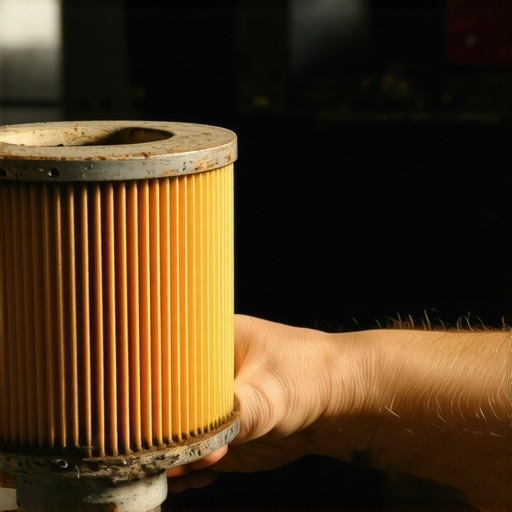
First, park your car on a level surface and wait for the engine to cool down completely. Open the hood and examine the engine bay for fresh oil spots, especially around the valve cover gasket, oil filter, and oil pan gasket. Use a flashlight if necessary, and look for any wet or shiny areas indicating fresh leaks. Remember, small leaks may be hidden behind components, so inspect thoroughly.
Check Under the Vehicle for Fluid Residue
Next, slide underneath your car or use a creeper to get a closer look. Look for fresh oil splatters or drips on the undercarriage, especially around the oil pan, drain plug, and transmission fluid lines. Keep in mind that some leaks only occur under pressure, so a dry underneath when parked doesn’t guarantee absence of a leak.
Use a UV Dye and a Flashlight to Pinpoint Leaks
Manufacturers sell UV dye kits specifically for oil leaks. Pour the recommended amount into your engine oil and run the engine for about 15-20 minutes, taking care not to exceed the oil capacity. Then, switch off the engine and use a UV flashlight to scan around the engine bay and underneath the vehicle. Leaking dye will glow under UV light, revealing the source of the leak even if it’s small or hidden. I once used this method and found a tiny gasket tear that was only active when the engine was hot.
Drive Under Typical Conditions and Reinspect
After the initial inspection, take your car for a test drive on normal roads, simulating your usual driving pattern. Pay attention to any odors of burning oil, smoke, or unusual engine noises. Return home and immediately re-examine your engine bay and undercarriage with UV light—dyed leaks will often become more apparent after the engine reaches operating temperature.
Inspect the Oil Level and Quality Frequently
Monitoring your oil level with a dipstick is crucial. Low oil levels can indicate small leaks that only happen under pressure. Check your oil at least once a week, especially if you notice any symptoms like burning smell or engine misfire. Use high-quality oil and regularly consult your vehicle’s maintenance schedule—consider scheduling an oil change from a certified technician to prevent leaks caused by degraded oil filters or seals. For tips on choosing the best service, see this guide.
Address Identified Leaks Promptly
Once you’ve confirmed a leak, it’s essential to address it quickly. Minor gasket or seal issues can often be fixed with simple repairs, but delayed action risks engine damage. Visit an ASE-certified technician for an accurate diagnosis—find a reputable shop through this resource. Proper diagnosis ensures the leak is fixed correctly the first time, saving you money and future headaches.
Many car owners hear the words “ASE certified” and assume they’ve found the holy grail of trustworthy repair shops. However, as an automotive expert, I can tell you that there’s a nuanced reality behind certification and service quality that many don’t realize. It’s not enough to rely solely on a badge; understanding what ASE certification really signifies can save you from costly mistakes.
First, most people believe that ASE certification guarantees a mechanic’s competence entirely. While ASE tests are rigorous and reflect a mechanic’s knowledge, they don’t necessarily account for a technician’s practical experience or ongoing training. In fact, a certified tech may excel in theoretical knowledge but lack hands-on expertise in complex repairs. Conversely, experienced mechanics without ASE certification can sometimes provide superior service, especially in nuanced areas like transmission diagnostics.
Another common myth revolves around the idea that all ‘car service’ is created equal. The truth is, the quality of service can vary significantly even within reputable-looking shops. Some shops may cut corners on routine maintenance like oil changes—using lower-quality oils or skipping crucial steps—undermining your engine’s longevity. Regularly reading this guide on oil change importance can help you spot red flags.
An often-overlooked nuance is the difference between quick fixes and thorough repairs. For example, a shop might replace a transmission fluid with a half-hearted flush, believing it’s sufficient, but in reality, a complete transmission service—including internal cleaning—can prevent more serious issues down the line. For an advanced perspective, check out this expert insight.
Now, let’s tackle the trap many fall into when choosing oil changes. Cheap, quick oil change specials are tempting but can sometimes involve using subpar oil or neglecting necessary inspections, which might lead to engine wear or failure. Knowing the difference between a bargain and genuine quality comes with experience; I recommend reading this comprehensive tips guide.
Finally, a critical but underappreciated detail concerns the technician’s continuing education. Technology evolves rapidly—consider the rise of turbo engines and hybrid systems—and an ASE certification from five years ago might be outdated if the mechanic hasn’t committed to regular learning. This is why many savvy owners now ask: “Does your technician specialize in this area?” before trusting repairs.
In conclusion, remember that ASE certification is a solid baseline, not a guarantee of excellence. Be proactive: ask about a technician’s recent training, verify their specialization, and recognize that the highest quality service involves ongoing education and practical experience. Have you ever fallen into this trap? Let me know in the comments, and stay vigilant with your vehicle maintenance!
Invest in Quality Diagnostic Equipment for Peace of Mind
As a car enthusiast and professional, I rely on a reliable code scanner like the Autel MaxiCOM. Its comprehensive capabilities allow me to quickly identify transmission issues, engine faults, or sensor malfunctions, saving valuable time. Investing in a professional-grade OBD-II scanner means you can diagnose problems early, such as a stuck transmission solenoid, before they escalate into costly repairs. These tools are becoming more affordable, and their accuracy is unmatched, making them essential for anyone serious about long-term vehicle maintenance.
Leverage Software for Data-Driven Maintenance Decisions
Beyond hardware, I use specialized software like OBDeleven or Torque Pro to monitor real-time vehicle data. These apps connect seamlessly to your smartphone and provide insights into oil pressure, transmission temperature, and other critical parameters. Regularly reviewing this data helps anticipate issues—like a gradual oil pressure drop—that could otherwise go unnoticed until a warning light appears. As vehicle systems evolve, software tools will continue to become smarter, offering predictive maintenance that extends your car’s lifespan.
Establish Routine Checks with a Systematic Approach
Creating a maintenance checklist ensures no essential aspect is overlooked. I recommend setting a schedule that includes inspecting the oil filter, checking transmission fluid levels, and examining seals and gaskets for leaks—especially on high-mileage vehicles. Use a high-quality flashlight and mirror for hard-to-see areas, and document your findings. Digital records help track trends over time, so you can spot subtle changes, such as a slight decrease in oil levels, prompting early intervention.
Prioritize Proper Transmission Care
Transmission health is often underestimated. I recommend using a professional-grade transmission fluid like this expert-recommended fluid and scheduling a transmission service from qualified technicians. Regular checks prevent issues like hesitation or slipping, and proactively replacing the fluid prevents foaming and overheating. Also, consider using a transmission fluid conditioner periodically; certain formulas have been shown to improve internal lubrication, reducing wear and extending transmission life. For complex problems, I suggest referring to this detailed guide.
How do I maintain transmission health over time?
The key lies in consistent maintenance, high-quality fluids, and early diagnostics. Additionally, be mindful of driving habits; gentle acceleration and gradual stopping minimize stress on your transmission components. Remember, a well-maintained transmission offers smoother shifts and can add thousands of miles to your vehicle’s life, aligning with the trend towards long-term vehicle reliability and sustainability.
Looking ahead, I predict the integration of artificial intelligence will revolutionize vehicle maintenance. Smart sensors will predict failures before symptoms appear, alerting you via your smartphone. Embracing these innovations now will give you a competitive edge in keeping your car running efficiently for years to come. Try using an advanced diagnostic tool regularly—like the Autel MaxiCOM—to experience firsthand how data-driven maintenance can extend your vehicle’s lifespan and save money in the long run.
Lessons I Didn’t Expect to Learn About ASE Certification
One of the biggest eye-openers was realizing that ASE certification is just the starting point, not a guarantee of perfect service. It took me a while to see that ongoing training and hands-on experience truly define a skilled technician. I once trusted a shop solely because of their badge and ended up with a costly diagnosis. Now, I know that asking technicians about their recent specialized training has saved me money and headaches.
Another lesson was that the most reputable-looking shops can still cut corners on routine maintenance, like oil changes. High-quality oil and meticulous filters make a world of difference, and I regret not paying closer attention to the care my car received during quick, cheap oil change specials. Regularly examining the quality of services helps protect your engine’s health.
The third insight was recognizing the importance of detailed diagnostics for tricky issues, especially with transmission systems. Flashy tools like transmission fluid analysis and professional-grade code scanners can uncover hidden problems—saving you from sudden breakdowns. Learning to interpret real-time data has empowered me to stay proactive instead of reactive.
Tools and Resources That Changed How I Maintain My Vehicle
My top recommendation is the Autel MaxiCOM scanner. Its accuracy and ease of use allow me to diagnose engine and transmission issues early, before they become emergencies. Investing in reliable diagnostic tools is a game-changer for anyone eager to understand their car better.
I also swear by top-rated oil change guides to select the right oil and schedule routine maintenance. This resource helps me avoid the pitfalls of cheap oils and neglect, which can shorten my engine’s lifespan.
Finally, I consult trusted expert blogs like transmission care insights to stay updated on best practices. Knowledge truly is power when it comes to maintaining a reliable vehicle.
Your Move Toward Better Car Care
Remember, you don’t need to be a mechanic to take charge of your vehicle’s health. Small steps like learning to spot early signs of oil or transmission issues can save thousands in repairs and downtime. So, why wait for a warning light or breakdown? Now’s the perfect time to become more engaged in your car’s care, armed with solid knowledge and reliable tools. Your car will thank you, and your wallet will too.