The Secret to Keeping Your High-Mileage Engine Quiet
It was a quiet Sunday morning when I first really paid attention to that faint, persistent whine coming from under the hood of my trusted high-mileage car. At first, I thought it was just the radio acting up, but as I turned down the volume, the noise persisted, creeping into my awareness like an unwelcome guest. It’s a sound that every seasoned driver recognizes—an unsettling reminder that our engines are not getting any younger. That moment made me realize: if I wanted my car to run smoothly and quietly for miles to come, I needed to crack the code on keeping a high-mileage engine quiet and reliable.
The Quiet Truth About Older Engines and How to Keep Them Whisper-Soft
Over the years, I’ve learned that high-mileage engines aren’t destined to become noisy monsters. Instead, with proper maintenance and attention to detail, you can preserve their quiet operation well beyond general expectations. The key isn’t just in routine oil changes, but in understanding what’s happening internally as your engine ages. I used to ignore subtle signs—like flickering oil pressure warnings or strange vibrations—but soon discovered these are often early indicators of how your engine is aging and how it can be tamed. For example, did you know that neglecting your oil pressure warning often leads to louder operation and even engine damage? You can find out more about this common mistake [here](https://autofixclinic.com/why-your-oil-pressure-warning-only-comes-on-at-idle).
Is Your Engine Too Far Gone To Save Quietly?
Admittedly, I was guilty of dismissing early warning signs. I thought a little noise was just part of a high-mileage engine’s character. But that mistake could have cost me dearly. I learned that the secret to silence isn’t in ignoring these signals but in addressing them proactively. This approach isn’t about fixing everything overnight but about understanding your engine’s specific needs and giving it the proper care it deserves. When I started paying closer attention, I realized that simple steps—like changing your oil regularly with the right type, and ensuring your transmission and power steering systems are in good shape—make a huge difference. Plus, I found that tackling issues like minor leaks early can prevent noisy, costly repairs down the road. If you’re unsure about what’s normal or not, take a look at [this guide](https://autofixclinic.com/why-your-transmission-slips-only-when-the-engine-is-hot) to better understand your vehicle’s sounds and signals.
So, are you noticing more engine noise than usual? Do you worry that your high-mileage vehicle might be on its way out? Don’t worry—help is on the way. In the following sections, I’ll share the core tips and tricks I’ve picked up over years of troubleshooting, fixing, and learning about these aging engines. It’s not magic, and it’s not complicated. Just a realistic, friendly approach that can make your engine run quieter, smoother, and last longer. Ready to get started? Let’s dive into what really works to keep that engine whisper-quiet for the miles ahead.
Perform Regular Oil Changes with the Right Oil Type
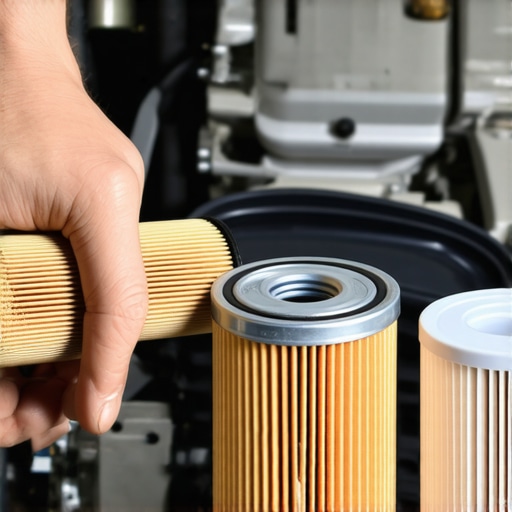
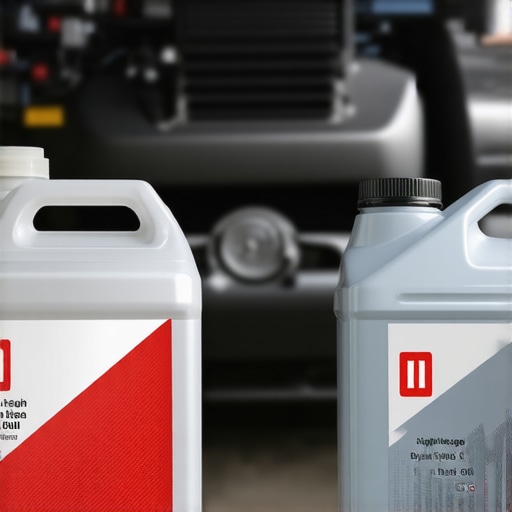
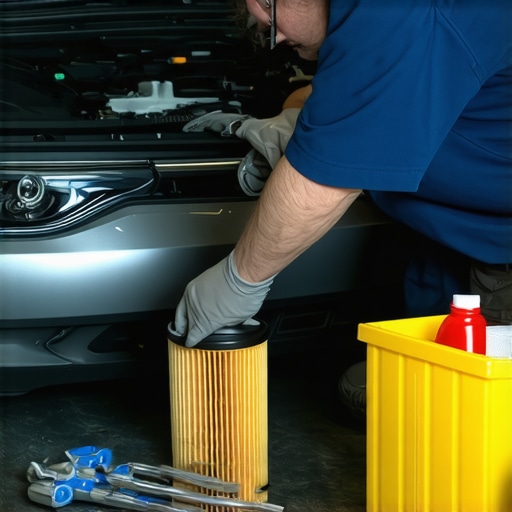
Switching to a quality synthetic oil designed for high-mileage engines reduces friction and minimizes wear, helping to keep your engine running quieter. I once upgraded to synthetic oil earlier than recommended, resulting in a noticeable reduction in noise during cold starts and smoother idling. Aim for oil changes every 3,000 to 5,000 miles with an ACE certified oil filter to prevent sludge buildup and ensure proper lubrication. Remember, skipping or delaying oil changes accelerates engine noise and wear.
Address Vacuum Leaks Promptly to Avoid Rough Idling
Vacuum leaks can cause your engine to work harder, leading to increased noise and inefficiency. Use a can of carb cleaner around vacuum hoses and intake manifold connections while the engine idles; a change in RPM indicates a leak. During one quick check, I discovered a cracked hose that was causing rough idling and excess noise, which I replaced immediately. Scheduling regular inspections of these hoses prevents leaks that slowly wear your engine down and amplify noise.
Optimize Transmission Maintenance for Smooth Operation
Contaminated or degraded transmission fluid causes shifting issues and noise. Instead of a simple drain and refill, consider a full transmission flush—this actively removes debris and old fluid, reducing strain on transmission components. I once neglected my transmission until I felt a slipping sensation; after the flush, my shifts became smoother and quieter. Consult your owner’s manual or a professional about when to perform a flush and what fluid specifications suit your vehicle to avoid unnecessary damage and noise issues.
Inspect and Replace Power Steering Components
Power steering pumps often produce a whine when they wear out. If you notice a whining sound when turning, it’s a sign of a failing pump or low fluid. Check your power steering fluid level; if low, top it off with the manufacturer-recommended fluid. For persistent noise, replace worn-out pumps or hoses. I fixed my squealing power steering pump with a simple fluid top-up and an upgrade to high-quality fluid, which made a significant difference and kept the operation quiet. Regularly listen for and address such noises before they develop into costly failures.
Monitor and Prevent Engine Ticks, Especially During First Start
Engine ticking during startup often points to valve lash issues or inadequate oil circulation. Use a mechanic’s stethoscope or even a simple screwdriver to pinpoint the noise source—if it’s the valves or timing chain, addressing timing or valve adjustments may be necessary. I once ignored a faint ticking for weeks until it worsened; finally, I learned that regular valve adjustments and synthetic oils that flow better during cold starts minimized the noise significantly. Making this a part of routine maintenance prevents it from escalating into more serious engine issues.
Seal Minor Leaks Before They Worsen
Small oil or coolant leaks may seem minor but can lead to increased engine noise due to decreased lubrication or overheating. Use appropriate sealants or have a professional replace worn gaskets early. In my experience, catching a small oil leak early saved me from a noisy, expensive engine rebuild later. Regular inspections—listening for puddles or unusual odors—help you identify leaks before they become major problems, maintaining a quieter engine operation.
Many car owners believe that once a mechanic has ASE certification, their vehicle is in expert hands, and regular services like oil changes or transmission flushes are straightforward, foolproof tasks. However, this common assumption often masks nuanced pitfalls that can cost you dearly over time. One prevalent misconception is that ASE certification guarantees a mechanic’s competence in all areas. In reality, ASE certifies technicians for specific skills, but it doesn’t mean every certified mechanic possesses deep expertise in high-mileage engine tweaks or specialized transmission care. For example, a mechanic might be ASE-certified in brakes but lack advanced knowledge of European transmission systems, leading to suboptimal service. Moreover, many underestimate the importance of selecting the right type of oil, especially synthetic oils that can significantly impact engine noise and longevity—going with cheap, conventional oil because it’s cheaper can accelerate wear and negate the benefits of routine oil changes.
Another trap is assuming that a standard oil change suffices for high-performance or high-mileage engines. In fact, using the wrong oil type or neglecting to follow manufacturer recommendations can cause increased wear and undesirable engine noises. This is crucial when addressing issues like oil pressure warnings that only activate at idle, which many owners dismiss as harmless, but could be early signs of internal wear that need expert attention. You can learn more about that common mistake [here](https://autofixclinic.com/why-your-oil-pressure-warning-only-comes-on-at-idle).
Similarly, many believe that transmission servicing is a simple drain and fill. Yet, a full transmission flush—done correctly—can remove debris and prevent costly leaks or slips, especially in high-mileage vehicles. Be wary of superficial service shops that perform only basic drain-and-fill; instead, consider the difference explained in [this guide](https://autofixclinic.com/the-difference-between-a-transmission-flush-and-a-drain-and-fill).
For advanced car care, it’s vital to understand that neglecting minor leaks or failing to address peculiar noises early can lead to breakdowns. A small coolant leak, for instance, if ignored, can cause engine overheating and long-term damage, as discussed in [this waterproofing article](https://autofixclinic.com/the-hidden-reason-your-car-is-leaking-water-inside-the-cabin).
Lastly, beware of the myth that all cheap parts or non-original fluids are adequate. Inevitably, inferior components or substitutes can compromise systemic integrity and lead to issues like uneven brake wear or power steering whine that could have been avoided with quality-approved parts. Remember, routine maintenance is not just about ticking boxes; it’s about understanding the nuances that can make or break your vehicle’s health over the long run. Have you ever fallen into this trap? Let me know in the comments.
Essential Tools for the Home Garage
Having the right equipment makes all the difference in conducting effective maintenance. I personally rely on a high-quality digital multimeter to quickly diagnose electrical issues like a malfunctioning starter relay or battery problems. For fluid checks, a durable handheld brake fluid tester provides rapid insights into your brake system’s health, helping prevent spongy pedals—and you can do this without a visit to the shop. Additionally, an automotive scope, like the Innova 3160g, allows me to see real-time engine sensor data, making diagnosing mysterious ticking sounds or oil pressure anomalies much simpler.
Powerful Software for Diagnostics and Repairs
Modern vehicles are a web of electronic systems, and I depend on professional-grade diagnostic tools such as the Snap-on SOLUS Edge or the Autel Maxisys to retrieve trouble codes and monitor live data streams. These tools are invaluable when addressing issues like transmission slips or abrupt shifts—topics I often discuss to help owners avoid costly repairs. Keeping software updated is a must because vehicle manufacturers frequently release updates that improve fault detection and system compatibility. For instance, understanding the nuances of the transmission slipping when hot can save you from unnecessary replacements.
Routine Maintenance Schedules and Checklists
Having a detailed checklist ensures I don’t overlook crucial tasks, especially as my car ages. I schedule oil changes with synthetic high-mileage oils to reduce internal wear and prevent leaks, and I verify the proper filter installation with a simple visual check I learned from ASE-certified diagnostics. Regularly inspecting vacuum hoses for leaks or cracked connections is another priority—using a can of carb cleaner to pinpoint leak sources has saved me from costly failures, as explained in this practical guide. These proactive steps not only extend engine life but also keep noise levels down and performance consistent.
Forecasting the Future of Car Maintenance
As vehicle technology evolves, I predict a shift towards fully integrated diagnostics and AI-assisted maintenance planning. More advanced tools will not only identify issues faster but will recommend precise repairs and even schedule appointments automatically. Staying ahead of trends by investing in these innovations can save you time and money in the long run. For example, future diagnostic devices might detect early signs of power steering wear before you notice any whining, similar to current solutions discussed here.
How do I keep my maintenance routine effective over time?
Consistency is key. I set reminders for regular inspections — like checking fluid levels or replacing filters based on manufacturer schedules. Using trusted, ASE-certified tools combined with high-quality fluids ensures reliable operation and reduces unexpected breakdowns. Don’t forget to document your work; tracking what you’ve done helps identify patterns and plan future maintenance tasks more efficiently. Try implementing one of these advanced tips this month, such as using a diagnostic scope to verify sensor operations—this proactive approach can catch potential problems early, saving you costly repairs later.
Lessons From the Pit: Surprising Truths About Engine Silence
One eye-opening realization I had was that many common misconceptions about high-mileage engines stem from oversimplified advice. For example, I once believed that regular oil changes alone would keep my engine quiet forever. But after speaking with seasoned technicians, I learned that understanding the internal aging process of an engine helps tailor maintenance more effectively. A lightbulb moment came when I discovered that addressing even minor leaks early on can preserve engine integrity and minimize noise—something I previously dismissed as negligible. These lessons reaffirm that proactive, informed maintenance trumps reactive fixes every time.
Ironclad Tools and Resources That Keep My Engine Running Smoothly
Over the years, I’ve relied heavily on certain tools that truly make a difference. A high-quality digital multimeter has helped me diagnose electrical hiccups that could cause noise or performance issues. Investing in a reliable automotive scope like the Innova 3160g allowed me to visualize sensor feedback and catch problems long before they escalate. As for literature, I trust manuals from reputable brands like Haynes and websites with expert advice, such as Autofix Clinic, which offers detailed guides on tasks like verifying an ASE tech’s work or diagnosing vacuum leaks. These resources turn complex issues into manageable tasks, ensuring my engine stays whisper-quiet.
What Keeps My Engine Whisper-Quiet and How You Can Make It Happen
Every engine enthusiast wants that smooth, silent operation. The key lies in consistent, targeted care—like switching to high-mileage synthetic oils early, promptly sealing small leaks, and performing full transmission flushes when due. Regularly inspecting power steering components and listening for whines can prevent costly failures. I’ve found that staying vigilant with simple diagnostic techniques, such as using carb cleaner around vacuum hoses, reveals leaks before noise becomes a problem. By embedding these proactive habits into your routine, you empower your vehicle to perform quietly and reliably for many miles ahead.
Engage with Your Ride: Share Your Experience
Have you ever noticed your engine getting louder as it ages? Maybe you’ve tried some DIY fixes or trusted your mechanic’s advice—and seen varying results. I encourage you to take a moment now and reflect on your own maintenance routine. What’s worked? What challenges have you faced trying to keep that high-mileage engine whisper-quiet? Drop your stories and tips below—I’m eager to learn from your experiences and help you achieve the best possible engine performance.