Why Your Transmission Fluid Level is Low Without a Visible Leak
One day, I was heading home after a routine oil change at my trusted mechanic, feeling pretty confident about my car’s health. Suddenly, I noticed a faint burning smell and a strange delay when shifting gears. My heart sank — could my transmission fluid be leaking without a visible drip? It was a lightbulb moment for me, realizing how tricky and sneaky transmission problems can be.
Juggling Mystery Fluids and Hidden Problems
If you’ve ever been in my shoes, you know how unsettling it is to see your dashboard light up with warning signs, yet there’s no obvious leak under your car. A low transmission fluid level without a visible leak can set off alarm bells, leaving even seasoned car owners scratching their heads. The good news? It’s more common than you think, and often, the cause isn’t as sinister as a leak — but understanding why is crucial to avoid costly repairs down the line.
The Biggest Skepticism: Is It Really a Fluid Issue?
Early in my own journey, I made the mistake of assuming that if I didn’t see a puddle, my transmission was fine. Turns out, transmission fluid can disappear through subtle means, like internal leaks or evaporation, which many overlook. According to automotive expert insights, internal leaks, especially around seals and gaskets, are frequent culprits—yet they’re hidden from plain sight. Did I believe it initially? Not quite. I had to learn the hard way that visible leaks aren’t the only signs of trouble. Still, many car owners wonder, “Why is my transmission fluid low without a leak?” If you’ve faced this question, you’re not alone. Today, we’ll peel back the curtain and explore the real reasons behind this puzzling issue, equipping you with the knowledge to take meaningful action. Not sure where to start? Check out our top tips for safe oil changes and learn why regular maintenance is your best friend.
Ready to solve this mystery? Let’s dive into the causes and how you can spot them before they turn into expensive repairs.
.
Check Your Transmission Fluid Level Precisely
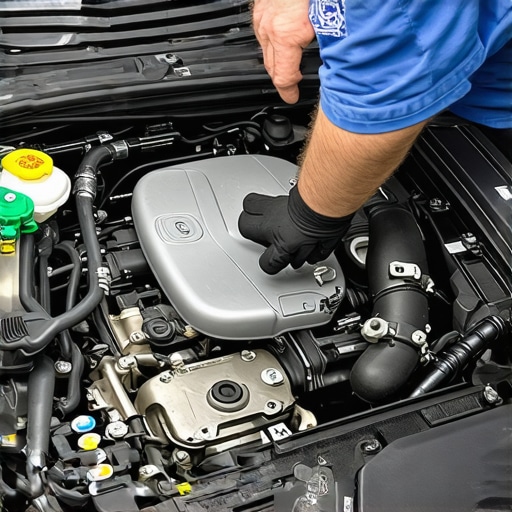
Start by locating the transmission dipstick—usually near the back of the engine bay. With the car on a level surface, warm up the engine until it reaches normal operating temperature. Pull out the dipstick, wipe it clean, reinsert fully, then withdraw to check the fluid level. Discrepancies indicate low fluid—top up carefully following your vehicle’s specifications. I once learned this when my shift delay worsened—I found my fluid was a quart low, and topping it off restored smooth shifting. For detailed guidance, consult your owner’s manual or visit this resource.
Assess the Transmission Fluid Condition and Quality
Visually inspect the fluid on the dipstick—shiny, light red fluid is ideal. If it looks dark, cloudy, or has a burnt smell, it’s time for a change. Using a clean cloth or glove, wipe a small amount of fluid onto a white paper or cloth to examine color and consistency. In my experience, darkening fluid signals internal wear or contamination, which can cause slipping or jerking. Remember, regular fluid analysis helps prevent costly repairs; learn more at transmission tips.
Identify Hidden Leaks and Internal Failures
Since leaks aren’t always visible, look for stains or puddles under the vehicle after parking. Check for oily spots around seals, gaskets, and transmission pan. Also, inspect the transmission pan for sludge or debris which may indicate internal trouble. I once spotted dark sediment in the pan during a fluid change, pinpointing a seal failure that silently leaked. For professional assessment, consider consulting certified experts; see ASE certification importance.
Perform a Test Drive to Observe Shifting Behavior
Safe test-driving involves paying close attention to how your vehicle shifts gears. Accelerate gradually and note any delays, slipping, or hard shifts. If the transmission hesitates or clunks—especially when cold—these are signs of fluid issues or internal damage. During one test drive, I noticed delayed engagement and decided to have a mechanic inspect my transaxle—turns out, a failing solenoid was the culprit. Regularly sampling your driving experience helps catch early signs; learn more at delayed engagement causes.
Utilize Diagnostic Tools for Precise Insights
Modern vehicles come equipped with onboard diagnostic systems. Use an OBD-II scanner to identify error codes related to transmission performance—codes like P0700 or P0730 can point directly to internal issues. I once borrowed a scanner from a local shop, which revealed internal sensor faults before any noticeable symptoms occurred. This proactive approach allows targeted repairs; for more guidance, visit diagnostics explained.
Prioritize Professional Inspection and Service
When in doubt, always seek expert evaluation. Certified technicians use specialized tools to assess internal components, perform pressure tests, and ensure your transmission functions optimally. Remember, routine maintenance—like trans fluid exchange—can prevent these issues from escalating. I learned that neglecting regular oil changes led to a damaged transmission case, costing me thousands; see transmission health tips.
Many car enthusiasts and everyday drivers alike often buy into myths about transmission care, leading to costly mistakes. One prevalent misconception is that a transmission either works perfectly or fails entirely; in reality, internal wear can develop subtly, causing shifts to become rough over time without obvious warning signs. This false dichotomy delays proper diagnostics and repairs, eventually leading to complete transmission failure.
Are Cheap Oil Changes Sabotaging Your Transmission?
It might surprise you that opting for bargain-priced oil changes isn’t always a save — in fact, it can do more harm than good. Many quick-service shops neglect to replace the oil filter or use incorrect oil types, which can cause sludge buildup and internal corrosion, accelerating wear. According to ASE-certified experts, choosing a reputable, certified technician ensures your vehicle receives precise, high-quality service that extends its lifespan. Don’t fall into the trap of thinking all oil changes are equal; learn more about why regular, professional oil changes matter.
Gear Up with Precision Maintenance Tools
Maintaining your transmission requires more than just a wrench—investing in the right tools can make all the difference. I personally rely on a high-quality TEKTON Transmission Fluid Pump because it allows me to perform fluid exchanges cleanly and efficiently, accessing hard-to-reach areas without making a mess. Additionally, I use a Snap-On OBD-II Scanner to monitor error codes proactively, catching potential issues before they escalate. These tools provide me with real-time diagnostics, helping me pinpoint internal problems that aren’t obvious during a visual inspection.
Adopt Proven Service Methods Every Time
For consistent results, I swear by the pressure testing method during internal inspections. You connect a specialized transmission pressure gauge to verify the internal hydraulics are operating within manufacturer specifications. This isn’t guesswork; it’s an exact science backed by automotive engineering standards, such as those detailed in ASE technical guidelines. Regularly performing these tests allows me to detect subtle shifts in pressure that could indicate seals or valves beginning to fail — well before the vehicle exhibits symptoms.
Embrace Software Support for Ongoing Health Checks
Beyond hardware, I leverage specialized vehicle maintenance software like AutoEnginuity. It syncs with my scanner and provides comprehensive logs of past error codes, service intervals, and even suggested fixes based on the latest manufacturer updates. With this digital oversight, I can schedule proactive maintenance, like oil and filter changes, at precisely the right interval, which research shows greatly extends transmission lifespan. Future trends are heading toward integrated diagnostic platforms that combine hardware and AI-driven analytics — meaning, in the near future, maintaining your transmission could become more automated and predictive, reducing downtime and repair costs.
How do I keep my transmission functioning over time?
Consistently checking fluid levels and quality, adhering to certified service procedures, and utilizing the latest diagnostic tools are key. For a tailored plan, consider consulting expert mechanics who can recommend specific maintenance routines based on your vehicle’s make and usage patterns. Remember, regular oil changes with high-grade, ASE-approved fluids not only keep the engine happy but are essential for protecting your transmission. Don’t forget — a little preventative effort today can save you thousands tomorrow. For more insights into maintaining optimal vehicle health, explore our comprehensive oil change tips.
My Biggest Realization About Transmission Care—More Than Just Oil Changes
- Often, I believed that if my transmission wasn’t leaking visibly, everything was fine—that was a costly misconception. I learned that internal seals and gaskets could silently fail, leading to low fluid and internal wear without leaks. Addressing this early, through regular diagnostics, saved me from major repairs.
- From experience, skipping proper transmission fluid analysis in favor of quick, cheap fixes can backfire. Investing in certified, quality service, and understanding the nuances of internal leaks, made a real difference in my vehicle’s longevity.
- The most surprising insight was realizing how much proactive diagnostic tools, like OBD-II scanners, can unveil issues long before symptoms emerge. This knowledge empowered me to schedule maintenance on my terms, avoiding emergency repairs.
Tools and Resources That Became My Roadmap
- AutoEnginuity Software: This software bridges the gap between my vehicle and diagnostic insights, helping me detect hidden issues and plan maintenance effectively.
- TEKTON Transmission Fluid Pump: A simple but essential tool that allows me to perform clean, efficient fluid exchanges, prolonging the health of my transmission.
- ASE-Certified Mechanics: Trusted professionals who follow proven standards and ensure my vehicle gets the proper care. Their expertise in internal diagnostics and proper service routines has been invaluable.
- Official Maintenance Resources: Links like this guide keep me informed about best practices to keep my car in top shape.
Your Next Move to Keep Transmission Smooth and Stress-Free
Your vehicle’s transmission is more than just a part—it’s a vital companion on your driving journey. Embracing proactive maintenance, using trusted tools, and seeking expert advice can transform your approach from reactive to preventative. Remember, the more you learn now, the fewer surprises you’ll face later. Keep this momentum, stay curious, and your car will reward you with countless miles of smooth riding. Have you tried a diagnostic scan recently? Share your experiences below and let’s keep the conversation rolling!