Why High-Mileage Engines Need More Than Just Regular Oil
I’ll never forget the day my trusty old sedan sputtered and reluctantly came to a halt during my morning commute. That frustrating moment made me realize I had been neglecting a crucial aspect of my vehicle’s health. I had always been diligent about oil changes, thinking that was enough to keep my engine running smoothly. Turns out, high-mileage engines are a bit more demanding than they seem at first glance.
The Hidden Truth About Engine Longevity
If you’ve been driving the same car for years, you’ve probably wondered why it still runs but maybe doesn’t feel as peppy as when it was new. The truth is, aging engines face unique challenges that regular oil changes alone can’t fully address. I learned this the hard way when my engine started showing signs of wear despite sticking to the recommended oil change schedule. It was a lightbulb moment that led me to dig deeper into the maintenance world and discover that high-mileage engines require special considerations to keep them on the road for years to come.
Is Just Changing Oil Really Enough?
Many car owners, including myself early on, make the mistake of believing that sticking to the standard oil change schedule is sufficient for their aging engines. I used to think that as long as I kept the oil fresh, all would be well. However, I soon realized that other engine components, seals, and fluids play critical roles in maintaining performance and preventing costly breakdowns. According to industry experts, neglecting these additional needs can lead to accelerated wear, leaks, and even engine failure over time. For more detailed insights, check out why regular oil changes extend your car’s lifespan.
So, if you’re like I was, thinking a quick oil change keeps everything in check, think again. Today, I’ll share practical tips based on experience and expert advice to help you understand what your high-mileage engine truly needs — beyond just oil — to stay reliable for the long haul.
}#}#}#}#}#}#}#}#}#}#}#}#}#}#}#}#}#}#}#}#}#}#}#}#}#}#}#}#}#}#}#}#}#}#}#}#}#}#}#}#}#}#}#}#}#}#}#}#}#}#}#}#}#}#}#}#}#}#}#}#}#}#}#}#}#}#}#}#}#}#}#}#}#}#}#}#}#}#}#}#}#}#}#}#}#}#}#}#}#}#}#}#}#}#}#}#}#}#}#}#}#}#}#}#}#}#}#}#}#}#}#}#}#}#}#}#}#}#}#}#}#}#}#}#}#}#}#}#}#}#}#}#}#}#}#}#}#}#}#}#}#}#}#}#}#}#}#}#}#}#}#}#}#}#}#}#}#}#}#}#}#}#}#}#}#}#}#}#}#}#}#}#}#}#}#}#}#}#}#}#}#}#}#}#}#}#}#}#}#}#}#}#}#}#}#}#}#}#}#}#}#}#}#}#}#}#}#}#}#}#}#}#}#}#}#}#}#}#}#}#}#}#}#}#}#}#}#}#}#}#}#}#}#}#}#}#}#}#}#}#}#}#}#}#}#}#}#}#}#}#}#}#}#}#}#}#}#}#}#}#}#}#}#}#}#}#}#}#}#}#}#}#}#}#}#}#}#}#}#}#}#}#}#}#}#}#}#}#}#}#}#}#}#}#}#}#}#}#}#}#}#}#}#}#}#}#}#}#}#}#}#}#}#}#}#}#}#}#}#}#}#}#}#}#}#}#}#}#}#}#}#}#}#}#}#}#}#}#}#}#}#}#}#}#}#}#}#}#}#}#}#}#}#}#}#}#}#}#}#}#}#}#}#}#}#}#}#}#}#}#}#}#}#}#}#}#}#}#}#}#}#}#}#}#}#}#}#}#}#}#}#}#}#}#}#}#}#}#}#}#}#}#}#}#}#}#}#}#}#}#}#}#}#}#}#}#}#}#}#}#}#}#}#}#}#}#}#}#}#}#}#}#}#}#}#}#}#}#}#}#}#}#}#}#}#}#}#}#}#}#}#}#}#}#}#}#}#}#}#}#}#}#}#}#}#}#}#}#}#}#}#}#}#}#}#}#}#}#}#}#}#}#}#}#}#}#}#}#}#}#}#}#}#}#}#}#}#}#}#}#}#}#}#}#}#}#}#}#}#}#}#}#}#}#}#}#}#}#}#}#}#}#}#}#}#}#}#}#}#}#}#}#}#}#}#}#}#}#}#}#}#}#}#}#}#}#}#}#}#}#}#}#}#}#}#}#}#}#}#}#}#}#}#}#}#}#}#}#}#}#}#}#}#}#}#}#}#}#}#}#}#}#}#}#}#}#}#}#}#}#}#}#}#}#}#}#}#}#}#}#}#}#}#}#}#}#}#}#}#}#}#}#}#}#}#}#}#}#}#}#}#}#}#}#}#}#}#}#}#}#}#}#}#}#}#}#}#}#}#}#}#}#}#}#}#}#}#}#}#}#}#}#}#}#}#}#}#}#}#}#}#}#}#}#}#}#}#}#}#}#}#}#}#}#}#}#}#}#}#}#}#}#}#}#}#}#}#}#}#}#}#}#}#}#}#}#}#}#}#}#}#}#}#}#}#}#}#}#}#}#}#}#}#}#}#}#}#}#}#}#}#}#}#}#}#}#}#}#}#}#}#}#}#}#}#}#}#}#}#}#}#}#}#}#}#}#}#}#}#}#}#}#}#}#}#}#}#}#}#}#}#}#}#}#}#}#}#}#}#}#}#}#}#}#}#}#}#}#}#}#}#}#}#}#}#}#}#}#}#}#}#}#}#}#}#}#}#}#}#}#}#}#}#}#}#}#}#}#}#}#}#}#}#}#}#}#}#}#}#}#}#}#}#}#}#}#}#}#}#}#}#}#}#}#}#}#}#}#}#}#}#}#}#}#}#}#}#}#}#}#}#}#}#}#}#}#}#}#}#}#}#}#}#}#}#}#}#}#}#}#}#}#}#}#}#}#}#}#}#}#}#}#}#}#}#}#}#}#}#}#}#}#}#}#}#}#}#}#}#}#}#}#}#}#}#}#}#}#}#}#}#}#}#}#}#}#}#}#}#}#}#}#}#}#}#}#}#}#}#}#}#}#}#}#}#}#}#}#}#}#}#}#}#}#}#}#}#}#}#}#}#}#}#}#}#}#}#}#}#}#}#}#}#}#}#}#}#}#}#}#}#}#}#}#}#}#}#}#}#}#}#}#}#}#}#}#}#}#}#}#}#}#}#}#}#}#}#}#}#}#}#}#}#}#}#}#}#}#}#}#}#}#}#}#}#}#}#}#}#}#}#}#}#}#}#}#}#}#}#}#}#}#}#}#}#}#}#}#}#}#}#}#}#}#}#}#}#}#}#}#}#}#}#}#}#}#}#}#}#}#}#}#}#}#}#}#}#}#}#}#}#}#}#}#}#}#}#}#}#}#}#}#}#}#}#}#}#}#}#}#}#}#}#}#}#}#}#}#}#}#}#}#}#}#}#}#}#}#}#}#}#}#}#}#}#}#}#}#}#}#}#}#}#}#}#}#}#}#}#}#}#}#}#}#}#}#}#}#}#}#}#}#}#}#}#}#}#}#}#}#}#}#}#}#}#}#}#}#}#}#}#}#}#}#}#}#}#}#}#}#}#}#}#}#}#}#}#}#}#}#}#}#}#}#}#}#}#}#}#}#}#}#}#}#}#}#}#}#}#}#}#}#}#}#}#}#}#}#}#}#}
Get Familiar with Your Vehicle’s Transmission System
The transmission often acts like the heart of your car’s drivetrain, transmitting power from the engine to the wheels. To keep it running smoothly, start by reading your owner’s manual thoroughly and understanding the recommended service intervals. When I first bought my high-mileage sedan, I learned the importance of periodic transmission fluid replacements by consulting articles like why your transmission fluid level is low without a visible leak. This knowledge empowered me to schedule timely fluid changes, preventing costly repairs later on.
Drain and Replace Transmission Fluid
Begin by warming up your engine to ensure the transmission fluid circulates properly. Park the car on a level surface, engage the parking brake, and locate the transmission pan drain plug. Using a quality socket wrench, carefully remove the plug and drain the old fluid into a container. Remember, this step is like changing blood for a healthy body. After draining, replace the drain plug securely. Then, refill with manufacturer-approved transmission fluid. For high-mileage vehicles, consider using synthetic transmission fluid, which offers better lubrication and longevity, as highlighted in why synthetic oil is mandatory for modern engines.
Inspect and Replace Transmission Filter
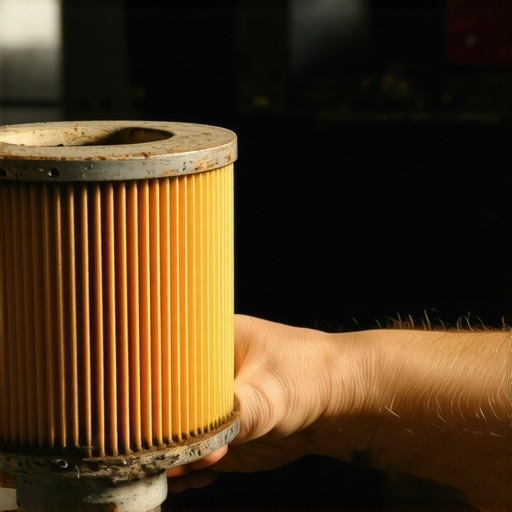
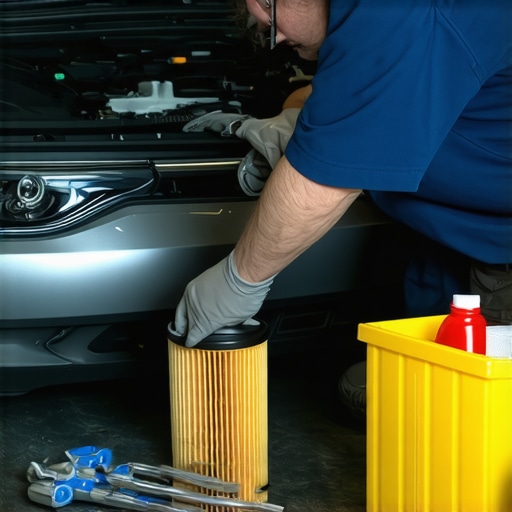
The filter acts like a sieve, trapping debris and preventing them from damaging sensitive components. I once overlooked this step, leading to a sluggish transmission. To inspect, locate the transmission filter usually accessible after removing the pan. If it appears dirty or clogged, replace it with a quality filter compatible with your vehicle. This process can be messy—so, have a drip pan ready and wear gloves. Regular filter replacements significantly extend the life of your transmission, aligning with expert advice found at what does an ASE certification mean for your car’s maintenance.
Monitor Transmission Performance
After completing fluid and filter changes, take your car for a test drive to assess shifting smoothness and responsiveness. Pay close attention to any slipping, hard shifts, or whining noises. Use diagnostic tools if available, or seek professional help if you notice anomalies. Remember, early detection of issues like sticking transmission solenoids—detailed in how to tell if your transmission solenoid is stuck—can prevent major repairs. Consistent maintenance like this keeps your engine and transmission in harmony, ensuring reliable performance throughout your high-mileage journey.
Schedule Routine Transmission Checks
Finally, make it a habit to have your transmission inspected by ASE-certified technicians periodically. Their expertise is crucial, especially for high-mileage engines, as detailed in what does an ASE certification mean for your cars maintenance. Regular check-ups prevent unforeseen failures and guarantee your vehicle remains trustworthy on the road. Think of it as a health check-up for your car—preventive care that saves money and stress in the long run.
When it comes to car care, many assume that basic oil changes and standard service routines cover everything needed to keep a vehicle running smoothly. But in reality, there’s a wealth of less obvious factors that, if ignored, can lead to costly repairs or compromised safety. One common misconception is that all transmission services are interchangeable; however, the nuances between different transmission types and proper maintenance techniques are critical for longevity. Additionally, many people assume that ASE certification alone guarantees a technician’s expertise, but not all certifications are created equal, and understanding what they actually signify can save you from subpar work. Let’s explore these advanced details to avoid traps and misconceptions.
One major myth is that a simple transmission fluid change suffices for all transmission health. While regular fluid replacement is essential, neglecting to inspect components like transmission filters or the condition of internal parts often results in overlooked wear and tear. For instance, a neglected filter can cause fluid to remain contaminated, accelerating damage—something I learned early on after experiencing sluggish shifts despite timely fluid changes. Experts recommend paired inspections and component replacements—such as filters and seals—to truly prolong transmission life. For a deeper dive, check out this guide on transmission troubleshooting.
A sneaky trap in car maintenance is relying solely on the ASE certification as a badge of quality. While ASE certification demonstrates that a technician has passed rigorous tests, it doesn’t guarantee specialization in every vehicle type or specific repair area. For example, a technician certified in general repairs may lack the experience needed for GDI engine nuances, which demand different maintenance strategies—like using synthetic oils suited for higher pressures, as explained in this article on synthetic oils. Always verify a technician’s specialization and experience with your vehicle to avoid diagnostics that miss subtle signs of underlying issues.
So, how can informed drivers and technicians avoid these pitfalls? First, understanding that regular maintenance, such as oil replacement, is just one piece of a broader puzzle. For high-mileage engines, this includes inspecting seals, fluids beyond engine oil, and transmission components. Second, refusing to oversimplify certifications; a “certified” badge doesn’t mean mastery over every aspect of vehicle repair. Asking questions, requesting detailed diagnostics, and seeking specialists can make a difference.
Have you ever fallen into this trap? Let me know in the comments. By digging beneath the surface and understanding these nuances, you’ll be better equipped to make smart decisions and maintain your vehicle’s health over the long haul.
Invest in Quality Diagnostic and Maintenance Equipment
Having the right tools is essential for maintaining your vehicle effectively. I personally rely on a high-quality OBD-II scanner, such as the BlueDriver Bluetooth Professional Scan Tool, because it provides comprehensive diagnostics and live data analysis. This allows me to catch issues like transmission or engine problems early, saving money and preventing breakdowns. Additionally, a good set of mechanic’s tools—like ratchets, socket sets, and specialty screwdrivers—are non-negotiable. I prefer tools from Snap-on or GearWrench because of their durability and precision, which makes my maintenance routines smoother and more accurate.
Leverage Software for Maintenance Scheduling
Modern vehicles often come with manufacturer apps or cloud-based maintenance tracking software. I recommend using platforms like automated maintenance trackers that send reminders for oil changes, transmission fluid replacements, and inspection intervals. This proactive approach ensures you don’t overlook critical schedules, especially for high-mileage engines that demand more frequent care. Regularly updating your service logs within these apps can also help in diagnosing recurring issues and planning long-term repairs.
Deep Cleaning and Fluid Checks Get Serious
Never underestimate the value of thorough cleaning. I use a dedicated engine cleaner like Gunk Engine Degreaser and a high-pressure hose (mindful of sensitive components) to prevent grime buildup that can obscure leaks or blockages. Paired with routine fluid checks—including brake, coolant, and transmission fluids—this helps maintain optimal operation. For transmission fluid, I recommend a complete drain and fill every 30,000 miles, especially on high-mileage vehicles, which can be a game-changer in extending the transmission’s lifespan. According to transmission experts, consistent maintenance here can prevent costly repairs down the line.
Where Do I Keep My Car’s Health Over the Long Term?
One practical tip is setting routine inspections with ASE-certified technicians who specialize in high-mileage engines. Their expertise, combined with the right tools, makes a significant difference. I personally schedule annual inspections using online booking systems to ensure my vehicle receives a comprehensive checkup, including transmission health and fluid analysis. This proactive scheduling helps maintain both safety and performance, ultimately saving money and headaches. To verify that your mechanic is properly certified, you can explore their credentials at this resource.
If you want to elevate your car maintenance game, I suggest trying a deep transmission fluid flush combined with filter replacement. It’s a more thorough process than simple top-offs, and regularly doing this on high-mileage vehicles can dramatically improve shifting smoothness and engine longevity. Give it a shot next time your vehicle hits the recommended interval—your future self will thank you for the extra effort.
What I Wish I Knew About Transmission Tips Early On
- Sometimes, the biggest breakthrough comes from realizing that not all transmission issues are about the fluid alone. A worn-out filter or internal seals often hide behind seemingly minor symptoms, waiting to cause major headaches—lesson learned from my own high-mileage journey. Knowing this prompted me to pay closer attention to routine inspections and proactive replacements, saving thousands in repairs. Click here for expert insights that changed my approach.
- Don’t underestimate the power of quality tools. I used a basic OBD-II scanner for years, missing small but critical transmission signals. Upgrading to a comprehensive diagnostic system revealed underlying issues early enough to act—making a real difference in my vehicle’s performance. Consider investing in trustworthy equipment; this guide explains what to look for.
- Early signs of transmission trouble are subtle—slightly delayed shifts, faint whines, or a shudder in acceleration. Ignoring them was one of my biggest mistakes. Regular, detailed inspections, especially for high-mileage engines, are vital. Techniques I adopted, like quick visual checks and fluid color tests, helped me prevent costly failures. Want to learn more? Check out how ASE-certified technicians can help.
- Seeking professional advice isn’t just about fixing problems but preventing them. I’ve found that trusting a specialist for annual transmission evaluations keeps my engine humming smoothly. It’s like a health check-up—necessary and beneficial. Find qualified experts at this resource.
Gear Up for Better Transmission Care with Tools and Resources
- My toolkit isn’t complete without a high-quality synthetic transmission fluid. Switching to the right lubricants based on expert recommendations ensures longevity, especially in high-mileage vehicles. Plus, a good schedule for fluid swaps keeps my transmission performing at its best.
- Keeping tabs on fluid condition is crucial—color, smell, and foaming are good indicators of internal health. I often rely on digital records and reminder apps to stay on top of service intervals. It’s an easy way to prevent emergencies before they happen. Find more on setting up your maintenance plan at this link.
- Deep cleaning is often overlooked but vital. Using specialized cleaning agents like Gunk Engine Degreaser helps me spot leaks and avoid grime buildup—especially around the transmission pan and cooler lines. A clean setup makes diagnostics much simpler, reducing surprises during check-ups.
- Finally, consistent training—like understanding how to interpret diagnostic codes—can save a lot of frustration. That’s why I believe in hands-on learning through trusted tutorials and courses. It’s a worthwhile investment in your vehicle’s future health.
Keep Your Transmission Thriving – Your Next Step
Your high-mileage engine holds countless stories of journeys, and proper transmission care can be its best chapter yet. Embrace thorough inspections, quality tools, and expert advice—these are your allies in prolonging reliability. Remember, every mile driven is an opportunity to learn more about your vehicle and how to keep it running smoothly well into the future.
What’s the most surprising thing you’ve discovered about transmission maintenance? Share your experiences below and keep the conversation rolling!