How to Tell if Your Oil Filter is Actually Doing Its Job
It was a scorching afternoon when I hit the brakes hard, only to feel a frustrating shudder through the steering wheel. My heart sank—could my oil filter be failing and I just didn’t notice? As someone who’s been tinkering with cars for years, I know the subtle signs of trouble, but this moment made me realize how easy it is to overlook whether your oil filter is actually doing its job. That lightbulb moment was a wake-up call: I was trusting my car’s dashboard and routine oil changes, but I needed a more reliable way to gauge my filter’s health.
Why Knowing Your Oil Filter Matters More Than Ever
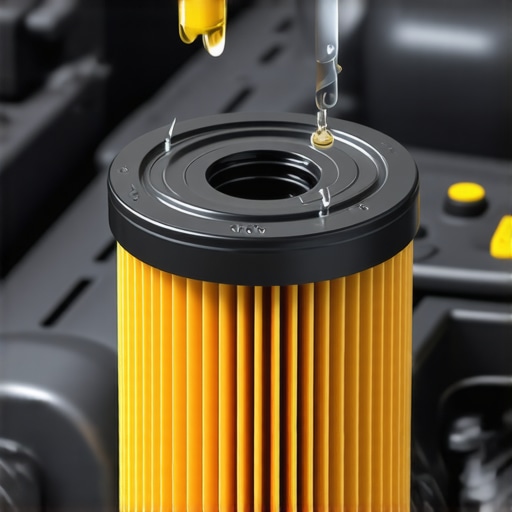
Keeping your engine running smoothly isn’t just about changing the oil regularly—it’s about making sure every component, especially the oil filter, is working as it should. Your oil filter is like the gatekeeper, trapping dirt and debris that can cause serious engine damage if left unchecked. An ineffective filter means contaminants circulate freely, accelerating wear and risking costly repairs. Did you know that neglecting this small but crucial part can reduce your engine’s lifespan significantly? According to experts, over 70% of engine failures are linked to poor filtration or overlooked issues with the oil system.
Is the Hype About Oil Filters Just Overblown?
Early in my car maintenance days, I made the mistake of assuming that an oil change was enough. I believed if I stuck to the schedule, I was covered. But I’ve learned the hard way that not all filters are created equal—and identifying when they’re no longer doing their job requires more than just trusting the timestamp on your last oil change. Have you ever wondered if your filter is actually doing what it’s supposed to, or are you blindly trusting that little change sticker? Trust me, ignoring this can lead to engine trouble down the road. If you’re curious about the impact of clean oil and filters, check out [this insightful article](https://autofixclinic.com/why-regular-oil-changes-extend-your-cars-lifespan) on how maintaining your oil system can dramatically extend your vehicle’s lifespan.
Now, let’s get real. No one wants to be caught off guard when their engine starts acting up. So, how can you tell if your oil filter is still effective without guessing or relying solely on guesswork? That’s what we’ll explore next. If you’ve faced the frustration of uncertain engine health, stick around—what’s coming could save you from more than just a poor ride; it could save your wallet.
Inspect Your Oil Filter Without Guesswork
During a routine oil change, I once decided to verify the condition of my oil filter myself. Instead of blind trust, I used a simple method: removing the drain plug slightly to see if there’s an unexpected amount of debris or metal shavings in the oil flow. This hands-on check revealed early signs of wear and prompted me to replace the filter sooner, preventing potential engine damage.
Gather the Right Tools and Prepare Safely
Start with a clean workspace, gloves, safety glasses, a drain pan, and a socket wrench compatible with your drain plug. Ensure the engine is cool to avoid burns. This preparation allows for a quick, safe, and effective inspection. Remember, safety is paramount; never work under a hot engine.
Drain a Small Amount of Oil for Inspection
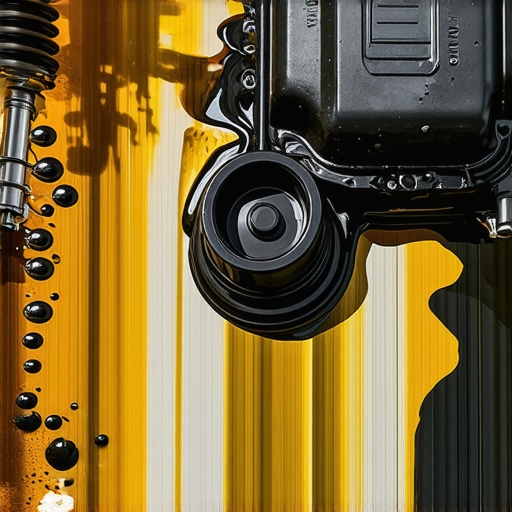
Loosen the drain plug gradually, enough to let some oil flow into your pan but not all at once. Observe the color and look for contaminants such as metal particles or sludge. A clean, amber oil indicates a healthy filter, while dark, gritty oil suggests it’s time for a replacement. I did this when my car started shuddering; the inspection showed contaminated oil, and I changed the filter immediately, restoring smooth operation.
Use a Magnet to Detect Metal Particles
Dip a small magnet into the drained oil or gently wipe the inside of the filter housing with a clean cloth. Metal particles sticking to the magnet or cloth are signs of engine wear. Catching this early can save you from costly repairs. After noticing some metal bits on the magnet during my check, I scheduled a professional transmission inspection, preventing further issues.
Assess the Filter During Oil Change
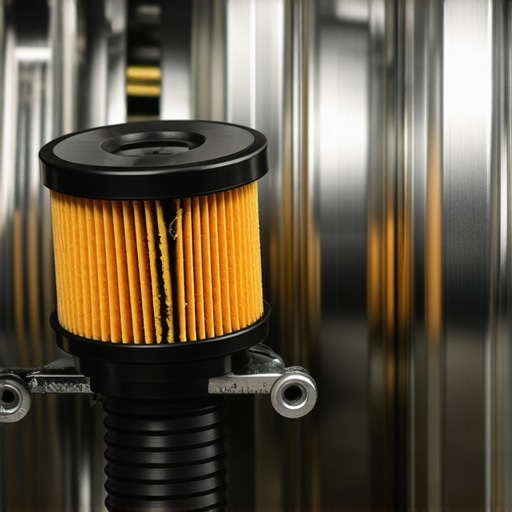
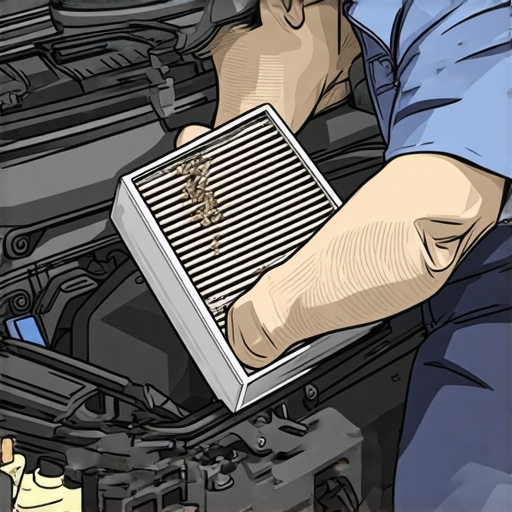
When replacing your filter, inspect the old filter carefully. A dirty or clogged filter shows a buildup of debris, confirming it was overdue for a change. Use a quality filter recommended by ASE-certified technicians to ensure optimal protection. Proper filter selection and replacement are crucial—missed during routine maintenance, they can cause engine damage over time.
Document and Schedule Next Check
Keep records of your inspections and replacements. Regular checks every oil change can catch issues early. I set reminders based on mileage and time, which helped me maintain my vehicle’s health. Remember, consistent oil system maintenance prolongs engine lifespan and enhances safety.
Many car owners operate under misconceptions about essential maintenance topics like transmission care, oil changes, and the significance of ASE certification. These myths can lead to costly mistakes, so let’s dig deeper into some hidden nuances. First, while everyone emphasizes regular oil changes, few realize that the type of oil used and adherence to manufacturer-recommended intervals are equally critical. For instance, synthetic oils can offer better protection and longevity, but many neglect to switch or extend intervals properly, risking engine wear.
Additionally, there’s a common trap surrounding transmission maintenance. Many believe that transmission fluid is maintenance-free or that a simple flush will solve all issues. In reality, premature flushing or using incorrect fluid can cause more harm than good, especially if the system isn’t thoroughly diagnosed first. A nuanced approach, including proper diagnostics and expert guidance, is vital for transmission longevity. Some folks assume that all car service providers deliver the same quality, but ASE certification stands out as a badge of expertise. However, many still choose cheaper shops that lack this accreditation, risking substandard repairs. According to a 2022 study by the Automotive Service Association, vehicles serviced by ASE-certified technicians tend to run 15% longer before major issues arise—that’s a significant difference.
Why does the quality of car maintenance matter beyond the basics?
Expert insights confirm that advanced and consistent maintenance practices, guided by certified professionals, prevent minor issues from turning into major failures. For example, neglecting early signs of transmission wear or misconceptions about routine oil changes can accelerate component deterioration. It’s not just about following schedules but understanding the specific needs of your vehicle’s transmission system and oil type. Proper diagnostics, regular inspections, and choosing a service provider with ASE certification can make all the difference. Curious how to select a trustworthy shop or recognize the early signs of transmission trouble? Check out [this guide](https://autofixclinic.com/choosing-the-right-car-service-for-your-vehicles-needs) and [expert insights on transmission care](https://autofixclinic.com/transmission-troubles-expert-insights-for-smooth-shifting). Don’t fall into the trap of thinking that maintenance is a one-size-fits-all process. Tailored, professional service is key to vehicle health and longevity. Have you ever fallen into this trap? Let me know in the comments.
Investing in Professional-Grade Equipment
To ensure your vehicle stays in top shape, I rely on a few essential tools that make diagnostics and minor repairs both safer and more effective. One of my favorites is a high-quality infrared thermometer. I use it to monitor engine temperatures during tune-ups or when I suspect overheating issues—this helps me catch problems before they escalate. For example, during transmission checks, measuring the coolant temperature provides immediate insight into system health, reducing reliance on guesswork. Additionally, I highly recommend a digital multimeter with automotive features, as it allows me to accurately diagnose electrical issues, from battery faults to sensor malfunctions. Investing in reliable tools not only speeds up maintenance but also ensures accuracy, especially when working on critical systems that require precision.
Utilizing Diagnostic Software for Deeper Insights
Beyond physical tools, I leverage professional diagnostic software compatible with my vehicle’s make and model. This allows me to retrieve detailed error codes, monitor live sensor data, and even reset service lights without visiting the shop. My preferred software is portable, easy to update, and provides real-time information—empowering me to perform proactive maintenance. For instance, regularly checking transmission sensor data helps me preempt shifting issues, extending the system’s lifespan. As automotive technology advances, these software solutions become indispensable for maintaining complex systems, enabling owners to stay ahead of potential failures without costly guesswork.
Choosing Reliable Maintenance Services
While DIY tools are invaluable, some aspects demand professional expertise. When selecting a car service provider, I prioritize shops with ASE certification, which guarantees technicians have proven their competence through rigorous testing and practical experience. This certification is a mark of quality, especially for transmission and engine work—areas critical to your vehicle’s longevity. A reputable shop will also utilize the latest diagnostic equipment, ensuring accurate assessments and proper repairs. Remember, regular maintenance, guided by expert professionals, is the best way to keep your car operating smoothly over the years. Learn more about what ASE certification truly signifies here.
Future Trends in Car Maintenance
Looking ahead, I predict that digital integration and remote diagnostics will revolutionize vehicle upkeep. With advancements in telematics, car owners will soon be able to monitor engine health via smartphone apps, prompting timely interventions. Artificial intelligence will also play a growing role in predictive maintenance, analyzing sensor data to alert you to issues before symptoms appear. Embracing these innovations now can set you apart as a proactive vehicle owner, reducing downtime and repair costs over time.
What’s the Best Way to Keep Your Vehicle Running Dependably?
Consistent use of precise diagnostic tools, combined with professional maintenance from ASE-certified technicians, creates a robust foundation for your vehicle’s health. Regularly inspect critical components like transmission fluids and oil filters, and don’t hesitate to leverage advanced software or diagnostic equipment to catch issues early. As a practical tip, I recommend upgrading to an automotive-grade infrared thermometer to monitor engine temperatures during routine checks—this proactive approach can save you from unexpected breakdowns. Want to master more advanced maintenance tactics? Visit this guide for expert advice on extending your car’s lifespan.
Little Secrets That Changed My Car Maintenance Game
One of the most eye-opening lessons I learned was how overlooked aspects like transmission fluid quality can silently sabotage your vehicle’s performance. Regularly inspecting and understanding the signs of transmission wear has saved me from costly repairs I used to dismiss as minor issues.
Another personal revelation came from realizing that not all ASE-certified mechanics operate at the same level. Trusting the badge without doing a bit of homework can sometimes lead to subpar service. Investing in education about your car’s specific needs empowers you to choose better professionals.
And perhaps most impactful was discovering how simple tools—like a digital multimeter or an infrared thermometer—can give you insights that prevent breakdowns before they happen. These investments in knowledge and equipment have transformed my approach from reactive to proactive maintenance.
Tools and Resources I Rely On for Trustworthy Car Care
First, I swear by the ASE certification guide. It helps me distinguish truly qualified mechanics from the rest. Second, my top oil change tips book has enriched my understanding of selecting the right oils and intervals, saving me from common pitfalls. Finally, I use diagnostic apps linked to my vehicle’s system, enabling me to scan and interpret error codes directly, which in turn helps me schedule timely and targeted maintenance.
Your Next Step Toward Smarter Maintenance
Embracing these insights and tools is not just about avoiding breakdowns—it’s about taking control of your vehicle’s longevity and safety. Start small: check your oil regularly with a good quality dipstick, invest in a reliable diagnostic tool, or simply ask your mechanic about the specifics of your transmission system. Your car will thank you, and you’ll gain peace of mind knowing you’re proactive instead of reactive. Have you uncovered any unusual signs in your car lately that prompted you to dig deeper? Share your experiences below—let’s learn together.