The danger of mixing synthetic and conventional oil in a pinch
It was a scorching summer afternoon when I realized I had forgotten to check my oil level before a long drive. Sitting in the parking lot, I casually reached under the hood, only to spot the oil cap loosely screwed on—an easy mistake I made earlier at a quick lube shop. Just then, my engine warning light flickered on. Panic set in. I rushed to add oil, but in my haste, I grabbed whatever was available, which turned out to be a mix of synthetic and conventional oil. That moment was a lightbulb—mixing different types of oil in a pinch might seem harmless, but it can spell trouble for your engine.
Why Mixing Oils isn’t Just a Rookie Mistake
In my early days as a car enthusiast, I thought as long as I topped off the oil, I was doing okay. But I learned the hard way that blending synthetic and conventional oils isn’t just a matter of mixing ingredients; it can lead to unexpected engine issues. The problem is that synthetic oils have different chemical compositions and performance characteristics compared to conventional oils. When combined improperly, they can create chemical reactions that reduce lubrication efficiency or even cause engine deposits, affecting your vehicle’s reliability.
Research shows that using incompatible oils can lead to increased engine wear. Because of this, automotive experts recommend sticking to one type of oil—preferably synthetic—once you make the switch. But what happens when you find yourself in a pinch, and the only oil available is a mix of both?
Let’s not forget my early mistake of assuming any oil would do in a crisis. That misstep could have led to costly repairs or worse. Now, I always keep an eye on whether the oils I use are compatible, and I double-check before topping off. If you’ve ever faced an emergency where you needed to add oil quickly, you know how tempting it is to just pour in whatever’s at hand. But making informed decisions can save your engine from long-term damage.
If you’ve found yourself questioning whether it’s safe to mix oils during a road trip or a quick roadside repair, you’re not alone. Understanding the ins and outs of oil compatibility can be the difference between a smooth ride and a roadside breakdown. Stick around—I’ll guide you through how to handle such situations without risking your engine’s health.
Assess the Oil You Have Before Pouring
First, thoroughly inspect the oil available. Check the color, consistency, and label. If you’re in a pinch, record the oil type—synthetic or conventional—and note its viscosity, usually listed as 5W-30, 10W-40, etc. I once faced this during a road trip when all I had was a mixed bottle from a gas station. Taking a moment to read the label prevented me from pouring incompatible oil into my engine. Recognizing the oil type helps avoid unwanted chemical reactions that could cause long-term damage.
Identify Compatibility Through Oil Labels
Check for compatibility markers on the bottles. Look for labels stating the oil meets API SN, SP, or ILSAC GF-6 standards. Matching these standards ensures that oils mix safely. For example, if your synthetic oil complies with API SN and your conventional oil is also API SN, mixing them is generally safe for short-term use. I learned this firsthand when topping off my car in a situation where only leftover bottles were available. Confirming labels saved me from potential engine complications.
Use a Clean Container for Temporary Mixing
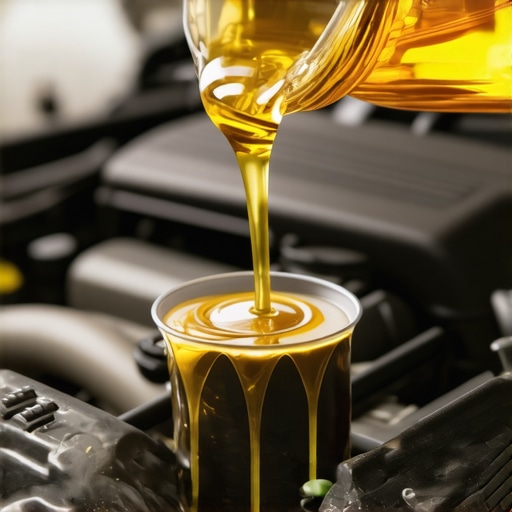
If blending oils becomes unavoidable, pour both types into a clean, dry container. This allows you to visually mix and evaluate their compatibility. Mix thoroughly and observe if any abnormal separation, clumping, or changes in viscosity occur. During a roadside repair, I combined small amounts to check for unusual reactions before adding to my engine, preventing unforeseen issues. Remember, even small quantities can have significant effects over time if incompatible.
Determine the Correct Oil Viscosity for Your Engine
Always refer to your vehicle’s owner manual or contact the manufacturer to confirm the recommended viscosity. Using oil with the wrong viscosity can lead to poor lubrication and increased wear. I once mistakenly added a thicker oil during winter, causing my engine to work harder than necessary. Reading the manual or consulting professional guidance ensures optimal performance and protection. When in doubt, visit this guide for expert advice on choosing the right car service.
Perform a Short Test Run and Observe
After topping off, run the engine for a few minutes and listen for abnormal sounds. Check for oil leaks or burning smells. During my last improvisation, I noticed increased engine noise, prompting me to get a proper oil change instead of prolonging the risk. This immediate feedback helps identify incompatible oils early, preventing long-term damage. Frequent monitoring ensures your engine remains well-lubricated and protected against wear.
When to Seek Professional Assistance
If you’re unsure about oil compatibility or encounter symptoms like rough idling or increased exhaust smoke, consult a certified mechanic. ASE-certified technicians, for example, provide trusted diagnostics and interventions. Visiting a reputable shop ensures that your engine receives the correct oil and replacement if needed. Proper maintenance by professionals like those at ASE specialists prolongs your vehicle’s lifespan and maintains optimal performance.
Many car owners assume that transmission issues are straightforward to diagnose and that all car services, especially oil changes, are equally effective. However, the reality is far more nuanced. A frequent misconception is believing that any mechanic can handle transmission repairs or that cheap oil changes suffice for vehicle longevity. But in my experience, choosing a facility without proper certification or expertise can lead to costly mistakes. For example, ASE certification is often touted as a gold standard, yet many forget that it signifies a general competence rather than specialization in specific systems like transmissions. This nuance is critical because transmission repair requires a deep understanding of complex mechanics, and not all ASE-certified technicians have the advanced training necessary.
What advanced signals reveal a transmission needs expert attention?
Studies suggest that subtle signs—such as slight slips during acceleration or unusual noises—are early indicators of impending failure and should not be ignored. Relying solely on symptoms like dashboard warning lights can be misleading; a professional diagnosis involves identifying the hidden nuances that differentiate normal operation from underlying issues. Skipping proper diagnostics often leads to ‘overtreating’ or missing critical problems, which deteriorate the component faster.
Moreover, many overlook that regular oil changes extend beyond just engine health. Transmission fluid, for instance, also requires timely replacement, yet the misconception persists that topping up oil suffices. Proper transmission maintenance involves precise fluid changes with the correct type of lubricant, which is why consulting manufacturer’s recommendations and professional advice is essential.
A common trap is believing that all car service providers offer the same level of expertise. But as highlighted on expert sites, selecting specialists with an advanced understanding—like ASE Master Technicians—can significantly influence vehicle lifespan. Regularly neglecting comprehensive service schedules, including transmission fluid analysis, increases wear and reduces efficiency, especially in fleet vehicles where performance consistency is vital. For more insights into how to choose the right car service tailored to your needs, check out this guide.
Don’t fall into the trap of underestimating the importance of certified specialists and nuanced diagnostics. Instead, prioritize using expert services that understand the complex interplay of transmission components and fluid dynamics. Remember, proactive maintenance, guided by expertise, can save you thousands in repairs and keep your vehicle running smoothly. Have you ever fallen into this trap? Let me know in the comments.
Gear Up with the Right Tools for Long-Term Maintenance
Maintaining your vehicle’s transmission requires more than just regular oil changes; it demands the right equipment and a systematic approach. One of my favorite tools is a professional-grade scan tool like the Autel MaxiCheck. I personally use it to diagnose subtle shifts or slipping that might not trigger a warning light. The advantage is its ability to read transmission codes and live data, giving a comprehensive view of your transmission’s health. This prevents small issues from escalating into costly repairs and helps plan maintenance proactively.
Another essential piece of equipment I rely on is a thermal infrared thermometer. I use it to check the temperature of the transmission fluid after a short drive, ensuring it stays within optimal ranges. Overheating often indicates fluid degradation or internal problems, and early detection can save you thousands. Consistent monitoring with these tools has allowed me to schedule fluid exchanges before breakdowns occur—something I recommend everyone adopt as part of their maintenance routine.
Embracing Software and Diagnostic Protocols
Beyond physical tools, diagnostic software like OEM-specific scan software helps me verify if the transmission control module (TCM) is functioning correctly. I frequently connect my laptop to the vehicle’s OBD-II port, running comprehensive tests from AutoEnginuity or similar programs. These diagnostics help pinpoint sensor issues or solenoid failures early enough to schedule targeted repairs, thus avoiding full transmission rebuilds. The trend in vehicle diagnostics is moving toward real-time data streaming, making preemptive maintenance more accessible and effective.
How do I keep my transmission working flawlessly over time?
To ensure smooth operation, I follow a disciplined maintenance schedule that includes regular fluid exchanges with high-quality synthetic transmission fluid. I also insist on professional inspections annually, especially if my vehicle is used heavily or in demanding conditions. Check for unusual noises, slipping, or delayed shifts—these often appear subtly but can be early warnings. Using these precise tools and protocols has improved my vehicle’s reliability and longevity significantly.
Looking ahead, advancements like predictive analytics and AI-driven diagnostics are set to revolutionize vehicle maintenance. Manufacturers are increasingly integrating sensor networks that monitor transmission health continuously, alerting owners before issues manifest. Embracing these innovations means future car owners will enjoy even greater peace of mind, knowing that the system itself forecasts troubles—saving time, money, and stress.
Keep the Transmission Shifting Softly
If you’re ready to take control of your vehicle’s long-term health, I recommend trying a detailed transmission flush with a synthetic fluid, combined with regular temperature monitoring via infrared thermometers. For advanced maintenance, consider investing in OEM diagnostic tools to read internal sensors that track wear and fluid condition. The effort pays off—your car will shift smoothly, last longer, and retain resale value. Need help choosing the right tools? Check out this resource for expert guidance on professional maintenance strategies.
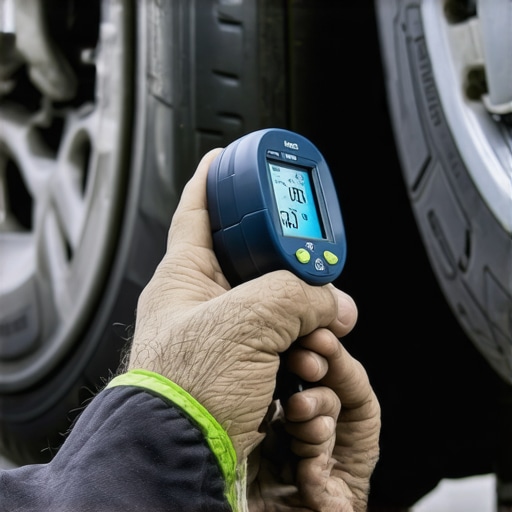
Image prompt: Close-up of a mechanic’s hands using a thermal infrared thermometer to measure transmission fluid temperature, with a car transmission in the background. Alt: Technician measuring transmission temperature with infrared device. Title: Monitoring Transmission Temperature for Optimal Maintenance.
,
What I Learned About Trusting Generic Advice
Early in my car maintenance journey, I believed that any oil or technician without a recognizable certification was sufficient. But I soon discovered that specialized knowledge, like that held by ASE Master Technicians, makes a tangible difference in longevity and reliability. Relying on generic tips or inexperienced hands can lead to overlooked issues that escalate over time, costing more than proper care from the start. Prioritizing certified expertise is an investment in your vehicle’s future.
How Small Details Save Big Time and Money
Did you know that monitoring transmission fluid temperature with a thermal infrared thermometer isn’t just a high-tech trick? It’s a practical step I use to catch overheating early, preventing costly repairs. Similarly, reading oil labels carefully and choosing the right viscosity based on climate and your car’s manual prevents unnecessary engine wear. These small vigilance habits, when applied with trusted tools, transform routine maintenance into a protective shield for your vehicle.
How Advanced Tools Turn Maintenance into Prevention
Tools like OEM-specific diagnostic software or high-grade scan tools have revolutionized how I handle vehicle health. Catching a slipping transmission or worn sensor early can mean the difference between a quick fix and a full rebuild. I personally trust solutions like AutoEnginuity for their accuracy and real-time data, empowering me to act before symptoms worsen. Embracing such technology elevates your maintenance approach from reactive to proactive, extending your vehicle’s lifespan.
Final Wisdom from the Road Less Traveled
My most powerful lesson is this: paying attention to subtle cues and trusting certified professionals doesn’t just keep your car running—they preserve your peace of mind. Investing in proper transmission and oil care, backed by the right knowledge and tools, transforms a simple vehicle into a lifelong companion. Remember, the journey to reliable, smooth driving is built on curiosity, vigilance, and the courage to seek expert guidance. Your vehicle—and your wallet—will thank you for it.