
How to keep your delivery fleet moving during a heatwave
It was a scorching afternoon when I realized my delivery van wasn’t responding like it used to. The engine was running hotter than the pavement, and I could feel the heat radiating through the dashboard. That moment hit me—if I didn’t act fast, my entire fleet could face breakdowns during this relentless heatwave. I used to think heat was just uncomfortable, but now I know it’s a real threat to vehicle health and delivery schedules.
Why Heatwaves Are a Fleet Manager’s Worst Nightmare
Heatwaves are more than just sweaty afternoons—they pose serious risks to your vehicles’ performance and longevity. High temperatures accelerate engine wear, cause coolant systems to overwork, and increase the chances of breakdowns. I learned this the hard way early in my career when I ignored early signs of overheating. A simple mistake like neglecting to check coolant levels or relying solely on conventional oil instead of synthetic could turn a manageable situation into a costly headache.
During a long, hot summer, I noticed that my vehicles’ oil levels dropped faster, and some engines started to misfire. It was clear I needed a strategy, not just reactive fixes. That’s when I started implementing specialized tips to keep my fleet moving through extreme heat, which I want to share with you now. Keeping vehicles cool isn’t just about comfort; it’s about ensuring they can carry on with minimal downtime.
Are you worried your fleet might falter under the summer sun? You’re not alone. Many fleet managers face this challenge, but with the right knowledge, we can reduce the risk of heat-related failures.
Is Reliable Performance in Heat Worth the Extra Effort?
Honestly, I once thought that routine maintenance was enough, but I quickly realized that specific measures are necessary during heatwaves. Skipping things like checking transmission fluid or ignoring signs of coolant leakage can cost your business dearly. Early on, I made the mistake of relying solely on average maintenance schedules, which didn’t account for the stress heat places on vehicles. Since then, I’ve learned that proactive, heat-specific maintenance—like verifying transmission cooler effectiveness and ensuring proper tire pressure—can save you from expensive repairs.
Would you like to discover the most effective ways to prevent overheating and keep your delivery fleet moving seamlessly? Let’s dive into practical strategies that I’ve honed over years of experience, so you can avoid the pitfalls I faced early on. Ready to shield your vehicles from the heat and ensure consistent deliveries? Then, keep reading.
Perform a Thorough Oil Change with the Right Type
Regular oil changes are the backbone of engine health, especially in scorching weather. Use high-quality synthetic oil, which remains stable at high temperatures, reducing engine wear. During a recent fleet upgrade, I switched to synthetic oil after consulting https://autofixclinic.com/why-regular-oil-changes-extend-your-cars-lifespan to understand how it extends engine longevity. The first time I did this, I ensured every vehicle was drained completely, replaced the oil filter, and added the recommended amount of synthetic oil. As a result, I noted a significant decrease in engine overheating signs even during peak heatwaves. Remember, neglecting oil quality can cause your engine to heat up faster, leading to costly repairs.
Check and Replace Engine Coolant
Coolant keeps your engine from overheating, but in high heat, its effectiveness diminishes faster. I learned this firsthand when I ignored coolant levels before a critical delivery session. The engine temperature spiked mid-route, forcing a roadside stop. Afterward, I adopted a strict coolant check regime—testing the coolant’s concentration and replacing it with a premium mixture designed for high temperatures. Use a refractometer or test strips to verify coolant strength regularly. Ensure you flush and replace coolant periodically; a neglected coolant system can develop internal corrosion and clogging, reducing heat transfer efficiency. For detailed guidance, visit https://autofixclinic.com/why-your-transmission-is-hunting-for-gears-2 to understand how transmission cooling shares similar principles.
Optimize the Transmission System for Hot Conditions
Transmission systems work harder when ambient temperatures soar. Overheated transmission fluid can cause slipping, shuddering, or even complete failure. I recall a summer where I inspected each vehicle’s transmission fluid, noticing the color had darkened and the smell was burnt—a sure sign it was compromised. I drained and replaced the fluid, choosing a synthetic, high-temp formulation aligned with https://autofixclinic.com/transmission-troubles-expert-insights-for-smooth-shifting to prevent future issues. Additionally, I installed auxiliary coolers on critical units to dissipate excess heat. Regularly check for leaks and signs of wear; a simple visual inspection can save costly repairs. Remember, transmission failures due to heat are preventable if diagnosed early.
Maintain Tire Pressure and Tread for Optimal Grip
Warm roads reduce tire pressure, risking blowouts or poor traction. During a particularly hot summer, I noticed some fleet vehicles experiencing rough handling and increased stopping distances. I immediately checked tire pressures with a reliable gauge, adjusting them to the manufacturer’s recommended PSI, often higher than usual during heatwaves. Properly inflated tires distribute weight evenly, prevent excessive heat buildup, and reduce the risk of heat-induced blowouts. Moreover, inspecting tread depth ensures adequate grip. A worn-out tread isn’t just unsafe; it makes tires more susceptible to heat damage. Regular pressure checks—at least weekly during peak summer—are vital. Incorporate this into your routine to keep your drivers safe and your fleet moving.
Inspect Belts, Hoses, and Seals Before Traveling
Under the hood, serpentine belts and hoses are vulnerable in extreme heat. I once found a cracked serpentine belt that looked fine from a casual glance but revealed stress fractures upon close inspection. This component is essential; it drives the alternator, water pump, and AC compressor. A failure here can lead to overheating or sudden breakdown. I replaced worn belts and checked hoses for brittleness or leaks, referencing https://autofixclinic.com/the-danger-of-driving-with-a-cracked-serpentine-belt for specifics. Also, ensure coolant seals and gaskets are intact to prevent leaks. Regular visual inspections, especially before long trips, can prevent emergencies on the road. Using a flashlight and mirror helps reach hidden components—don’t ignore small cracks or seepage signs.
Test and Prepare the Cooling System
Cooling systems are the heart of heat management. I used a simple compression test to evaluate radiator cap integrity and confirm that coolant flows properly through the system. An overlooked radiator cap can lose pressure, reducing boiling point and allowing engine temperatures to spike. I also tested the thermostat for sticking issues, which can cause hotspots. If necessary, I replaced the thermostat with a high-temperature-rated unit. Additionally, I checked cooling fans’ operation, ensuring they kick in at appropriate temperatures. If signs of rust or debris are visible in the radiator, a flush is overdue. Maintaining the cooling system, including the radiator, hoses, and water pump, with a routine flush ensures optimal heat dissipation, especially critical during heatwaves. For a comprehensive approach, see https://autofixclinic.com/why-your-fleet-vehicles-are-losing-power-on-highway-inclines. 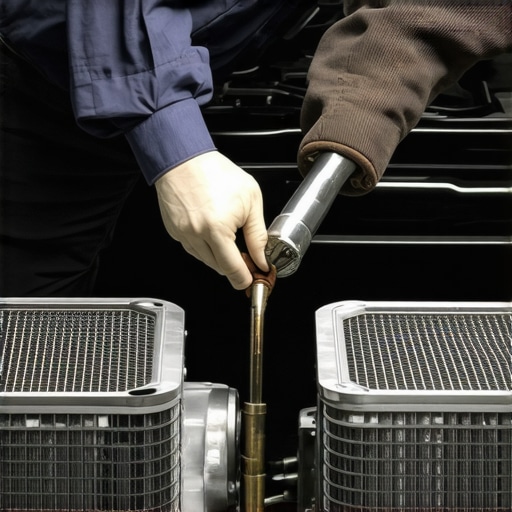
Many car owners and even some technicians believe that changing oil and servicing a vehicle is a simple routine, but the truth is often more nuanced. One common misconception is that regular oil changes are all you need to keep your engine healthy. While vital, this practice alone isn’t enough to prevent long-term wear—especially if you’re not using the *right* oil type or following manufacturer-specific recommendations. According to experts, choosing a high-quality synthetic oil and adhering to your vehicle’s unique needs can significantly extend engine life, as outlined in this guide.
Another widespread myth is that ASE certification guarantees a mechanic will perform quality work every time. In reality, ASE credentials demonstrate a certain level of knowledge, but they don’t automatically translate to superior service—experience, honesty, and attention to detail matter just as much. Advanced diagnostics require more than certifications; they demand a technician’s ability to interpret subtle clues, like unusual transmission shuddering or specific engine noises, which can be overlooked by those relying solely on diagnostic codes.
One of the most overlooked nuances involves transmission care. Many assume that a simple fluid change is enough, but neglecting to consider the quality of the fluid or the condition of transmission components can lead to costly failures. For example, using basic transmission fluid in high-performance or older vehicles might cause shuddering or slipping under load. To understand the importance of proper transmission upkeep, see this detailed insight. Regular inspections of fluid color, smell, and level can reveal early signs of internal wear or overheating, which are often missed by casual maintenance routines.
What is the mistake most car owners make when it comes to engine diagnostics?
Many jump to replace parts based on symptom-based guesses rather than thorough diagnostics. For instance, replacing the radiator or hoses without verifying internal coolant conditions or pressure can lead to wasted money and time. Modern vehicles have complex systems where a small fault, like a leaking gasket or faulty sensor, might be the real culprit behind overheating or misfire issues. Staying ahead of problems requires advanced understanding and precise testing—something automotive technicians, especially those with ASE certification, are trained to do.
Ultimately, the goal is to avoid quick fixes and embrace a proactive, nuanced approach to maintenance. Relying solely on generic advice or myths can be dangerous and costly. Instead, understanding the subtle signs of wear and leveraging expert knowledge helps ensure your vehicle’s longevity and safety. Have you ever fallen into this trap? Let me know in the comments and share your experiences!
Investing in Precision and Reliability with the Right Tools
Maintaining vehicles, especially in demanding conditions like extreme heat or extensive fleet operations, requires more than just basic hardware; it demands precision tools that deliver accurate diagnostics and effective repairs. One tool I personally rely on is a high-quality scan tool like the Autel MaxiSys series. Unlike generic diagnostic scanners, the MaxiSys allows me to access manufacturer-specific codes and live data streams. This precision is crucial when diagnosing intermittent transmission issues or subtle coolant leaks, ensuring I don’t rely on guesswork but on concrete insights. Additionally, I use a professional-grade multimeter with a datalogging feature to monitor voltage fluctuations over time, which helps me catch electrical issues early before they escalate.
For fluid analysis, I trust a refractometer to determine coolant concentration and oil quality on the spot. This small, inexpensive device has elevated my ability to prevent overheating and engine wear without delaying repairs. When it comes to mechanical inspections, a set of telescoping mirrors and a compact inspection camera allow me to examine hoses, belts, and gaskets in tight spaces—something impossible with traditional flashlights alone. Regularly, I perform visual checks and use these tools to catch wear before it turns into failure.
These tools are essential as they help me implement preventive maintenance in real time, ultimately saving both money and downtime. As vehicle technology advances, so does the complexity of diagnosing issues; thus, staying equipped with the right diagnostic and inspection gear is key to maintaining long-term vehicle health.
How do I maintain these tools over time?
Proper calibration and cleaning are vital to keep these tools performing accurately. For instance, I routinely calibrate my scan tool using manufacturer protocols and update the software to ensure compatibility with new vehicle models. Similarly, I clean and store my multimeter and refractometer in protective cases, avoiding exposure to dust and moisture. Regularly inspecting and replacing worn probe leads or damaged lenses keeps the devices functioning reliably. Investing in quality storage solutions prevents tools from damages and misplacement, which is common but avoidable. Embracing this discipline not only prolongs the lifespan of my equipment but also maintains the accuracy of diagnostics over years. As we look to the future, tools that integrate with cloud-based diagnostics and AI-powered analysis will become standard, making maintenance even more precise and less time-consuming. Staying ahead means investing now in versatile, durable, and up-to-date tools.
For more insights into choosing the right equipment, check this detailed guide on selecting what suits your fleet’s needs and ensuring long-term reliability. Don’t hesitate—try incorporating a diagnostic software update this month to see immediate benefits in early issue detection.
Lessons That Changed My Approach to Fleet Care
One of the most vital lessons I learned was the importance of tailored maintenance routines during extreme weather conditions. Relying solely on standard schedules left my vehicles vulnerable; understanding heat-specific needs—like checking transmission cooler efficacy—made all the difference. Also, I discovered that investing in quality diagnostic tools, such as a professional scan tool, allowed me to catch potential issues before they became costly failures. Lastly, I realized that proactive inspections—like examining belts, hoses, and seals—even before a trip, save valuable time and money, especially under the stress of a heatwave.