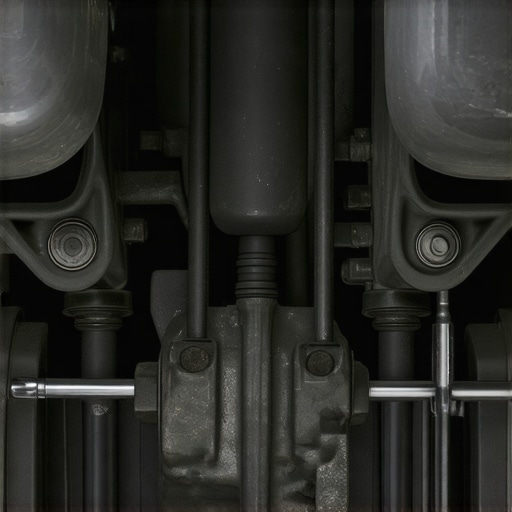
The real cause of that burnt rubber smell near your front tires
It was a typical Saturday afternoon when I first noticed that sharp, pungent scent wafting from my driveway. My stomach sank—there it was again, that unmistakable burnt rubber aroma creeping near my front tires. I’ve been around cars long enough to recognize that smell isn’t just an odor; it’s a warning sign, and ignoring it can lead to costly repairs.
Why That Smell Shouldn’t Be Taken Lightly
At first, I thought maybe I had accidentally driven over something or parked too close to a chemical spill. But as days went on, and the smell persisted, I knew I had to dig deeper. That moment was a lightbulb for me—a reminder that sometimes, our car’s subtle signals can save us from bigger troubles down the road.
Today, I want to share what I discovered about the real causes behind that mysterious burnt rubber smell near your front tires. It’s a common concern that many overlook, yet it can indicate serious underlying issues like slipping belts, overheating brakes, or even transmission problems. My goal is to help you identify these clues early—saving you time, money, and the frustration of unexpected breakdowns.
Is This Just a Bad Smell, or Is Your Car Asking for Help?
One mistake I made early on was dismissing the smell as just a nuisance. I didn’t realize that ignoring such signals is one of the fastest ways to escalate minor issues into major repairs. According to automotive experts, persistent burnt rubber odors often point to specific mechanical problems that require prompt attention. Recognizing and addressing these signs can extend your vehicle’s lifespan and keep you safe on the road.
If you’re wondering whether this smell is normal or a red flag, you’re not alone. Many drivers experience this and seek answers. The good news is, by understanding the typical causes and how to spot them, you can take proactive steps—such as checking your brakes, belts, and transmission components—to prevent costly damage.
In the next sections, I’ll walk you through practical diagnostics and solutions based on my experience and the insights from industry professionals, including what to look for and when to consult your trusted mechanic. Ready to uncover the truth behind that odorous warning? Let’s get started!
Check Your Brake System First
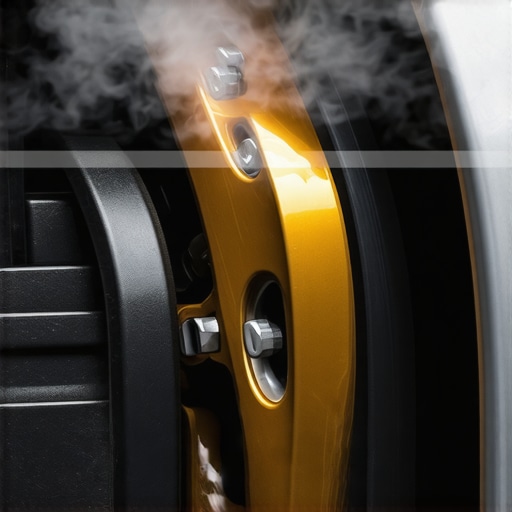
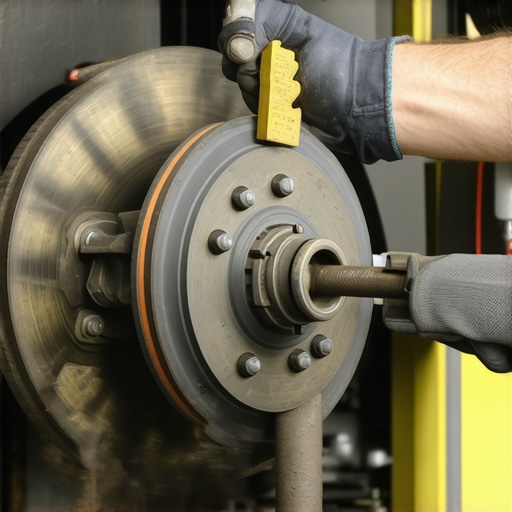
My first step was to inspect the brake pads and rotors closely because overheating brakes can emit a burnt rubber smell. I loosened the wheel lug nuts with a tire iron, then used a jack to lift the vehicle, securing it with jack stands. After removing the wheel, I examined the brake components for any signs of excessive wear or scorching marks. If you notice your brake pads are glazed or your rotor surface is discolored, it’s time for a thorough brake service. For expert guidance, consider reading transmission troubleshooting tips to rule out related issues.
Evaluate Your Belts and Hoses
Next, I checked the drive belts, especially the serpentine belt, which drives accessories like the alternator and power steering pump. A slipping or worn belt can generate heat and a burnt smell. I looked for cracks, fraying, or looseness; a belt that’s slipping might also cause squealing noise. If needed, I replaced the worn belt with an OEM-quality one, following the proper tension specifications. To learn how to properly select parts, explore why OEM filters matter for your car’s health.
Examine Transmission and Fluid Conditions
Since transmission issues can also produce unusual odors, I pulled the transmission dipstick and inspected the fluid. A dark, thick, or burnt-smelling transmission fluid indicates it’s degraded and may cause slipping or overheating. Regular fluid changes are vital; I recommend scheduling a professional oil and transmission fluid change to prevent such problems. If you’re unsure about your mechanic’s expertise, check what ASE certification guarantees for quality service.
Inspect Your Transmission for Slipping
To determine if your transmission is slipping, I drove gently and shifted through all gears, noting if there was any delay or hesitation. A slipping transmission can produce heat, leading to a burnt smell. For more detailed diagnostics, consider transmission troubleshooting techniques. If you notice the gears are not engaging properly, it’s crucial to have a professional diagnose and address the issue before it worsens.
Look for External Sources of Heat
Sometimes, the smell isn’t engine or transmission related but comes from external sources, like the catalytic converter or exhaust system. I visually checked the exhaust pipes for leaks or blockages, which can cause abnormal heating. If the exhaust system looks damaged or unusually hot, it’s best to seek a qualified auto service provider who can perform a full inspection.
Document Your Findings and Plan Repairs
After my inspection, I documented everything—wear on belts, fluid color, brake pad thickness—to share with my trusted mechanic. Regular diagnostics combined with professional car service providers ensure that potential issues are addressed early, extending your vehicle’s lifespan. This methodical approach saved me from costly repairs and kept my car running smoothly. Don’t forget, routine maintenance such as regular oil changes can prevent major issues from developing in the first place.
Many car owners operate under a set of misconceptions that can lead to costly mistakes. While routine maintenance is essential, believing everything you’ve heard about transmission care, oil changes, or ASE certifications can be a trap. Let’s dig deeper into some of these myths and uncover the nuances that often go unnoticed.
Myth: More Frequent Oil Changes Are Always Better
A widespread belief is that changing your oil every 3,000 miles guarantees engine longevity. However, modern synthetic oils and advanced engine designs have shifted this paradigm. According to automotive experts, following the manufacturer’s recommended intervals—often every 7,500 to 10,000 miles—is sufficient for most vehicles. Overchanging oil not only wastes money but can also lead to unnecessary oil disposal issues. To maximize your engine’s health, consider reading top oil change tips for 2025.
Don’t Overlook the Real Significance of ASE Certification
Many consumers assume that an ASE certification guarantees a mechanic’s expertise in every aspect of car repair. But this isn’t entirely accurate. The ASE certification is a broad credential, and technicians may specialize or lack expertise in specific areas like transmissions or electrical systems. The real value comes from a shop with a combination of ASE-certified technicians and proven experience in your vehicle’s specific needs. For insights on evaluating your mechanic, visit understanding ASE certification.
Advanced Question: How Do Certifications Actually Influence Repair Quality?
Great question. Studies show that ASE certifications correlate with better diagnostic accuracy and preventive maintenance, but they don’t guarantee flawless service. External factors, such as ongoing training, shop resources, and technician experience, play crucial roles. Therefore, when seeking a trusted auto service, assess their commitment to continuous education and tools, not just credentials. For more, see why OEM parts and ongoing training matter.
Car Service Schedules and the Real Impact of Ignoring Them
Many drivers delay or skip scheduled maintenance, believing it’s unnecessary. Yet, irregular service can mask minor issues that evolve into major problems—like worn transmission seals or neglected fluid replacements—that are costly to repair. The key is understanding that service intervals aren’t arbitrary—they are based on extensive research and testing. Consistent schedules based on your vehicle’s manufacturer recommendations help prevent surprises. For an effective maintenance plan, explore how to choose the right car service.
Have you ever fallen into this trap? Let me know in the comments. Staying informed about these nuances will help you make smarter decisions, save money, and keep your vehicle reliable for years to come.
Investing in the Right Equipment for Long-Term Car Care
Maintaining your vehicle over time requires more than just basic knowledge; it demands the right tools and a strategic approach. Personally, I rely on a high-quality digital code scanner like the BlueDriver Bluetooth Pro. This device empowers me to read and clear diagnostic trouble codes instantly, saving time and money. Unlike generic scanners, the BlueDriver provides manufacturer-specific fixes and real-time data, making diagnosing complex issues more precise. This is crucial when you’re dealing with transmission concerns or subtle sensor faults that can manifest as longer-term problems.
Another indispensable tool in my arsenal is a good set of torque wrenches, especially for wheel lug nuts and critical engine components. Proper torque application prevents over-tightening, which can warp rotors or damage threads. I use a digital torque wrench from GearWrench because of its accuracy and ease of calibration. For ongoing maintenance, pairing these tools with a reliable service manual—either factory-issued or a trusted online resource—ensures you’re following the exact specifications, like those outlined in transmission maintenance guides.
How do I maintain my tools and keep diagnostics accurate over time?
Regular calibration and proper storage are key. I schedule quarterly checks on my torque wrenches and keep my code scanner’s firmware updated. This approach ensures consistent accuracy and leverages the latest diagnostic software improvements. Investing in quality tools might seem costly initially, but they pay off by preventing unnecessary trips and premature repairs.
Automating Maintenance with Software and Apps
Beyond physical tools, I utilize specialized automotive software like AutoEnginuity for advanced diagnostics. This software connects to my vehicle’s OBD-II port and provides detailed insights into transmission function, oil quality, and sensor health. The future of car maintenance points toward integrated, cloud-connected diagnostic platforms that can predict failures before they occur. For example, predictive analytics based on transmission data could alert you to slipping belts or overheating components well before symptoms become severe.
To stay ahead, I recommend using maintenance tracking apps that sync with your diagnostic tools or service records. These help plan oil changes, transmission fluid replacements, and filter changes proactively—saving money and extending your vehicle’s service life.
Why sustainable maintenance methods will dominate
With advancements in digital diagnostics and remote monitoring, the trend toward smarter, predictive maintenance will accelerate. Automotive manufacturers are integrating sensors that communicate with external platforms, allowing your vehicle to advise on service needs automatically. Embracing these innovations now means you can avoid unexpected breakdowns and keep your car working smoothly longer.
Ready to upgrade your maintenance routine? Try implementing a diagnostic app linked with your existing tools—this small step can lead to significant savings and more reliable vehicle operation. For trusted guidance, explore how to select the right professional service to support your efforts.
What the Little Things Taught Me About Vehicle Care
One of the most surprising lessons I learned was that meticulous attention to minor details—like checking fluid color or belt tension—can prevent major breakdowns. Small habits, such as documenting repairs and regularly calibrating diagnostic tools, build a foundation of trust in your maintenance routine. These insights made me realize that often, the biggest gains in car longevity come from the overlooked, everyday checks that anyone can master with patience and curiosity.
Another eye-opener was understanding that not all certifications guarantee flawless service, but ongoing learning and honest communication do. When I shifted my focus to working with ASE-certified technicians who demonstrate continuous training, I saw firsthand how genuine expertise fosters reliable repairs. This taught me that investing in knowledge—both mine and my mechanic’s—is the key to peace of mind on the road.
Lastly, embracing technology—like diagnostic apps and quality tools—transformed my approach from reactive to proactive. Using tools such as the BlueDriver enhances diagnostic accuracy, saving time and preventing costly fixes. I now see that integrating smart solutions into regular maintenance elevates car care from a necessary chore to a confident, empowering practice.
Gear Up with Trusted Resources for Long-Term Success
For me, having a solid toolkit is essential—my go-to is the BlueDriver Bluetooth Pro, which provides detailed, manufacturer-specific insights. I trust it because it helps catch issues early, especially with transmission or oil system anomalies. Complementing this are high-quality torque wrenches, which ensure fasteners are perfectly tightened, preventing future problems. Resources like official service manuals are invaluable—they keep me aligned with factory specs and best practices.
Books on automotive fundamentals, such as ‘The Car Care Guide,’ have broadened my understanding of how crucial regular maintenance and proper part selection are. Websites offering deep dives into diagnosing transmission issues or optimizing oil changes have become my secondary guides, empowering me to ask informed questions at the shop. Over time, these tools and knowledge sources have become my trusted allies behind the wheel.
Keep Your Drive Inspired—Take Charge Today
Remember, maintaining your transmission and oil system isn’t just about avoiding breakdowns; it’s about taking control of your vehicle’s future. Every small step—being attentive to smells, sounds, and fluid conditions—can lead to smoother rides and longer vehicle life. Embrace the learning process, leverage reliable tools, and seek out resources designed for proactive car owners like you. Your vehicle will thank you by performing better and lasting longer on the road.
What’s one maintenance habit you’ve found makes a difference in your vehicle’s longevity? Share your experience below and let’s learn from each other’s journeys!