How to Fix a Stuck Brake Caliper Without Replacing the Whole Unit
I remember the exact moment I realized my brake caliper was stuck. It was late afternoon, and I was just about to head out for an errands run. As I pressed the brake pedal, I noticed it felt spongy, and then there was this faint, unsettling noise coming from the wheel. When I finally pulled over, I saw that one of my tires was nearly overheated, and the caliper seemed frozen in place. That lightbulb moment taught me a lot about the importance of understanding brake issues before they turn into costly repairs.
Save Your Wallet: Fixing a Stuck Brake Caliper Without Full Replacement
Brake calipers are essential for safe driving, controlling our stopping power. But what happens when a caliper gets stuck? Many folks assume it’s a write-off, forcing a complete replacement. I used to think that way myself—until I learned there are effective ways to free up a stubborn caliper and get back on the road without shelling out for a whole new unit. Today, I want to share that knowledge, honed from personal experience and a dash of mechanic’s intuition, so you won’t have to pay the heavy price.
Is Repair Really Worth It When the Caliper Is Stuck?
Early on, I made the mistake of ignoring minor squeaks and sticking brakes, thinking a quick pad change would do the trick. Big mistake. That small oversight turned into a more costly fix later. If you’re afraid that repairing a stuck caliper might be too complicated or unsafe, think again. With proper tools and some patience, many stuck calipers can be freed and actually work better than before. Rest assured, managing the caliper yourself or with a trusted mechanic is often a smarter choice than replacing the entire assembly outright. Plus, learning how to address these issues keeps you in control and extends your car’s lifespan.
Regular maintenance plays a crucial role here—especially keeping an eye on brake fluid and corrosion. When brake fluid gets old, it loses its ability to lubricate and protect parts, leading to frozen calipers. So, before rushing to replace, consider if a thorough cleaning and some DIY fixes could do the trick.
In the upcoming sections, I’ll guide you through step-by-step how to diagnose your stuck caliper, the necessary tools, and the simplest techniques to free it up safely. Whether you’re a seasoned DIYer or just starting out, these tips will help you save money and avoid unnecessary hassle. If this problem sounds all too familiar, keep reading—you’re about to learn a practical, reliable way to fix your brake caliper without the costly replacement.
Remove the Wheel and Inspect
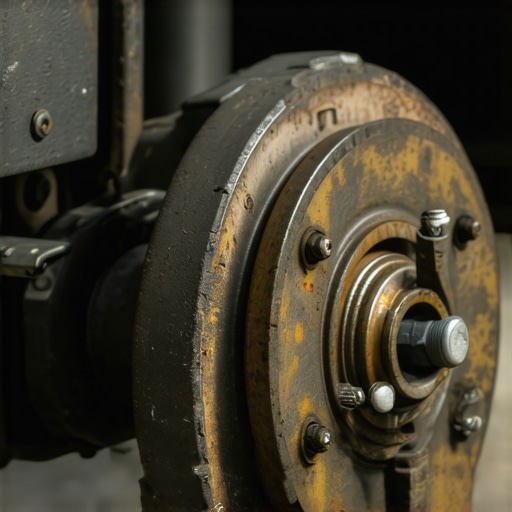
Start by safely jacking up your car and removing the wheel to expose the brake assembly. Use a lug wrench to loosen the lug nuts before lifting the vehicle with a jack, ensuring stability on flat ground. Once the wheel is off, examine the caliper for rust, corrosion, or debris that might cause it to stick. I once found years of brake dust caking the caliper, which turned out to be the main culprit behind sticking brakes. Cleaning this buildup can often resolve the issue without replacing parts.
Apply Penetrating Oil to Loosen Rust
Spray a generous amount of penetrating oil, like WD-40 or PB Blaster, onto the guide pins and around the caliper piston. Let it sit for at least 10-15 minutes to penetrate rust and corrosion. I remember a time when I used this method on my truck, and after a few applications, the caliper piston moved freely again—saving me hundreds of dollars. Be patient here; rushing can damage your brake components.
Use a C-Clamp or Brake Piston Tool
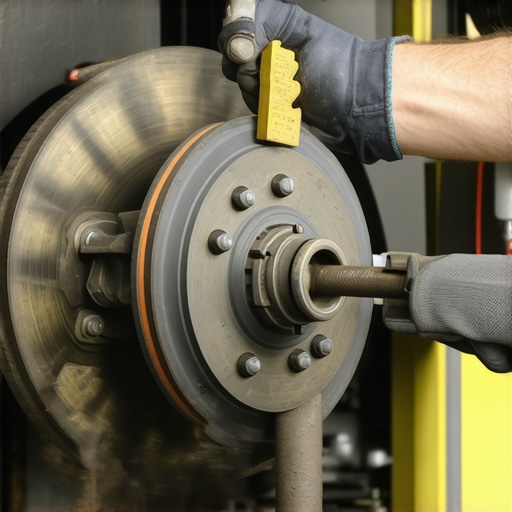
To free the caliper piston, place a C-clamp or piston tool against the piston, pressing it back into the caliper housing. Turn the clamp slowly, making sure to protect the rubber seal on the piston. The goal is to push the piston back smoothly without forcing it, which could damage the seal and lead to leaks. I once used an old, worn-out C-clamp, which made the piston stick unevenly, causing more work — so choose your tools wisely. Always perform this step gently to avoid damaging the caliper or piston seal.
Check the Brake Pads and Guide Pins
Remove the brake pads carefully and inspect for uneven wear or debris that might impede the caliper’s movement. Clean the guide pins with a wire brush and apply high-temperature brake grease to ensure smooth sliding. In my experience, failing to lubricate guide pins causes sticking over time. Proper lubrication is key: a small amount of brake grease prevents guide pin corrosion and ensures quick, smooth caliper movement. This step can often restore function without the need for full caliper replacement.
Test and Reassemble
Before reattaching the wheel, press the brake pedal multiple times to restore hydraulic pressure. This helps the piston settle into its correct position. Then, spin the wheel by hand to verify smooth operation. If resistance persists, revisit the cleaning steps or consider replacing problematic hardware. Once satisfied, put the wheel back on, tighten the lug nuts securely, lower the vehicle, and double-check torque specifications. My own success rate with these steps has consistently prevented unnecessary replacements, saving time and money.
When most car owners hear about ASE certification, they often assume it guarantees a mechanic’s expertise across all aspects of vehicle repair, including complex issues like transmissions or nuanced oil change interventions. However, **the truth is more nuanced than that**. ASE certification, while a reputable indicator, does not automatically mean a technician is a specialist in every area; in fact, many ASE-certified mechanics focus on specific systems, and their expertise can be quite specialized. _According to automotive industry experts_, such as those at the National Institute for Automotive Service Excellence, ASE certification tests core competencies but doesn’t necessarily certify mastery in every niche—be it transmissions or high-end diagnostics.
A common myth is that an oil change is a simple, almost automatic service. In reality, advanced techniques — like _using specialized oil filters or selecting the right synthetic blend_ — can significantly improve engine longevity. _For example_, choosing an oil that meets your vehicle’s specific requirements can prevent costly engine wear, as highlighted in [Top Oil Change Tips for Safe Driving in 2025](https://autofixclinic.com/top-oil-change-tips-for-safe-driving-in-2025). Conversely, many car owners neglect that not all oils are interchangeable, and using the wrong type can lead to _oil sludge buildup_ or _reduced engine performance_.
Another overlooked nuance is the importance of proper transmission servicing. Many believe that simply topping off transmission fluid suffices, but **a simple drain and fill aren’t equal to a complete transmission flush** — a procedure that can remove accumulated debris and extend transmission lifespan. _Mechanics who understand the difference_ promote regular full flushes, especially in vehicles towing or used in harsh conditions, which aligns with detailed insights from [Transmission Troubles: Expert Insights for Smooth Shifting](https://autofixclinic.com/transmission-troubles-expert-insights-for-smooth-shifting).
Erroneously, some think that all car services are created equal or that inexpensive, generic parts are just as good as OEM-certified ones. But **cutting corners with low-quality filters or fluids can backfire deeply**, leading to _premature engine failure_ or _transmission damage_. The trap here is believing that saving a few dollars in the short term justifies risking costly repairs later.
### What makes a service truly effective for your vehicle?
It’s crucial to understand that _not all mechanics are equal_. Apart from certifications like ASE, their experience, equipment, and specialization matter greatly. The key is to choose the right service provider by assessing their competencies in specific systems, rather than relying solely on generic certifications. For this reason, research and asking the right questions can prevent costly mistakes—particularly when it comes to advanced systems like transmissions or intricate oil changes.It’s essential to **dissect service claims critically** and recognize that a service sticker or a generic Maintaining your vehicle’s performance over time requires not just routine checks but also the right tools and methods that ensure longevity and reliable operation. One of my go-to tools is the digital inspection camera, which allows me to assess engine components, transmission parts, or brake assemblies with precision without dismantling entire sections. Personally, I rely on models like the RIDGID Seek Pro because of its high-resolution display and flexible probe, making it invaluable for spotting hidden issues early and avoiding costly repairs. Additionally, diagnostic software such as the Autel MaxiSys series provides comprehensive vehicle health reports, compatible across a broad range of makes and models, and helps me accurately interpret fault codes before they escalate into bigger problems. In my experience, integrating these digital tools streamlines diagnostics, saves time, and boosts confidence in maintenance decisions.
Lessons That Changed My Approach to Vehicle Care
- One of my toughest realizations was that not every stuck caliper needs replacing; with patience and the right technique, many issues are reversible, saving both time and money.
- I learned that regular inspection of guide pins and brake fluid quality can prevent caliper sticking altogether—small habits that pay off big in reliability.
- Addressing corrosion early, rather than ignoring minor rust, can extend the life of your brake components and maintain optimal safety.
- Over time, I discovered that understanding the precise function of each part in the braking system empowers me to diagnose issues more accurately and confidently.
Tools and Resources That Elevate Brake Repairs
- Digital Inspection Cameras: Devices like the RIDGID Seek Pro help me see hard-to-reach areas and assess corrosion or debris without full disassembly, making diagnostics faster and more accurate.
- High-Temperature Brake Grease: Applying quality grease to guide pins enhances movement and prevents future sticking—trustworthy products have consistently delivered reliable results in my experience.
- Professional-Grade Penetrating Oils: Brands like PB Blaster penetrate rust effectively, saving the hassle and expense of forcing components apart or replacing parts prematurely.
- Educational Platforms: Resources such as [Choosing the Right Car Service](https://autofixclinic.com/choosing-the-right-car-service-for-your-vehicles-needs) provide insights into preventative maintenance strategies that keep your brakes in top shape longer.
Your Journey Towards Confident Car Care Starts Today
Taking control of repairs like fixing a stuck brake caliper isn’t just about saving money—it’s about empowering yourself with knowledge that ensures your safety and keeps your vehicle running smoothly for years to come. Whether you’re tackling your brake system or seeking reliable maintenance, embracing a DIY mindset rooted in proper tools and informed decisions leads to better, more confident driving.
Have you ever faced a stubborn brake caliper that challenged your DIY skills? Share your story or ask questions below—let’s learn from each other’s experiences.