The first thing to check when your car won’t crank
I’ll never forget the time I was rushing to an important meeting when my car refused to start. Just as I turned the key, silence – no engine roar, no scent of freshly burned fuel. That frustrating moment made me realize something: understanding the simple yet crucial initial checks can save you time, money, and a lot of stress. If you’ve ever found yourself stranded with a car that won’t crank, you’re not alone. I want to walk you through the first thing I check every time my vehicle acts up — because knowing this might just prevent a costly tow or unnecessary repairs.
Why the Car Won’t Crank Matters More Than You Think
Dealing with a car that won’t turn over can feel overwhelming, but often, the solution is surprisingly straightforward. Being aware of the key culprit can empower you to handle the situation confidently. After years of experience and some costly early mistakes — like replacing parts blindly — I’ve learned that the initial check can differentiate between a quick fix and a trip to the repair shop. For a deep dive into how regular maintenance extends your vehicle’s lifespan, I highly recommend reading why regular oil changes matter. Now, let’s get into the first thing I always look for to troubleshoot a non-starting car.
Check the Battery First
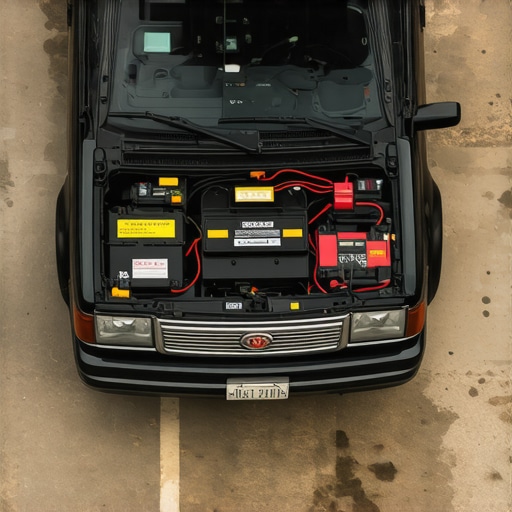
Start with the simplest culprit: the battery. If your headlights or dashboard lights are dim or flickering, it’s a sign the battery may be dead or weak. When I faced my own car that refused to start on a chilly morning, I checked the battery terminals for corrosion and tightness. Using a multimeter, I tested the voltage; readings below 12.4 volts indicated a low charge. If the battery is the issue, jump-starting might work temporarily, but replacing the battery ensures longer reliability. Remember, a failing battery can mimic other issues, so it’s vital to confirm its health.
Inspect the Fuses and Relays
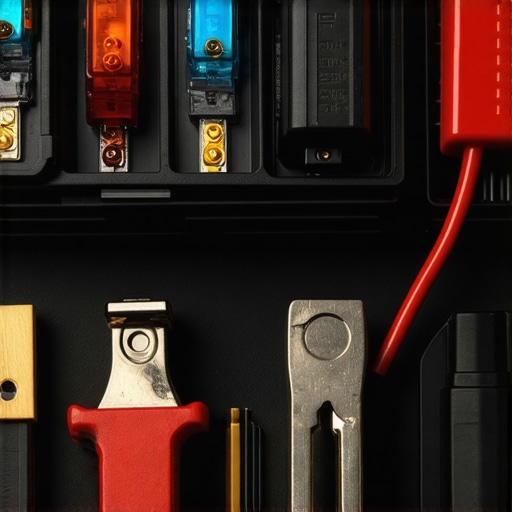
Fuses are like the circuit breakers of your car. A blown fuse in the starting circuit can prevent your vehicle from turning over. Locate your fuse box (usually under the dashboard or in the engine bay) and consult the owner’s manual to identify the relevant fuse. Check for any that are burnt or broken. If you find a blown fuse, replace it with one of the same amperage. Sometimes, relays can also fail; swapping a relay with a similar one temporarily can help diagnose if it’s the culprit.
Test the Starter Motor and Solenoid
The starter motor is what crank your engine at startup. When I listened carefully after turning the key, a single click without engine turnover pointed to a faulty starter solenoid. To test, I tapped gently on the starter while someone else turned the key; if the engine started, the starter was failing and needed replacement. For a thorough check, an ASE certified technician can perform a bench test on the starter to confirm its condition.
Assess the Ignition Switch and Key
Sometimes, the problem isn’t mechanical but electrical. If your lights work, but the ignition isn’t sending power to the starter, the switch could be faulty. Try turning the key to the start position multiple times or jiggle it; if the connection is loose, it might restore functionality temporarily. In modern cars with push-button starters, ensure the key fob battery isn’t drained, and the system recognizes your proximity.
Examine Fuel and Spark Systems
If the engine doesn’t crank but cranks over slowly or intermittently, suspect fuel delivery or spark issues. Listen for the fuel pump’s hum when turning the ignition to the ON position. If absent, the fuel pump relay or pump itself might be faulty. Additionally, a spark plug analyzer or a spark tester can determine if spark is reaching the cylinders. Without both fuel and spark, the engine won’t start, requiring a professional diagnosis or specific repairs.
Prioritize Professional Help for Complex Cases
While these steps cover common causes, some issues—like transmission faults or ECU problems—are better left to experts. If the above checks don’t resolve the issue, consider visiting a trusted professional mechanic. An ASE certified technician can run a comprehensive diagnostic, often with advanced tools, to pinpoint the problem quickly.
 Many car owners believe that simply scheduling regular oil changes is enough to keep their vehicle in top shape. However, this misconception can lead to overlooked issues that cause long-term damage. For instance, chasing cheap oil services without verifying the technician’s expertise often results in subpar work, which may accelerate engine wear. An ASE certification isn’t just a badge; it signifies adherence to industry standards, ensuring your vehicle receives competent care. Unfortunately, many think all mechanics are equally qualified, but studies show that ASE-certified technicians outperform non-certified counterparts in diagnosing complex problems effectively (source). Moreover, some drivers get caught up in myths—like believing transmission fluid never needs changing—that can be costly if misunderstood. The reality is that neglecting transmission service frequently leads to slipping gears or overheating, issues that advanced diagnostics can detect early when performed by an expert. Don’t assume that all transmission problems show obvious symptoms; a subtle shift delay might be the first sign of impending failure. Make sure your service provider understands the importance of expert diagnosis and uses proper testing equipment, not just routine replacements.
How can advanced diagnostics prevent costly transmission failures?
Modern vehicles come equipped with sensors that monitor real-time performance; a seasoned ASE-certified tech utilizes these tools to identify anomalies before they escalate. Regularly reviewing your vehicle’s service history and trusting certified professionals can prolong its lifespan. Remember, shortcuts like ignoring recommended service intervals or relying solely on DIY solutions often backfire, leading to complex repairs. If you’re unsure about your mechanic’s qualifications or the nuances of your car’s needs, consult the comprehensive guide on choosing the right service. Staying informed about these subtleties not only saves money but also ensures your safety on the road. Have you ever fallen into this trap? Let me know in the comments.
Invest in Precision Diagnostics Equipment
To keep your vehicle running smoothly over the years, investing in high-quality diagnostic tools is essential. I personally rely on an autoSCAN OBD-II scanner, which connects to my smartphone via Bluetooth, providing real-time data and alerts. This device helps me catch potential issues before they develop into costly repairs, especially with complex systems like transmissions or engine sensors. Using a professional-grade scanner ensures you get accurate readings, and many models now include advanced features like freeze-frame analysis and ABS/SRS diagnostics.
Implement Preventive Maintenance Schedules
Maintaining your vehicle’s longevity depends heavily on adhering to a well-planned schedule. I highly recommend following the manufacturer’s recommended intervals for oil changes, fluid flushes, and filter replacements. Tools like a maintenance log app streamline this process; I personally use Fleetio, which reminds me of upcoming services and records past work. Regular inspections—such as checking the transmission fluid condition or inspecting belts and hoses—can prevent surprises down the road. This proactive approach aligns with industry standards and helps avoid breakdowns that could require ASE-certified technicians (see here).
Stay Ahead with Software Monitoring
Beyond physical inspections, leveraging vehicle monitoring software can offer insights into long-term health. I’ve integrated a system called CarMD, which scans your vehicle’s electronic systems and predicts potential failures with advanced algorithms. This technology is especially useful for detecting early transmission issues or engine misfires that aren’t yet evident through driving. As automotive technology trends toward greater connectivity, future tools will likely incorporate AI-driven diagnostics, making maintenance even more predictive and precise.
Develop a Relationship with Certified Experts
While DIY and home-based diagnostics are valuable, establishing a relationship with a trusted ASE certified mechanic ensures your vehicle receives expert care when needed. They have access to manufacturer-specific diagnostic software and training, allowing them to quickly pinpoint complex issues. Regularly consulting with these professionals can also help you understand the nuanced needs of your vehicle, keeping it in optimal condition for years to come. Remember, this continued partnership is a cornerstone of effective maintenance—one that can save you thousands in the long run.
How do I maintain transmission health over time?
Transmission health is vital for smooth driving and longevity. Regularly checking your transmission fluid level and condition is a simple yet powerful step. Some newer vehicles feature transmission fluid temperature sensors, providing data directly to your dashboard or compatible apps. For manual transmissions, ensure the clutch is engaging properly and consider periodic drain-and-fill services. Using high-quality, OEM-recommended fluids and having a skilled ASE technician perform a detailed transmission analysis at least once every 60,000 miles can extend its lifespan significantly. The trend is moving toward comprehensive monitoring systems—like the transmission diagnostics guide—which will continue to evolve and improve long-term performance.
Remember, implementing these tools and practices today prepares your vehicle for the road ahead. Try integrating a diagnostic software like CarMD as your first step to proactive maintenance and see the difference it makes in identifying issues early before they escalate.
Blind Spots in Car Maintenance That Cost Me Dearly
One of the hardest lessons I learned was trusting the wrong mechanic because I overlooked the importance of ASE certification. Relying on generic workshops without verified expertise led to misdiagnosed issues and costly repairs. Now, I always insist on certified technicians, realizing that their training and commitment prevent future pitfalls and ensure my vehicle’s longevity.
Tools That Transformed My Approach to Vehicle Troubleshooting
Investing in a quality diagnostic scanner changed everything. I personally use the autoSCAN OBD-II scanner, which helps me catch problems early and understand my car’s internal health without guessing. Having reliable tools empowers even non-professionals to monitor their vehicle’s performance accurately, saving money and avoiding unnecessary visits.
Embracing Preventive Habits for Peace of Mind
Consistently following a tailored maintenance schedule, such as those outlined in regular oil changes, proved to be a game changer. It’s the small, disciplined actions—checking fluid levels, listening for unusual noises—that build a shield against unexpected breakdowns. These habits, learned through my experience, bring confidence and control over vehicle health.
Why Trusted Professionals Matter More Than Ever
It took a few bad experiences to understand that not all mechanics are equal. Partnering with ASE-certified experts like those at trusted car service providers guarantees top-tier diagnostics and repairs. Their advanced knowledge and honesty save me from costly guesswork and ensure my car performs optimally for miles to come.
Turning Experience into Action for Safer Miles Ahead
My journey has taught me that proactive maintenance, continuous learning, and selecting qualified professionals make all the difference. If you’re ready to take control of your car’s health, start with simple diagnostics and build from there. Vehicles are complex, but with the right mindset and tools, you’ll enjoy safer, smoother journeys. What’s the first improvement you plan to make today?