The Hidden Signs That Your Steering Rack is Failing
It was just another lazy Saturday morning when I reached for my keys, started the engine, and immediately felt a strange wobble in my hands. The steering wheel felt off-center, and I noticed a subtle stiffness when turning. That moment, right there, was a real eye-opener for me. I realized I had been ignoring some tiny clues—signs that my steering rack was slowly failing. Every driver has faced that unnerving sensation, but many brush it off, thinking it’s just a rough road or a minor issue. The truth is, those little hints are often the first whisper of a much bigger problem.
Why Ignoring These Signs Could Cost You Big Time
The steering system is your car’s direct line of communication between you and the road. When it starts to falter, the risks aren’t just about a uncomfortable drive—they can turn into serious safety hazards. I learned this the hard way, by neglecting the early WARNING signs and ending up with costly repairs and a trip to the mechanic I’d rather forget. According to automotive experts, ignoring symptoms like unusual noises or steering pull can lead to complete steering failure, risking your safety and that of others. Regularly paying attention to these signals is essential, but many drivers miss or dismiss them, thinking they’re just inconveniences.
If you’re like me, you might be asking, “How do I tell if my steering rack is about to give out?” That’s exactly what we’re going to explore, so you don’t have to face a sudden breakdown on the highway.
Is all this worry worth the hype? How much do these signs really matter?
Early in my journey, I made a rookie mistake—I assumed that a little vibration or a slight pull was normal wear and tear. Turns out, that was a costly misconception! Because of that experience, I always advise fellow drivers to trust their instincts and keep an eye on steering issues. Recognizing the early signs is crucial, and I’m here to help you identify them before they escalate. For more tips on maintaining your car’s health, check out [top oil change tips](https://autofixclinic.com/top-oil-change-tips-for-safe-driving-in-2025) and how ASE certification can give you peace of mind about your mechanic’s expertise. Remember, catching these problems early can save you money and keep you safe on the road.
Inspect Your Steering System Regularly
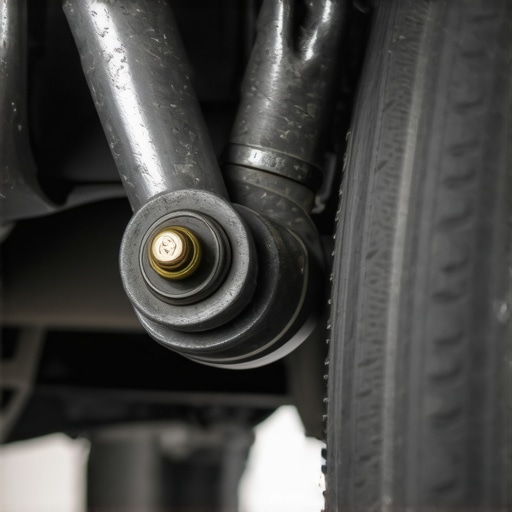
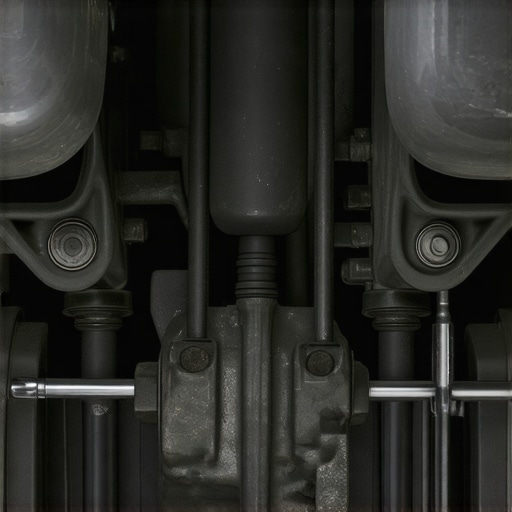
Begin by visually examining your steering components for signs of wear. Lift your vehicle safely, and check for cracked or leaking seals around the steering rack. Use a flashlight to spot any corrosion or fluid leaks that can indicate internal damage. During these inspections, look for torn or worn boots that protect the rack and tie rods, as damage here can lead to dirt ingress and accelerated failure. Performing visual checks every few months can catch early signs before they escalate into costly repairs.
Test Steering Responsiveness and Feel
Next, pay attention to how your car responds during normal driving. Test the steering by driving straight, then gently turning left and right. Notice if there’s a delay, stiff movement, or if the wheel feels off-center after turns. A common sign of a failing steering rack is a persistent pull to one side or resistance during turns. For instance, I once drove my car on a quiet street, gently turning the steering wheel back and forth. I detected increased stiffness and slight delays, which prompted me to seek professional diagnosis, saving me from a breakdown later.
Identify Unusual Sounds During Operation
Listen carefully for noises like clunking, squealing, or grinding when turning. These sounds often point to worn-out internal components or lack of lubrication within the rack assembly. During a routine check, I heard a faint whining noise whenever I steered at low speeds. Recognizing this as a warning, I booked a mechanic appointment, which revealed the rack was beginning to fail—promptly replaced to ensure safety and smooth driving.
Check Power Steering Fluid Levels and Quality
Maintain proper fluid levels as low fluid can cause steering stiffness and damage. Locate your vehicle’s power steering reservoir, typically labeled, and check the fluid with the dipstick or sight glass. Use a clean cloth to wipe the dipstick before pulling it out, then compare the fluid level to the manufacturer’s markings. Also, note the fluid’s color—dark or contaminated fluid suggests the need for a flush. If you notice swirling or strawberry milkshake-like appearance, see this article for further guidance. I once topped up the fluid and then scheduled a comprehensive inspection, which identified internal leaks in the rack assembly.
Perform a Physical Test for Play and Resistance
Secure your vehicle on a flat surface and turn the wheels to either side fully. With the engine off, grab the wheel at the 9 and 3 o’clock positions and try to wiggle it. Excessive play indicates worn tie rods or a failing rack. Repeat the test with the steering wheel, ensuring there’s no excessive free play or unexpected resistance. During my own check, I felt a slight looseness in the wheel’s movement, prompting a visit to the mechanic. The technician confirmed the rack had internal slack and replaced it with a certified unit, improving steering precision.
Seek Professional Diagnosis When in Doubt
If any signs are suspicious or uncertain, ask an ASE-certified technician to evaluate your steering system. They use specialized tools, such as rack alignment lasers and pressure gauges, to identify issues accurately. An ASE certification ensures the technician has proven expertise and can recommend the correct repairs. Remember, routine inspections didn’t just prevent a roadside failure for me—they extended my vehicle’s lifespan and kept me safe. Being proactive with your steering system ensures you stay ahead of costly repairs and unsafe driving conditions.Many car owners assume that oil changes and regular servicing are merely routine chores or quick fixes, but in reality, there’s a wealth of nuance that often goes unnoticed. One common misconception is that all oils are created equal; however, choosing the wrong type or neglecting the manufacturer’s recommendations can accelerate engine wear or reduce fuel efficiency. For instance, Synthetic oils offer superior oxidation stability and better thermal performance, which can extend your engine’s lifespan—something many overlook when opting for the cheapest option. According to automotive expert Jack Miller, misapplication or neglecting oil specifications can lead to incomplete lubrication and increased engine deposits, significantly impacting long-term performance.
A significant oversight involves undervaluing the importance of a proper transmission fluid change. Many drivers believe that checking the transmission for leaks suffices, but the fluid’s condition—its cleanliness, viscosity, and odor—is equally critical. Old or contaminated fluid can lead to slippage, delayed shifts, or even transmission failure. As explained in expert analyses, failing to adhere to the recommended change intervals can cause irreversible damage, hence the importance of understanding the difference between simple drain-and-fill and proactive transmission coolers or filters.
Another widespread error pertains to trusting that ASE certification alone guarantees a mechanic’s competence. While ASE certification indicates a level of proficiency, it doesn’t automatically mean the tech is well-versed in modern, complex systems like direct-injection engines or electric components. Sometimes, shops with certified technicians still employ outdated procedures or use substandard parts, which can backfire in reliability and resale value. Research from Auto Expert Group highlights that verifying a technician’s specialization and ongoing education is vital for quality repairs, especially for advanced systems.
Should I really care about certifications if my car runs fine?
When your car seems to run smoothly, it’s tempting to dismiss certification. However, small issues like delayed shifts or oil consumption can silently undermine your engine’s health. An ASE-certified technician, for example, is trained to spot such subtle signs before they become costly repairs, ensuring longevity and performance. Don’t forget, routine services with a qualified mechanic can help identify problems early—saving you money and enhancing safety. Check out [how to identify an ASE technician who genuinely cares about your vehicle](https://autofixclinic.com/how-to-diagnose-a-bad-wheel-bearing-before-it-locks-up) for further insights.
Remember, the devil is in the details. Properly understanding the nuances of oil specifications, service intervals, and certifications helps you make informed decisions—not only for immediate fixes but for your vehicle’s future reliability. Are you unknowingly falling into these traps? Let me know in the comments and share your experiences or questions. Regular, expert-guided maintenance is the best investment you can make to keep your car running smoothly for years to come.Maintaining your vehicle’s health over the long haul requires more than just basic knowledge—it demands the right tools and disciplined methods. I’ve personally invested in a digital multimeter optimized for automotive diagnostics, which allows me to quickly verify electrical circuits and ensure sensors like the ABS or transmission range sensors are operating correctly. This eliminates guesswork and prevents costly repairs caused by overlooked electrical faults. A quality code reader is also invaluable; I prefer one that can clear and read codes from all factory systems and provides live data streams, such as the BlueDriver OBD2 Scanner, which I use during routine inspections or when diagnosing intermittent issues. Regularly updating your diagnostic software is essential because automotive systems become more complex, and staying current helps catch problems early.
To keep your tools effective over time, clean and store them properly—corrosion can compromise their accuracy, especially in moisture-prone environments.
Looking ahead, I predict that the integration of IoT and AI-driven diagnostics will revolutionize how we approach vehicle maintenance, making it more precise and proactive. This means that, in the future, having a smartphone-connected diagnostic device with real-time alerts could become standard for everyday car owners. Moreover, adopting remote diagnostic tools can help you identify issues before they cause breakdowns, saving you money and avoiding safety risks.
Want to step up your maintenance game? Start by investing in a comprehensive diagnostic scanner that suits your vehicle’s needs. For instance, the [BlueDriver OBD2 Scanner](https://autofixclinic.com/contact-us) is a reliable choice praised by professional mechanics and DIY enthusiasts alike. Remember, consistent tools and techniques lead to fewer surprises on the road and extend your car’s lifespan. Keep an eye on evolving technology, and don’t hesitate to incorporate advanced diagnostics into your routine. If you’re interested in how to handle transmission issues more effectively, check out [transmission troubleshooting](https://autofixclinic.com/transmission-troubles-expert-insights-for-smooth-shifting) for expert insights to complement your toolset.
Lessons That Shifted My Perspective on Car Care
One of the most impactful lessons I learned was the importance of trusting my instincts regarding steering issues. Ignoring subtle signs like pulling or stiffness can lead to costly repairs or dangerous situations. Another lightbulb moment was realizing that routine visual inspections of components like the steering rack could catch problems early, saving hundreds of dollars. Lastly, I discovered that investing in proper diagnostic tools and understanding what they tell you is invaluable—it’s a game-changer for proactive maintenance.
Tools and Resources That Make a Difference in Car Maintenance
My go-to resource is the comprehensive guide on top oil change tips for safe driving. It’s filled with actionable advice that prevents engine wear. The guide to choosing the right car service helps me pick mechanics who are truly ASE certified, ensuring quality work. I also rely on diagnostic tools like the BlueDriver OBD2 Scanner to stay ahead of potential issues, which has saved me from unexpected breakdowns. These tools and resources are the backbone of my preventative approach towards vehicle maintenance.
Your Next Step Toward Confident Car Ownership
Taking control of your vehicle’s health not only prolongs its lifespan but also enhances your safety and peace of mind. Regularly inspecting, diagnosing, and understanding your car’s signals empower you to handle minor issues before they escalate. Remember, becoming familiar with your car’s nuances makes you less vulnerable to costly repairs and more confident on the road. If you’re curious about optimizing your vehicle’s longevity, start by implementing some of the tips discussed and stay proactive. Your car will thank you, and so will your wallet. What’s the first maintenance habit you’re planning to adopt today? Share your thoughts below and let’s keep each other motivated.