The Benefit of Using a True Synthetic Oil in Your High-Revving Engine
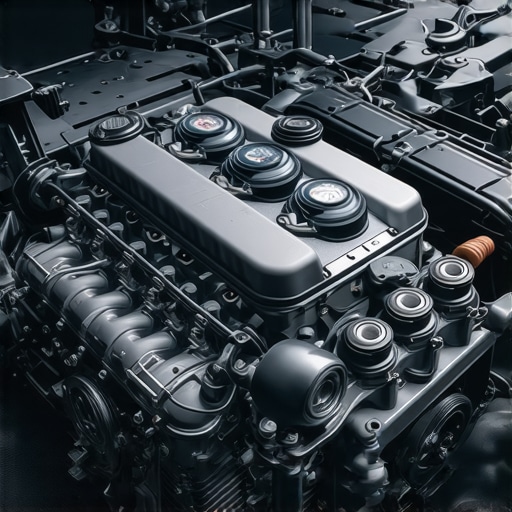
It was late on a Friday afternoon when I finally looked under the hood of my beloved sports car and noticed the engine was louder than usual. A faint whine, almost like a jet preparing for takeoff, had become part of my daily drive. That lightbulb moment made me realize I’d been neglecting one crucial aspect of my engine’s health—my choice of oil. Like many enthusiasts, I’d trusted generic brands and quick oil changes, hoping to save a buck. But my high-revving engine, which demands the best, was screaming for something more. Have you ever experienced a sudden drop in performance or an unusual noise that just wouldn’t go away? If so, stick around because I’m about to share how switching to a true synthetic oil transformed my engine’s life and why it could do the same for yours.
Prepare Your Vehicle and Gather Supplies
Start by parking your car on a level surface and turning off the engine. Allow it to cool for at least 30 minutes to prevent burns and ensure the oil is settled. Gather all necessary tools: a wrench or socket set, an oil drain pan, a new oil filter, fresh synthetic oil (refer to top oil change tips), and protective gloves. Having everything within reach prevents accidents and streamlines the process.
Drain the Old Oil
Locate the Drain Plug
Identify the oil pan drain plug beneath your vehicle—it’s usually a bolt at the lowest point of the oil pan. Use a wrench to carefully loosen and remove the plug, positioning your oil drain pan underneath to catch the old oil. Remember, old oil can be recycled responsibly; do not pour it down the drain or onto the ground.
Remove the Drain Plug
Slowly unscrew the drain plug by hand or with a wrench, depending on your setup. Allow all the oil to flow into the drain pan. Be prepared for a few seconds of spillage—wear gloves and protective clothing to prevent skin contact with used oil.
Replace the Oil Filter
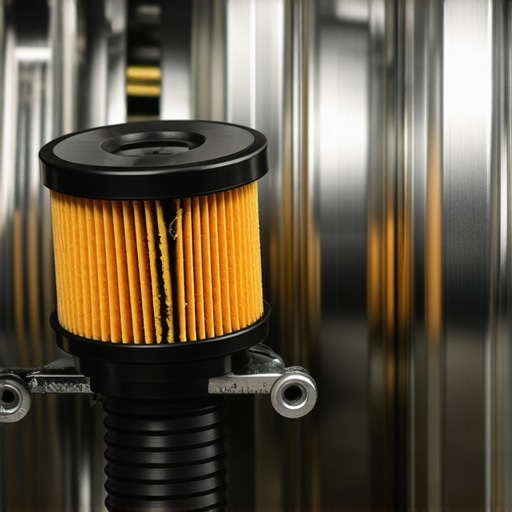
Locate the oil filter, which is typically on the side of the engine block. Use an oil filter wrench to unscrew it carefully. Before installing the new filter, apply a thin layer of fresh oil to the rubber gasket to ensure a proper seal. Screw in the new filter by hand until snug, then tighten slightly with the wrench. Proper filter installation prevents leaks and ensures optimal engine lubrication.
Refill with New Synthetic Oil
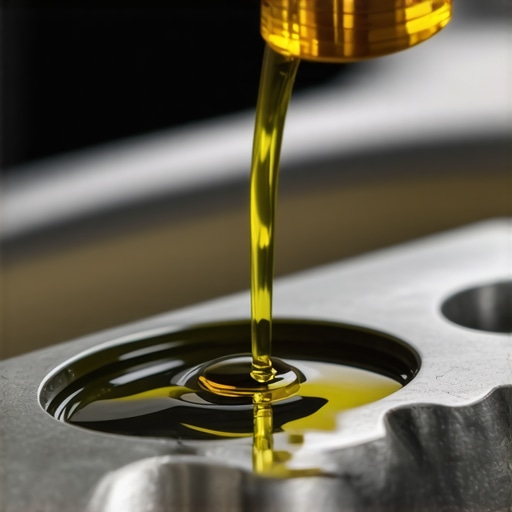
Reinstall the drain plug securely, tightening to the manufacturer specifications. Open the hood and locate the oil fill cap. Pour in the recommended amount of new synthetic oil—refer to your vehicle manual or why regular oil changes matter. Use a funnel for accuracy and avoid spills. After filling, replace the cap tightly.
Check for Leaks and Final Inspection
Start the engine and let it run for a few minutes. Inspect underneath for any signs of oil leaks around the filter and drain plug. Turn off the engine and wait a few moments for the oil to settle. Use the dipstick to verify the oil level—add more if necessary to reach the optimal mark. Regularly monitoring your oil level extends your engine’s lifespan and keeps it running smoothly.
Dispose of Old Oil Responsibly
Never pour used oil down the drain or onto the ground. Take it to a certified recycling center or an authorized disposal facility. Proper disposal protects the environment and keeps your community clean.
While many vehicle owners believe that an ASE certification guarantees flawless maintenance, the truth is there’s a nuanced reality behind these credentials. ASE certification signifies a technician’s proficiency, but it doesn’t automatically mean your car will be future-proofed against common pitfalls or that every repair shop applies best practices consistently. A prevalent myth is that ASE-certified technicians always recommend generic repairs; in fact, savvy professionals tailor solutions based on detailed diagnostics.
Furthermore, relying solely on a standard oil change without understanding the nuances of synthetic versus conventional oils can lead to overlooked engine issues. Synthetic oils offer better stability, reducing engine wear, especially in high-performance or high-mileage engines, but many overlook the importance of choosing the right formulation for specific driving conditions. An advanced mistake is neglecting transmission fluid health; many drivers assume it’s a ‘set and forget’ component, yet degraded transmission fluid can cause harsh shifts or slipping. For instance, old transmission fluid not only reduces efficiency but accelerates component wear.
One critical trap to avoid is the assumption that all maintenance tasks are interchangeable. This misconception can cause owners to skip essential services like periodic transmission flushes or differential fluid replacements, which are crucial for longevity. The subtlety lies in understanding that each component interacts uniquely with specific lubricants and service intervals—knowingly or unknowingly, neglecting this intricate balance often results in premature failures.
On the topic of diagnostics, many assume that a check engine light always indicates a major problem; however, minor sensor issues or outdated software can trigger false alarms. An advanced insight comes from adopting proactive diagnostics, such as checking transmission fluid without specialized tools, which can reveal early symptoms of deterioration.
To maximize your vehicle’s lifespan, learn to interpret these subtle cues and avoid the common myth that routine maintenance is redundant if the car appears fine. Remember, a diligent car owner understands that every detail—from oil viscosity to transmission health—contributes to the smooth operation and safety of your ride.
Have you ever fallen into this trap? Let me know in the comments and share your experiences. For comprehensive guidance on choosing the right car service tailored to your vehicle’s needs, visit our expert tips.
Choosing Your Equipment Wisely: The Foundation of Reliable Maintenance
When it comes to keeping your vehicle in top shape over the years, investing in the right tools is essential. I personally rely on a digital torque wrench for precise bolt tightening, ensuring that critical components like the transmission pan or oil filters are secured to manufacturer specifications. Unlike manual gauges, digital models provide consistent, accurate readings, preventing over-tightening that could damage threads or leak seals. Additionally, I swear by a high-quality automotive stethoscope, enabling me to listen for abnormal noises in engines and transmissions without intrusive disassembly. This proactive approach allows for early detection of issues, saving time and money in the long run.
Leveraging Diagnostic Software for Accurate Insights
In the digital age, robust diagnostic tools are non-negotiable. Personally, I use a professional-grade OBD-II scanner connected via a Bluetooth dongle, which syncs seamlessly with my laptop. This setup lets me perform comprehensive scans, clear error codes, and track real-time sensor data. For transmission-specific diagnostics, I employ software that can read manufacturer-specific codes—crucial when troubleshooting slipping or shuddering. Regularly analyzing diagnostic data helps me monitor transmission fluid temperature, shifting patterns, and more, ensuring I catch red flags early. As vehicle electronics become more sophisticated, integrating software solutions has become vital for preventative maintenance.
Scheduling and Documentation: Staying Ahead of Wear and Tear
Another tool I highly recommend is a maintenance tracking app tailored for automotive care. It reminds me of upcoming oil changes, transmission fluid replacements, and other critical service intervals based on my driving habits. Keeping meticulous records via these apps not only extends component life but also boosts resale value, demonstrating meticulous maintenance history. I log each service, including the oil type used and parts replaced, which proves invaluable if issues arise later. This disciplined record-keeping complements physical inspections and helps prioritize long-term maintenance, especially for complex systems like transmissions that require nuanced care over time.
Where Maintenance Meets Longevity: The Future of Vehicle Care
Looking ahead, I predict that AI-driven diagnostic tools and predictive analytics will revolutionize vehicle maintenance. Devices will analyze real-time data, forecast component failures, and even suggest optimized service schedules tailored specifically to your driving style. For now, combining high-quality physical tools with advanced software provides the best defense against unexpected breakdowns. I encourage you to experiment with these technologies—try a professional-grade diagnostic scanner or an auto maintenance app—and observe how they enhance your ability to maintain your vehicle proactively.
How do I maintain transmission health over time?
Regularly check transmission fluid levels and conditions using specialized tools or software, and adhere to recommended service intervals. Avoid neglecting subtle signs like slight shuddering or hard shifts, which can indicate early issues. For detailed guidance on diagnosing and preventing transmission problems, consult expert insights. An advanced tip is to perform periodic transmission fluid analysis, which can detect wear particles and contamination, allowing for proactive intervention. Remember, maintaining transmission health isn’t just about fluid changes; it involves an integrated approach utilizing both physical tools and diagnostic software, securing smooth shifting and extending your transmission’s longevity.
Lessons Learned from My Garage Revelation
I realized that rushing through oil changes or ignoring small engine noises often leads to bigger, costlier problems down the line. Investing in quality synthetic oil and understanding your vehicle’s specific needs transformed my driving experience, teaching me patience and attention to detail. The hardest lesson was accepting that proper maintenance isn’t just a service—it’s a safeguard for the future.
Also, I discovered that trusting high-tech diagnostic tools over mere intuition allows for early detection of issues, saving me both time and money. These insights have made me a more responsible owner, appreciating that every component, no matter how small, plays a role in my car’s health.
Tools and Resources That Changed My Approach
One resource I swear by is the comprehensive guide on top oil change tips. It provided clarity on selecting the right synthetic oils tailored for my driving style. For diagnostic precision, I rely on a professional-grade OBD-II scanner that bridges software and hardware seamlessly—this combination ensures I catch potential transmission or engine issues before they escalate. Additionally, using a maintenance tracking app has helped me stay ahead of every service interval, making each visit to the mechanic more purposeful. Lastly, consulting with ASE-certified experts keeps my knowledge grounded and my vehicle in expert hands.
Ignite your Drive with Action and Care
Remember, embracing smart maintenance with the right tools and knowledge isn’t just a chore—it’s an investment in your vehicle’s future. Every proactive step, from choosing high-quality synthetic oils to leveraging diagnostic software, empowers you to extend your engine’s lifespan and enjoy smoother rides. Don’t wait for warning lights or strange noises—take charge today, and your car will thank you for years to come.
What unexpected insight have you gained from your own vehicle maintenance journey? Share your story below and inspire others to prioritize their car’s health!