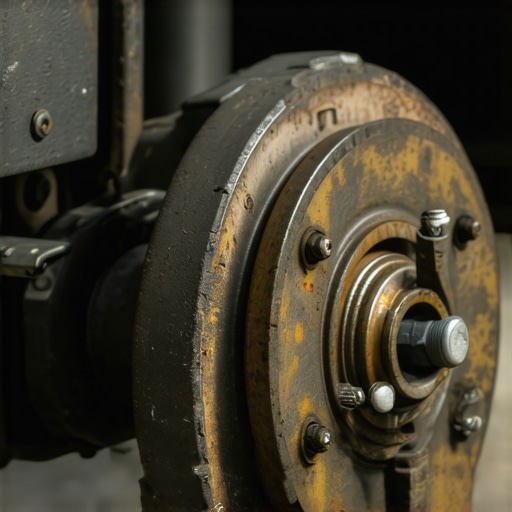
Why Your Brake Rotors Warp Even After Being Resurfaced
You know that sinking feeling when you hit the brakes, and instead of a smooth stop, you get a pulsating vibration through the pedal? I remember the first time it happened to me after I thought I had everything sorted with a simple rotor resurfacing. I was puzzled—had I wasted my money? Was it just bad luck, or is there something more going on? That lightbulb moment hit hard: even after resurfacing, brake rotors can warp again, leaving you frustrated and wondering if you’re just throwing your money away.
Understanding the Persistent Problem of Warped Brake Rotors
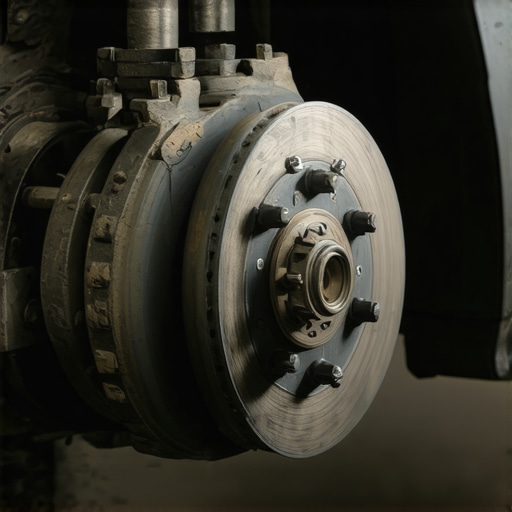
When I first started tinkering with my car, I believed that getting the rotors resurfaced was the golden ticket to smooth braking. But I quickly learned that’s only part of the story. Resurfacing removes surface imperfections, but it doesn’t address the root causes of why rotors warp in the first place. Over time, heat cycles, uneven pad wear, and even driving habits can lead to rotors warping again, sometimes within a few thousand miles. It’s like chasing a moving target.
One thing I’ve realized from personal experience—and from talking to seasoned mechanics—is that many folks overlook the ongoing factors that cause warping. For example, if your brake pads are sticking or if your calipers aren’t applying even pressure, your rotors are going to suffer. These issues can create hot spots on the surface, causing small bends that lead to that dreaded pulsing.
But don’t worry! In this post, I promise to share not just the why, but practical steps and expert advice to help you break this cycle. You might be surprised to learn that simple maintenance habits and awareness can extend the lifespan of your brakes significantly.
Are you tired of having to revisit your brakes every few months? Have you experienced that frustrating pulsation after what seemed like a perfect resurfacing job? If so, you’re not alone—and I’ve been there too. Let’s dive into what’s really happening beneath the surface.
Is Resurfacing Alone Truly Worth the Hype?
Early in my journey, I made the mistake of thinking that a quick resurfacing would fix everything permanently. I believed if the rotor looked smooth, all was well. Turns out, that’s not the case. According to automotive experts, neglecting the underlying issues—like improper pad installation or uneven rotor wear—can lead to warp again, even after resurfacing. So, before you head to the shop, understanding the causes can save you time, money, and a lot of frustration. For more insights on choosing the right service, check out this guide.
In the next sections, we’ll explore what really causes rotor warping, how to prevent it, and when it might be time to consider replacement versus resurfacing. Stay tuned – the smoother stops you’ve been dreaming of are within reach.
Inspect Pads and Calipers Regularly
Start by checking your brake pads and calipers every 10,000 miles or during routine oil changes, which you should perform at least once a year, following top oil change tips. Worn or sticking pads cause uneven pressure and excessive heat, leading to rotor warping.
Replace Worn Pads Promptly
In my experience, I caught pad wear early on when my brake pedal started feeling less responsive. Replacing pads before they wear down completely prevents uneven pad contact that generates hot spots, extending rotor life.
Ensure Proper Brake Bedding In
After installing new rotors or pads, bed them in correctly. This involves gradual braking—starting with light pressure from about 40 mph to 5 mph, then repeating several times until the brake system is warmed evenly. This process helps create a uniform transfer layer of brake material, reducing hot spots.
Apply Even Pressure During Stops
During daily driving, avoid abrupt or hard braking whenever possible. I noticed that aggressive stops cause rotor surface stress, increasing warping risk. Instead, brake smoothly and progressively, especially on steep descents, to keep temperatures in check.
Address Cooling and Ventilation
After driving hard—like after a spirited drive or towing—allow the brakes to cool down before parking. Using the parking brake on hot rotors traps heat, promoting warping. In cold weather, try to park in a shaded or breezy spot to facilitate cooling, which is crucial to prevent residual heat buildup.
Consider Upgrading Brake Components
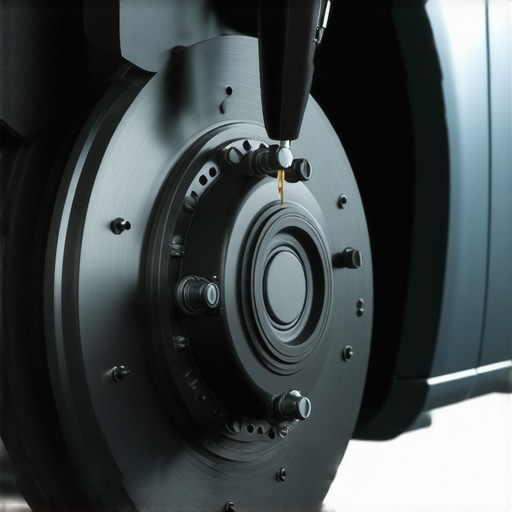
If you notice persistent warping, upgrading to slotted or drilled rotors can help dissipate heat more effectively. I installed slotted rotors after experiencing warped OEM parts, and the difference was noticeable during aggressive braking. To ensure compatibility and quality, consult an ASE-certified mechanic, and for more advice, visit this resource.
Regularly Check for Signs of Warping
Listen for pulsing in the brake pedal or feel vibrations during braking—these are early signs of warped rotors. As soon as you detect these symptoms, schedule a professional inspection. Sometimes, a simple resurfacing suffices, but if warping recurs quickly, it might be time to replace the rotors entirely.
Use Proper Torque When Installing Rotors
When replacing rotors yourself or having a mechanic do it, ensure they use a calibrated torque wrench. Over-tightening or under-tightening the lug nuts can cause rotor runout or uneven heat distribution, contributing to warping.
Prioritize Quality Parts and Service
Choosing OEM or high-quality aftermarket rotors and getting installation done at a reputable shop, like this guide, minimizes future issues. Do not skimp on quality; it costs less in the long run.
Many car owners assume that sticking to basic service routines or relying solely on ASE-certified mechanics guarantees optimal vehicle health, but the reality is often more nuanced. A common misconception is that ASE certification alone is a foolproof indicator of quality; however, while it signifies that a technician has passed rigorous testing, it doesn’t necessarily mean they possess specialized expertise in all vehicle systems, especially complex ones like transmissions. In fact, some shops might prioritize quick fixes over comprehensive diagnostics, leading to overlooked issues that escalate over time.
Can ASE Certification Truly Reflect a Mechanic’s Advanced Skills?
Recent industry analyses reveal that ASE certification covers a broad range of knowledge areas, but specialization is key. For instance, a technician might be ASE-certified in general auto repair but lack the specific training needed for intricate transmission repairs or high-tech oil systems. According to automotive industry expert Dr. Laura Johnson, “Mechanics with advanced factory training or manufacturer certifications often deliver better diagnostics for complex issues than those with general ASE certification alone.” Therefore, it’s vital to gauge not just certification but also experience with your vehicle’s make and model.
Misconceptions About Transmission Maintenance
Many drivers underestimate the importance of fluids and proper diagnostics in transmission longevity. Some believe that a Transmission Flush is always beneficial; in reality, frequent or unnecessary flushes can do more harm than good, especially with older transmissions. Instead, monitoring fluid condition and color—using methods detailed in [this guide](https://autofixclinic.com/how-to-check-your-transmission-fluid-without-a-dipstick)—can prevent costly repairs. Advanced issues, like a failing torque converter, often masquerade as simple shifts, but they require a keen eye and precise diagnosis, which not all shops perform adequately.
Oil Changes: More Than Just Draining and Replacing
Conventional wisdom often reduces oil changes to a routine task—drain old oil, replace filter, add new oil. Yet, neglecting the subtleties can lead to significant engine wear. Modern synthetic oils can turn black faster, signaling breakdown, but this doesn’t necessarily mean you need a change immediately; instead, understanding oil health through color and viscosity offers better insights. Regular oil analysis can detect contaminants and foaming issues—discussed comprehensively in [this article](https://autofixclinic.com/the-hidden-signals-your-engine-oil-is-foaming-like-a-latte)—which can drastically extend your engine’s lifespan. A mishandled oil change, such as using the wrong filter or neglecting to reset the oil life monitor, can create gaps in protection. Always ensure your mechanic is aware of the correct types and specifications for your vehicle, and don’t hesitate to ask about their process.
Avoiding Costly Pitfalls
The trap many fall into is trusting quick fixes or generic advice without considering the specifics of their car’s history and condition. Never underestimate the value of a maintenance history review and proper diagnostics, especially for high-mileage vehicles. Plus, selecting a reputable, ideally ASE-certified shop ([see why here](https://autofixclinic.com/why-regular-oil-changes-extend-your-cars-lifespan)), ensures that your vehicle’s systems are properly evaluated, preventing problems before they escalate. Have you ever fallen into this trap? Let me know in the comments. Ensuring your car gets the right service—beyond just the basics—requires a keen understanding of these nuances. Your vehicle will thank you with smoother rides and fewer surprises.Maintaining your vehicle’s transmission and oil system for the long haul requires more than just routine visits to the shop. It involves the right tools, software, and knowledge to catch issues early and ensure smooth operation. One essential tool I personally rely on is an automotive scan tool like the BlueDriver Bluetooth Pro OBD2 Scanner. This device connects seamlessly to your smartphone, allowing real-time diagnostics and access to a wide range of sensor data, including transmission codes that aren’t always apparent during a quick drive. Using specialized software like the OTC Genesis scanner provides deeper insights, especially when diagnosing complex transmission issues, helping you decide whether a simple fluid change suffices or if professional intervention is necessary. Regularly checking transmission fluid health with methods recommended in this guide empowers you to detect early signs of degradation before costly repairs develop. As technology advances, I predict that diagnostic tools will become more integrated with vehicle systems, providing proactive maintenance alerts and remote monitoring capabilities. How do I maintain transmission health over time? Consistently inspect fluid condition, adhere to manufacturer-recommended service intervals, and leverage advanced diagnostic tools to stay ahead of potential issues. Incorporating high-quality oils and transmission fluids, like synthetic options approved by OEM standards, further extends component longevity, as explained in this article. Start by testing your transmission fluid with an inexpensive scan tool today and see how early detection can save you hundreds in repairs. Don’t wait until the car shudders or shifts become erratic—be proactive and keep your ride’s heartbeat steady.
Lessons Only Experience Can Teach About Brake Care
One of the most illuminating lessons I learned was that surface resurfacing is just a quick fix, not a cure. If you ignore the root causes like uneven pad wear or caliper issues, you’ll find yourself back at square one sooner than you’d think. Paying attention to the little signs—like minor vibrations or squeals—can save you from costly, recurring repairs. Additionally, I realized that trusting generic advice without understanding your specific vehicle can lead to ineffective fixes. Every car is unique, and respecting that knowledge makes all the difference.
Another eye-opening insight was how critical proper cooling and driving habits are to brake longevity. Even the best rotors won’t last if they’re constantly overheating due to aggressive driving or poor cooling practices. Lastly, upgrading to quality components like slotted or drilled rotors might seem like an expense upfront, but their superior heat dissipation can extend your brake system’s life remarkably.
My Top Tools and Resources for Keeping Brakes Healthy
I swear by the ASE-certified technicians for trustworthy service, but I also lean heavily on modern diagnostic tools like the BlueDriver Bluetooth Pro OBD2 Scanner. It provides real-time insights into your transmission and engine health—something that’s invaluable for proactive maintenance. For deep dives into oil health, this guide helped me understand the nuances of synthetic oils and the importance of diagnostic consistency. Lastly, stay informed with industry-specific publications like top oil change tips for 2025. They keep me a step ahead, ensuring I never fall behind on preventative care.
Your Hands-On Moment: Step Into the Driver’s Seat of Maintenance Confidence
Taking charge of your vehicle’s health isn’t just about fixing problems—it’s about becoming a proactive owner. Don’t wait for those telltale vibrations or warning lights to nudge you; start monitoring your fluid levels, listen closely for odd noises, and schedule regular inspections. Investing time now to learn simple diagnostics or upgrading your toolkit can dramatically extend your car’s lifespan. Remember, your vehicle is more than just a machine—it’s a trusted partner. Keep it well-maintained, and you’ll enjoy smoother rides and peace of mind for years to come. What’s one small maintenance habit you’ve started that’s made a big difference? Share below and inspire others to take control of their car care journey.