The Importance of Torquing Your Lug Nuts by Hand
It was a chilly Saturday morning when I realized I was in trouble. I had just finished a quick tire rotation on my old sedan, feeling pretty confident about my DIY skills. But as I drove off, I noticed a faint wobble. Within a mile, my steering wheel started to tremble like a tuning fork. Turns out, I had over-tightened the lug nuts—by a lot—and they’d become a mounting nightmare. That moment was a wake-up call. It made me wonder: am I really doing right by my car when I skip proper lug nut torquing?”
The Simple Power of Hand-Tightening
Getting your lug nuts just right isn’t about brute force; it’s about precision and consistency. For years, I believed that tightening as much as I could with my impact wrench was enough. Until I learned that hand-torquing to the correct setting makes all the difference. Properly torqued lug nuts keep your wheels securely attached, prevent uneven wear, and even extend the life of your tires. Plus, it’s a surprisingly straightforward step that can save you from costly repairs or dangerous blowouts. If you’re tired of feeling unsure after a wheel service, this guide will show you how to do it right, step by step. We’ll clear up common misconceptions and share tips from seasoned pros. Ready to give your wheels the attention they deserve? Let’s dig into the why behind this crucial maintenance practice.
Gather Your Tools and Prepare
Start with a reliable torque wrench, a socket that matches your lug nuts, and a vehicle lift or jack stands. Ensure your work area is flat and secure. I once attempted to torque nuts without a proper wrench, which led to uneven tightening—ending with a wheel wobble that took days to fix. Having the correct tools makes all the difference.
Loosen the Lug Nuts Before Lifting
Using a lug wrench, slightly loosen each nut while the tire is still on the ground. This prevents the wheel from spinning during removal. Remember, you want to turn counterclockwise to loosen. Skipping this step can make removal harder once the vehicle is lifted, especially if the nuts are rusted or tight.
Lift the Vehicle Safely
Position your jack at the manufacturer’s recommended lift point. Raise the vehicle until the tire is just clear off the ground. Use jack stands for added stability. In my experience, never trust a hydraulic jack alone; always support the vehicle with stands to prevent accidents.
Hand-Tighten the Lug Nuts
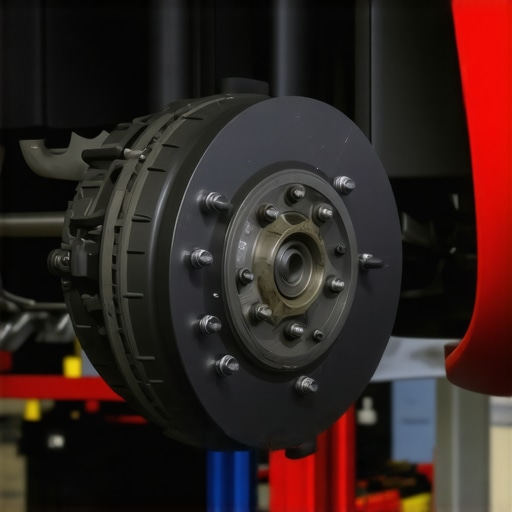
Now, screw the lug nuts back onto the wheel by hand. This ensures they are properly aligned and threaded correctly. Tighten them in a star pattern—tighten one, then move to the opposite nut, and repeat—this evenly distributes pressure. This pattern prevents warping the rotor or uneven seating.
Set Your Torque Wrench
Adjust your torque wrench to the vehicle’s specified torque value, typically between 80-100 ft-lb for most passenger cars. Check your owner’s manual or professional resources for guidance. Using an improperly set torque wrench can lead to under- or over-tightening, risking wheel detachment or damage.
Torque the Lug Nuts Properly
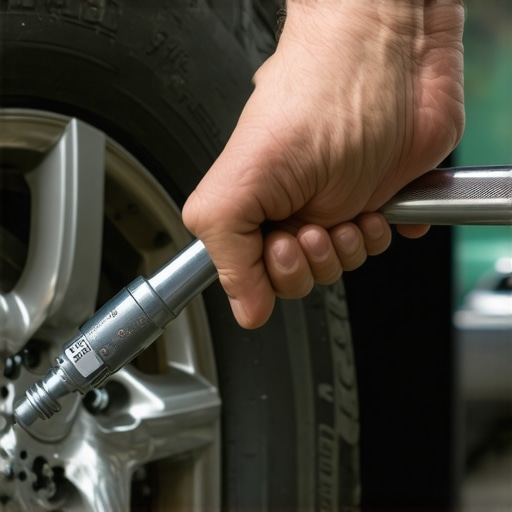
Crank each lug nut down with your torque wrench in the star pattern, applying steady pressure until the click indicates the set torque. Resist the temptation to rush; precision here prevents uneven stress. Once all nuts are torqued, go around once more to double-check, ensuring all are within the specified range.
Lower the Vehicle and Final Check
Carefully lower the vehicle to the ground, then give each lug nut a final tighten in the star pattern. This compensates for any slight settling. Test the wheel for free movement—if it wobbles or feels loose, recheck torque immediately. This practice extended my tire’s lifespan and improved safety.
Document and Maintain
Record the date and torque settings for your records. Re-torque after 50-100 miles to account for settling. For more tips on vehicle maintenance, consider regular oil changes, which are essential for engine health. Proper torquing isn’t just a task; it’s a crucial step for safe driving and vehicle longevity.
Many car owners believe that sticking solely to manufacturer-recommended services ensures vehicle longevity, but there’s more beneath the surface. A common misconception is that a quick oil change or transmission flush can fix all issues; however, neglecting the nuances can lead to costly damage. For instance, some assume that any ASE certification guarantees a mechanic’s expertise in complex diagnostics, but expertise varies among certified technicians—it’s crucial to understand what ASE certification truly signifies, such as ongoing training and continuous education, not just a badge. Additionally, many think that transmission problems are always evident through shifting issues, but subtle symptoms like delayed engagement or strange noises may be overlooked, causing worsening damage over time.
Why is it risky to rely solely on visual inspection for transmission health?
Studies show that 80% of transmission failures are caused by overlooked internal contamination or fluid degradation, highlighting the importance of proper diagnosis rather than assumptions based on appearance alone. Misinterpreting oil changes as a cure-all can also be problematic; fresh oil doesn’t remedy underlying issues like clogged filters or worn-out clutch packs. Regular maintenance should include comprehensive checks, not just routine replacements. For example, a detailed transmission fluid analysis can reveal early signs of wear or contamination that aren’t visible externally. As you navigate your vehicle’s needs, remember that the devil is in the details—skipping advanced diagnostics might seem like saving time and money, but often results in bigger expenses later. Want to avoid common pitfalls? Regularly consult resources like [top oil change tips](https://autofixclinic.com/top-oil-change-tips-for-safe-driving-in-2025) to stay informed. Have you ever fallen into this trap? Let me know in the comments.
Investing in the Right Equipment for Longevity
Maintaining your vehicle over the long haul requires more than basic tools; it demands precision instruments that provide accuracy and durability. Personally, I rely on a high-quality digital torque wrench like the Snap-on E9500. Its consistent calibration ensures every lug nut, bolt, or fastener is tightened to factory specifications, reducing the risk of uneven wear or component failure. Unlike cheaper analog models, the digital display provides clear torque readings, minimizing errors during critical procedures.
For fluid checks, especially transmission fluid or oil, I use a long-reach magnetic dipstick. It makes it easier to retrieve samples from hard-to-reach fill ports without risking contamination. Paired with a good funnel and a clean rag, you can keep engine internals spotless during every oil change or fluid refill.
Embracing Advanced Diagnostics
In the era of smart vehicles, relying solely on visual inspections or basic scanner codes isn’t enough. I personally use the Autel MaxiSys MS909 for comprehensive diagnostics. Its deep system analysis diagnoses issues from engine misfires to transmission troubles, backed by detailed reports. This device connects wirelessly via Bluetooth, allowing me to scan multiple vehicles quickly and efficiently—saving time and reducing guesswork.
Future trends point toward increased integration of AI-driven diagnostics, which will likely make vehicle maintenance more predictive. For example, manufacturers like Tesla are pioneering remote diagnostics that anticipate failures before symptoms manifest—something I expect to see more broadly as vehicle connectivity advances.
How do I maintain tools and diagnostics over time?
Regular calibration and careful storage are key. For digital tools, I schedule annual calibration checks, often with the manufacturer or authorized service centers, to ensure accuracy. Proper storage, like anti-static cabinets and moisture-controlled environments, prevents damage. Also, staying updated with the latest firmware and software updates enhances functionality. This approach not only prolongs the lifespan of your equipment but also guarantees reliable readings—crucial when performing high-stakes maintenance like professional car service.
Experimenting with advanced tools such as those from leading manufacturers can significantly enhance your vehicle’s reliability. Why not try out a diagnostic procedure with your scanner today and see what potential issues you might catch early? Regular attention to your tools and methods ensures long-term performance, safety, and peace of mind on every drive.
What I Didn’t Expect About Protecting My Car’s Heart
One of the biggest lessons I learned is that even a simple oil change isn’t just about swapping out the old oil—it’s about understanding the quality and condition of what’s inside. I used to trust that a quick visit to the local shop would keep my engine happy, but after digging deeper, I realized the importance of choosing professionals who prioritize genuine OEM parts and accurate diagnostics. This insight transformed how I approach maintenance, reminding me that expertise and attention to detail are irreplaceable in trusted car service.
The Shop I Trust Often Shows Me Hidden Clues
When I select a mechanic, I look for those who go beyond the surface—those who perform comprehensive diagnostics and explain what they find. I personally rely on sources like regular oil changes as a starting point, but I also seek technicians certified by ASE because their ongoing training ensures they’re up-to-date with the latest vehicle technology. Remember, ASE certification is a badge of continuous learning, not just a title, which often translates to better care for your vehicle.
Common Misconceptions That Could Cost You Dearly
One myth I want to dispel is that all ASE-certified technicians are equally skilled—this isn’t always the case. Some mechanics may have the badge but lack specialization in complex systems like transmissions or modern engine electronics. It’s essential to ask detailed questions and insist on diagnostic tests, especially if your vehicle exhibits subtle issues like delayed engagement or inconsistent shifting. Comprehensive checks, including transmission analysis, can uncover problems before they escalate, saving you money in the long run.
Why Personalized Maintenance Plans Make a Difference
Over the years, I’ve found that tailored maintenance schedules—thanks to detailed diagnostics and expert advice—are more effective than generic timelines. For instance, regular oil analysis can reveal early signs of internal contamination, helping me decide whether a simple oil change suffices or if a more extensive service is needed. Investing in a good diagnostic approach ultimately extends your vehicle’s lifespan and ensures safety on every drive.
Always Keep Learning: Your Car’s Secrets Isn’t Hidden Forever
My biggest takeaway? Staying informed about your vehicle’s condition pays off. Engaging with trusted resources like top oil change tips and understanding what ASE certifications really mean empower you to make better decisions. Your car isn’t just a machine; it’s a complex system that rewards attentive care and knowledgeable maintenance. So, don’t be afraid to ask questions, challenge assumptions, and seek out professionals who treat your vehicle like their own.