The Real Reason Your Brake Fluid Looks Like Coffee
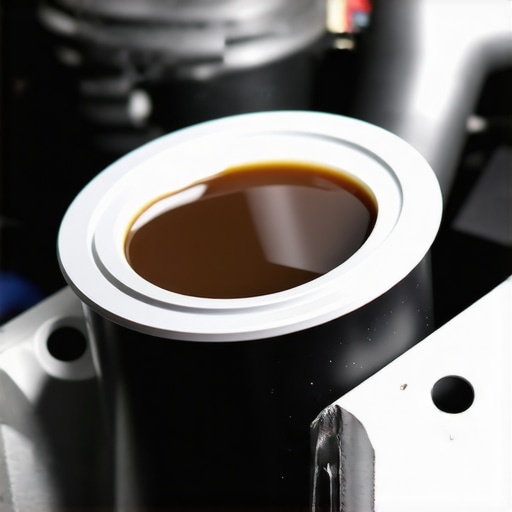
I remember the exact moment I stepped into my garage and noticed that my brake fluid had turned a dark, muddy brown—like a slow-brewed cup of coffee. It was unsettling. I had just finished an oil change a few months prior, and everything seemed normal. How could something so crucial to my safety turn into such a mess without me noticing? That day, I realized I was ignoring a common warning sign that many drivers overlook.
The Lightbulb Moment About Brake Fluid
For years, I thought brake fluid was a simple, maintenance-free component—just another liquid hidden behind the wheels. But when I saw its coffee-colored hue, I knew something was off. It wasn’t just about a dirty look; contaminated brake fluid can seriously compromise your braking ability. Worse, I learned that this discoloration is often caused by water and debris mixing into the fluid, leading to corrosion and brake failure if left unchecked.
This discovery prompted me to dig deeper and understand exactly why brake fluid changes color and how to tell if it’s time for a flush. I promise, understanding this can save you money, time, and perhaps prevent a dangerous situation on the road. If you’ve ever experienced a spongy brake pedal or strange noises, that might be your brake fluid telling you it’s time for attention. Keep reading, because I’ll share the insights I wish I had earlier.
Navigating the Risks of Dirty Brake Fluid
Contaminated brake fluid doesn’t just look bad; it can cause serious braking issues. When moisture seeps into the fluid, it lowers the boiling point, making your brakes less effective during high-demand situations like sudden stops or mountain driving. Over time, this corrosion can damage master cylinders and brake lines, leading to costly repairs. That’s why regular check-ups are crucial.
Is Your Brake Fluid Actually Worth the Hype?
Early in my car maintenance journey, I made the mistake of ignoring the brake fluid entirely until I noticed a soft pedal or warning light. Trust me, I wish I had stayed proactive. Regularly inspecting and replacing brake fluid is one of those maintenance tasks that can seem minor but has a major impact on safety. Manufacturers recommend flushing brake fluid every 2-3 years, but many drivers delay this until there’s a problem. Don’t be like my past self—stay ahead of the damage.
Curious about more essential maintenance tips? Check out this oil change guide for 2025 to keep your vehicle running smoothly. Next, I’ll walk you through how to tell if your brake fluid needs immediate attention and what simple steps you can take to keep it clean and effective.
Gather Your Tools and Supplies
Before diving in, ensure you have the right equipment: new brake fluid, a clear container for old fluid, a wrench that fits your brake caliper or wheel cylinders, a clear hose, and safety gloves and goggles. Wearing gloves protects you from the corrosive nature of brake fluid, much like handling harsh chemicals. Having everything ready saves time and prevents frustration.
Locate the Brake Fluid Reservoir
Open your vehicle’s hood and find the brake fluid reservoir, typically near the back of the engine bay on the driver’s side. Clean the area around the cap to prevent dirt from entering. Twist off the cap carefully. Think of this step as preparing your workspace before a delicate repair—precision matters to avoid introducing contaminants.
Check the Fluid Level and Discoloration
Observe the fluid inside. If it appears dark or muddy—similar to the coffee-colored fluid in my garage—it indicates it’s time for a change. Also, if the level is below the recommended mark, it’s a sign that the fluid needs refreshing. Monitoring this periodically is like checking your blood pressure; simple but essential for health.
Start the Bleeding Process
Pressure or Manual Method
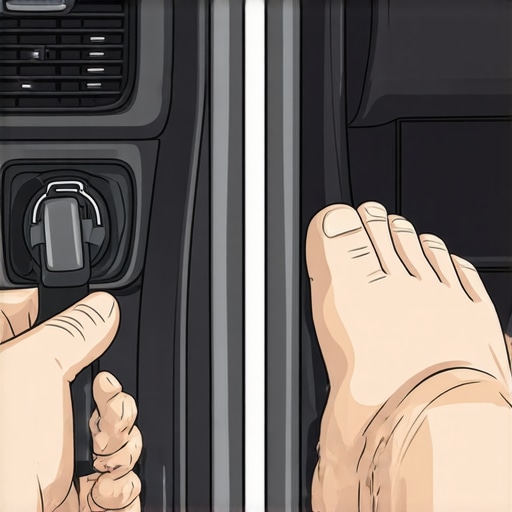
I prefer the manual method for its simplicity. Have a helper press the brake pedal firmly several times and hold it down. This builds pressure in the brake lines, similar to compressing a spring. Then, loosen the bleeder screw slightly using the wrench—fluid will start to flow into your container. As soon as the flow begins, tighten the screw to prevent air from entering. Repeat this process until the fluid coming out is clear and free of contaminants. During my last brake fluid flush, I once forgot to tighten the bleeder screw, causing a mess—lesson learned: don’t rush.
Keep the Reservoir Filled
Throughout the process, ensure the brake fluid reservoir remains topped off with fresh fluid. If it runs low, air can enter the lines, which defeats the purpose of the bleed. Think of it like watering a plant—consistent supply keeps everything functioning smoothly.
Finish and Test
Once the fluid running out is clean and clear, close the bleeder screw tightly, have your helper release the brake pedal, and check the fluid level again. Repeat as necessary until the new fluid is always flowing. Finally, test your brakes in a safe area to ensure firmness. A spongy pedal indicates trapped air or incomplete bleeding. In my experience, taking time at this stage ensures that your brake system is responsive and safe.
Dispose of Old Fluid Safely
Old brake fluid is hazardous; never pour it down the drain. Collect it in a sealed container and dispose of it according to local regulations or take it to a recycling center. Proper disposal is as vital as the procedure itself—think of it as giving back to the environment what it’s due.
Regularly performing this task, roughly every 2-3 years, can extend your brake system’s lifespan and keep you safe on the road. For a comprehensive understanding of vehicle maintenance, consider exploring the significance of ASE certification or the importance of choosing reputable service providers through resources like this guide on ASE certification.
While many car owners recognize ASE certification, routine oil changes, and transmission maintenance as essential, there’s a layer of nuance that often escapes attention. The common belief that ASE-certified mechanics always deliver perfect service is a myth; certification indicates a level of competence but not infallibility. In fact, some shops might employ ASE-certified technicians while still cutting corners, especially if they focus solely on certification credentials rather than ongoing training or experience.
How Reliable Is ASE Certification in Ensuring Quality?
According to automotive expert Mike S.: “ASE certification is a solid indicator of fundamental knowledge, but it doesn’t automatically guarantee that a technician stays updated with the latest vehicle technologies.” Therefore, verifying a mechanic’s ongoing education and shop reputation is equally vital.
Similarly, the notion that changing your oil every 3,000 miles is a strict necessity has been challenged by recent industry insights. Modern synthetic oils can provide full protection for 7,500 to 10,000 miles, but neglecting this can be a pitfall, especially if driving under severe conditions. The key is understanding your vehicle’s specific needs, not just following generic advice.
When it comes to transmission service, many assume that a simple fluid change suffices. However, neglecting the intricate internal components and the importance of a proper diagnostic can lead to overlooked signs of impending failure. Transmission fluid that looks pink and clear isn’t always healthy; microscopic wear particles could be present, indicating early issues that require expert attention.
Advanced car owners often ask, “Is it truly worth investing in a transmission flush versus a drain-and-fill?” Studies suggest that a professionally performed flush can clean more debris but might dislodge existing deposits, potentially causing clogging if not done carefully. This underscores the importance of choosing experience over price alone for such critical services.
In summary, becoming informed about the nuanced realities behind automotive maintenance helps you avoid traps like over-reliance on certifications, outdated service intervals, or oversimplified repair protocols. Remember, maintaining your vehicle’s health is a combination of proper knowledge and skilled execution. For comprehensive guidance on selecting the right service providers, refer to this helpful resource. Have you ever fallen into this trap? Let me know in the comments.Keeping your vehicle in top shape over the years requires more than just routine visits to the mechanic. It involves investing in quality tools and understanding the best practices to maintain systems like oil, transmission, and brake components. One essential tool I personally recommend is a high-quality digital inspection camera. This device allows me to peer into tight spots, such as the inside of an engine bay or transmission housing, without disassembly, making routine inspections more thorough and less time-consuming. For instance, when checking the condition of transmission fluid and internal components, a good inspection camera can reveal early signs of wear or contamination, helping me decide whether a flush or more extensive repair is necessary.
Additionally, I rely heavily on a professional-grade torque wrench. Proper torque application during fastener tightening isn’t just about safety; it ensures components like wheel hubs and oil drain plugs are secured correctly, preventing future failures. I prefer a digital torque wrench with preset values for various automotive fasteners; this tool reduces human error and maintains consistency over time.
Software-wise, I utilize diagnostic programs compatible with my vehicle’s onboard systems. Modern cars are equipped with myriad sensors, and using reputable diagnostic software lets me interpret error codes precisely, monitoring issues like transmission slippage or abnormal oil pressure. This proactive approach aligns with trends in automotive care, where diagnostics help extend the lifespan of critical parts and reduce unexpected breakdowns.
On the maintenance front, I set reminders within my digital calendar to revisit service intervals, especially for vital components like transmission fluid, which many overlook. Notably, ongoing education plays a crucial role; I regularly review resources like the Why Regular Oil Changes Extend Your Car’s Lifespan guide to refine my knowledge about service intervals and modern synthetic oil benefits. Staying informed about advancements also helps me choose the right replacement parts and fluids, ensuring longevity.
Looking ahead, I predict a shift toward smarter diagnostic tools integrated with cloud-based systems, allowing real-time monitoring of vehicle health and predictive maintenance. As vehicle electronics evolve, having reliable, advanced tools will be vital in maintaining long-term health without continuous trips to the shop.
So, how do I maintain my car over time? The answer lies in investing in specific, quality tools like digital inspection cameras and torque wrenches, complemented by disciplined scheduling and continuous learning. By doing so, I maximize reliability and minimize costs associated with breakdowns, giving me peace of mind on every journey. For those ready to take their car maintenance to the next level, I recommend trying out a professional-grade diagnostic scanner—it’s an eye-opening experience that can prevent costly surprises down the road.
Lessons the Road Taught Me About ASE Certification and Maintenance
One of the most profound realizations was that ASE certification, while a valuable credential, isn’t a guarantee of perfection. I learned that continuous education and genuine experience matter just as much as badges. I once trusted a shop solely because they had ASE-certified technicians, only to be disappointed by subpar service. That taught me to look for ongoing training and reputation rather than certification alone.
Another lightbulb moment was understanding that routine tasks like oil changes and transmission flushes are more nuanced than I thought. Not all synthetic oils are created equal, and the proper service interval depends heavily on driving habits and vehicle age. Skipping the manufacturer-recommended maintenance can cause more harm than good, a lesson I learned the hard way after ignoring my vehicle’s specific needs.
Finally, I realized that the tools and resources I rely on—be it diagnostic software or specialized tools—are investments in my vehicle’s longevity. This approach has saved me thousands in repairs and keeps my car running smoothly. Recognizing that maintenance isn’t just about fixing problems but proactively preventing them changes the entire outlook on car ownership.