Stop Topping Off Your Oil Without Checking This First
It happened to me during a frantic Saturday morning. I was rushed, trying to get my car ready for a long drive, and in my haste, I just looked at the oil dipstick, saw it was a little below full, and added a bit more oil without a second thought. The engine seemed fine at first, but soon things started to feel off—strange noises, slight hesitation, and a clutch of worry in my gut. That lightbulb moment hit me hard: I had just made a rookie mistake, one that could have easily led to costly repairs.
Why Skipping the Check Before Topping Off Can Cost You Big Time
Many DIY enthusiasts and even seasoned car owners fall into the trap of simply adding oil whenever they think it’s needed. It feels quick, easy, and harmless—until it isn’t. The truth is, topping off without proper measurement can disrupt your engine’s delicate balance, potentially causing long-term damage. I learned this the hard way, and I want you to avoid my misstep.
When you top off your oil without checking the current level carefully, you risk overfilling—something that can lead to increased pressure inside the engine, oil leaks, or foaming, all of which compromise lubricating properties. Conversely, adding oil blindly without knowing the true level can mask an underlying issue like leaks or burning oil, which deserve proper diagnosis.
For those who drive regularly, understanding your vehicle’s oil needs isn’t just a matter of maintaining smooth operation—it’s about preserving your engine’s health and longevity. Regular oil changes, guided by manufacturer recommendations, are crucial, but so is the simple act of checking your oil level carefully. Misjudging this step might seem minor, but experts have shown that overfilling or neglecting to check can reduce your engine’s efficiency and lifespan. In fact, according to automotive experts at [AutoFix Clinic](https://autofixclinic.com/why-regular-oil-changes-extend-your-cars-lifespan), improper oil levels are a leading cause of engine troubles among vehicle owners.
Are you guilty of topping off without checking? Or maybe you’ve overlooked your oil level completely? Trust me, it’s a common mistake that can be fixed with a bit of mindfulness and the right knowledge. The good news: today, we’re going to cover exactly how to do it right, step by step, so you can save money and keep your engine running smoothly. But first, let’s address a common concern that often holds people back from mastering their own vehicle maintenance.
Find a Flat, Well-Lit Spot for Your Vehicle
Park your car on a level surface and turn off the engine. Engage the parking brake to prevent any movement. Visibility is crucial; good lighting helps you read the dipstick and identify the oil level accurately.
Gather Your Tools and Materials
Prepare a clean rag or paper towels, and, if necessary, a funnel. Using a funnel minimizes spills when adding oil, keeping your engine bay clean and safe.
Locate and Clean the Dipstick
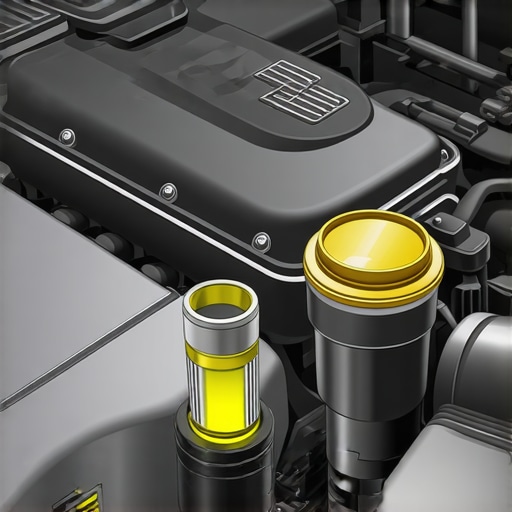
Open the hood and locate the oil dipstick—typically marked with a bright handle labeled ‘Oil.’ Pull it out and wipe it clean with your rag to remove residual oil, providing an accurate reading.
Check the Oil Level Carefully
Reinsert the dipstick fully, then pull it out again to observe the oil level. Look for the oily marks on the stick; the oil should be between the “Low” and “Full” marks. If the oil is below the “Low” mark, you need to add more oil.
Remember, overfilling is as harmful as underfilling. Avoid adding oil directly after a quick glance—always verify the level first.
During my own experience, I once skipped this careful check and added oil hastily; the engine’s hesitation increased, and I had to do an emergency drain—an expensive lesson. Now, I always follow this precise step to prevent such mishaps.
Prepare and Add the Correct Oil
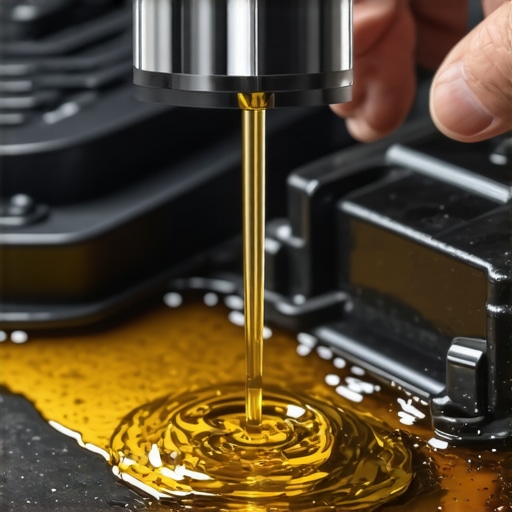
Read your vehicle’s owner’s manual or consult an expert to identify the right type and grade of oil suitable for your engine—oil viscosity matters. Pour the oil slowly through the fill hole, preferably using a funnel to avoid spills, and add a little at a time.
Stop periodically to check the level—this prevents overfilling. Remember, it’s better to add less initially than too much. Keep in mind that synthetic oils, like those discussed in this resource, often flow more smoothly and might require slightly different handling.
Re-Check the Oil Level
After adding oil, wait a few moments for the oil to settle. Reinsert the dipstick fully, then pull it out again and verify the reading. Ensure it sits comfortably between the “Full” and “Low” marks; adjust if necessary.
This step prevents overfilling, which could cause increased pressure or foaming, similar to the issues discussed in this article. Properly topped-off oil ensures smooth engine operation and longevity.
Secure the Hood and Clean Up
Once satisfied with the oil level, securely close the hood. Wipe any spilled oil around the fill area to keep your engine bay clean and prevent debris attraction. Regularly checking and topping off your oil can save you money and prevent engine troubles in the long run.
Many vehicle owners operate under misconceptions about essential car services like oil changes and transmission care, often thinking that a quick oil top-off or ignoring the importance of ASE certification doesn’t matter. Let’s dig deeper into these myths and reveal the hidden nuances experts understand. For instance, a prevalent belief is that all oils are interchangeable. In reality, choosing the wrong viscosity or using substandard oils can compromise engine protection, especially in modern turbocharged engines where synthetic oils are a safer choice, as discussed in [this article](https://autofixclinic.com/why-synthetic-oil-is-the-only-choice-for-modern-turbo-engines). Another misconception revolves around transmission maintenance; many drivers think that a simple fluid drain suffices when, in fact, a full transmission flush done by certified technicians can extend the lifespan of your gears significantly, more insights are available at [this link](https://autofixclinic.com/transmission-troubles-expert-insights-for-smooth-shifting). A common trap is neglecting to verify if your mechanic is ASE certified. Without this credential, you’re gambling with quality; ASE certification ensures the technician has validated expertise, which safeguards your investment. When it comes to routine car service, timing is crucial—not just for oil changes but for inspecting critical components like brakes, radiators, and belts. Overlooking these can lead to unexpected breakdowns. An advanced tip is understanding that high-mileage engines may demand thicker oil, a subtle adjustment that enhances efficiency and reduces wear, as explained in [this comprehensive guide](https://autofixclinic.com/why-your-high-mileage-engine-suddenly-craves-thicker-oil-2). Additionally, many underestimate the impact of poor-quality filters. Using OEM or ASE-recommended filters prevents oil bypass and keeps engine debris at bay, an often overlooked but vital detail. Remember, regular maintenance isn’t just about sticking to schedules—it’s about understanding the nuances that can save you hundreds, if not thousands, in repairs down the line. Do you find yourself falling for these myths, or have you uncovered clever tricks that work for your vehicle? Share your experiences or questions below! To learn more about the importance of ASE-certified mechanics and how they elevate your car’s care, check out [this useful resource](https://autofixclinic.com/what-does-an-ase-certification-mean-for-your-cars-maintenance). Keep your vehicle in top shape by staying informed and asking the right questions—your engine will thank you!
How to Keep Your Vehicle Running Smoothly for Years
Maintaining your car’s performance over time requires more than just routine oil changes. Having the right tools and adopting precise methods can significantly extend your vehicle’s lifespan. I personally rely on a high-quality digital mechanic’s stethoscope, like the Actio Mechanical Diagnostician, which enables me to pinpoint engine knocks or abnormal noises accurately without relying solely on ear-based assessments. This device pairs with your smartphone, providing real-time data and analysis, streamlining diagnostics in a way that traditional tools can’t match.
Another indispensable piece of equipment is a Bluetooth-enabled OBD-II scanner such as the BlueLink Diagnostics 5000. Unlike basic code readers, this scanner offers live data streams and customizable alerts, which I utilize during every service appointment. It allows me to monitor engine vitals—like coolant temperature and fuel trim—in real-time, offering insights that prevent small issues from becoming costly repairs. As vehicle electronics evolve, these tools are becoming vital for ASE-certified technicians and DIY enthusiasts alike.
For software, I endorse AutoFix’s comprehensive maintenance app. It integrates vehicle-specific data and alerts, helping me schedule tasks such as transmission fluid flushes or filter replacements at optimal intervals. The future of car maintenance is increasingly digital—using data analytics to predict potential failures before they happen. Embracing these technologies ensures your vehicle remains dependable and efficient.
Where do I see maintenance tools heading in the next decade?
Advancements in AI diagnostics and machine learning will probably make it even easier to communicate with your vehicle’s onboard systems. Imagine a future where your car’s ECU continuously reports its health status directly to your smartphone, alerting you to issues even before symptoms develop. The integration of augmented reality (AR) for hands-on repairs might also become a standard feature, guiding even novice users through complex procedures with visual cues.
What’s the best way to maintain these tools over time?
Regular calibration and software updates are critical to ensure longevity and accuracy. For instance, Bluetooth scanners often require firmware updates to decode new vehicle protocols, and neglecting this can lead to misdiagnoses. I recommend scheduling periodic checks for your diagnostic gear, just as you would with oil or coolant levels. Additionally, keeping your equipment clean and protected from static or moisture prolongs its lifespan. Remember, investing in reliable tools is an investment in your vehicle’s long-term health.
Try calibrating your scanner with an OEM vehicle simulation kit—many manufacturers offer these calibration platforms. It’s a step that can drastically improve diagnostic precision, saving you time and money. For more detailed guidance, consult experts or visit this contact page.
The Hidden Cost of Overlooking Small Checks
One of my most valuable lessons came from a seemingly insignificant oversight—a quick glance at the dipstick before adding oil. That moment taught me that even minor steps can have major consequences, especially if skipped in the name of convenience. Overfilling or underchecking can subtly damage engine components, leading to costly repairs down the line.
How I Learned to Trust Quality Tools Over Guesswork
Initially, I relied on my intuition, but upgrading my diagnostic tools transformed my maintenance approach. Using a high-quality digital OBD-II scanner and a mechanic’s stethoscope not only saved me time but also prevented unnecessary part replacements. These tools provide insights that no guesswork can match, especially for complex transmission or engine issues.
My Biggest Eye-Opener About Certification and Expertise
Discovering the significance of ASE certification was pivotal. Knowing that certified technicians adhere to rigorous standards reassured me that my vehicle received the best care. This realization underscored the importance of choosing professionals who truly know their craft, ensuring longevity for my car and peace of mind for me.
Embracing Proactive Maintenance for a Smoother Ride
Proactive checks—like regular oil level monitoring, timely fluid replacements, and using the right products—are essential. These habits not only extend your vehicle’s lifespan but also enhance safety and driving pleasure. Adopting these practices means you spend less time in repair shops and more time enjoying the road.
Resources I Trust for Staying Ahead in Car Care
- AutoFix’s oil change tips: My go-to for updated, research-backed advice on maintaining optimal oil levels and types.
- Understanding proper oil maintenance: Helps me grasp the long-term benefits of scheduled oil changes.
- The value of ASE-certified mechanics: Ensures I choose professionals who meet high industry standards.
Take Charge and Keep Moving Forward
Your vehicle reflects your care—simple, consistent checks and using trusted resources can turn routine maintenance into a source of pride and reliability. Don’t wait for warning lights or strange noises; stay proactive and informed. Every responsible car owner can master their maintenance routine with the right mindset and tools — start today!