Why Your Oil Light Comes On Only When You Stop at a Light
It happened to me while sitting at a red light—not once, but multiple times. The oil light flickered on briefly, then vanished as I pressed the gas. Frustration and confusion set in. I started questioning my car’s health, wondering if I was risking a costly engine repair for something so seemingly minor. That light coming on at just the wrong moment? It’s enough to make any driver feel uneasy.
Uncovering the Mystery Behind the Oil Light’s Strange Behavior
Have you ever noticed your oil warning light acting up only when you’re idling or stopped at a traffic light? You’re not alone. Many drivers experience this peculiar symptom and brush it off—some even assume it’s just a glitch or a quirk of their vehicle. But there’s often more to the story. The good news is, with some understanding and simple diagnostics, you can identify whether it’s a serious issue or something easy to fix.
The key is recognizing that the oil light isn’t just a random warning. It’s an indicator that something might be amiss with your engine’s lubrication system. Early on, I made the mistake of ignoring minor flickers, thinking they were just electrical glitches. That was a mistake. Regular vehicle maintenance, such as proper oil changes and inspections, can prevent a minor issue from turning into a major overhaul. Did you know that neglecting engine oil can reduce your motor’s lifespan by up to 50%, according to automotive experts? [Read more about why regular oil changes extend your car’s lifespan](https://autofixclinic.com/why-regular-oil-changes-extend-your-cars-lifespan).
Many drivers are skeptical, questioning whether these warnings are worth paying attention to. To be honest, I initially thought my car was just being dramatic. But the truth is, these lights are there for a reason. They’re your car’s way of saying, “Hey, something’s not right. Better check this before it costs you a fortune.” So, if your oil light flickers on only when you stop at a light, don’t ignore it. Instead, let’s dig into what’s causing this and how you can handle it.
Is It Just a Fluke or a Sign of Real Trouble?
I’ll admit—I made the mistake early on of assuming electrical gremlins were behind the flickers. But it turns out, the problem could be related to your vehicle’s oil pressure or sensor issues, which become more evident during idling. This is where knowing a bit about your car’s inner workings makes all the difference. Having familiarized myself with these signals, I now check my oil levels regularly and seek professional advice when something seems off. If you’re curious about the mechanics, I recommend reading about [what does an ASE certification mean for your car’s maintenance](https://autofixclinic.com/what-does-an-ase-certification-mean-for-your-cars-maintenance).
In the next sections, I’ll share practical steps and insights so you can diagnose whether your oil light warning at stops is a quick fix or indicative of a deeper issue. Trust me—taking the right action now will save you money, time, and the stress of unexpected breakdowns. Ready to get to the bottom of this? Let’s start with understanding what’s really happening under the hood.
Start with a Basic Oil Level Check
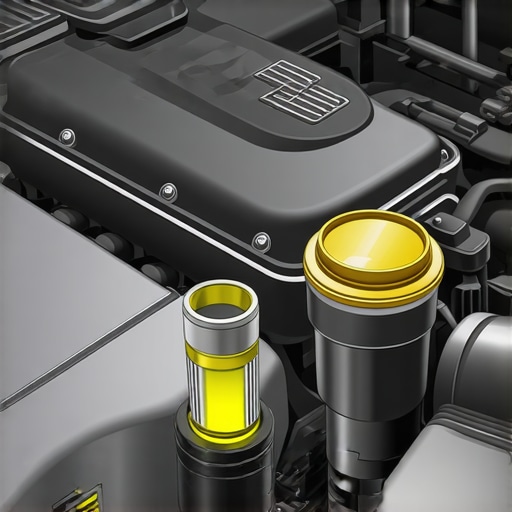
Pull into a well-lit spot, turn off your engine, and open the hood. Locate the dipstick, pull it out, wipe it clean, then re-insert and pull again to check the oil level. If it’s below the minimum mark, top it up with the recommended oil type, such as synthetic oil for turbo engines. This simple step resolved my flickering oil light issue; after topping off, the warning disappeared during idling. Regular checks prevent minor problems from escalating and keep your engine Lubricated properly.
Inspect the Oil Pressure Sensor and Wiring
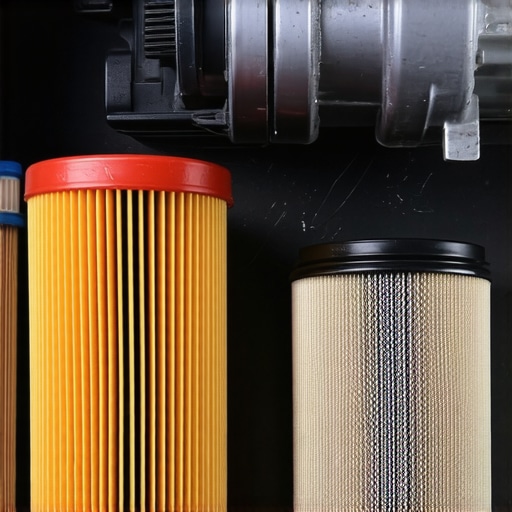
Uneven flickering sometimes stems from faulty sensors or loose wiring connections. Carefully examine the sensor connected near the oil filter—look for signs of damage or corrosion. Secure any loose connectors, and replace the sensor if it’s failed. This diagnostic is crucial because sensor issues can mimic low oil pressure warnings, leading to unnecessary repairs. Consulting a professional or referencing expert insights on engine components helps in making informed decisions.
Test for Oil Pressure with a Mechanical Gauge
To confirm whether your engine’s actual oil pressure is within specifications, install a mechanical oil pressure gauge. This process involves removing the sensor and attaching the gauge in its place—be cautious and follow a precise procedure to avoid oil leaks. Start the engine and observe the pressure reading; it should align with manufacturer specs. If the pressure is low, it indicates internal issues like worn bearings or oil pump problems. Having proper diagnostic tools and skills is vital—if you’re not comfortable, visit a trusted car service center.
Assess the Oil Pump’s Functionality
Persistent flickering even after ensuring proper oil levels and sensor integrity points to potential oil pump failure. An oil pump that isn’t circulating oil properly will cause pressure drops at idle. Diagnosing this involves removing the pump and testing its operation or consulting a professional with specialized tools. These complex issues require expert handling; understanding that oil circulation is essential for engine longevity can motivate timely inspection and repair or replacement of the pump.
Examine for Internal Engine Wear or Blockages
If all external checks are clear, internal engine wear—like clogged oil passages or worn bearings—might be causing pressure irregularities. This inspection requires disassembling parts of the engine, which should only be performed by ASE-certified technicians. Regular maintenance, including oil changes and inspections, helps prevent such severe issues. Recognizing early signs can save you from costly repairs and extend your engine’s lifespan.
Many drivers assume that an ASE certification guarantees flawless car maintenance or that choosing the cheapest oil change guarantees the best value. However, these assumptions often overlook critical nuances that can affect your vehicle’s longevity and performance. For instance, while ASE-certified mechanics are highly trained, the certification alone doesn’t necessarily reflect their specialization in specific areas like transmission work or advanced diagnostics. It’s essential to verify their expertise in your car’s particular needs, which can be done through resources like this guide.
One common myth is that synthetic oil always costs more but offers no tangible benefits over conventional oil. In reality, synthetic oils provide superior lubrication, especially under extreme conditions, and can prevent costly engine wear—an advantage often overlooked by budget-conscious owners. According to experts like the Automotive Oil Change Association, regular oil changes with synthetic oil can extend your engine’s lifespan significantly.
There’s also a trap many fall into regarding car service visits. Some believe that all shops are equally reliable, but the quality of service varies widely. Opting for a shop that specializes in your vehicle’s make and model, and seeking ASE-certified technicians, can save you from future headaches. For practical tips on choosing the right service center, check out this resource.
A particularly subtle mistake involves neglecting transmission maintenance. Many assume a transmission fluid flush is unnecessary until symptoms appear, but proactively servicing your transmission can prevent dramatic failures and costly repairs. For insights on maintaining your transmission smoothly, visit this article.
Have you ever fallen into this trap? Let me know in the comments. The key is understanding that myths and assumptions can be costly if you don’t dig beneath the surface. By appreciating these nuances, you can make smarter decisions, save money, and keep your vehicle running smoothly for miles to come.
Invest in Quality Equipment for Longevity
When it comes to maintaining your vehicle, having the right tools is paramount. I personally rely on a digital automotive multimeter to check sensor voltages and signals, especially for components like the oil pressure sensor or transmission control unit. A high-quality scan tool, such as an Autel or Launch device, allows me to read and clear diagnostic trouble codes quickly, saving time and money. These tools help identify issues early, preventing minor problems from escalating. Remember, specialized equipment isn’t just for professionals; investing in reliable tools pays off in the long run, ensuring consistent maintenance and fewer roadside surprises.
How do I maintain transmission health over time?
Transmission systems are complex and require regular attention. I prioritize using a professional-grade transmission fluid and perform a flush every 30,000 to 50,000 miles—this isn’t just a standard drain but a complete exchange that removes aged fluid and debris. An upgraded transmission cooler can also extend service intervals, particularly if you tow or drive in hilly terrain. For a comprehensive approach, I schedule ASE certified inspections annually and consult resources like expert insights on transmission longevity to keep my vehicle shifting smoothly for years. Incorporating these practices helps prevent slipping, hard shifting, and costly rebuilds.
Use Diagnostic Software for Precise Monitoring
In my toolkit, diagnostic software like OBD2 scanners has become indispensable. With Bluetooth-enabled devices connected to smartphone apps, I monitor real-time data — from oil pressure to engine coolant temperature. These apps enable me to set alerts or track trends over time, making preventive maintenance proactive rather than reactive. As automotive technology advances—think integration with AI diagnostics—I predict that these digital tools will become even smarter, predicting failures before they manifest physically. Staying ahead requires embracing software that provides frequent updates and diagnostic depth, like tools linked to ASE standards.
Schedule Long-Term Maintenance with Certified Experts
While DIY checks are valuable, trusting your vehicle to ASE-certified technicians ensures long-term reliability. I use online platforms to find shops with verified ASE certifications and positive reviews—this minimizes the risk of subpar repairs. A good shop will perform a comprehensive inspection, checking components like the oil filter seal (which can cause catastrophic oil leaks) and transmission fluid efficiency. Scheduling routine service, like oil changes with synthetic oil from reputable suppliers (see this guide), helps build a maintenance history that maintains your vehicle’s resale value and performance.
Plan for Future Upgrades and Scaling
As your car ages, consider minor upgrades to improve performance and reliability. Adding better transmission coolers, installing adaptive diagnostics, or upgrading sensors can extend the lifespan of critical components. For example, in heavy-use scenarios, a transmission cooler and synthetic transmission fluid can dramatically reduce wear. I foresee more integration of cloud-based diagnostics and predictive analytics, making maintenance smarter and less reactive. Staying informed through industry trends and best practices ensures your vehicle remains dependable, whether for daily commuting or long road trips.
Incorporating these tools and strategies transforms routine maintenance into a proactive practice, ultimately saving you money and extending your vehicle’s lifespan. Try scheduling your next transmission inspection with an ASE-certified technician or updating your diagnostic toolkit to stay ahead of potential issues—your future self will thank you.
Lessons I Wish I Didn’t Take Lightly
- One of my biggest surprises was realizing that flickering oil lights during idling weren’t just glitches—they signaled real issues like faulty sensors or pressure drops. Ignoring them almost led me to costly repairs, proving that paying attention saves money in the long run.
- It’s easy to assume that regular oil changes are just a routine task, but I learned they’re the foundation of engine health. Skipping or delaying these can cause internal wear that’s hard to detect until major damage occurs—so consistency is key.
- I discovered that tools like diagnostic software can prevent surprises by Alerting me to potential issues early, especially with complex systems like transmissions. Investing in these tools transformed my maintenance approach from reactive to proactive.
Tools and Resources That Elevate Your Car Care Game
- High-Quality Scan Tools: Devices like Bluetooth-enabled OBD2 scanners connect to my smartphone, giving me real-time insights. They’re affordable and empower me to diagnose engine and transmission issues before visiting the shop.
- Trusted Maintenance Guides: Resources such as this guide help me understand why routine oil and transmission fluid changes are vital, making me more confident in my maintenance decisions.
- Professional Workshops and Certifications: Knowing that ASE-certified technicians, explored here are the gold standard, ensures my vehicle gets expert care, especially for complex issues like transmission diagnostics.
Keep Moving Forward with Confidence
Your journey toward better vehicle maintenance doesn’t end here. Armed with knowledge, practical tools, and a proactive mindset, you can catch issues early, prolong your vehicle’s life, and avoid surprise breakdowns. Remember, every flicker or warning light is a lesson—dive deeper, ask questions, and invest in the right expertise and equipment. Your car—and your wallet—will thank you for it.