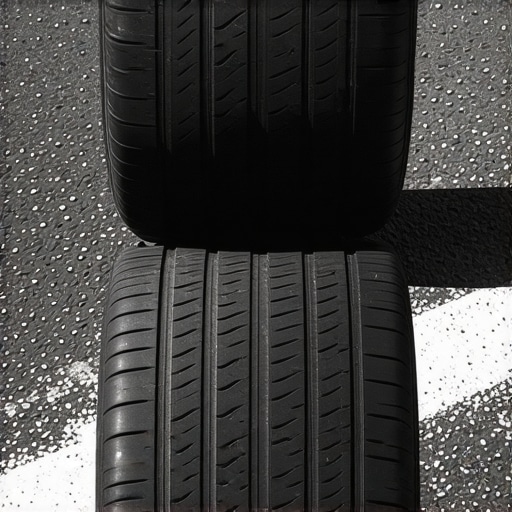
How to tell if your struts are shot just by looking at your tires
I remember the lookout point I visited last summer, where my car suddenly jolted over a minor bump, and I thought, “Is it time to replace my suspension?” That lightbulb moment made me realize how little I truly understood about my car’s health—especially about those critical parts like struts. For years, I naively ignored the warning signs, assuming if my ride felt smooth, everything was fine. But late one rainy evening, I discovered a cracked tire and realized I might have dodged a bigger issue for too long. It’s a surprisingly common mistake among everyday drivers: assuming tires just wear out or get damaged without connecting it to the health of your suspension system.
Today, I want to share how *you* can spot the signs of worn-out struts simply by examining your tires. This isn’t about complicated tech or costly diagnostics; it’s about developing an eye for telltale signs that can save you money, keep you safe, and maybe even prevent that embarrassing mid-drive breakdown. And trust me, understanding your car’s suspension can feel like deciphering a secret code—once you crack it, your vehicle will thank you.
Why Your Tires Are the First Clue to a Sick Suspension
Start with a Visual Inspection of Your Tires
Begin by thoroughly examining the tires for unusual wear patterns. Look for signs like uneven tread wear, which often indicates that the suspension components, including struts, aren’t absorbing shocks evenly. This can cause the tires to wear more on one side or in specific spots.
Check for Tire Feathering and Cupping
Run your fingers along the tire edges to detect feathered edges or cupping—waves or scalloped indentations—indicators of suspension issues, particularly worn struts. In my experience, feeling these subtle textures revealed early suspension trouble during a routine wash, saving a costly ride suspension overhaul.
Evaluate Tire Contact Patch
Observe how the tire contacts the road. If the contact patch looks irregular, with parts of the tire barely touching or excessively worn, it suggests your suspension isn’t maintaining proper alignment or damping. Take a close look after a short drive to notice these discrepancies.
Perform a Bounce Test
Apply downward pressure on each corner of your vehicle and release. Your car should bounce once or twice, settling quickly. If it continues bouncing or takes longer to stabilize, your struts likely lack proper damping. I once tested my car this way after feeling a rougher ride than usual; the excessive bounce confirmed worn struts, prompting timely replacement.
Monitor Handling and Ride Quality
Pay attention to how your vehicle handles. Increased body roll, nose-diving during braking, or a vague steering feel are signs that the suspension, including the struts, is compromised. When I ignored these cues, I found myself with uneven tire wear and a rougher ride that could have been prevented with early detection.
Consult a Professional for Confirmation
While visual and tactile assessments are helpful, scheduling a professional inspection ensures accurate diagnosis. An ASE-certified mechanic can perform precise measurements and tests, like checking the strut’s internal condition. For more info on the importance of certified technicians, see this article.
Maintain Your Suspension for Longer Tire Life
Regularly inspecting your tires and suspension components can extend tire lifespan and improve safety. Incorporate these checks into your routine, especially before long trips or after hitting rough roads. Remember, a proactive approach saves money and keeps you safe on the road.

While most drivers understand the basics of car maintenance, such as regular oil changes and choosing ASE certified technicians, there are subtle distinctions and misconceptions that can lead to costly mistakes. Let’s dig deeper into some overlooked nuances that can significantly impact your vehicle’s longevity and performance.
Myth: All transmission services are the same
Many believe a simple fluid change suffices when it comes to transmissions, but this is a misconception. Modern transmissions, especially dual-clutch or CVT systems, require specialized services beyond basic fluid replacement. Using the wrong type of transmission fluid or neglecting cleaner flushes can accelerate wear. For example, transmission-specific techniques are essential for ensuring smooth operation and preventing future failures. Always verify whether your vehicle needs a fluid drain-and-fill or a full flush, and consult a technician who understands the complexities involved.
Advanced Mistake: Overlooking the importance of oil quality and selection
Many drivers stick to using cheap, generic oils for convenience, unaware that the type of oil and additive package can influence engine health profoundly. Modern engines, especially turbocharged or direct-injection models, benefit from high-quality synthetic oils that maintain viscosity and reduce deposits over extended periods. This is backed by studies published in automotive engineering journals, indicating that regularly upgrading to synthetic oils can drastically prolong engine life. Skimping here might save dollars upfront but lead to increased wear, sludge buildup, and costly repairs down the line.
What do vehicle inspections really entail beyond the obvious?
Many vehicle owners rely on quick visual checks but miss out on the importance of comprehensive diagnostics, especially for electrical systems or hidden leaks. An ASE-certified technician can perform advanced diagnostics that identify issues before symptoms even manifest. This proactive approach, rather than just reactive fixes, can save money and prevent breakdowns.
Have you ever fallen into this trap? Let me know in the comments. Remember, understanding these nuances not only enhances your vehicle’s performance but also extends its lifespan—policies that every responsible car owner should follow. For more detailed guidance on choosing the right services and understanding your vehicle, explore our comprehensive guide.
Maintaining your vehicle’s transmission is crucial for ensuring longevity and optimal performance, especially as modern systems become more complex. One tool I personally swear by is the high-quality scan tool with transmission-specific modules, like the Autel MaxiSys series. These devices allow me to perform deep diagnostics, reading live data streams and pinpointing issues like solenoid failures or fluid temperature irregularities before they escalate. Such proactive diagnostics can save hundreds on costly repairs down the line, aligning with the trend toward more sophisticated maintenance routines. Looking ahead, I believe smart diagnostics integrated with vehicle telematics will revolutionize how we detect transmission issues early, potentially even automating maintenance alerts.
Another essential is a reliable hydraulic pressure tester. It’s designed to measure the line pressure directly, helping confirm whether internal wear or valve body problems are present. I’ve used this method during ASE-certified inspections to verify if the transmission’s clutch packs or bands are slipping, providing concrete data instead of relying solely on symptoms. Combining this with a thorough fluid analysis—checking for metal shavings or burnt smells—gives a comprehensive picture of the transmission’s health.
When addressing transmission fluid, using the correct type is non-negotiable. For vehicles with CVT or dual-clutch transmissions, specific non-standard fluids are required. I rely on manufacturer-approved fluids and premium flushing machines that can do a complete exchange without leaving residual contaminants. This process significantly extends transmission lifespan, which ties back to the importance of choosing specialized tools over generic solutions.
If you’re wondering, “How do I maintain my transmission over time?” the answer lies in a blend of regular inspections, proper fluid management, and using advanced diagnostic tools. Regularly scheduled services—like those recommended in our detailed guide on 30,000-mile maintenance cycles—are best complemented by these tech-savvy methods.
My advice? Invest in a quality scan tool with transmission diagnostics and learn to interpret the data it provides. Performing a simple pressure test can often unearth issues that aren’t yet noticeable during driving. Start integrating these tools into your routine maintenance schedule to catch problems early and keep your transmission shifting smoothly for years to come. For expert guidance on selecting the right equipment, contact our ASE-certified technicians via this contact page.
Since diving deep into vehicle maintenance, I’ve realized that some of the most valuable insights come from my own surprises and mistakes. The journey has taught me that staying curious and vigilant can uncover hidden truths about our cars that no manual or YouTube tutorial can reveal. These lessons emphasize the importance of personalized observation and trusting experienced professionals over quick fixes.
What I Wish I Knew About My Transmission’s Secrets
One lightbulb moment was understanding that not all transmission issues show obvious symptoms. Sometimes, subtle changes in shifting patterns or slight noises hint at deeper problems. Recognizing these signs early, especially with the help of advanced diagnostic tools like deep transmission diagnostics, can save hundreds in repairs and keep your vehicle running smoothly longer.
The Power of Personal Experience in Car Care
I’ve learned that personal observation—like feeling the vehicle’s response during drives or inspecting parts regularly—can be more telling than waiting for a dashboard warning. Combining this with professional ASE-certified (see certified technician insights) assessments creates a proactive maintenance approach that fosters trust and confidence in your vehicle’s health.
Curated Tools That Changed How I Maintain My Car
Investing in quality diagnostic tools such as high-end scan instruments and pressure testers has been a game-changer. These allow me to perform diagnostics at home and identify issues before they escalate. Complementing this with reliable resources like oil change guides ensures I stay ahead of potential problems, maximizing my car’s lifespan.
Keep Moving Forward with Confidence
Every unexpected lesson has strengthened my appreciation for hands-on learning and continuous education. Remember, your car is more than just transportation—it’s a complex machine that rewards your curiosity and proactive care. Embrace the journey of learning about transmission, ASE-certified services, and oil changes, and you’ll find yourself more connected and confident behind the wheel.
What’s one odd or unexpected sign your vehicle has shown you? Share your story below, and let’s learn together!