Why Your Brake Fluid Levels Are Dropping Without a Leak
I remember the moment I first noticed my brake pedal sinking a little too low during a routine drive. At first, I thought I was imagining things or perhaps had too much air in the lines after a quick oil change. Turns out, my brake fluid was mysteriously dropping—without any visible leaks. That lightbulb moment led me down a rabbit hole, discovering that low brake fluid levels can be caused by more than just leaks, and ignoring it can be pretty dangerous.
Understanding Why Your Brake Fluid Vanishes Without Leaks
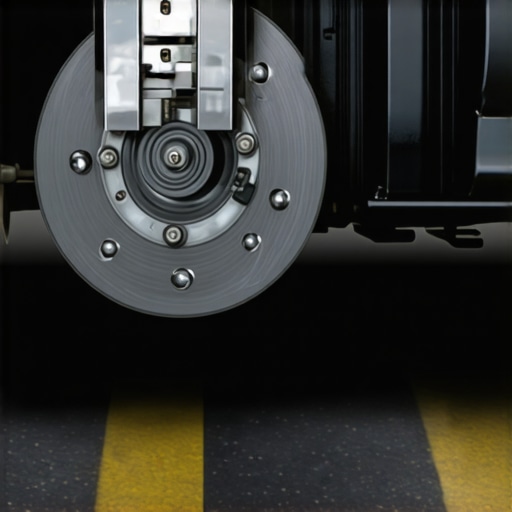
Many drivers assume that if there’s no puddle under the car, their brake fluid level must be fine. But in reality, a drop in brake fluid can happen subtly and silently. The key reasons include internal leaks, brake pad wear, or even contamination, which can cause the fluid to be consumed or break down without leaving a visible trail. Recognizing these signs early can save you from costly repairs and dangerous brake failures.
Is Your Brake Fluid Drop Just a Trick of the Mind?
Initially, I made the mistake of dismissing my brake fluid concerns as a false alarm. Early on, I skipped checking the fluid regularly, thinking the fluid level was just fine. That was a mistake—one I now advise everyone to avoid. Regular checks are vital, especially since some issues don’t produce obvious leaks. For more tips on maintaining your vehicle’s health, check out top oil change tips for safe driving in 2025, which emphasizes regular fluid inspections.
Have you experienced unexplained drops in brake fluid levels even when there are no visible leaks? If so, you’re not alone. Let’s dive into how to pinpoint the real cause behind this sneaky problem and what actions you should take to keep your braking system in top shape.
Pulling Out Your Tools and Getting Hands-On
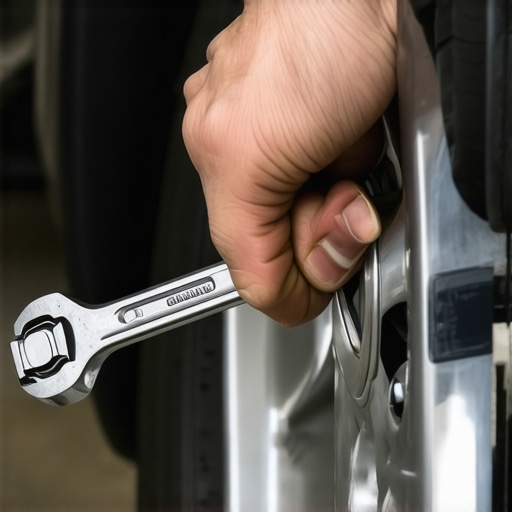
Start by parking your car on a flat surface, engaging the parking brake, and opening the hood. Locate the brake fluid reservoir, usually a translucent container near the master cylinder. Wipe the cap clean and remove it to inspect the fluid level against the markings. Use a clean rag to remove any dirt or grease that might obscure your view. If the fluid is low but the reservoir isn’t cracked or broken, proceed to the next step.
Check for Internal Leaks and Contamination
Since external leaks aren’t visible, internal issues could be the culprit. Remove the reservoir cap and examine the fluid for discoloration or debris—dark, murky fluid indicates contamination or breakdown. Dip a clean test strip or a mirror into the fluid to assess its condition. Contaminated fluid can cause internal leaks or damage to brake components. If contamination is evident, plan for a full brake fluid flush.
Replace Brake Fluid Properly
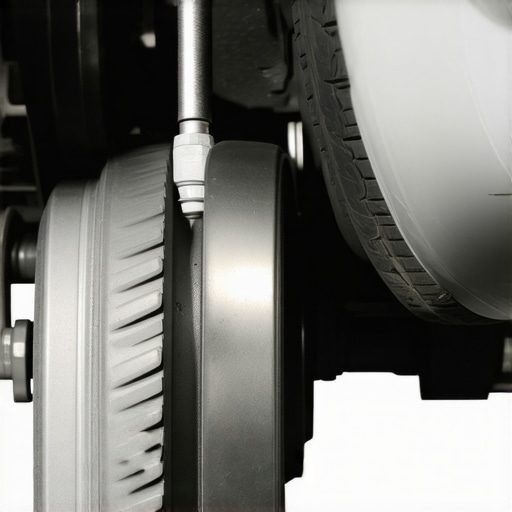
To maintain braking efficiency, replacing old fluid with fresh, high-quality brake fluid is critical. Use a suitable fluid recommended by your vehicle manufacturer. Flushing brake fluid involves opening bleed valves at each wheel and replacing old fluid systematically, which prevents air intrusion and ensures proper brake operation. When in doubt, consult a professional or refer to top oil change tips for safe driving in 2025 for detailed guidance on fluid maintenance.
Test Brake Pedal Response After Service
After refilling and bleeding the brakes, gently press the pedal several times to check firmness. A spongy or soft pedal indicates trapped air or residual contamination—requires re-bleeding. Ensure the pedal feels firm and consistent before driving. This step prevents sudden brake failure and enhances safety.
Monitor Brake Performance During Road Test
Take the vehicle for a slow drive, testing braking in a safe environment. Notice any sinking pedal, unusual noises, or longer stopping distances. If issues persist, it’s time to have a certified mechanic inspect for internal leaks or seized calipers. Regularly inspecting and maintaining brake fluid levels is a vital part of overall vehicle safety, akin to periodic oil changes that prevent engine wear. For more insights on vehicle care, check out why regular oil changes matter.
Prevent Future Low Brake Fluid Levels
Develop a routine to check brake fluid every 10,000 miles or before long trips. Keep an eye out for fluctuating levels, darkening fluid, or sponginess in pedal feel. Addressing these signs early, just like routine transmission checks explained in transmission troubleshooting, can save you from expensive repairs and ensure your safety behind the wheel.
Many car owners believe that sticking to the basic oil change schedule suffices for optimal transmission performance. However, this common misconception overlooks critical nuances that can make or break your vehicle’s longevity. For instance, a frequent mistake is assuming all transmission fluids are the same; in reality, premium synthetic fluids often outperform conventional types, especially in high-stress driving conditions, as highlighted by automotive engineers who emphasize the importance of fluid quality in prolonging transmission health. Relying solely on the transmission fluid’s color or smell can also be misleading—many drivers overlook subtle signs like minor shifts or slight delays, risking severe damage if ignored. Advanced diagnostics, such as checking for sticky solenoids or internal wear, require specialized tools and expertise, underscoring the value of certified mechanics with ASE certification, which ensures thorough and knowledgeable service. Don’t forget that regular transmission inspections—beyond just fluid replacements—are vital for early detection of issues like internal leaks or corroded components, which can be elusive without expert assessment. Also, consider how driving habits impact transmission health; aggressive accelerations or prolonged towing can accelerate wear, making customized maintenance plans essential. Recognize that neglecting these nuances can lead to costly repairs or even complete transmission failure. For in-depth tips on how to spot early transmission problems and the best maintenance practices, read our detailed guide linked here. Remember, proactive care is your best armor against unexpected breakdowns. Have you ever fallen into this trap? Let me know in the comments.
Equip Yourself for Long-Term Vehicle Care
Maintaining your vehicle’s transmission and overall performance requires more than the basic toolkit. Over the years, I’ve discovered that having the right dedicated tools can make all the difference in diagnosing issues early and performing repairs with confidence. A quality digital automotive scan tool, for example, is invaluable. I personally rely on models like the Autel MaxiCOM MK808, which provides comprehensive OBD-II diagnostics, allowing me to read and clear codes, monitor live data, and even perform resets on service light indicators. Investing in such device saves time and money, preventing small problems from escalating.
For fluid adjustments and internal component assessment, a good tiny coaxial borescope can be a game-changer. It enables me to peek into tight spaces, such as behind the transmission casing or within engine compartments, without the need for disassembly. I prefer models with LED lighting and high-resolution lenses for clarity. This way, I can identify internal wear or contamination early, aligning with the advice found in transmission troubleshooting guides. My consistent use of such tools has significantly reduced unexpected breakdowns and improved long-term reliability.
Prioritize Professional Certification and Maintenance Techniques
While DIY diagnostics are helpful, scaling your car maintenance requires certifiably trained mechanics. ASE certification, for example, guarantees a high standard of expertise. I regularly consult ASE-certified guides to ensure I follow industry best practices. This is especially crucial when performing complex tasks like transmission fluid flushes or replacing worn-out parts, which demand specialized knowledge and tools. Remember, leveraging professional standards isn’t a sign of weakness, but a commitment to safety and vehicle longevity.
Future of Car Maintenance: Tech Trends and Your Role
Looking ahead, I anticipate an increasing integration of AI-driven diagnostics and IoT devices that continuously monitor vehicle health. These advancements will enable proactive maintenance, alerting you to potential issues before breakdowns occur. Embracing these tools now, such as online service scheduling or remote diagnostics, can help you scale your maintenance efforts efficiently. To prepare, start by exploring advanced diagnostics like DIY service light resets and calibration. Learning to leverage technology today empowers you to stay ahead in vehicle care.
How do I maintain transmission health over time?
Consistency is key. Regularly check transmission fluid levels using precise tools, and schedule professional transmission flushes at recommended intervals—typically every 30,000 to 60,000 miles, depending on your vehicle’s usage. Follow industry standards, such as those outlined by automotive experts like JASO standards for transmission fluids, to select compatible lubricant types. Incorporating these steps, combined with diagnostic tools like OBD-II scanners, ensures your transmission remains smooth and responsive over the years. Try setting a quarterly maintenance audit, integrating both professional and DIY checks, to keep your vehicle performing at its best.Throughout my years of maintaining my vehicle, I’ve uncovered insights that no basic car manual or online guide could teach. One pivotal lesson was realizing that even the most reputable transmission, ASE certified or not, benefits from diligent attention to detail and proactive care. The importance of using the right tools, like a precise OBD-II scanner or a reliable transmission flush machine, became clear when I avoided costly repairs by catching issues early. Moreover, understanding that regular fluid checks aren’t just a chore but a safeguard changed my approach to vehicle longevity. These lightbulb moments emphasized that mastery of car service isn’t just about following steps but cultivating an ongoing relationship with your vehicle’s health. Sharing this has helped me become more confident in diagnosing early signs of trouble, turning potential emergencies into routine maintenance, and ultimately, extending my car’s lifespan.