The Difference Between a Squeal and a Grind When You Brake
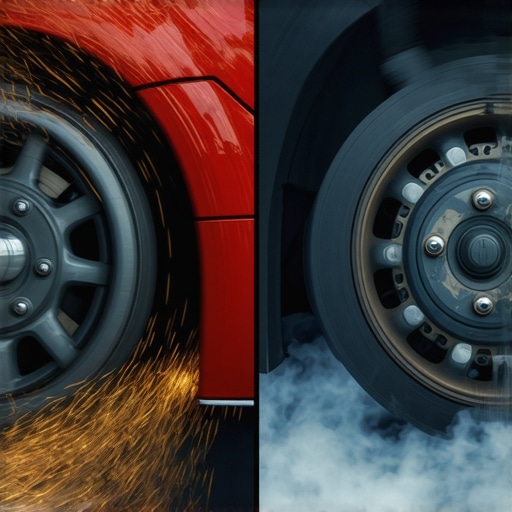
There I was, pulling into my driveway after a long day, and suddenly I heard a harsh screech when I hit my brakes. My stomach sank. Was it just the old brake pads squealing, or was something more serious grinding away? That moment was my lightbulb—realizing I had to understand what those sounds actually meant before I ended up with a costly repair or worse, a dangerous driving situation.
Why The Difference Between a Squeal and a Grind Matters More Than You Think
As a car enthusiast and someone who’s been under the hood more times than I can count, I’ve learned that deciphering brake noises isn’t just about comfort—it’s about safety. The unmistakable squeal can sometimes be a minor warning sign, but a relentless grind? That’s usually telling you to stop driving and inspect immediately. Early on, I made the mistake of ignoring these sounds, thinking they’d go away or that I could fix it myself later. Spoiler: I was wrong. According to the National Highway Traffic Safety Administration, brake failures are among the top causes of vehicle crashes, many stemming from neglected brake maintenance.
This post isn’t just about identifying the sounds; it’s about understanding their significance so you can act before a small problem becomes a big one. Trust me—being informed saved me money and, more importantly, peace of mind. Now, I want to empower you with the knowledge I wish I had early on, including some practical tips on what each noise likely indicates and when to seek professional help. If you’ve ever faced that moment of doubt while hearing strange noises during braking, you’re in the right place—and by the end of this, you’ll feel more confident recognizing what your car is telling you.
Is Ignoring Brake Noises Actually a Good Idea?
I used to think a squeak was just a minor annoyance, maybe a worn brake pad warning. But here’s the thing—early on, I ignored that squeal because I didn’t want to spend money on repairs or thought I could handle it myself. That was a mistake. Sometimes, that squeal signals a simple brake pad wear indicator, which is easy and inexpensive to replace. But a grind? That’s often a sign of severe wear, or even damage to the rotors or calipers—serious issues that jeopardize your safety and could cost thousands in repairs if left unchecked.
Making the decision to not delay brake inspections can be lifesaving. If you’ve experienced sudden brake noises or if your car feels different when you brake—like pulling to one side or increased pedal pressure—don’t ignore it. It’s a sign that professional help is needed—that’s where trusted car service providers come into play. Whether it’s a quick pad replacement or a complete brake system overhaul, timely attention can be the difference between a minor fix and a major accident.
In the next sections, I’ll walk you through the specific sounds, what they mean, and how to react. Ready to become your own brake detective? Let’s dive in and make sure that when your brakes squeal or grind, you know exactly what’s going on and how to handle it safely.
Listen Closely and Identify the Sound
Start your inspection by carefully listening to the noise. Is it a high-pitched squeal or a grinding sound? Recall when the noise occurs—only when stopping or during regular braking? For example, recently I noticed a faint squeal from my vehicle’s front wheels. By noting the timing and pitch, I could differentiate between a simple worn brake pad indicator and a more serious issue.
Visual Inspection of Brake Components
Park your car on a level surface, engage the parking brake, and remove the wheel to access the brake assembly. Look for uneven wear, cracks, or uneven brake pad thickness. When I changed my brake pads last season, I found one pad significantly thinner than the other, indicating uneven wear which could cause grinding if ignored. Use a flashlight to check the rotors for scoring or grooves—deep scratches here signal rotor damage.
Assess Brake Pad and Rotor Condition
Compare the brake pads’ thickness—if they are less than a quarter-inch, replacement is necessary. For rotors, look for cracks, ridges, or excessive rust. I once found my rotors with deep grooves; replacing them improved braking performance and eliminated noise. Remember, a visual inspection can often reveal severe wear or damage that requires professional help.
Decide When to DIY or Seek Pros
If you discover uneven wear, minor cracks, or low brake pad thickness, replacing pads yourself is feasible with the right tools. For example, I replaced my brake pads in a couple of hours, saving money. However, if rotors are warped or there are signs of caliper damage, it’s best to consult an ASE-certified mechanic. Regular checks prevent small issues from escalating.
Proper Maintenance to Prevent Future Noise
Apply high-temperature brake grease on caliper slides and contact points during reassembly to reduce squeal. Also, consider the environment—dusty or wet conditions accelerate wear. Following [top oil change tips](https://autofixclinic.com/top-oil-change-tips-for-safe-driving-in-2025) can prolong brake component life, as contaminated oil can transfer to brake parts. Keep an ear out for new noises and schedule regular inspections to stay ahead of issues.
Follow Up with Professional Tune-Ups
If the noise persists despite your efforts, it’s time for a professional inspection. Mechanics can accurately measure rotor runout with precision tools, identify hidden caliper issues, and recommend effective repairs. Finding trusted car service providers ensures your brakes are always in top shape, safeguarding you on every trip.
In the world of automotive care, many drivers operate under assumptions that can inadvertently lead to costly mistakes. While a basic understanding of services like oil changes and transmission maintenance is essential, the nuances often escape even seasoned car owners. Today, let’s dig deeper into some misconceptions and advanced pitfalls that can undermine your vehicle’s longevity and safety.
Dispelling the Myths: Why Not All Oil Changes Are Created Equal
Everyone seems to believe that changing oil every 3,000 miles is a hard rule. But modern synthetic oils and advancements in engine technology have shifted this paradigm. In fact, many manufacturers now recommend intervals of 7,500 to 10,000 miles, provided you follow the specific conditions outlined in your owner’s manual. Overlooking this advice and sticking to outdated standards not only wastes money but can also cause oil to break down prematurely, leading to increased engine wear. Regular oil changes tailored to your driving habits and oil type are crucial for optimal engine performance.
Beware of the ASE Certification illusion
Many assume that an ASE (Automotive Service Excellence) certification guarantees top-tier service. While ASE-certified technicians have achieved a recognized standard, it doesn’t mean every shop with the badge provides superior care. It’s essential to understand that ASE certification focuses on individual technician competence, not the entire shop’s quality. Therefore, always research the shop’s reviews, inquire about specific expertise, especially in complex tasks like transmission repairs, and verify their specialization in your vehicle’s make and model. For context, learn what ASE certification truly signifies.
The Transmission Trap That Many Overlook
A common mistake drivers make is neglecting transmission fluid health. Many believe that once the fluid is changed, the job is done. However, transmission fluid can degrade over time and become contaminated with debris, leading to slipping gears or delayed shifts. Relying solely on mileage milestones without considering vehicle usage and fluid condition can accelerate wear. Modern transmissions are complex, and a simple fluid exchange isn’t always sufficient. Consulting an expert or engaging in professional transmission care can make all the difference in ensuring smooth operation.
Advanced Mistake: Ignoring Diagnostic Data
Many car owners treat warning lights or rough performance as isolated issues. But neglecting diagnostic trouble codes (DTCs) and sensor data can mask underlying problems, especially with emissions or fuel systems. In fact, failing to interpret advanced diagnostics properly can lead to missed early signs of impending failure, resulting in expensive repairs later. The key is understanding that modern vehicles are diagnostic complexes; leveraging professional-grade scanner tools and expertise, such as those provided by ASE-certified technicians, ensures you address issues before they escalate. Discover more about how accurate diagnostics save money.
Don’t fall into the trap of oversimplification when it comes to vehicle maintenance. Being aware of these nuanced pitfalls helps you maintain your car efficiently and avoid premium repair bills. Have you ever fallen into this trap? Let me know in the comments!
How do I keep my vehicle running smoothly over time?
Maintaining a vehicle at its peak requires more than just regular oil changes; it hinges on using the right tools and adopting precise methods. Personally, I swear by a quality OBD-II scanner like the BlueDriver. This device connects seamlessly with my smartphone, providing comprehensive diagnostics that save me trips to the mechanic for minor issues. It helps me interpret diagnostic trouble codes accurately, especially when my dashboard lights up unexpectedly. According to automotive experts, early diagnosis via such tools can prevent costly repairs, making them a staple in my maintenance kit.
Investing in professional-grade equipment
For transmission service, I rely on a professional-grade pressure tester. This allows me to verify the integrity of seals and hoses without guesswork, ensuring that my transmission fluid system stays sealed and functional. When worn or damaged, these parts can cause slipping or overheating, which I monitor with this specialized equipment. It’s worth noting that ASE-certified technicians often utilize such tools for precise assessments, emphasizing the importance of investing in quality gear if you’re serious about DIY car care. Regularly checking transmission fluid pressure according to manufacturer specifications can extend its lifespan and improve shifting behavior—something I’ve personally seen firsthand.
Why precise cleaning matters in car maintenance
Keeping components clean isn’t just about aesthetics; it directly impacts performance and longevity. I recommend a compressed air duster paired with a microfiber brush to gently remove dirt from critical areas like the throttle body or intake manifold. This approach prevents buildup that can cause sensors to misread or pipelines to clog. Using compressed air responsibly is essential—I always wear eye protection and ensure proper pressure levels to avoid damage. These simple accessories make routine cleaning efficient and safe, helping maintain optimal airflow and fuel efficiency over the long haul.
Tools I trust for ongoing diagnostics
Beyond simple tools, I utilize advanced software like OBDLink for real-time data streaming. This software integrates with my vehicle’s ECU, providing insights into sensor performance, fuel trims, and more. This proactive approach helps me catch potential issues before they escalate, such as small fuel mixture deviations that can affect emissions. As vehicles evolve with better diagnostics, I predict a future where more drivers will adopt smartphone-connected tools for DIY diagnostics, bridging the gap between professional and home maintenance. Regularly reviewing sensor data complements physical inspections, ensuring your car remains a reliable partner on the road.
Where can I find expert guidance tailored to my vehicle?
If you’re unsure about which tools suit your specific needs, consulting with an ASE-certified technician can be invaluable. They can recommend specialized equipment tailored to your vehicle’s make and model, helping you achieve professional results at home. Remember, proper maintenance today can save you thousands in repairs later, particularly with complex systems like transmissions or emissions controls. To get personalized advice, consider reaching out through our contact page. In the meantime, try calibrating your engine sensors using a trusted diagnostic app—it’s a simple step that could improve your vehicle’s performance significantly!
What My Journeys Taught Me About Listening to My Car’s Whispers
- Sometimes, the tiniest squeal hides a major problem; ignoring it only delays life’s expenses and risks.
- Nothing beats personal experience—most car issues reveal themselves through sounds before light indicators shine.
- Every repair I delayed turned into a lesson—investing in knowledge and timely fixes keeps my drives smooth and safe.
- Understanding your vehicle’s language transforms car care from guesswork to confidence, saving money and peace of mind.
- The real secret isn’t just hearing the noise—it’s knowing exactly what it means and acting swiftly.
Tools and Resources That Changed the Way I Maintain Vehicles
- OBDLink: A game-changer for decoding diagnostic trouble codes on the spot, ensuring minor issues don’t escalate.
- Professional-grade pressure testers: Essential for checking transmission seals—precision tools you can trust for DIY maintenance.
- Top oil change tips from AutoFixClinic: Regular insights tailored to keep your engine running smoothly and efficiently.
- A quality microfiber brush and compressed air: Perfect for routine cleaning, preventing sensor errors and prolonging component lifespan.
Your Car Story Starts Now—Take the Wheel with Confidence
Every journey in car maintenance begins with understanding, action, and a willingness to learn. Don’t let uncertainty hold you back from keeping your vehicle in prime condition. With the right knowledge and tools, you’re equipped to prevent costly repairs and ensure safety on every trip. Remember, a well-maintained car isn’t just about avoiding breakdowns—it’s about enjoying the freedom of the road with peace of mind. So, why not start today? Check that strange noise, assess your brake health, and embrace the empowerment of informed vehicle care.
Have you ever caught a strange brake sound and wondered what it meant? Share your experiences below—your story might help someone else avoid their own costly mistake.
,