How to Identify the Clunk in Your Steering Column During Low Speed Turns
It was just a typical Saturday afternoon, and I was turning into my driveway when suddenly, I felt a weird clunk in the steering that I hadn’t noticed before. My heart sank a little—was this something serious? I was about to brush it off as a minor issue, but then I remembered a time I ignored a similar problem, only to face a costly repair months later. That’s when I realized—being able to identify that sneaky clunk during low-speed turns could save me a lot of headaches and money.
Why the Little Clunk Could Signal Big Trouble
Ever experienced that odd noise when turning slowly? That small, seemingly insignificant sound might be more than just a horrible knack for timing. It could be a warning sign that your steering system is working overtime or, worse, about to fail silently. Detecting it early puts you ahead, helping you avoid the risk of losing control or facing expensive repairs. Over the years, I’ve learned that paying attention to these subtle cues is crucial—your car’s health depends on it.
Is Your Clunk Worth Worrying Over?
At first, I thought, “It’s probably just a loose bolt,” or a typical wear-and-tear issue. I even tried a quick wiggle of the steering column—big mistake. Early on, I had a bad habit of dismissing minor sounds, thinking they would fix themselves. But the truth is, ignoring these clues can lead to more severe problems down the line. According to expert mechanics, that tiny clunk might be related to worn-out components like the steering rack or CV joints, which need timely attention. If I had caught it earlier, I could have saved myself from an unnecessary breakdown—or worse.
Have you ever faced this kind of uncertain noise during your drives? If so, you’re not alone. Recognizing the warning signs now rather than later can make all the difference. In upcoming sections, I’ll guide you through simple steps to identify and troubleshoot that strange clunk, so you can keep your steering smooth and safe. Let’s get started—because understanding your car better could turn that little noise into a big advantage.
Start with a Visual Inspection of Your Steering Components
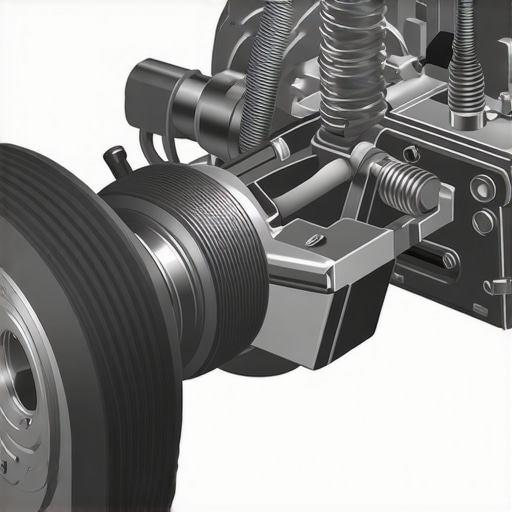
First, park your car on a level surface and turn off the engine. Open the hood and examine the steering linkage, rack, and pinion assembly for signs of wear, corrosion, or loose connections. Use a flashlight to check for cracked or torn dust boots that can let dirt in and cause premature wear. Remember, a loose or damaged tie rod end can mimic a minor clunk but lead to significant steering problems if ignored.
Check the Power Steering Fluid Level and Condition
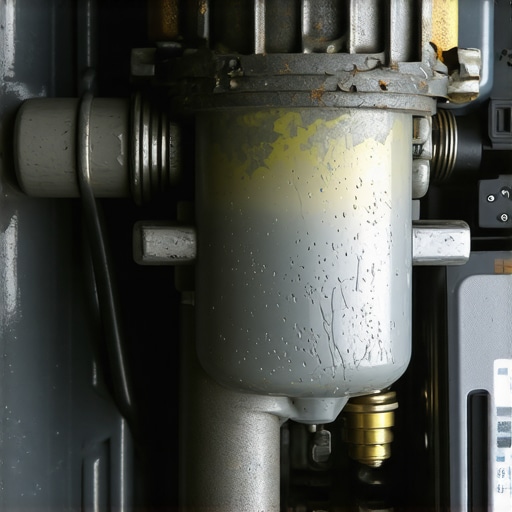
Locate the power steering reservoir (consult your owner’s manual if needed). Ensure the fluid is within the recommended levels, and inspect its color and clarity. Dark, gritty, or foamy fluid indicates contamination or low fluid, which can cause noise and difficulty turning. Top up if necessary with the correct specification, and consider doing a full flush if the fluid appears degraded to prevent future issues.
How to Safely Check Power Steering Fluid
Always check fluid levels when the engine is off and cool. Use a clean rag to wipe away grime around the reservoir cap, then unscrew it and observe the level. If it’s low, add fluid gradually, checking for leaks underneath—their presence hints at a leak in hoses or the pump itself. Regular maintenance here can prevent that elusive clunk and save money down the line.
Inspect the Suspension and Bushings for Wear
Worn suspension bushings or ball joints can cause play in the steering, translating into that annoying clunk. Jack up the vehicle safely, support it on jack stands, and wiggle the wheels side to side and top to bottom. Excess movement suggests bushings or joints are loose or torn. Replacing worn bushings boosts steering stability and reduces noise, much like replacing worn-out bearings in a bicycle. If you’re unsure, consult a mechanic to verify the condition of these parts.
Test the Tie Rod Ends and Inner Joints
Start the engine and turn the steering wheel lock-to-lock while observing the tie rods for any excessive play. Grab the joints with your hands (wear gloves for safety) and see if they move freely. A loose tie rod end can produce a repeated ‘clunk’ during slow turns. Replacing faulty tie rods restores smooth handling and prevents further damage to steering racks.
Implement a Test Drive to Reproduce the Noise
After inspection, take the vehicle for a controlled drive on a quiet street. Focus on initiating slow tight turns and listen carefully for the clunk. Note when it occurs—during initial steering input or at certain angles. If the noise persists, it indicates a specific component needs attention. Pay close attention to whether the noise diminishes as the vehicle warms up, as some issues worsen with temperature or lubrication deficits.
Consult a Professional for Accurate Diagnosis
If your inspection and test drive don’t pinpoint the problem—or if you’re uncomfortable doing these steps—schedule a visit to a qualified ASE-certified technician. They can perform more advanced diagnostics, like checking the steering rack play with specialized tools or conducting hydraulic pressure tests to detect issues with the power steering pump. Remember, timely diagnosis prevents costly repairs and keeps you safe on the road.

Many car owners believe that ASE certification guarantees a flawless repair or that dropping the cheapest oil at the pump will keep their vehicle running smoothly forever. However, these assumptions often lead to costly mistakes. Let’s dig deeper into some common misconceptions and reveal the nuanced truths that even experienced mechanics understand.
The Myth of the ASE Badge as a Guarantee of Perfection
While ASE certification indicates a technician has passed certain standards, it doesn’t necessarily reflect ongoing expertise or the quality of service at a particular shop. Some shops proudly display ASE seals, but that doesn’t mean every technician there is equally skilled. It’s important to look beyond certification and consider shop reputation, reviews, and diagnostics rigor. Relying solely on the badge can cause owners to overlook warning signs like inconsistent diagnoses or unnecessary repairs. Remember, ASE certification is a good starting point, but not the end-all for quality. For a comprehensive check, see how to verify an ASE shop’s credentials.
Transmissions: The Hidden Complexity of Service
Many believe that a simple pan drop or a fluid flush is enough to keep a transmission healthy. But automaker specifications now call for highly specific procedures, especially in modern vehicles with sealed or dual-clutch transmissions. A generic transmission service can inadvertently damage delicate components or lead to incomplete diagnostics. In fact, some advanced issues, like slipping or shuddering under load, only become apparent with proper testing and specialized equipment. A failure to recognize these nuances can result in prolonged drivability issues. For detailed insights, check the real difference between a flush and a pan drop.
Avoid Replacing Oil Too Often or Not Enough
Contrary to popular belief, frequent oil changes aren’t always necessary, especially with high-quality synthetic oils. Conversely, extending intervals beyond manufacturer recommendations can lead to sludge buildup and seal degradation. The biggest trap is relying solely on a mechanic’s
Investing in the Right Equipment: A Personal Approach
Maintaining your vehicle over time requires more than routine checks; it demands precise tools that I rely on daily. For instance, I always keep a high-quality digital multimeter like the Fluke 117 in my toolkit because it provides accurate voltage readings crucial for diagnosing electrical issues without guesswork. Its non-contact voltage feature allows me to identify wiring problems safely, saving time and preventing potential hazards.
Another non-negotiable is a reliable OBD-II scanner, such as the Autel MaxiCOM. I prefer this model because of its extensive vehicle coverage and advanced diagnostics capabilities, which enable me to not only read and clear codes but also delve into live data streams—essential for diagnosing complex problems like intermittent transmission slipping or sensor malfunctions. Investing in a good scanner ensures you’re not dependent solely on mechanic shops and can understand your vehicle’s health more comprehensively.
Methodical Maintenance Strategies for Longevity
Beyond tools, I swear by scheduled fluid analysis. Regularly sending oil samples to a lab offers deep insights into engine wear particles, viscosity breakdown, and contamination levels. This proactive step helps prevent catastrophic failures and extends the lifespan of engine components, especially in high-mileage vehicles. For those who prefer a more immediate check, monitoring oil pressure with a mechanical gauge connected through a quick-disconnect adapter can quickly reveal internal engine issues, like worn bearings, before they become serious.
Additionally, I utilize ultrasonic leak detectors to find tiny air and fluid leaks in the vacuum, AC, or fuel systems. These leaks are often overlooked but can cause drivability problems or reduce fuel efficiency. Using ultrasonic technology, I can accurately pinpoint leaks that are inaudible to humans, ensuring repairs are targeted and effective.
Tools on the Horizon: Automation and Software
Looking ahead, the integration of software-based maintenance tracking tools is set to revolutionize vehicle care. I recommend using apps like Service Carbu, which logs maintenance history, alerts you about upcoming services, and offers DIY troubleshooting tips based on your vehicle model. These platforms harness data analytics to predict potential failures based on driving patterns, much like predictive analytics used in fleet management to reduce downtime and repair costs, as discussed in fleet maintenance insights.
How do I maintain my car’s performance tools over time?
To ensure longevity, I recommend calibrating diagnostic tools annually and keeping software updated to the latest versions. Regularly inspecting physical equipment for damage and cleanliness prevents false readings and prolongs their effectiveness. Remember, even the best tools can become obsolete or inaccurate if neglected, so routine maintenance of your diagnostics arsenal is as crucial as oil changes or tire rotations.
In the end, investing in quality equipment and adopting a methodical maintenance approach are key to keeping your car reliable over the long term. Try integrating an ultrasonic leak detector into your routine, and you’ll appreciate the peace of mind that comes from catching issues early, before they escalate into costly repairs. Staying ahead with the right tools and techniques not only preserves your vehicle’s value but also enhances safety and driving enjoyment.
The Hardest Lesson I Learned About ASE Certified Car Service and Transmission Care
One of my most eye-opening experiences was realizing that even with all the certifications and tools, the real expertise lies in paying attention to those tiny, almost imperceptible signs, like that slow-growing clunk or a faint whine. I learned that trusting your instincts and doing diligent visual inspections can often save you from costly repairs. Rushing into replacement parts or services without a thorough understanding can do more harm than good, especially when it comes to complex systems like transmissions.
Why I Stopped Relying Solely on Cheap Oil and Quick Fixes
Early in my journey, I thought opting for the cheapest oil and skipping regular oil analysis was fine. But I quickly discovered that synthetic oils and precise maintenance schedules are vital for engine longevity. The subtle buildup of sludge or unnoticed oil pressure drops can dramatically shorten the engine’s life. The key is investing in quality fluids and understanding how tools like ultrasonic leak detectors can reveal tiny, costly leaks before they become major failures.
The Real Value of Skilled Diagnostics Over Guesswork
I found that comprehensive diagnostics—like evaluating oil pressure patterns or analyzing live data streams—are far more effective than replacing parts on a whim. The difference lies in having the right tools and knowing how to interpret the signs. For example, knowing when to perform a transmission flush versus a simple pan drop can make a significant difference in vehicle health. Personally, I trust resources like the detailed guides on transmission service to inform my decisions.
Curiosity and Continuous Learning Drive Better Car Maintenance
What truly sets apart a skilled owner or mechanic is their willingness to learn and adapt. Every strange noise or warning light is an opportunity to expand your knowledge—whether that’s exploring the nuances of oil viscosity or understanding the subtle cues from steering components. Sharing experiences and asking questions in communities can greatly enhance your ability to prevent problems before they escalate. Remember, your car’s health is a reflection of your curiosity and dedication to learning.
Unlocking the Full Potential of Your Maintenance Arsenal
Investing in high-quality diagnostic equipment, like an advanced OBD-II scanner, truly paid off for me. It unlocked insights that a mechanic could only provide after hours of troubleshooting. Regularly updating software, calibrating tools, and maintaining your diagnostic arsenal ensures you’re always a step ahead. By integrating tools like ultrasonic leak detectors and engine analyzers into routine checks, I could catch minor issues early—saving money and improving reliability.