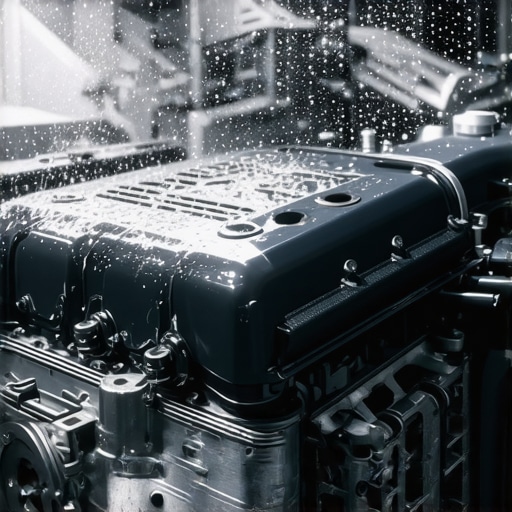
Why Your Engine Oil Looks Like a Chocolate Milkshake
I remember the exact moment I realized something was terribly wrong with my car. I popped the hood after a long road trip and saw the oil dipstick coated in a thick, brown, almost pudding-like mess. At first, I thought I might have spilled something, but as I checked further, the symptoms became clear—my engine oil had turned into a chocolate milkshake. That was a lightbulb moment for me, one that made me realize how critical it is to understand what such a look signifies.
Many car owners brush off dark or oddly colored oil, thinking it’s just normal wear and tear or perhaps a sign that they need an oil change sooner. But when the oil looks like a milkshake—thick, opaque, and brown—it’s a clear warning sign that something is off, usually indicating coolant mixing with engine oil. This isn’t just an oddity; it’s a symptom of a serious problem that, if left unchecked, can cause severe engine damage.
Today, I want to share with you how to identify this problem early, understand what causes it, and most importantly, what steps you should take to fix it before costly repairs become inevitable. If you’ve ever opened your hood and seen that murky, chocolatey mixture, this guide is for you. We’ll explore common causes and how a quick inspection can save your engine.
Understanding What Causes Oil to Turn into a Milkshake
Is Engine Oil Drinking Your Coolant?
Many folks wonder, “Can coolant actually mix with my oil?” Absolutely—and it’s more common than you might think. When a head gasket fails or a crack develops in the engine block, coolant can seep into the oil system. This leads to that thick, brownish, milky substance that resembles a chocolate milkshake. It’s a dangerous situation that needs immediate attention.
In my early days as a car enthusiast, I made the mistake of ignoring this sign, thinking I could just top off the oil and keep running. But that was a mistake. The longer you wait, the more coolant gets into the oil, decreasing its lubricating properties and risking a complete engine overhaul. For detailed insights, check out [this article](https://autofixclinic.com/the-truth-about-lifetime-transmission-fluid-claims-2), which explains how fluid contamination can impact your vehicle.
So, how can you tell if your oil has been compromised? The first step is a visual inspection—if it looks like a milkshake or feels unusually thick and slimy, it’s time to visit a trusted mechanic. But don’t worry—addressing this issue is manageable when caught early. Next, we’ll look at specific causes and what actions you need to take.
Drain and Remove Contaminated Oil
Start by safely lifting your vehicle on a jack and removing the drain plug to empty the contaminated oil into a proper recycling container. Wear gloves and goggles to handle the thick, sludge-like oil safely. This initial step prevents further circulation of the faulty oil and prepares your engine for a thorough cleaning.
Flush the Engine Carefully
Next, use a high-quality engine flush product designed to break down sludge and separate coolant from oil. Pour the flush into the dipstick tube and run the engine for the manufacturer-recommended time. This process helps dissolve any residual contaminants. Think of it as giving your engine a detox, similar to cleansing a system that’s been bogged down.
Change Oil Filter and Refill with Correct Oil
After running the flush, turn off the engine and drain the flush solution. Replace the oil filter with a new, quality filter—preferably one recommended for your vehicle’s engine type. Refill the engine with fresh, high-quality synthetic or semi-synthetic oil. Careful oil selection and filter replacement are crucial for restoring proper lubrication. Check the [difference between synthetic blend and full synthetic oils](https://autofixclinic.com/the-difference-between-synthetic-blend-and-full-synthetic-in-turbo-engines) to choose the best option.
Inspect for Leaks and Coolant Intrusion
With the new oil in place, start the engine and let it idle. Watch for leaks around the valve cover gasket, oil pan, and coolant passages. Use a flashlight and a mirror to inspect for signs of coolant seeping into the system, which indicates a head gasket or cracked engine block. This step is akin to a mechanic giving your car a health check to pinpoint the root cause.
Monitor Oil Quality and Engine Performance
Drive the vehicle gently for the first 50-100 miles, then perform a second oil change if necessary. Regularly check oil levels and clarity to ensure the problem is resolved. A clean, amber-colored oil indicates success. If issues persist, consult an ASE-certified technician for an in-depth diagnosis, as outlined in [how to verify a shops ASE status](https://autofixclinic.com/how-to-verify-a-shops-ase-status-without-asking-the-manager). Taking these steps ensures your engine remains protected and extends its lifespan.
Many car owners assume that following the manufacturer’s recommended mileage for oil changes is enough to keep their engine healthy. However, the reality is more nuanced. For instance, some believe that synthetic oils never need changing, but in my experience, improper use can lead to overlooked issues if the oil isn’t monitored properly. It’s a common myth that once you’ve switched to synthetic, you can go 15,000 miles without an oil change, but this neglects how driving conditions and engine wear impact oil degradation. Regular checks are still essential. Moreover, many forget that Transmission fluid isn’t a lifetime fluid; contrary to popular claims of ‘set-and-forget,’ studies show that transmission fluid degrades over time, especially under high loads, affecting shift quality and transmission longevity. You can read more about this in [this detailed article](https://autofixclinic.com/the-truth-about-lifetime-transmission-fluid-claims-2), which debunks myths around ‘lifetime’ fluids. A common oops is overlooking the importance of using the correct oil filter. Upgrading to a high-quality filter isn’t just a marketing gimmick—it’s crucial for preventing engine sludge and debris from circulating. Many people think all filters are equal; in reality, choosing the right filter for turbocharged or high-mileage engines can significantly extend engine life. For example, synthetic blend oils are often misused in high-performance engines; selecting between synthetic blend and full synthetic depends on your engine type and driving habits. Visit [this page](https://autofixclinic.com/the-difference-between-synthetic-blend-and-full-synthetic-in-turbo-engines) for a breakdown. Another nuanced mistake involves neglecting ASE certification when choosing a mechanic. Some assume all shops are equally qualified, but ASE-certified technicians have undergone rigorous testing, especially in advanced diagnostics such as those for hybrid or turbo engines. To verify a shop’s credibility, I recommend reading about [how to spot a genuine ASE-certified tech](https://autofixclinic.com/how-to-spot-a-genuine-ase-certified-tech-in-seconds). Ignoring these details can lead to misdiagnosis or improper repairs that may cost more in the long run. Don’t fall prey to the trap of assuming that a quick oil top-off will fix underlying issues like coolant contamination or sludge buildup. Advanced problems require a comprehensive approach—flushing systems, replacing filters, and thorough diagnostics. To understand the complexity behind seemingly simple maintenance, consider the sophisticated systems in modern vehicles that demand expert attention. Have you ever fallen into this trap? Let me know in the comments! Making informed decisions about car maintenance isn’t just about following a schedule—it’s about understanding the nuances that can make a difference in your vehicle’s longevity and performance.
Investing in the Right Equipment for Long-Term Success
Maintaining your vehicle’s performance and longevity isn’t about quick fixes; it requires precision tools and knowledge. I personally rely on a quality digital multimeter, like the Fluke 115, to accurately troubleshoot electrical issues, ensuring I don’t waste time chasing phantom problems. For fluid analyses, a high-grade scan tool such as the Autel MaxiCOM series provides real-time data and helps me verify complex systems, especially when diagnosing advanced features. Moreover, a sturdy hydraulic jack and stand are essential for safe access during oil changes or transmission inspections, preventing accidents and ensuring efficiency.
Leveraging Diagnostic Software for Accurate Insights
Modern cars are digital ecosystems, making software tools indispensable. I use OEM-specific diagnostic programs—such as Ford IDS or GM TECH 2—paired with professional-grade scanners to access manufacturer-specific codes and live data streams. These tools help me pinpoint issues like transmission hesitations or sensor malfunctions with clarity. When it comes to transmission health, regularly using a dedicated transmission fluid analysis service can detect early signs of degradation, saving you from costly repairs. You might consider sending a sample to a lab that specializes in fluid diagnostics, as this offers a deeper understanding beyond what onboard sensors can provide.
Employing Preventive Maintenance Procedures
Beyond tools, adopting systematic methods like scheduled flushes for transmission and cooling systems is critical. I recommend following a comprehensive maintenance plan, including regular fluid changes with quality synthetic oils—preferably full synthetic for turbo engines as explained here. Using an ASE-certified mechanic for complex jobs ensures adherence to standards and reduces the risk of future issues, especially with components requiring advanced diagnostics like the thermostat or valve bodies. Building these habits now can dramatically extend your vehicle’s lifespan.
Where Engineered Meets Innovation: The Future of Car Maintenance
As automotive technology evolves, tools like AI-powered diagnostic systems and remote monitoring devices will become standard. These innovations will allow proactive identification of problems before symptoms are even noticeable. For instance, vehicle telematics can alert you via smartphone when fluid levels are low or if sensor anomalies occur, minimizing downtime. I believe embracing these advancements now positions DIY enthusiasts and professionals alike to stay ahead of potential failures, especially with increasingly complex systems in hybrid and electric vehicles.
How do I keep my car’s crucial systems in top shape over time?
Consistent use of specialized tools, routine diagnostics, and adhering to manufacturer schedules with the guidance of ASE-certified technicians make a big difference. For example, regularly inspecting your transmission fluid with a lab service can catch early signs of degradation, preventing sudden failures. Incorporate advanced techniques like oil analysis and software diagnostics, and you’ll find your vehicle maintaining peak performance longer. Ready to elevate your maintenance game? Try a transmission fluid analysis with a reputable service, and see what hidden issues you might be overlooking. Doing so can save you money and keep your car running smoothly for years to come.
What I Wish I Knew Before Ignoring Bright Red Flags
One of the most valuable lessons I learned from my experience with murky engine oil is that ignoring early signs often leads to costly repairs. Recognizing the difference between routine discoloration and alarming milky stains can save you from catastrophic engine damage. It took a misdiagnosed head gasket failure and a hefty repair bill to teach me that proactive inspection and early action are worth their weight in gold.
Tools and Resources That Transformed My Approach
Investing in a quality scan tool and subscribing to trusted diagnostic resources changed my entire maintenance strategy. For instance, using a reputable transmission fluid analysis service allows early detection of degradation—helping me avoid sudden breakdowns. I rely on diagnostic software like OEM-specific programs and detailed online communities to stay ahead of complex issues. These tools provide insights that a simple eyeball inspection never could, empowering me to make informed decisions about when to seek professional help.
From Frustration to Confidence: My Maintenance Mindset Shift
The emotional turning point came when I realized that mastering basic diagnostic techniques turns maintenance from a chore into a confidence-building routine. No longer do I dread oil changes or minor repairs; instead, I see them as opportunities to understand my vehicle deeply. Embracing continuous learning about how different fluids and components interact fosters peace of mind and promotes a sense of mastery over my car’s health. If you’re eager to make this shift, start with simple fluid checks and gradually explore advanced diagnostics—your vehicle will thank you for it.