How to Tell if Your Shocks are Blown Without Taking Them Off
Ever been behind the wheel feeling that jarring jolt every time you hit a bump, and wondered if your shocks might be shot? I remember one winter morning, cruising over a pothole in my neighborhood, and feeling that unmistakable thud. Turns out, those shocks were well past their prime, but I didn’t want to go through the hassle and expense of taking them off just yet. That lightbulb moment made me realize—there’s got to be an easier way to check if your shocks are blown without crawling under the car.
Why It’s Crucial to Know the State of Your Shocks
Your shocks play a significant role in your vehicle’s ride comfort, handling, and safety. Worn shocks can lead to uneven tire wear, increased stopping distances, and a bumpy, unpredictable ride. The problem is, many drivers ignore these signs or only realize there’s an issue after a dangerous event or costly repair. Early detection can save you time, money, and headaches.
But here’s the catch: many don’t want to or can’t immediately take their vehicle to a mechanic for a visual inspection. That’s where understanding some telltale signs comes in handy. Trust me, a bit of knowledge and a simple test can give you peace of mind—without the need to remove the shocks each time.
Is It’s Worth Worrying Over a Slight Bump? Sometimes, Yes
Early on, I also fell into the trap of dismissing minor bumps as just road imperfections. But I learned early that subtle signs, if caught and addressed early, can prevent bigger issues down the line. A mistake I made was assuming that all bouncing was standard ride comfort—it’s not. Sometimes, all it takes is a quick bounce test when parked to reveal what’s really going on.
So, are you curious to learn the straightforward ways to check your shocks without full removal? Stick around, because these tips could save you a lot of trouble, especially if you’re like me—who appreciates doing little things to keep the car safe and reliable.
Performing the Bounce Test
Park your vehicle on a level surface and push down firmly on one corner of the car, then release quickly. Observe how the car responds: if it bounces multiple times or feels unstable, your shocks may be worn. I once used this method on my van, and after a couple of bounces, I noticed it was hopping more than usual. That prompted me to schedule a shock inspection, saving me from a rough ride and potential safety issues.
Leverage Visual Inspection for Leaks
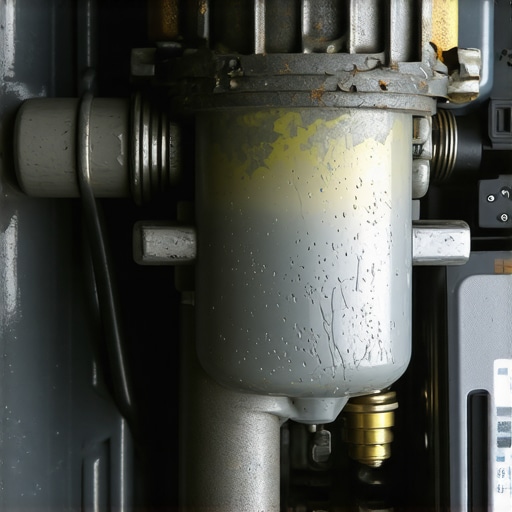
Get under the vehicle and look at the shock bodies. Leaking oil or grease is a clear sign of failure. Look for wetness around the shock seams or accumulated grime indicating oil seepage. Remember, sometimes dirt can mask issues, so clean your shocks periodically to get a clearer picture. I once cleaned the shocks on my truck, and seeing fresh oil traces made me realize they needed replacement sooner.
Test Vehicle Handling and Ride Quality
Note how the vehicle responds during everyday driving. Excessive body roll, nose-diving during braking, or bottoming out after smaller bumps are signs of weakened shocks. I experienced this firsthand when my car started feeling unstable around corners—a quick test confirmed the shocks were no longer effective. Addressing this early can prevent uneven tire wear and enhanced safety risks.
Use a Simple Push-Cut Method
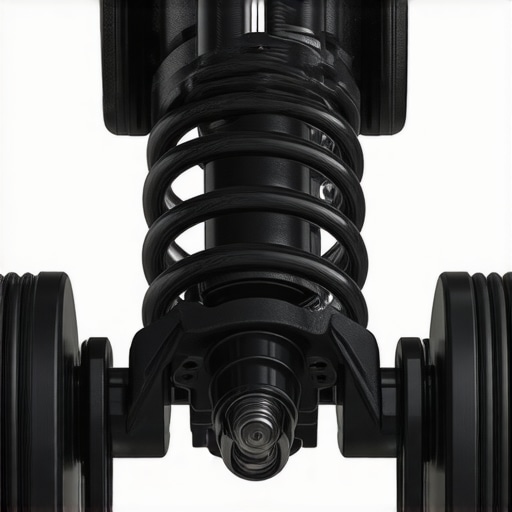
Identify a stationary, level surface, and grasp the top of a shock with your hand. Push down sharply, then observe the rebound. A healthy shock will dampen the movement quickly; a faulty one will cause a slow, prolonged bounce. I tried this test after reading about it, and found that two shocks were sluggish. That straightforward check helped me decide to visit a mechanic promptly.
Consult with an ASE-Certified Technician
If any signs point to worn shocks, a professional inspection is wise. Find a local shop with ASE-certified techs, ensuring expert assessment. I used this guide to verify their credentials, and it reassured me about their expertise. Remember, proper diagnostics can save money and improve safety.
Symptoms Beyond the Tests You Shouldn’t Ignore
Additional signs include uneven tire wear, a harsh ride, or unusual noises when driving over bumps. Sometimes, even after a bounce test, these symptoms reveal more serious suspension issues. I once ignored a riding roughness, which led to more costly repairs when I finally sought help.
Keeping Your Shocks in Top Shape
Routine maintenance doesn’t involve replacing shocks as often as oil or filters, but paying attention to how your vehicle handles and performing these simple tests can extend their lifespan. Regular inspections and early detection of issues keep your vehicle safe and comfortable. Incorporate these checks into your seasonal maintenance routine, and you’ll stay ahead of potential failures.
When it comes to vehicle maintenance, many drivers rely on conventional wisdom or quick fixes, but there’s more beneath the surface that often goes unnoticed. Contrary to popular belief, simply draining and replacing your oil every 3,000 miles isn’t always the best approach, especially with modern synthetic oils that can last much longer if used correctly. Experts say that following the manufacturer’s specific recommendations, considering driving conditions, and understanding oil types can significantly improve engine health.
Are traditional intervals outdated for today’s engines?
Recent studies indicate that extending oil change intervals can be safe and cost-effective if your vehicle’s condition and usage patterns are taken into account. Ignoring these nuances may lead to premature oil degradation or unnecessary expenses, as highlighted in a 2022 SAE report. Additionally, many drivers overlook that the quality of the oil filter and proper oil circulation are just as vital as the oil itself, making cheap filters a false economy. Learn more about how low-quality filters can cause engine damage by visiting this article. One common myth is that all car service providers perform the same level of diagnostics. In reality, unless a technician holds an ASE certification, their ability to accurately diagnose complex issues, such as transmission slipping, may be limited. This is why verified expertise matters—especially for intricate repairs that require advanced knowledge. As explained in this guide, certification can be a quick way to gauge a technician’s competence. Another pitfall is disregarding signs of transmission issues, assuming they are just normal wear. But unlike routine oil changes, transmission problems can escalate quickly, leading to costly repairs or replacements. Recognizing early symptoms and consulting with an ASE-certified technician can save you thousands—more insights are available at this resource. Do you think following manufacturers’ maintenance schedules is enough? Think again. Modern vehicles are equipped with sensors and systems that require more nuanced care. Overlooking this can accelerate component wear, especially with high-mileage engines or hybrid models. Moreover, some car owners believe that synthetic oils mean they can skip oil changes entirely. The truth is, synthetic oils degrade over time, and neglecting regular service can still lead to sludge buildup or seal deterioration, as detailed in this article. To truly extend your vehicle’s lifespan and maintain optimal performance, understanding these subtle but critical nuances is essential. So, have you ever fallen into any of these traps? Share your experiences or questions below—let’s decode car care together!When it comes to maintaining your vehicle’s performance, having the right tools and knowledge makes all the difference. Personally, I rely on a combination of specialized equipment and professional-grade software to ensure my car stays in top shape. For instance, I always keep a high-quality digital multimeter, like the Fluke 115, which allows me to diagnose electrical issues accurately and safely. It’s a small investment that can save you hours and prevent misdiagnoses during troubleshooting.
In addition to physical tools, I swear by diagnostic scan tools such as the Autel MaxiScan MS300. This device connects to your vehicle’s OBD-II port and provides real-time data, trouble codes, and test functions. I use it regularly to monitor engine health, especially after performing oil changes or transmission repairs—helping me verify that everything runs smoothly. Moreover, this tool is compatible with most vehicles and ensures that you don’t miss critical warning signs.
For maintenance records and scheduling, I recommend software like RepairPal or the OEM-specific diagnostic apps offered by manufacturers. These platforms help track service intervals, recall notices, and technical service bulletins, ensuring you’re proactive rather than reactive. In the future, I predict that integration of AI-driven diagnostic tools will become standard, enabling even more precise maintenance planning.
How do I maintain long-term reliability of my car’s transmission? Regular fluid checks using a high-quality, certified transmission fluid tester is crucial. Remember, using the correct type of fluid, especially for CVT or dual-clutch transmissions, can prevent costly failures. Certified tools like the PowerFlush Pro can help perform a thorough flush when needed, ensuring clean lubricants and optimal function.
It’s also worth noting that upgrading your vehicle’s service with advanced cooling system testers can prevent overheating issues during extreme weather or heavy loads. For example, verifying the integrity of coolant flow and radiator pressure can save you from unexpected breakdowns. According to the Society of Automotive Engineers (SAE), proactive cooling system maintenance significantly extends component longevity.
In my experience, integrating these tools into your routine maintenance not only saves money but also provides peace of mind. Try calibrating your multimeter or running a diagnostic scan after your next oil change—you might be surprised how much trustworthiness you gain. Investing in proper equipment is an essential step toward becoming your own trusted mechanic, especially as vehicles grow more complex.
More Than the Basics: Trust Your Gut and Keep Learning
One thing I discovered early on is that even with the most thorough guides, trusting my intuition made a difference. Feeling that the real issue might be more than just worn shocks led me to deeper diagnostics, saving me from unnecessary repairs. It taught me that, beyond checklists, cultivating a curiosity about my vehicle keeps me ahead of potential problems.
The Value of Building Your Own Diagnostic Toolkit
Investing in a quality scan tool and keeping essential equipment like a multimeter have transformed my approach. Not only do I catch issues sooner, but I also gain confidence in understanding my car’s health. As I learned, a small toolkit is more than convenience—it’s empowerment that can bridge the gap until professional help is needed.
Don’t Underestimate Simple Checks; They Are Powerful
Performing quick bounce tests or visual inspections regularly has become a ritual. These simple steps often reveal signs that otherwise would take time and money to uncover. I found that regular, proactive checks make maintenance feel less daunting and more manageable, turning car care into a positive habit rather than a chore.
Stay Curious About Advanced Systems
With modern vehicles packed with sensors and electronic controls, I realized that staying informed about how these systems work is crucial. Reading manufacturer service bulletins and tech articles widened my perspective, allowing me to anticipate issues that standard checks might miss. Continuous learning elevates your role from a driver to an active participant in your vehicle’s longevity.
Your Car’s Secrets Are Within Reach—Be the Detective
Every squeal, vibration, or leak tells a story. The more you listen, the better you become at decoding it. Sharing my experiences has shown me that you don’t have to be a mechanic to understand your car—genuine curiosity and a few trusted resources make all the difference. Start paying close attention today, and your vehicle will thank you for it.