The Gritty Truth About 10,000-Mile Oil Change Intervals
It hit me one morning while I was crawling under my car, trying to inspect an odd rattling noise that seemed to come from the engine bay. As I twisted myself into a pretzel, I realized how much trust I had placed in those conventional wisdoms about oil changes—specifically, sticking to 3,000-mile intervals. But I was about to learn a gritty truth that changed everything. Have you ever experienced that sinking feeling, thinking you’ve been doing all the right things for your vehicle, only to find out you might be risking your engine by following outdated advice?
Why Sticking to Old Oil Change Rules Could Cost You Big Time
Years ago, I used to religiously change my oil every 3,000 miles, just as my mechanic back then recommended. That habit was born from decades-old practices that, at the time, made perfect sense. But as vehicle technology improved, so did oil formulas and engine designs. Yet many of us cling to those traditional mile markers, unaware that modern cars and high-quality synthetic oils are capable of much longer intervals—sometimes up to 10,000 miles or even more—without well-planned maintenance.
The real issue is that people often overlook the signs their engine gives when it’s stressed or mismanaged. If your oil isn’t replaced in a timely manner, it can lead to engine sludge, increased wear, and ultimately, costly repairs. According to a study published by the Society of Automotive Engineers, engines maintained with improper oil change intervals have been shown to suffer increased deposit buildup, which reduces efficiency and can cause long-term damage. That’s why knowing when, and how, to change your oil can make or break your engine’s lifespan.
What if I told you that many car owners are unknowingly pushing their engines beyond safe limits with these outdated intervals? My early mistake was dismissing the manufacturer’s recommendations and sticking to a rigid 3,000-mile cycle, even when my vehicle’s maintenance schedule suggested longer intervals. That mistake, plus ignoring simple signs of oil degradation, could have led to premature engine failure.
So, if you’re like me, still unsure about the right oil change schedule, don’t worry. Today, I’ll walk you through how to determine the optimal interval based on your specific vehicle, driving conditions, and oil type. But first, let’s address a common concern many skeptics have—”Is waiting longer actually worth the hype?” I’ll dive into that next—stay tuned.
Match Your Oil Change to Your Vehicle and Driving Habits
First, identify your specific vehicle’s manufacturer recommendations—these are located in your owner’s manual or on the manufacturer’s website. For example, some models benefit from extended intervals, especially when using synthetic oil. Then, assess your driving conditions: city stop-and-go traffic, highway cruising, or towing all influence oil longevity. During a recent oil change, I checked my manual and realized I was often only driving short distances daily, which meant synthetic oil could go longer. This proactive step saved me time and money, while maintaining engine health.
Choose the Right Oil and Filter
Select high-quality synthetic or high-mileage oil suited for your engine condition. Use an API SN or later certified oil to ensure compatibility. For filter selection, opt for OEM-approved filters to avoid contamination or premature clogging. When I mistakenly used a cheap filter in my older truck, I noticed oil pressure issues within weeks. After switching to a reputable filter, my engine ran smoother, reaffirming the importance of quality parts.
Set Up a Maintenance Tracking System
Implement a calendar-based reminder or use a maintenance app to track mileage and dates. This prevents accidental over- or under-maintaining. During my last oil change, I set a manual reminder—this habit prompted me to check oil condition at regular intervals, especially after driving in demanding conditions. For a complex transmission that I was unsure about, I scheduled an inspection, avoiding potential costly repairs. Maintaining detailed records ensures timely oil changes and highlights approaching service needs.
Perform a Proper Oil Drain and Fill
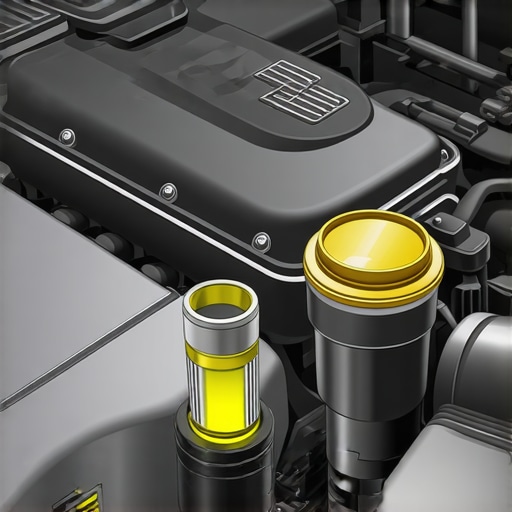
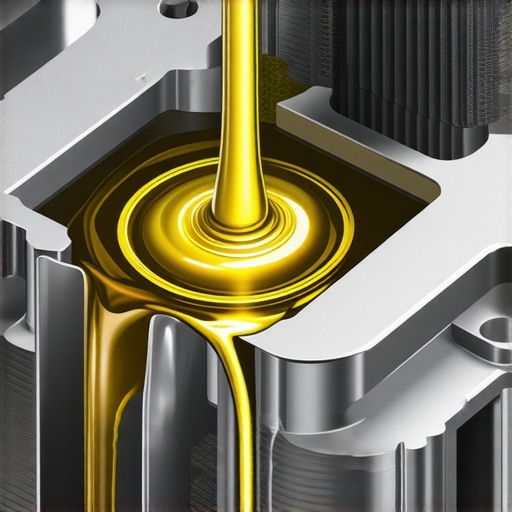
Warm up your engine for 5-10 minutes to facilitate complete drainage, then turn off and secure your vehicle. Place a drain pan beneath the oil pan drain plug, unscrew carefully, and allow all oil to escape. After draining, replace the plug with a new crush washer if recommended. Pour in the correct amount of new oil using a funnel to avoid spills. During my first DIY oil change, I was quick to pour without measuring, resulting in overfill and minor leaks. Now, I double-check the amount, preventing engine damage.
Inspect and Reset the Oil Life Indicator
Many modern cars have an oil life monitor—consult your manual for instructions on resetting it after service. If your vehicle lacks this feature, manually note the mileage or date for your next change. During my last oil change, I reset the monitor following the manufacturer’s procedure, which helped me get accurate prompts going forward. Understanding this process ensures your vehicle’s system accurately tracks when oil needs changing, preventing neglect or unnecessary replacements.
Assess Oil Quality and Engine Signs
After completing the change, check oil color and consistency—fresh oil is transparent with a honey hue. Use the dipstick or electronic sensor if available. Keep an eye out for warning signs like excessive engine noise, smoke, or unusual smell—these can indicate oil degradation or other engine issues. Once, I ignored a faint burning odor after an oil change, which turned out to be a sign of oil burning due to wrong viscosity. Regularly inspecting oil quality prolongs engine life and prevents breakdowns.
Schedule Regular Checks and Follow Up
Even with extended intervals, routinely inspect your engine’s oil level and condition monthly. Use the manufacturer’s recommendations as a baseline but adjust according to your driving habits. For instance, I increased my oil change frequency after a harsh winter with lots of salt exposure, which accelerates oil degradation. Incorporating these checks catches issues early—like a slight oil leak—saving you from expensive repairs down the line. Remember, proactive maintenance is key to a reliable vehicle.
When it comes to maintaining your vehicle, many car owners fall prey to myths and misconceptions that can lead to costly mistakes. One common misconception is that transmission fluid and oil changes are straightforward tasks, but the truth is far more nuanced. For example, many believe that “lifetime” transmission fluid never needs replacing, yet reputable experts acknowledge that even sealed transmissions benefit from periodic fluid changes to prevent sludge buildup and prolong lifespan, as highlighted in recent industry studies. Relying solely on the manufacturer’s claimed “lifetime” fill can trap drivers into overlooking signs of wear or contamination, increasing the risk of sudden transmission failure. Additionally, a widespread myth is that more frequent oil changes always mean better engine health, but in reality, using the appropriate oil type and change interval tailored to your driving conditions is crucial. Overuse of synthetic oils or unnecessary oil changes can sometimes introduce more contaminants or disturb seal integrity, leading to leaks and engine damage, an issue detailed in the article on high-mileage oils. As one expert notes, neglecting to follow precise service intervals or misinterpreting dashboard warnings like the oil light can accelerate component wear or cause catastrophic failures. What’s more, some drivers assume that ASE certification guarantees flawless repairs; however, even certified technicians can overlook vehicle nuances if they don’t employ proper diagnostic procedures or stay updated with evolving automotive technology. For advanced drivers wanting to optimize maintenance, understanding the nuances of transmission fluid properties—such as viscosity and additive compatibility—is key to avoiding future headaches. For example, selecting the wrong transmission fluid can impair shifting performance or damage valves, especially in modern GDI engines, which demand precise fluid specifications. To ensure you’re not walking into a costly trap, it’s wise to consult detailed guides that expire beyond vague recommendations. Have you ever fallen into this trap? Let me know in the comments.
Keep Your Car Running Smoothly with the Right Tools and Methods
Maintaining your vehicle over the long term requires more than just adherence to schedule; it demands precision, the right equipment, and a systematic approach. Over the years, I’ve found that investing in quality tools and reliable software not only streamlines repairs but also enhances diagnostic accuracy. For example, I personally use an OBD-II scanner like the Autel MaxiDoc series—these devices connect directly to your car’s diagnostics port and provide real-time data on engine parameters, error codes, and sensor readings. This immediacy helps me identify issues before they escalate, saving time and money.
Furthermore, I rely on shop-grade multi-meter testers with advanced features such as microamp measurement and temperature probes, which are vital for diagnosing electrical faults or sensor failures. These tools enable me to verify connections and check voltage drops accurately. It’s tempting to use generic testers, but I’ve learned that investing in professional-grade equipment ensures precise readings, especially for complex systems like GDI engines, which require careful carbon cleaning—more on that here.
Software also plays a critical role. I utilize OEM-specific diagnostic software with manufacturer license keys, which allows me to access proprietary system codes and reset maintenance indicators properly. This is crucial because, as in the case of transmission diagnostics, specialized tools can detect failing solenoids without expensive scanner equipment.
Predicting where vehicle technology is headed, I see an increasing trend toward integrated telematics systems and AI-powered diagnostic tools. These advancements will further streamline the identification of issues, making proactive maintenance more accessible to amateurs and professionals alike.
How do I maintain transmission integrity over time?
Adopting systematic fluid checks, using quality replacement parts, and leveraging specific diagnostic tools to monitor performance help extend your transmission’s lifespan. Regularly inspecting and replacing the transmission fluid with the correct type ensures smooth shifting and prevents costly failures. With a combination of precise tools and routine checks, you can keep your vehicle’s transmission in top shape for hundreds of thousands of miles.
Practicing consistent maintenance habits and investing in the right equipment are the keys to reliable vehicle ownership. I encourage you to try a comprehensive diagnostic scan before your next oil change or service—this proactive step can uncover hidden issues early, saving you money and peace of mind.
The Hardest Lesson I Learned About Transmission, Car Service, Oil Change, ASE Certified
One of the most eye-opening moments in my automotive journey came when I realized that not all maintenance advice applies equally to every vehicle or driver. I once believed that sticking rigidly to manufacturer recommendations without considering my driving habits was the safest approach. However, I discovered that truly understanding your car’s specific needs—like knowing how often your transmission fluid actually needs changing—can save you from costly repairs and extensive downtime. These lightbulb moments have reshaped how I approach vehicle maintenance, emphasizing tailored care over one-size-fits-all solutions.
Upgrade Your Auto Knowledge with Trusted Resources
For those eager to elevate their car maintenance game, I recommend tools and guides that have genuinely transformed my understanding. The Auto Fix Clinic’s troubleshooting resources have helped me decode strange noises and diagnose issues before they escalate. Investing in a quality OBD-II scanner allowed me to monitor engine health in real-time. Lastly, reading comprehensive guides on high-mileage oils and engine seals broadened my perspective on prolonging engine longevity. These resources are invaluable for anyone serious about a proactive maintenance approach.
Embrace Your Vehicle’s Voice and Drive with Confidence
The journey to reliable and efficient vehicle ownership is ongoing, but it’s also incredibly rewarding. Every time I check my oil with care, listen for unusual sounds, or consult trusted guides, I feel more connected and confident behind the wheel. Remember, the key to long-term vehicle health isn’t just following routine; it’s about staying curious, learning continuously, and acting proactively. Your car’s health depends on your attentiveness—so take that extra moment, trust your instincts, and enjoy the smooth ride ahead. What’s one maintenance habit you’ve recently improved? Share your experiences below and keep the conversation going.