Why Your GDI Engine Needs a Carbon Cleaning Every 30k Miles
It was a typical Saturday morning when I cranked up my car to run errands, only to be greeted by a rough, uneven idle that I couldn’t ignore. My heart sank as I remembered the last time I had my engine serviced, and a sudden realization hit me: I might be ignoring a hidden problem lurking inside my GDI engine. As someone who values quality car care — especially from ASE certified professionals — I knew I had to dig deeper. That lightbulb moment made me question whether I was doing enough to protect my engine from the silent buildup of carbon deposits that can sneak up on even the most diligent car owners.
The Hidden Threat in Your GDI Engine
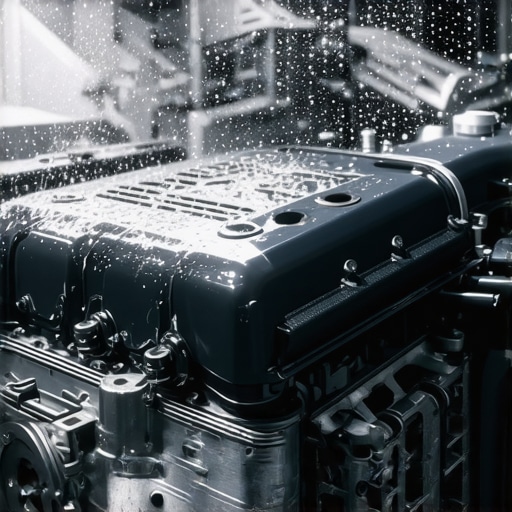
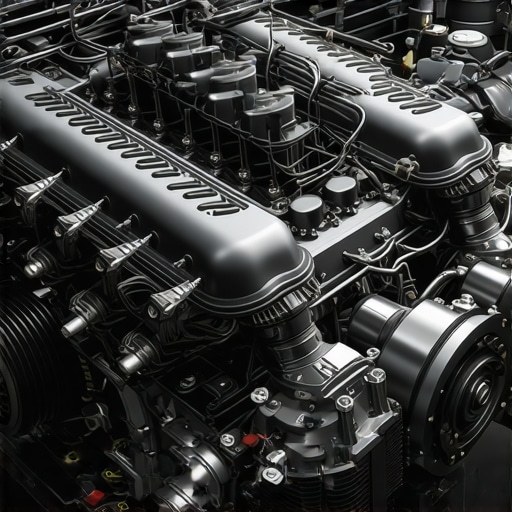
If you’ve noticed your car feeling sluggish, fuel economy dropping, or rough idling, there’s a good chance carbon build-up is the culprit. Modern Gasoline Direct Injection (GDI) engines are marvels of engineering but come with a hidden downside: they tend to accumulate carbon deposits more quickly than older engines. These deposits cling to intake valves, pistons, and combustion chambers, causing reduced efficiency and, over time, even severe engine damage. What many don’t realize is that regular maintenance isn’t enough; a specialized carbon cleaning every 30,000 miles can prevent costly repairs down the line. I learned this the hard way early on, when I skipped this vital step and paid the price with declining performance and increased fuel consumption. Trust me, being proactive pays off in the long run.
Is the Hype About Carbon Cleaning Just Overblown?
I used to think that cleaning my engine valves was a luxury, not a necessity. That was a mistake I made early in my car ownership journey. In reality, neglecting this small yet significant maintenance task can lead to engine sludge, which can clog vital components and reduce lifespan. If you’re skeptical, consider this: studies show that carbon deposits can decrease engine efficiency by up to 15%, costing you more at the pump and risking engine failure. Don’t fall into the trap of dismissing it as unnecessary. Regular carbon cleaning is a simple, effective way to keep your GDI engine running like new. Curious if your engine could benefit from this treatment? Check out how a professional service can make a difference on their maintenance checklist.
Now that I’ve shared my story, I want to guide you through understanding why your GDI engine demands this attention and how you can tell if it’s time for a clean. Stay with me — your engine will thank you.
,
Gather Your Tools and Prepare Your Workspace
Before diving into the cleaning process, assemble all necessary tools: a set of basic hand tools, a carbon cleaning kit, safety glasses, gloves, and a clean rag. Find a well-ventilated area with sufficient lighting. Think of it as preparing your kitchen before cooking; clarity and organization make the task smoother. I once attempted this in a cramped garage without proper lighting, which resulted in a messy job and wasted time — lessons learned the hard way.
Safely Lift and Secure Your Vehicle
Loosen the lug nuts slightly, then lift the car using a jack and secure it on jack stands rated for your vehicle’s weight. Never rely solely on a jack. This step resembles changing a tire; stability is crucial for safety. An experience I recall involved rushing the process without proper support, leading to a near-fall. Take your time to ensure everything is secure.
Disconnect the Battery and Remove Necessary Components
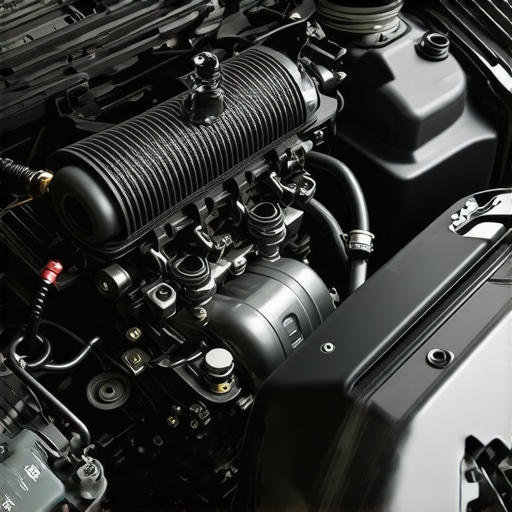
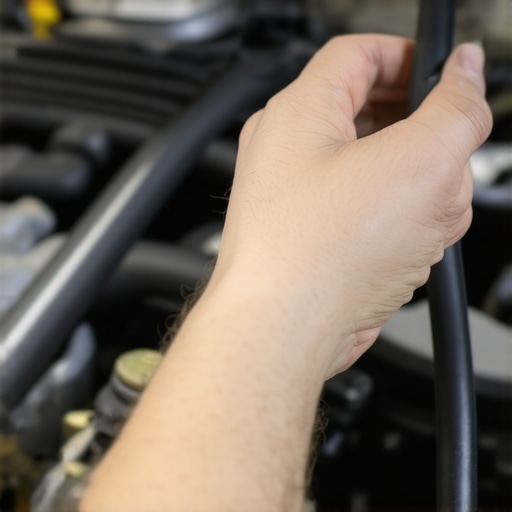
Disconnect the negative terminal to prevent electrical shorts. Remove engine covers, air intake tubes, and other accessible components that hinder access to intake valves and combustion chambers. Think of this as clearing your workspace; the less clutter, the easier the task. During my first attempt, I hurried and left components loosely attached, which caused damage. Patience here pays off.
Apply the Carbon Cleaning Solution
Use a Professional-Grade Cleaner
Select a reputable carbon cleaning spray designed for GDI engines. Spray it directly onto the intake valves and combustion chambers according to the product instructions. The spray loosens stubborn deposits rapidly. I once used a generic cleaner, which was ineffective and needed a repeat process, wasting time. Investing in quality saves steps later.
Utilize an Air Intake Flushing Kit
Connect an air-powered cleaning kit to the intake and introduce compressed air to dislodge loose carbon deposits. This step is like blowing away dust from a keyboard. During a recent service, I borrowed an air compressor from a neighbor, but it lacked enough pressure, so I struggled. Proper equipment ensures a thorough clean.
Scrub and Remove Residual Deposits
Use soft brushes or plastic scrapers to gently dislodge remaining carbon build-up. Avoid metal tools that can scratch engine components. Think of it as cleaning a delicate surface; gentle touch yields better results. I once used a metal tool, which caused minor scoring, requiring further repairs. Always prioritize safety and caution.
Reassemble and Test the Engine
Reattach all components, reconnect the battery, and double-check all connections. After lowering the vehicle, start the engine and let it idle for several minutes. You may notice smoother operation and improved throttle response. I remember the first time I did this, and the engine ran quieter afterward, reinforcing the value of proper cleaning. Consider monitoring fuel efficiency over the next few tanks to measure improvements.
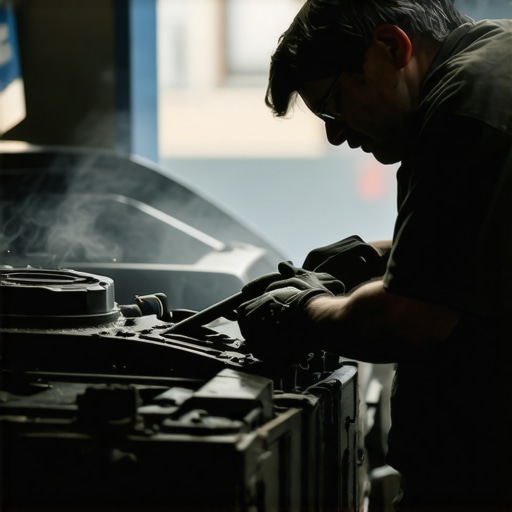 When it comes to maintaining your vehicle, many car owners operate under misconceptions that could cost them dearly. Common advice like “just change the oil every 3,000 miles” or “trust your mechanic” often fails to account for the finer details that truly impact your vehicle’s longevity. For instance, the quality of oil, the type of service intervals, and the importance of certified technicians play a crucial role in preventing costly repairs down the line.
One prevalent myth is that all oil changes are created equal. In reality, synthetic oils can offer superior protection, especially under high-stress conditions, but only if used correctly and replaced at appropriate intervals. Moreover, many assume that standard auto shops always meet the same standards; however, ASE certification is a vital indicator of a technician’s expertise. Relying on uncertified mechanics can lead to overlooked issues, like failing to identify early transmission problems, which could have been mitigated with proper diagnostics.
Have you ever wondered whether your car’s transmission truly requires a fluid change every 30,000 miles? Some experts argue that lifetime transmission fluid claims are misleading, and regular checks remain essential. According to a recent study by industry professionals, using the correct type of transmission fluid and ensuring proper service can extend transmission life beyond expectations. For detailed insights on this topic, visit [the truth about lifetime transmission fluid claims](https://autofixclinic.com/the-truth-about-lifetime-transmission-fluid-claims-2).
Another subtle point often overlooked is the significance of routine inspections versus reactive repairs. Many drivers wait until warning lights flash or performance declines before seeking help. This reactive approach can hide underlying issues such as hidden engine sludge or compromised brake systems. Implementing proactive maintenance, like following a comprehensive service plan, can identify potential failures early. For example, understanding how to spot a shop that pads your brakes excessively can save you from unnecessary replacements and expenses. Check out [how to spot a shop that is pad slapping your brakes](https://autofixclinic.com/how-to-spot-a-shop-that-is-pad-slapping-your-brakes) for practical tips.
So, what makes certain nuances so critical? The devil is in the details. Being aware that not all oil changes or services are equal, and that ASE certification isn’t just a badge but a mark of real expertise, can dramatically influence your car’s reliability. Neglecting these nuances might seem insignificant at first, but over time, they accumulate into substantial costs and safety risks.
Remember, your vehicle is an intricate machine that deserves more than just routine checks. It requires precision, knowledge, and a trustworthy professional. So next time you schedule your maintenance, ask whether your mechanic is ASE certified and whether they recommend the appropriate type of service for your driving habits. Your engine, transmission, and wallet will thank you.
Have you ever fallen into this trap? Let me know in the comments.
Choosing Your Maintenance Arsenal: Tools I Swear By
Maintaining a vehicle over the long term requires not just knowledge but also the right equipment. I’ve streamlined my process with specific tools that provide accuracy and durability. For instance, I rely heavily on a high-quality digital multimeter, like the Fluke 117, to diagnose electrical issues precisely. This device offers true RMS readings and a backlit display, which is invaluable when working in dim engine bays. For fluid checks, I use a Nussbaum fluid tester, allowing me to assess oil viscosity and condition without opening the drain plug—saving time and preventing unnecessary oil changes. Furthermore, I invest in a reliable torque wrench, specifically a Tekton 1/2-inch drive model, to ensure bolts are tightened to manufacturer specifications, reducing risks of over-tightening or leaks. These tools form the backbone of my routine maintenance, guaranteeing safety and longevity.
Implementing Efficient Software and Diagnostics
Beyond physical tools, software plays a pivotal role in modern car maintenance. I recommend using a professional-grade OBD-II scanner like the BlueDriver Bluetooth Pro. It connects seamlessly to your smartphone, providing real-time data, advanced diagnostics, and specific codes that go beyond generic check engine lights. This integration allows me to identify issues early, especially with transmission and sensor-related problems, before they escalate. Investing in a diagnostic tool with extensive vehicle coverage and regular updates, aligned with manufacturer specifications, ensures your readings are accurate. This approach not only saves money but also grants peace of mind, knowing you’ve got a clear understanding of your car’s health.
Long-Term Care Strategies for Your Vehicle
Keeping your car reliable over years involves proactive maintenance. Regularly inspecting and replacing parts before failure occurs is key. I schedule transmission fluid changes based on manufacturer recommendations, often deviating from the generic 30,000-mile rule. As detailed in industry research, using the correct transmission fluid and maintaining proper levels can significantly extend transmission lifespan (see more about transmission fluid care). Additionally, I perform routine engine flushes with recommended cleaning agents, which helps prevent carbon buildup and sludge, leading to more efficient operation. Remember, investing in quality tools and vigilant monitoring can make all the difference in avoiding costly repairs long-term.
How Do I Maintain My Car’s Transmission for the Long Haul?
Consistently checking your transmission fluid level and quality is vital. Use a high-quality fluid and follow manufacturer specs. If your vehicle lacks a dipstick, consider a professional scan or visual inspection during service. Regular checks help prevent metal flakes or burnt smell, which are signs of impending failure. For added assurance, consider using an advanced diagnostic scanner that can read live data streams. This proactive approach ensures smooth shifting and may save you from expensive rebuilds—often, issues can be caught early with the right tools and practices.
Embrace these tools and techniques, and you’ll greatly enhance your vehicle’s reliability and lifespan. Remember, quality maintenance is about precision and foresight. Try integrating a professional-grade diagnostic scan into your routine — it’s a game-changer for early problem detection and long-term savings.

Illustration of a professional mechanic using a digital multimeter and OBD-II scanner to diagnose a vehicle, emphasizing accuracy and modern techniques in car maintenance.
What I Wish I’d Known About Engine Maintenance Early On
- Never underestimate the power of proactive carbon cleaning—waiting until performance declines can lead to costly repairs. My lightbulb moment came when engine hesitation became unavoidable, and I realized regular, professional cleaning could have prevented it.
- Choosing ASE certified professionals isn’t just about reputation; it’s about ensuring that every service, from oil changes to complex diagnostics, is handled with expertise. My experience taught me that trusting uncertified shops often results in overlooked issues that silently drain your wallet.
- Deep-dive diagnostics with quality scanners can reveal issues long before warning lights activate. Early detection kept my transmission and engine components healthier and saved me from emergency breakdowns.
- My biggest takeaway? Maintaining your GDI engine isn’t just routine—it’s strategic. Combining regular carbon cleaning, certified diagnostics, and mindful service intervals transforms your vehicle’s longevity more than any generic advice.
Tools and Resources That Changed My Approach to Car Care
- BlueDriver Bluetooth Pro OBD-II Scanner: This device gives me instant, detailed diagnostics via my smartphone. Knowing exactly what’s happening under the hood is a game changer, especially for complex GDI engines.
- Nussbaum Fluid Tester: I rely on this simple tool to assess oil health without guesswork, helping me time fluid replacements accurately and prevent sludge buildup in critical components.
- Tekton Torque Wrench: Precise tightening makes all the difference in avoiding leaks or over-tightening, which could damage engine parts. Investing in quality tools keeps my maintenance consistent and safe.
- Industry-recommended carbon cleaning kits: Using professional-grade products ensures stubborn deposits are cleared effectively, prolonging engine life without costly interventions.
Keep Your Engine Running Smoothly—Your Future Self Will Thank You
Taking control of your GDI engine’s health is empowering. It’s not about expensive repairs; it’s about making informed decisions and investing in preventative care. Start today by assessing your maintenance habits, choosing certified professionals, and equipping yourself with the right tools. Your engine’s performance, reliability, and lifespan depend on it. Dive into the details and make engine care a priority—your car deserves it, and so do you.
What’s the first step you’re planning to take in your vehicle maintenance routine? Let me know below!
,