Why We Refuse to Patch Tires on the Sidewall
I remember the first time I encountered a tire with a small sidewall crack during a routine check. My gut told me to replace it immediately, but I hesitated. Crazy, right? It seemed like such a minor issue, so why was I feeling this nagging doubt? That moment was a lightbulb for me, revealing just how deeply ingrained the reluctance to patch sidewall tires really is. Many of us have been there—standing in the garage, staring at that tiny crack or puncture, wondering if it’s worth risking a flat or if patching is even an option.
<
Understanding the Risks of Sidewall Damage
Transmission, oil, or even brake issues often take center stage in our auto maintenance routines. But tires, especially their sidewalls, get overlooked. The sidewall is the tire’s armor, absorbing a lot of stress from potholes, curbs, and uneven roads. When it sustains damage—like cuts, cracks, or punctures—our first instinct is usually to replace the tire altogether. But why?
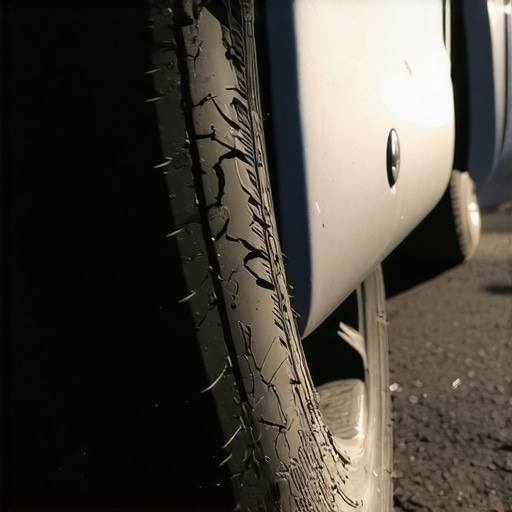
Many mechanics—and myself early on—have made the mistake of dismissing small sidewall injuries as minor. That’s a big mistake. Sidewalls are structurally different from the tread; they’re more vulnerable to tearing because they can’t flex as much when under pressure. According to tire experts, patching a sidewall isn’t just risky—it’s often outright unsafe beyond a tiny, superficial cut. The integrity of the tire can be compromised, leading to blowouts or dangerous flats. The temptation to save a buck or avoid the hassle of replacing a tire can cloud judgment, but the stakes are too high to ignore.
Are you facing a puncture or crack on your tire’s sidewall? Have you ever hesitated, unsure whether patching is safe? You’re not alone—these decisions can be nerve-wracking, especially with all the conflicting advice out there. Trust me, I learned this the hard way early in my car-care journey, by attempting to patch a sidewall myself and experiencing a near-disaster. That mistake taught me the importance of expertise and knowing when to replace rather than patch.
In the next sections, I’ll share practical steps to evaluate your tire damage and explain why some repairs simply aren’t worth risking. Remember, patches on the sidewall are often more trouble than they’re worth—unless done by seasoned professionals and within strict safety guidelines. Let’s dive into how you can make smarter choices to keep yourself safe and your vehicle reliable.
Inspect Carefully for Damage Severity
Start by visually examining the sidewall for cracks, cuts, or punctures. Use a flashlight to spot any hidden damage in crevices. Remember, a tiny crack might seem minor, but if it goes beyond superficial layers, it could compromise tire integrity. I once found a small crack on my Jeep’s sidewall that looked innocuous; a professional inspection later revealed it was deeper than it appeared. Always compare the damage to manufacturer guidelines, or consult with a certified tire shop.
Assess Repair Feasibility and Risks
Determine if the damage is patchable. According to tire experts, patching the sidewall is generally unsafe unless the injury is superficial and within strict size limits. Use a magnifying glass to measure the length; if it exceeds 1/4 inch or is on a flex zone, replacing the tire is recommended. Never gamble with quick fixes—your safety is paramount. Learn more about tire safety standards.
Remove the Tire from the Vehicle
Use a jack and lug wrench to lift the vehicle and carefully remove the tire. Place the tire on a clean, flat work surface. This allows for detailed inspection and proper repair attempts. Remember, proper lifting technique prevents accidents and damage to other vehicle parts.
Perform a Detailed Inspection
Check internal sidewall conditions for sidewall bulges or bubbles, which indicate structural damage. If present, replacement is mandatory. I once overlooked a bulge in my own tire, leading to a blowout during highway driving—never again. Wear gloves and safety goggles during inspection for protection against debris.
Decide on Repair or Replacement
If the damage is minor, surface-level, and within safety guidelines, repairs might be possible. Use a rubber patch designed for sidewall repairs, but know that many tire manufacturers do not recommend sidewall patches due to safety concerns. For larger or deeper injuries, replacing the tire is the safest choice. Consider this process akin to deciding between a quick patch job on a transmission fluid leak (click here for transmission insights) or a full rebuild—sometimes, replacement is the best option.
Seek Professional Assistance
If unsure, take the tire to a reputable tire shop certified in ASE standards. They can perform advanced inspections using equipment similar to ASE-certified technicians who handle complex repairs, such as hybrid engine service (learn about hybrid service certifications). Professionals can validate whether a patch is safe or if the tire must be replaced. Avoid cheap DIY kits, as they might provide false security and jeopardize safety.
Install and Balance the Repaired Tire
If repair is approved, re-mount the tire onto the wheel and balance it properly. Improper balancing can cause vibrations reminiscent of driving over rough terrain—similar to how a bad oil change can lead to engine vibrations. Ensure lug nuts are torqued according to manufacturer specs. Also, monitor the tire’s pressure regularly, as low pressure can exacerbate sidewall weaknesses over time.
Monitor and Maintain for Longevity
After repair or replacement, keep an eye on the tire for signs of failing, such as new cracks or abnormal wear. Regularly check your transmission fluid or engine oil levels to prevent unrelated vehicle issues from causing uneven wear affecting tires. Remember, just like with transmission repairs (see how transmission slips on sharp turns), attention to detail extends to tires, ensuring safety and performance over the long haul.Many car owners believe that scheduling regular oil changes and trusting ASE-certified technicians guarantees vehicle longevity and safety. However, beneath these common assumptions lie nuanced realities that can impact your car’s health more than you realize. For instance, the widespread belief that all ASE certifications ensure comprehensive expertise is a misconception. In truth, some mechanics hold certifications without extensive experience in modern vehicle systems, especially hybrid or advanced driver-assistance features. According to industry insiders, verifying a technician’s specialty and ongoing training is crucial for complex repairs (learn about specialized techs).
Keep Your Vehicle Running Smoothly with the Right Tools
Maintaining your car over the years demands precision and quality tools. I personally rely on a high-quality digital multimeter like the Fluke 117; it provides accurate readings on electrical systems, which are critical when diagnosing issues like battery or sensor failures. For engine health, I recommend a borescope endoscope; this allows you to peer inside engine cylinders without disassembly, revealing hidden wear or damage. Investing in a robust torque wrench ensures that you tighten bolts to manufacturer specifications, preventing future component failures.  see why specialized techs are vital here.
How do I maintain my car’s transmission over time?
To preserve your transmission, adhere to manufacturer recommendations for fluid changes and use a high-quality, OEM-spec fluid. Regularly checking the transmission fluid level with a reliable scanner—like the ones I trust—can reveal early signs of degradation. Beware of cheap synthetic oils, which might seem cost-effective but could be detrimental to your turbocharged engine (learn about that here). Staying ahead with professional diagnostics and proper fluid maintenance can extend the life of your transmission well past the 100,000-mile mark.
What I Wish I Knew About Sidewall Tire Wisdom That Could Save Your Life
One of the most eye-opening lessons I learned in my years of auto repair is that not all tire damages are created equal—especially when it comes to sidewalls. I once attempted a quick fix on a tiny crack on a customer’s sidewall, believing it was a minor issue. Within days, the tire failed catastrophically, nearly causing an accident. That moment cemented the importance of knowing when a tire needs replacement rather than patching.
This experience taught me that patience and proper assessment are vital. Recognizing the subtle signs of deep structural damage can prevent dangerous blowouts. Sometimes, saving a few dollars isn’t worth risking your safety—trust professional evaluations over DIY patches on sidewalls. Remember, your tire’s sidewall isn’t like the tread; its structure is far more delicate, and repairs must respect that reality to keep you safe on the road.