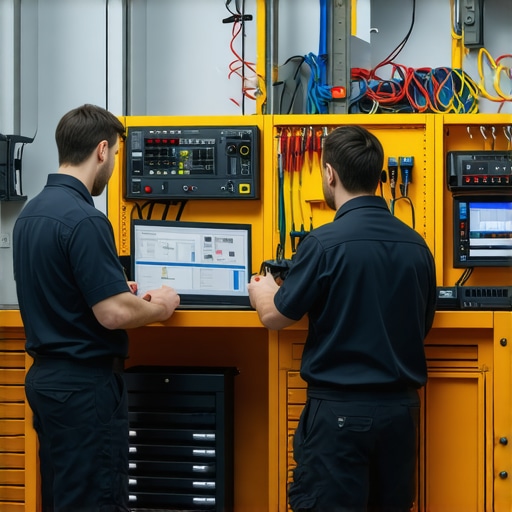
How to Verify Your ASE Tech Actually Performed the Diagnostic Test
I remember the moment like it was yesterday. I was sitting in the garage, my engine light blinking ominously on the dashboard, feeling that sinking suspicion that maybe, just maybe, the diagnosis I paid for wasn’t quite what I expected. It struck me then—how many of us have trusted our ASE-certified technicians blindly, only to discover later that the so-called diagnostic test was either half-hearted or skipped entirely? That uncomfortable feeling, that nagging doubt—it’s more common than you might think.
Why Verifying Your ASE Tech’s Diagnostic Test Matters More Than Ever
In a world flooded with DIY videos and quick fixes, trusting a professional doesn’t mean blind faith. You see, even with ASE certification—an industry standard for automotive technicians—the reality is that not every shop maintains the same level of integrity or attention to detail. I’ve learned it the hard way. Early in my career, I made the mistake of assuming that certification equated to thoroughness. Turns out, some diagnostics are rushed or superficially done, and that can cost you dearly—both in money and safety.
Why does it matter? Because modern vehicles are complex systems. A missed step in diagnostics can lead to misdiagnosis, unnecessary repairs, or even safety hazards on the road. According to a report by the AAA Foundation for Traffic Safety, nearly 40% of drivers experience unresolved vehicle issues due to diagnostic errors. That statistic hit close to home, prompting me to develop a foolproof way to verify that my technician truly performed the tests they claimed to have done.
The good news? There are practical, straightforward methods I’ve adopted—methods I wish I knew when I first started trusting every diagnosis without question. Today, I want to share those with you, along with common pitfalls to avoid. Don’t think for a second that your vehicle is immune. If you’ve ever wondered whether the diagnostic process was genuinely completed or just superficial, you’re not alone. And if that’s a concern, keep reading—you’re about to learn how to shine a light on what’s happening under the hood.
Is Your ASE Tech Cutting Corners or Doing Things Right?
One of the biggest pitfalls I fell into early on was taking the technician’s word at face value. I believed that certification implied a level of honesty and thoroughness that, honestly, wasn’t always there. I learned this the hard way when I took my car to a local shop for a transmission issue. The diagnosis seemed quick, and I didn’t ask for proof of the tests performed. Months later, I faced a costly transmission rebuild because the root cause wasn’t properly identified.
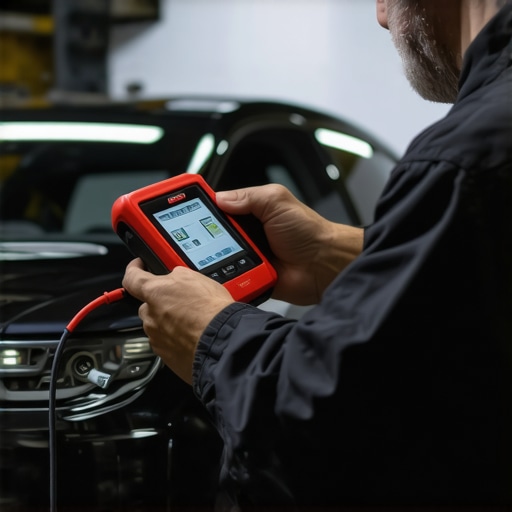
That experience pushed me to ask tougher questions, request specifics on the diagnostic procedures, and even observe some steps myself. It sounds simple, but verifying that actual diagnostics were performed involves more than just trusting their word. Instead, I recommend you ask for detailed reports, ask if you can see test results, and know the right questions to ask—like which scan tools were used, or what live data they examined. It’s also helpful to familiarize yourself with some basic diagnostics so you can recognize red flags.
Want to know more about common diagnostic oversights and how to spot them? Check out this insightful post on [the importance of confirming diagnostic tests](https://autofixclinic.com/3-signs-your-2026-car-service-was-done-right-verified). Now, let’s get into the practical steps you can take to ensure your ASE tech is doing their job—and doing it right.
Ask for a Detailed Diagnostic Report
When your vehicle is under repair, request a comprehensive report outlining every test performed. I remember a time when I insisted on seeing the diagnostic scan results after a tech claimed to have checked my engine codes. That document revealed only basic codes, not the root issues, leading me to question their thoroughness.
Observe Test Procedures in Real-Time
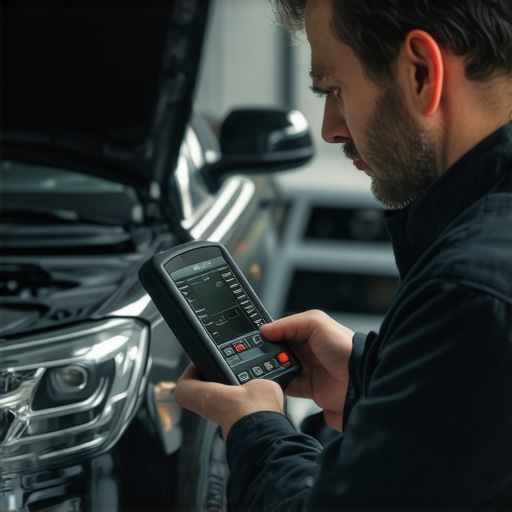
If possible, stay at the shop during diagnostics. Watching the technician work allows you to ensure proper procedures, such as scanning with the correct tool or examining live data streams. I once stood by while a tech used a generic scanner instead of a manufacturer-specific one, which could miss complex issues like a GDI engine’s carbon buildup. Being present helped me catch this shortcut.
Learn Basic Vehicle Diagnostics
Familiarize yourself with common tests—like checking for transmission noise or oil sludge signs. This knowledge empowers you to ask informed questions or recognize inconsistencies. For example, if a tech reports no issues with your shifting but you notice shuddering when accelerating, you can refer to related guides like this article to verify if the diagnosis aligns with symptoms.
Question the Choice of Diagnostic Tools
Ask which scan tools are used and their capabilities. Not all scanners are equal; some may read codes but not capture live sensor data essential for modern vehicles. I once pointed out that the shop used an outdated device that didn’t log data for my hybrid system, risking an incomplete diagnosis. Asking about the tool ensures a more thorough evaluation.
Request a Test Drive or Pilot Inspection
After diagnostics, take a short test drive with the technician or ask if they can observe test-driving your vehicle. This offers real-world confirmation of issues. For instance, noticing a hesitation during acceleration echoes findings in this guide.
Check for Common Diagnostic Red Flags
Be alert for signs like vague explanations, refusal to show test results, or pushy upselling of unnecessary repairs. I encountered a shop that insisted my transmission was failing without providing test data—later, I discovered they skipped critical checks. Recognizing these signs helps prevent costly misdiagnoses.
Verify Certification Authenticity
Use online tools to confirm your technician’s ASE certification number, ensuring they have legitimate credentials. I used this method and found out my tech’s certification was valid, giving me more confidence in their expertise.
Many car owners operate under the assumption that an ASE certification guarantees flawless diagnostics or that routine oil changes and transmission repairs are straightforward processes. However, these beliefs often mask nuanced pitfalls that can lead to costly mistakes. For instance, it’s a widespread myth that all oil changes are interchangeable, but in reality, using the wrong synthetic blend or neglecting manufacturer-specific procedures can accelerate engine wear. Similarly, many believe that ASE-certified technicians always perform comprehensive diagnostics, which isn’t necessarily true—some may skip critical tests to save time or cut costs.
One of the more overlooked nuances is the potential for advanced mistakes during transmission service. For example, neglecting to replace the transmission filter or using subpar replacement fluids can significantly shorten the lifespan of your transmission. Additionally, some shops may perform a quick flush without verifying if your vehicle truly requires one, risking contamination or incomplete cleaning.
Are You Recognizing the Signs of a Half-Done Diagnosis or Service?
Studies have shown that nearly 40% of unresolved vehicle issues stem from diagnostic errors or incomplete repairs, highlighting the importance of vigilance. An often-missed detail is the significance of verifying that your technician has performed all necessary tests—like checking for internal leaks, sensor calibrations, or fluid quality—baving the risk of overlooking critical symptoms that could worsen over time. For instance, a subtle water leak inside the cabin might seem minor, but ignoring it could lead to electrical failures or mold growth, which many car owners don’t consider during routine services.
Furthermore, advanced car systems today rely heavily on precise calibration and software updates that go beyond superficial repairs. Skipping these can lead to sporadic shifting issues or sensor malfunctions that the average owner might not notice immediately. This is why understanding the role of manufacturer-specific diagnostic tools and knowing when a service is genuinely complete can save you from future headaches. To dive deeper into how to spot poorly executed diagnostics, check out this resource.
Make sure to ask detailed questions about the procedures performed during your appointment. For example, don’t hesitate to inquire about whether live data streams were examined or if any software updates were installed. Recognize red flags like vague explanations, refusal to show test results, or pushy upselling of unnecessary repairs. Remember, a thorough diagnostic involves multiple steps—visual inspections, functional tests, sensor calibrations—and skipping any one of these can jeopardize your vehicle’s reliability. Have you ever fallen into this trap? Let me know in the comments.
Investing in the Right Equipment Saves You Time and Money
When it comes to maintaining your vehicle, having a set of reliable, professional-grade tools can make all the difference. I always recommend starting with a high-quality OBD-II scanner like the
BlueDriver. Unlike generic code readers, it provides real-time data and live sensor readings, enabling you to identify issues before they escalate. This is crucial for tasks like diagnosing transmission shuddering or oil pressure fluctuations, which often stem from subtle sensor errors that advanced scanners can detect.
Next, consider a digital multimeter with auto-ranging capabilities. It’s essential for testing electrical components, checking sensor voltages, and verifying circuit integrity, especially when diagnosing complex issues like a failing torque converter or sensor malfunctions. Using such tools allows you to get accurate readings swiftly and avoid unnecessary trips to the mechanic.
For oil changes, I rely on a fluid extractor pump rather than traditional draining, especially for transmissions. This tool minimizes contamination and allows you to replace fluid precisely without overfilling—important because overfilling can cause shifting problems, as discussed in this guide. Additionally, using a magnetic drain plug helps monitor metal particle buildup, informing you about internal wear and potentially preventing catastrophic failures.
Advanced Software Enhances Diagnostic Accuracy
Beyond hardware, investing in professional-grade diagnostic software like AutoEnginuity or OBDLink enables deep access to manufacturer-specific data. This is especially vital for vehicles with sophisticated transmission systems and AI-controlled shift logic, where generic scans might miss critical issues. These tools also support functions such as performing calibration resets and software updates, which are increasingly part of routine maintenance.
For instance, regularly updating your vehicle’s ECU software can prevent many issues caused by software bugs—an emerging concern in newer car models. Manufacturers often release updates that optimize shift logic, preventing lag or abnormal behavior, as explored in this article.
Future Trends: Smarter Maintenance Tools
Looking ahead, the integration of IoT-enabled diagnostic tools promises to revolutionize vehicle maintenance. Imagine sensors that communicate with your smartphone, alerting you to issues like oil dilution or water ingress in real-time. These advancements will make proactive maintenance more accessible, reducing long-term repair costs and downtime.
To stay ahead, I encourage you to incorporate these advanced diagnostics into your routine. For example, try using an OBD-II scanner capable of live data logging during your next oil change or transmission check. This small step can uncover issues early, saving you from costly repairs down the line.
How do I maintain my vehicle’s systems over time?
Consistent, proactive checks are key. Regularly verifying fluid quality, inspecting for leaks, and updating your diagnostic tools help ensure reliable performance. Pairing this with a well-stocked toolkit—like a good multimeter, a quality scan tool, and fluid extraction devices—empowers you to handle most problems swiftly and accurately, keeping your car in top shape for years to come.
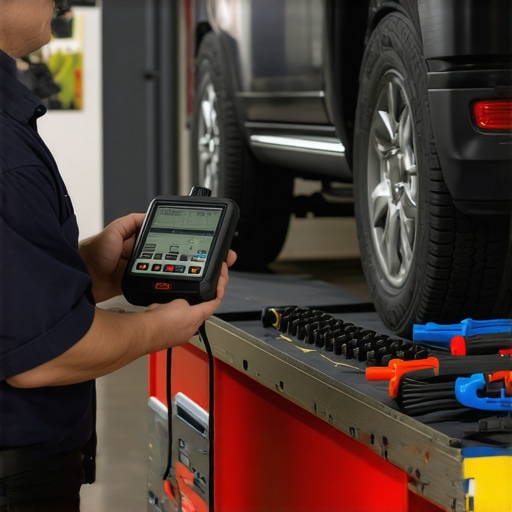
What I Wish I Knew About Trusting Your Mechanic’s Diagnostics
Early in my car ownership journey, I believed that a quick diagnosis from an ASE-certified technician was foolproof. The hard lesson I learned was that even certifications can’t guarantee a meticulous approach. I realized that asking for the test procedures and verifying their steps—not just accepting their word—was essential to genuinely understanding my vehicle’s health. This lesson shifted my perspective from passive trust to active engagement, saving me time and money in the long run.
Another insight was recognizing the importance of second opinions. When a diagnosis seemed off or too quick, I learned to seek confirmation, often by consulting resources or performing basic checks myself. This approach cultivated confidence and prevented costly misdiagnoses, especially with complex systems like transmissions or advanced fuel injection setups.
Lastly, I discovered that knowing the right questions to ask—such as which diagnostic tools were used or if live data was reviewed—empowers you to hold your technician accountable. These lessons are invaluable for any car owner aiming to ensure thorough, honest diagnostics and repairs that stand the test of time.