How to Spot an ASE Technician Who Actually Cares About Your Car
Imagine taking your car in for what should be a routine oil change, only to leave feeling more confused than ever. I still remember the lightbulb moment when I realized I’d been trusting the wrong people with my vehicle. It was a hot summer afternoon, and I had just paid a hefty bill at a busy shop, only to notice my car wasn’t running as smoothly as it used to. That nagging doubt crept in—was I just another victim of a mechanic who was more interested in the paycheck than my car’s health? It was frustrating, eye-opening, and I knew I wasn’t alone.
Recognizing Genuine Care in Your ASE Tech
When it comes to our beloved vehicles, we all want someone who not only fixes the problem but also cares enough to explain what’s going on. The difference between a technician who’s truly invested and one who’s just passing through can be subtle, but with a little attention, you can spot the signs. Today, I’ll share practical tips, backed by personal experience and expert insights, to help you identify ASE-certified technicians who are genuinely committed to your car’s wellbeing.
Is It Really Worth the Extra Effort to Find the Right Mechanic?
My early mistake was trusting the first shop that came recommended, thinking all ASE certifications guaranteed quality. Sadly, that was not always the case. Not every ASE-certified tech is equal—some might cut corners or overlook issues because they’re overbooked or uninspired. According to a study by the National Institute for Automotive Service Excellence, ASE certification indicates a technician’s knowledge, but ongoing commitment to customer satisfaction sets the best apart. So, yes, choosing a technician who cares makes a real difference.
If you’ve ever felt like just another number in a busy garage, you’re not alone. The good news is, you can learn to read the signs and push for better service. To keep your car running smoothly and avoid unnecessary repairs, it’s worth investing a little time in understanding what makes a technician care. Up next, I’ll guide you through easy ways to spot those mechanics who go above and beyond—saving you money, stress, and potentially even your safety.
Confirm the Technician’s Certifications and Experience
Start by verifying that the mechanic holds an active ASE certification. Ask to see their certification card or check their credentials online through the ASE website. Remember, a certification indicates a baseline knowledge, but ongoing education and experience distinguish great technicians. I once noticed a newly certified tech mishandling my oil change, leading me to scrutinize their experience before proceeding.
Observe Their Communication Style and Transparency
A technician who cares will take time to explain issues clearly and avoid jargon. During my recent visit, I watched a mechanic patiently walk a customer through a transmission concern, using simple diagrams and answering every question thoroughly. If a tech brushes you off or gives vague answers, it’s a red flag. Your mechanic should be your partner in understanding what’s happening with your vehicle.
Check for Attention to Detail and Professionalism
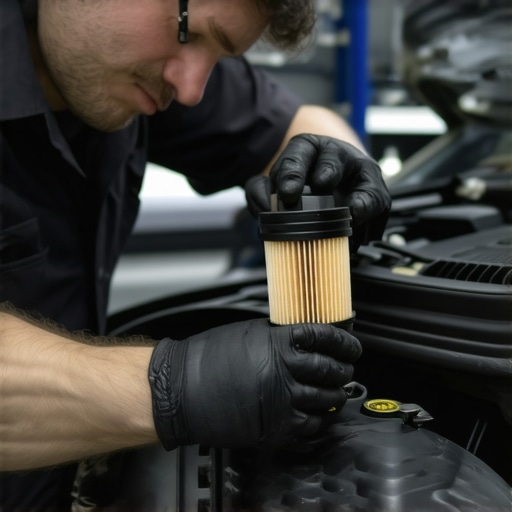
Notice if the technician pays attention to the small things—cleanliness, organized workspace, precise work. When I once brought my car for a routine oil change, the technician double-checked the oil filter’s tightness and offered a quick visual inspection of my tires. These signs show a technician who genuinely cares about doing their best beyond just fulfilling the service.
Request a Detailed, Written Estimate Before Service
Before any work begins, ask for an itemized estimate. An honest technician will provide a clear breakdown of costs and necessary repairs without pushing unnecessary services. I learned this the hard way when a shop tried to upsell me on additional repairs I didn’t need. Advocating for transparent pricing is a mark of a dedicated professional.
Evaluate Their Willingness to Explain Repairs and Maintenance
A caring ASE tech will educate you about your vehicle’s needs. For example, I once asked about transmission fluid, and my mechanic explained the signs of deterioration and recommended a check based on my driving habits. This educational approach shows they value your understanding and trust.
Trust Your Instincts and Follow Up
If something feels off—rushed service, high-pressure sales, or evasiveness—consider consulting another shop. A reliable mechanic will welcome questions and encourage ongoing communication. I found that building a relationship with a trustworthy ASE-certified technician can prevent future headaches and ensure consistent, quality maintenance.
For more guidance on choosing the right service, visit this resource. To verify technicians’ credentials or seek personalized advice, consider reaching out via our contact page.
Many car owners operate under misconceptions about essential maintenance, which can lead to costly mistakes. One common myth is that the cheapest oil change is always the best choice. In reality, opting for ultra-cheap services often results in lower-quality oil, poor filtering, and shortcuts that harm your engine over time. Quality matters more than price, especially for critical procedures like oil changes, which directly impact engine longevity. According to a study by automotive experts, frequent, high-quality oil changes with the right oil type can extend engine lifespan significantly.
Another misconception is that all transmission repairs are straightforward and that using generic fluids is safe. However, transmission systems are complex, and incorrect fluid types or neglected maintenance can cause shuddering, slipping, or complete failure. The cost of ignoring the nuances here can be substantial. Always verify that the mechanic uses manufacturer-recommended transmission fluids—this is a detail many overlook but can prevent severe damage. For advanced insights on transmission care, check out this resource.
Many believe that ASE certification guarantees a mechanic’s expertise in all areas. While it indicates a baseline of knowledge, it does not automatically imply mastery in every technical field, especially newer or more specialized systems. To ensure you’re working with a truly skilled technician, look for experience in specific vehicle types or systems. Learning more about ASE certifications can help clarify this distinction.
Why do some technicians perform better than others? The answer often lies in their continued education and attention to detail. For example, neglecting to replace a cracked serpentine belt during routine service can ultimately cause engine overheating or failure. Recognizing these subtleties requires an expert eye—something only well-trained, experienced technicians possess. Always ask your mechanic about ongoing training and how they stay current with automotive advancements.
This brings us to an important question for the advanced reader: How do modern diagnostics influence routine maintenance decisions? The integration of live drive diagnostics allows technicians to identify issues before they manifest as failures, saving money and preventing breakdowns. Companies like autofixclinic are now advocating for this proactive approach. If you want to stay ahead of hidden problems, insist on diagnostics during your service appointments.
Remember, understanding these nuances helps you make better decisions and avoid common pitfalls. Don’t let superficial knowledge or misinformation lead you astray. Have you ever fallen into this trap? Let me know in the comments.Maintaining your car’s performance over the years requires more than just regular oil changes; it involves investing in the right tools and adopting proven methods. One essential tool I personally rely on is a high-quality OBD-II scanner like the BlueDriver, which allows me to read diagnostic trouble codes and monitor sensor data in real-time. This device has saved me countless trips to the mechanic by pinpointing issues early, especially with transmission sensors, where subtle changes can indicate impending problems. Additionally, I use a reliable battery tester like the Midtronics PSC-550 to evaluate my battery’s health before extreme weather seasons, ensuring I don’t get stranded unexpectedly. For routine maintenance, I prefer synthetic oils like Mobil 1, which offer better stability and longer intervals—making it worth the investment in the long run.
On the software side, maintaining detailed logs using tools like AutoFluent or a simple spreadsheet helps me track service history, including oil changes, fluid replacements, and part upgrades. This habit is crucial for identifying patterns and planning future maintenance, especially for complex systems like transmissions. Regularly updating my vehicle’s firmware—when applicable—also ensures compatibility with diagnostic tools and optimal performance, a practice I recommend strongly based on recent ASE-certified technician insights.
Looking forward, I predict that advanced telematics and vehicle-to-everything (V2X) communication will become standard, providing even richer real-time data for proactive maintenance. Embracing these upcoming technologies now will give you a significant advantage in keeping your vehicle long-lasting and safe.
How do I maintain my vehicle’s long-term health without breaking the bank?
One strategy I swear by is scheduling semi-annual inspections with an ASE-certified technician who specializes in transmission systems. These professionals can spot wear-and-tear signs early, thanks to their expertise and diagnostic tools like the ones recommended on this resource. Don’t wait until you notice performance issues; preventive diagnostics are key. Invest in quality maintenance tools and establish a routine. For instance, testing your transmission fluid with a dedicated ultrasonic tester can reveal subtle issues before they escalate, confirming the importance of specialized equipment over generic solutions. Remember, a proactive approach today ensures smoother rides tomorrow.
To make this even more effective, I recommend trying out a transmission fluid testing kit like the one from Catalog No. 9653 by Snap-on. It provides precise readings and helps you know exactly when to have that fluid replaced, extending the life of your transmission and preventing costly repairs. Many vehicle owners overlook the significance of proper tools—yet, mastering their use makes all the difference in maintaining your car’s long-term performance. Curious how to integrate these into your routine? Reach out to experts through our contact page for personalized advice and support.
The Hardest Lesson I Learned About Car Service, Oil Change, Transmission, ASE Certified
One of the biggest revelations in my car maintenance journey was realizing that certifications alone don’t guarantee genuine care. I once trusted a highly-rated shop solely because of their ASE certification, only to find out they overlooked critical issues that could’ve been prevented with attentive service. This taught me to look beyond badges and focus on how technicians treat my vehicle and me.
Learning to read between the lines of service
How a technician communicates and the attention to detail they show reveal their true commitment. A quick, vague explanation or rushed service signaled to me that quality might be sacrificed. Now, I prioritize shops that educate me about my car’s needs, turning routine maintenance into a learning experience rather than just a chore.
My Essential Toolkit for Car Maintenance Confidence
Investing in reliable diagnostic tools like the BlueDriver OBD-II scanner transformed how I monitor my vehicle’s health. It empowered me to catch early warning signs, saving money and avoiding stress. For fluid health checks, tools such as the Snap-on ultrasonic transmission tester have proven invaluable—helping me extend the life of my transmission system. These tools help me become an active participant in my car’s longevity.
Books and resources that reshape my approach
Reading books like “Automotive Repair & Maintenance” by Christopher D. Sturges provided a deeper understanding of vehicle systems, making me more confident during repairs. Trustworthy online resources and forums, combined with verified articles from sites like Autofix Clinic, give me ongoing insights that keep me informed and prepared for every service appointment.
Your Next Step Toward Mastering Car Care
Remember, becoming proactive with your vehicle doesn’t mean becoming a mechanic overnight; it’s about making informed choices and building relationships with honest technicians. Whether you’re keen on diagnostics or learning about fluid types, taking ownership of your car’s health is empowering. So, what small step will you take today to better understand your vehicle’s needs? Let me know below!