How to Spot an ASE Certified Tech Who Actually Knows Your Car
I remember driving into a repair shop, hopeful for a quick oil change, only to leave with a bill I couldn’t decipher and a lingering feeling that I’d been sold more than my car needed. That lightbulb moment made me realize how crucial it is to identify whether the technician truly knows their stuff—especially when your engine’s health is on the line.
Why Trusting the Right Technician Matters More Than Ever
Many car owners fall into the trap of assuming that an ASE certification guarantees expertise. While it does indicate certain standards, it’s not an infallible badge of mastery. Early on, I made the mistake of relying solely on the ASE label without digging deeper, only to find myself back in the shop a few weeks later with the same issues. This experience taught me that knowing how to spot an capable technician is essential—saving you time, money, and unnecessary stress.
Today, I want to guide you through practical ways to evaluate whether your mechanic truly understands your vehicle. We’ll go beyond the badge and explore the signs of genuine expertise. After all, an informed owner is an empowered owner. If you’ve ever wondered how to tell whether a mechanic’s skills match their credentials, you’re not alone. And according to the Car Care Council, improperly maintained vehicles can lead to costly repairs down the road, emphasizing the importance of working with knowledgeable professionals (learn more here).)
Will an ASE Badge Really Save You from Shady Service?
It’s a common skepticism I hear often—”Is an ASE certification actually worth the hype?” Honestly, I’ve been burned by shops that displayed the seal proudly but fell short on expertise. The key is in how the technician approaches your specific issue and their ability to explain what’s really going on. Remember, certifications are a good starting point, but they don’t replace experience and honesty. I’ve learned to ask targeted questions and do a little homework myself before trusting someone with my car. Curious how to verify a shop’s credentials without feeling like you’re grilling the staff? Check out this guide.
As we move forward, I’ll share actionable tips on how to spot a technician who genuinely knows their stuff—so you can make smarter choices when your car needs attention and avoid the costly pitfalls of poor service. If you’ve ever been left scratching your head after a visit to the shop, keep reading—help is on the way!
,
Ask Specialized Questions About Your Vehicle’s Transmission and Oil System
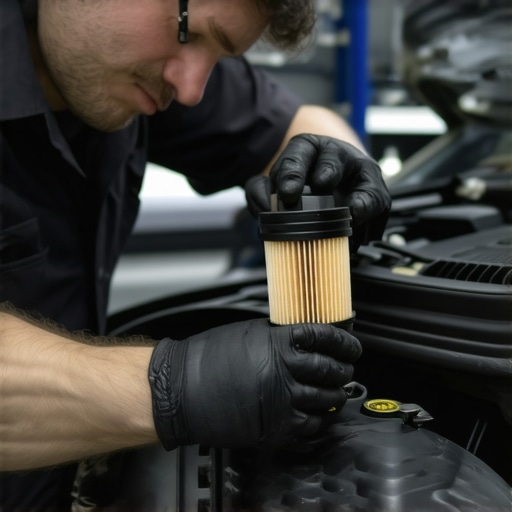
When you visit a mechanic, don’t just rely on surface credentials. Instead, prepare specific questions about your car’s transmission or recent oil change. For example, ask about the type of transmission fluid they use and why it’s suitable for your model. A knowledgeable technician will explain clearly, referencing proper maintenance schedules or fluid specifications, like synthetic versus conventional oil, which I learned the hard way during a clutch diagnostics session. This not only tests their expertise but also helps you gauge their familiarity with your vehicle’s particular needs.
Observe How They Handle Diagnostic Processes
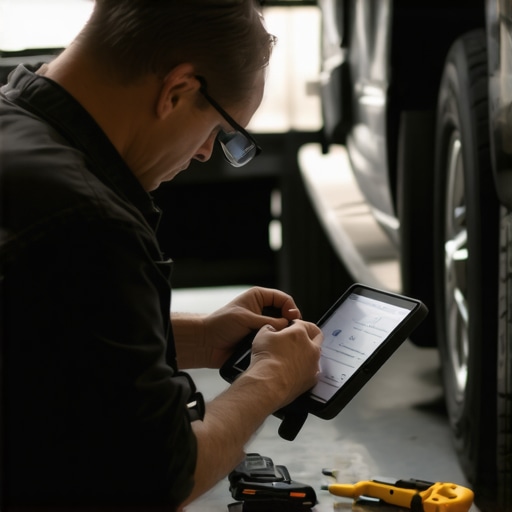
Compare their diagnostic methods with trusted resources, such as the step-by-step guides on verifying ASE credentials or interpreting engine trouble codes. If they quickly plug in a diagnostic scanner without asking questions about symptoms, that’s a red flag. Conversely, a skilled tech will ask about recent driving habits or any unusual sounds—like metallic knocking or shaking during gear shifts—and then explain their approach for verifying these issues. I remember once watching a mechanic perform a visual inspection of spark plugs before recommending replacements, which assured me they prioritized thorough diagnostics over guesswork.
Look for Clear, Jargon-Free Explanations
Genuine experts don’t just fix problems—they explain the why and how. During my last oil change, the technician broke down the benefits of using synthetic oil in turbocharged engines, referencing this article. When they take the time to demystify complex concepts—such as transmission fluid degradation or brush up on the symptoms of failing wheel bearings—you can trust they understand their craft and can communicate effectively. If a mechanic dismisses your questions or bogs you down with unnecessary technical jargon, it’s probably best to seek a second opinion.
Assess Their Recommendations and Transparency
Reliable technicians will be honest about what your car truly needs and avoid upselling unnecessary services. For example, if they recommend a transmission flush, ask how it differs from a simple pan drop, referencing this explanation. Good shops will provide a clear cost breakdown and timelines, avoiding vague promises or pressure. I learned this by observing how my favorite mechanic explained that skipping routine oil changes can cause long-term engine damage, aligning with this guidance. Trustworthy professionals focus on your vehicle’s health, not just the bill.
Trust Your Instincts and Test Their Responsiveness
Finally, gauge their willingness to listen and adapt. When I needed a quick fix for a stubborn bolt, the mechanic patiently guided me through proper tools and techniques, including using a penetrating oil spray and proper torque settings. This hands-on, attentive attitude is a sign of genuine expertise. If they seem dismissive or rush you out, consider consulting another shop. Remember, an ASE-certified technician can be a solid starting point, but real skill shines through practical advice, clear communication, and genuine customer care—traits I’ve come to value deeply over multiple repairs. For more tips on choosing qualified professionals, check this resource.
While many believe that simply trusting their ASE-certified mechanic guarantees reliable service, the truth is far more nuanced. A common misconception is that a badge alone indicates comprehensive expertise; in reality, some shops may display certifications without maintaining the highest standards. Recent studies highlight that ASE certification focuses on passing standardized tests, but practical skills and ongoing education are equally crucial for accurate diagnostics and repairs.
Is the ASE Certification Enough to Guarantee Expert Service?
Many seasoned technicians recognize that ASE badges are just a starting point. Continuous learning, hands-on experience, and staying updated with the latest vehicle technology make the real difference. Overreliance on the badge can lead drivers to overlook signs of subpar service or outdated practices—an
Investing in the Right Equipment for Long-Term Reliability
Maintaining your vehicle’s health over time begins with using the proper tools and software. I personally rely on a high-quality scan tool like the Autel MaxiCOM for comprehensive diagnostics. Unlike generic code readers, this device offers deep insights into complex electrical issues, enabling me to identify problems before they escalate. Coupled with a reliable battery tester, such as the Midtronics, I can preempt battery failures that might leave me stranded. These tools are essential for efficient troubleshooting and help extend your car’s lifespan.
How do I maintain my car’s transmission and oil system over time?
Regular maintenance is key. I schedule proactive transmission fluid changes using recommendations from industry experts, ensuring shifting remains smooth and preventing costly repairs. For oil changes, I prefer synthetic oils like Mobil 1 because they resist breakdown over longer intervals, especially in modern turbocharged engines. Using quality lubricants reduces wear and keeps engine components operating efficiently. To track these services, I utilize dedicated app-based maintenance logs, which assist me in staying ahead of service intervals and spotting potential issues early.
How future-proof is your maintenance approach?
As vehicle technology advances rapidly, integrating diagnostic software that stays updated with the latest vehicle models is becoming indispensable. I stay current by subscribing to updates from OEM-specific diagnostic platforms like AutoEnginuity, which provide tailored insights for newer makes and models. Combining this with a dedicated garage setup—including a portable lift and precision tools—allows me to perform comprehensive diagnostics and repairs at home, saving time and money in the long run.
Scaling maintenance for your fleet or multiple vehicles
For those managing several cars, automation plays a crucial role. I recommend implementing a fleet management system that integrates vehicle health reports, service reminders, and diagnostic data. Tools like fleet software solutions help streamline upkeep schedules. Routine inspections using infrared thermometers and fluid analysis kits can detect issues before they become serious, ensuring minimal downtime. Staying organized and data-driven makes scaling maintenance manageable and cost-effective.
Emerging trends and the future of vehicle care
Looking ahead, I believe advancements in bi-directional charging and vehicle-to-everything (V2X) technologies will redefine maintenance routines. Vehicles may increasingly communicate their needs automatically, allowing for predictive maintenance that prevents breakdowns. Embracing these innovations now—by adopting connected diagnostic tools and cloud-based monitoring—positions individual owners and fleets to operate more efficiently and sustainably.
Throughout my journey with car maintenance, I realized that the real lessons often come from mistakes and surprises—like discovering just how much I didn’t know about the importance of genuine expertise. One eye-opening moment was when I found myself questioning whether certifications truly reflect skill, leading me to ask better questions and seek deeper understanding. I also learned that investing in quality diagnostic tools helped me become proactive rather than reactive, preventing costly repairs. The biggest takeaway? Trust isn’t just about badges; it’s about your ability to evaluate and communicate effectively with your mechanic, ensuring your vehicle gets the care it deserves. Remember, becoming an informed owner empowers you to make smarter choices and avoid unnecessary stress or expense in your car’s future.