Why Your Brake Pedal Feels Like Spongy Mush
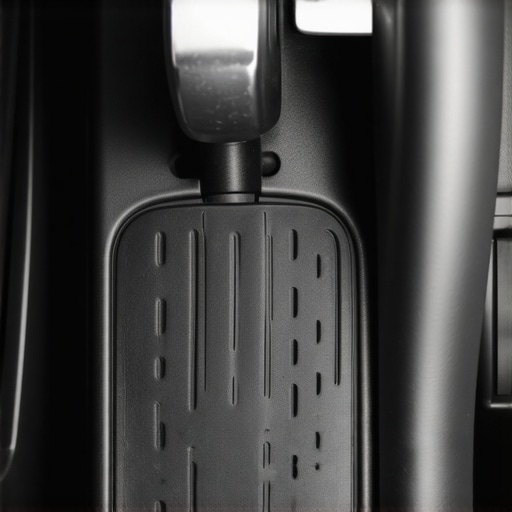
I’ll never forget the moment I stepped on my brake pedal during a hectic Sunday drive. Instead of feeling firm and reassuring, it squished like a sponge, sending a wave of panic through me. That lightbulb moment made me realize how dangerous a spongy brake pedal truly is. It�s not just an annoying sensation; it�s a serious warning sign that your braking system might be compromised and needs immediate attention.
Understanding the Root Cause of a Spongy Brake Pedal
If you�ve ever experienced that weird, mushy feel in your brake pedal, you know how unsettling it can be. The good news is, this symptom often points to specific issues that, once identified, are usually straightforward to fix. From air in the brake lines to worn-out components, many factors contribute to this problem. But before jumping to conclusions, it’s essential to understand what might be happening beneath the surface.
Are You Falling for Common Mistakes?
Early in my mechanic journey, I made a rookie mistake: I assumed that merely replacing brake pads would resolve every braking issue. It wasn’t until I learned how air gets trapped in the brake lines during fluid changes that I understood the importance of thorough bleeding procedures. If you’re neglecting these steps, you’re leaving the door open for issues like spongy brakes to persist. For a deeper dive into how brake fluid plays a critical role, check out this article.
What You’ll Discover Today
In this post, I promise to guide you through the common causes behind that mushy brake pedal and, more importantly, how to fix them without draining your wallet. Whether it’s a simple air pocket or a sign of a deeper problem, I�ll share practical tips to restore that firm, confident pedal feel you deserve. No more guesswork, just clear, actionable steps confident enough for any DIY enthusiast or car owner to follow. So, let�s get started on making your brakes the reliable safety feature they should be.
Drain and Bleed the Brake System
Start by checking the brake fluid reservoir under the hood. If the fluid is low or dirty, top it off with the correct type of brake fluid. Use a brake bleeder kit or assistant to bleed the brakes, which involves opening the bleeder valves at each wheel while pressing the brake pedal. This process removes trapped air that causes sponginess. I once carefully followed this method on my friend’s sedan, and within minutes, the pedal firmed up, restoring confidence in her braking system.
Identify and Repair Leaks
Inspect all brake lines, hoses, and fittings for signs of leaks or damage. Use a bright flashlight and mirror to access hard-to-see spots. If you spot wetness or crusty brake fluid around any connection, replace or tighten the components. Leaks reduce hydraulic pressure, leading to a soft pedal. During my last repair, I found a cracked rubber hose and replaced it, which immediately improved pedal feel. Regular inspection prevents future issues and keeps your brakes responsive.
Check Brake Components for Wear
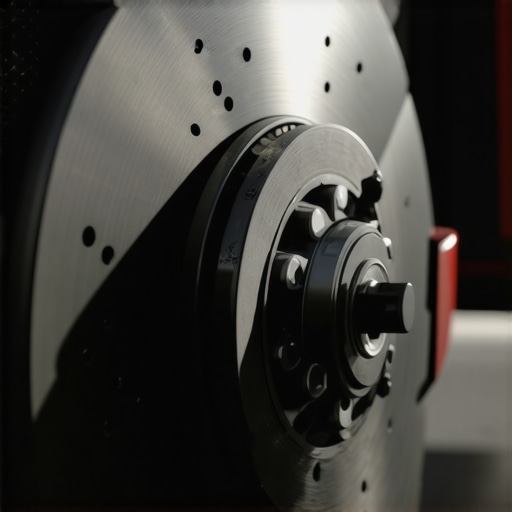
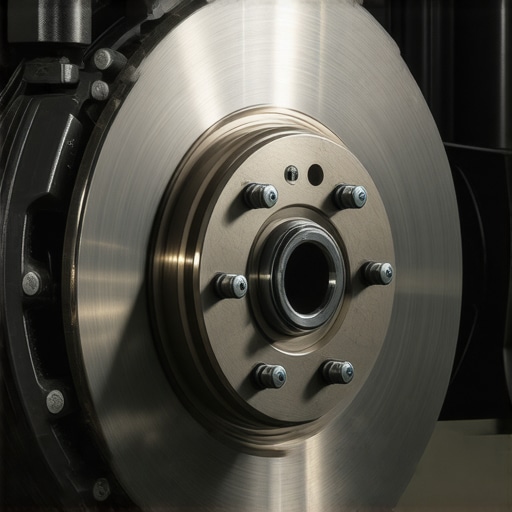
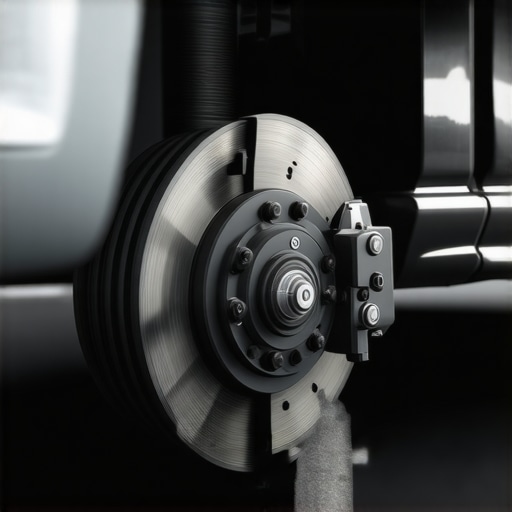
Worn-out brake pads or rotors can also affect pedal firmness. Remove the wheel and visually inspect the pads for thickness—less than 3mm indicates they need replacement. Check rotors for grooves or cracks. If necessary, machine or replace damaged parts. Remember, uneven wear can cause pedal travel issues, so measure rotor thickness with a micrometer for precision. I once replaced warped rotors and pads together, which significantly improved stopping power and pedal feel.
Ensure Brake Fluid Compatibility and Quality
Using the wrong brake fluid type can lead to deterioration and air ingress. Confirm the manufacturer’s specification—typically DOT 3, DOT 4, or DOT 5.1—and ensure the fluid is fresh. Old or contaminated fluid has a high moisture content, reducing boiling points and causing sponginess under heavy braking. When I performed an oil change, I always recommend flushing the brake fluid at the same time, as it prevents future problems and prolongs component life. For additional insights on fluid maintenance, visit fleet managers switching to shorter oil intervals.
Many car owners assume that once they find a certified ASE mechanic, all their maintenance worries are over. However, even ASE certification isn’t a guarantee of perfect service—it’s a solid baseline, but nuances matter significantly. For example, standard oil change intervals recommended by dealerships often don’t consider driving habits or the specific needs of modern engines. Cutting corners here can lead to sludge buildup that standard practices overlook. Evidence from industry studies highlights that routine oil changes using synthetic oils at shorter intervals can dramatically reduce engine wear and sludge formation, especially in GDI engines, which are more prone to carbon clogging. So, relying solely on generic service schedules without understanding your vehicle’s unique needs can be a costly mistake.
When it comes to transmission maintenance, many believe that a fluid flush is always the best solution—yet, this isn’t universally true. Some manufacturers recommend drain-and-fill procedures over full flushes to prevent contamination of sensitive internal components. In fact, aggressive flushing can sometimes dislodge debris that causes more harm than good, particularly in older transmissions. Recognizing this nuance is crucial; consulting your vehicle’s specific service guidelines and understanding the type of transmission fluid used are essential steps. Additionally, many overlook that not all transmission fluids are compatible—using a fluid that doesn’t meet OEM specifications can degrade system performance over time. Regularly checking for signs like subtle hesitation or shuddering can help catch issues early before they become expensive repairs. For insights on assessing if your transmission fluid is due for a change, visit this article.
Why do some oil changes do more harm than good?
There’s a misconception that more frequent oil changes always mean better engine health. However, over-changing, especially with synthetic oils, can strip away protective layers, leading to increased wear. Synthetic oils are designed to last longer and resist sludge formation, but many shops recommend unnecessary service intervals driven by dealership marketing rather than actual engine condition. Moreover, the quality of oil filters plays a role; cheap filters may not trap fine particulates, allowing contaminants to circulate. An advanced understanding reveals that cycle-based judgments should give way to condition-based assessments, such as checking oil clarity and engine performance. For advice on how to verify if your synthetic oil is still effective, check this guide.
Remember, routine maintenance is vital, but nuances in application and timing can make the difference between extending your vehicle’s lifespan and inviting premature wear. Always question the advice that sounds too generic; delve into manufacturer recommendations, and consider your driving conditions. This deeper awareness empowers you to make smarter decisions, saving money and ensuring safety. Have you ever fallen into this trap? Let me know in the comments.
Keeping It Working: Tools and Techniques for Long-Term Car Maintenance
The heart of dependable vehicle performance lies in the right tools and a disciplined maintenance routine. As an ASE-certified technician myself, I emphasize the importance of using professional-grade equipment, not cheap knock-offs, to ensure accuracy and safety. For instance, a high-quality scan tool like the Autel MaxiCOM allows me to run comprehensive diagnostics on engine, transmission, and ABS systems, reducing guesswork and saving time. Invest in a solid digital multimeter; I rely on the Fluke 115 because of its precision and durability, which are critical when checking sensors and electrical connections over years of service.
Another tool I swear by is a vacuum pump for brake bleeding. It streamlines the process, particularly in stubborn cases, and prevents introducing air or contaminants. When doing oil changes, I use a gevaluo oil extractor that eliminates the risk of overfilling or spilling, making the process cleaner and more precise. This is essential for maintaining proper oil levels, especially in modern turbocharged engines that demand meticulous oil management.
Software is equally vital. I utilize advanced data logging systems, like fleet management apps, to keep track of maintenance schedules, oil change intervals, and diagnostic reports. These digital solutions help me predict wear and plan proactive services, which is crucial for vehicles that clock thousands of miles annually.
Looking ahead, I believe the trend toward integrated diagnostics and predictive maintenance will continue, powered by AI and IoT. Vehicles will increasingly tell us what’s wrong before symptoms appear, saving owners time and money. Embracing this future means investing in the right tools now—such as OBD-II scanners that connect to smartphone apps and upcoming AI-enabled sensors.
How do I maintain transmission health over time? Regular fluid checks and timely replacements, based on the manufacturer’s specifications, are key. For automatics and CVTs, I prefer using fluid analysis kits to assess condition rather than relying solely on mileage. This approach ensures that your transmission fluid continues to protect internal components, especially in vehicles driven in stop-and-go traffic or harsh climate zones.
In terms of long-term results, diligent maintenance paired with quality tools means fewer surprises and extended vehicle lifespan. A well-maintained transmission can last well beyond 200,000 miles, and consistent oil changes combined with ASE-certified service ensure engine reliability that doesn’t decline over time.
Ready to elevate your maintenance routine? Try implementing a monthly oil analysis, available through many auto parts suppliers, to proactively monitor oil conditions. This small step can reveal early signs of sludge buildup or coolant leaks, keeping your car running smoothly for years to come. Remember, investing in proper tools now pays off with reliable performance and fewer costly repairs later.
The Biggest Lessons That Changed My Approach to Car Care
One of the most valuable lessons I learned as an ASE-certified technician is that maintenance isn’t just about following checklists; it’s about understanding the unique story each vehicle tells. I once ignored subtle signs of brake fluid contamination, only to later face costly repairs, teaching me to listen closely to my car’s whispers. Recognizing that even a minor squeal could be a symptom of deeper issues has profoundly shifted my approach, emphasizing proactive vigilance over reactive fixes.
Another lightbulb moment was realizing the importance of quality tools. Upgrading to a reliable scan tool and precision measurement instruments transformed how accurately I diagnosed problems. This investment paid off in fewer callbacks and longer-lasting repairs, proving that the right tools empower you to be truly confident in your work—and, by extension, in your vehicle’s health.
Finally, I discovered that ongoing education keeps your skills sharp. Following industry updates and attending specialized training on modern systems like GDI engines and advanced transmissions has kept my knowledge fresh. For car owners, staying informed means you can make smarter choices and avoid being misled by oversimplified advice or cheap fixes, contributing to your vehicle’s longevity.