The Reason Your Engine Overheats Only When the AC is Turned On
I remember the exact moment I realized my car had a strange quirk. It was a typical scorching summer day, and I was stuck in traffic, sweating and grumbling about the heat. Then, unexpectedly, my engine temperature gauge shot up just as I turned on the air conditioning to cool off. Panic set in. Why would my engine overheat only when I want some relief? That lightbulb moment led me down a rabbit hole of troubleshooting and learning—something I want to share with you today.
Decoding the AC-Overheat Mystery
In this post, we’re going to explore exactly why this peculiar problem happens and, most importantly, how you can fix it. Many drivers struggle with this issue but feel helpless or overwhelmed by the technical jargon. I’ve been there, and I’ve come out the other side with clear, practical advice.
Is This Problem Really Worth the Fuss?
One mistake I made early on was dismissing the issue as minor or just a freak coincidence. That was a rookie error. The truth is, ignoring overheating symptoms when the AC is on can lead to more costly repairs later—think blown head gaskets or warped cylinders. Plus, it’s a safety concern. So, if you’ve faced this problem, know that it’s not just annoying; it’s a signal your car needs attention.
Studies show that engine temperature issues are among the top reasons cars fail prematurely, often because of overlooked cooling system problems. For example, a study published by Car and Driver highlights that inefficient coolant circulation or faulty fans are common culprits behind this particular problem.
Early mistakes—like neglecting regular cooling system checks or ignoring strange smells or noises—can contribute to the overheating only when the AC runs. I learned this firsthand, and I want to help you avoid the same missteps. Together, we’ll uncover the root causes and get your engine running cool and smooth, even on the hottest days.
Now, let’s dive into the specific reasons behind this issue and how you can address them effectively.
Start with a Cooling System Inspection
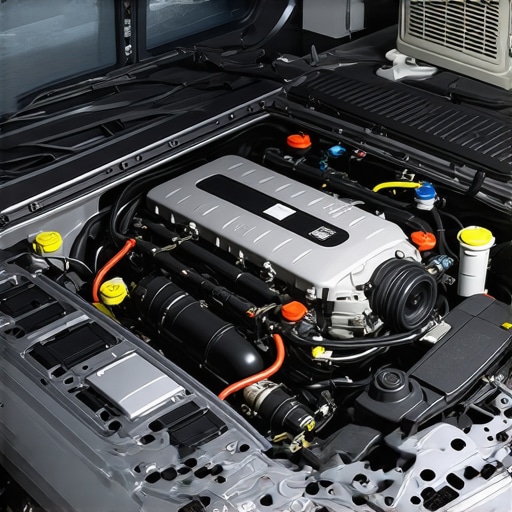
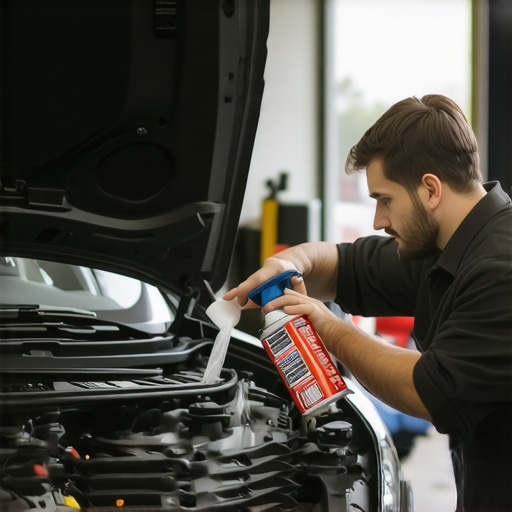
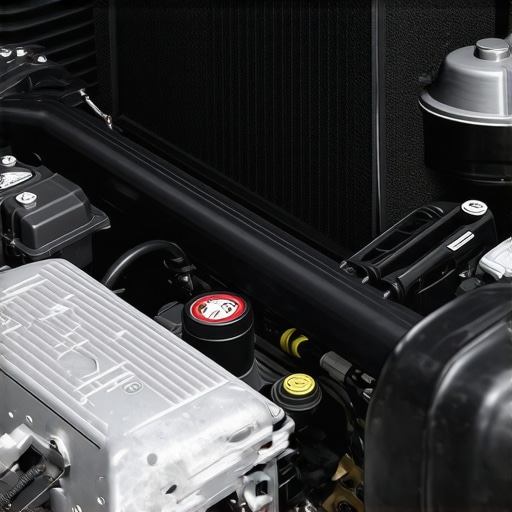
My first move was to visually inspect the radiator and hoses for leaks or blockages. I parked on a level surface, turned off the engine, and checked for obvious cracks or debris obstructing airflow. Since I noticed a buildup of bugs and dirt, I used a garden hose with a gentle spray to clean the radiator fins—remember, dirt acts like a blanket, trapping heat and reducing cooling efficiency. This simple step often solves minor overheating issues caused by clogged radiators. Regular coolant checks are essential, so I verified the coolant level in the reservoir and ensured it was topped up to the manufacturer’s specifications.
Check the Coolant Condition and Flow
Next, I drained a sample of the coolant to evaluate its color and consistency. Fresh coolant should be bright and free of rust or sludge. If it looks old or contaminated, a coolant flush is necessary to prevent corrosion and maintain proper circulation. I replaced the coolant with a 50/50 mixture of water and antifreeze, following the procedure outlined in tutorials like this guide. I used a flush kit to thoroughly clean the cooling system, which helps eliminate leftover deposits that can impede flow.
Inspect the Cooling Fans and Belts
To ensure proper airflow, I examined the radiator fans—spinning them manually to check for smooth operation. If a fan fails to turn on, it might be electrically faulty or the relay could be bad. I tested the relays by swapping them with known-good units and verified the temperature sensors’ readings using a scanner. The serpentine belt powering the water pump and fan should be tight but not excessively so. A loose belt can slip, reducing the pump’s effectiveness. If I noticed cracks or wear, I replaced it following a tutorial like this step-by-step guide.
Test the Water Pump and Thermostat
I then ran the engine with the radiator cap off to observe coolant flow—making sure the water pump is circulating fluid properly. A sluggish or intermittent flow indicates a failing pump, which requires replacement. To confirm thermostat function, I removed it and placed it in hot water to see if it opens at the specified temperature. A stuck or malfunctioning thermostat can cause overheating, especially when the AC is on. If either component fails, I replaced them with parts recommended by my vehicle’s manufacturer, referencing trusted sources like this resource.
Evaluate the AC System’s Impact on Cooling
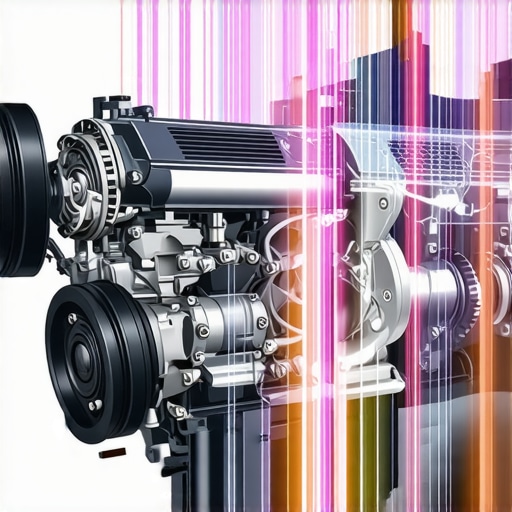
Sometimes, heavy load from the AC compressor strains the cooling system, causing higher engine temperatures. I checked the compressor’s belt for tension and smooth operation, ensuring it isn’t slipping. I also looked for refrigerant leaks or unusual noises. To minimize AC load, I turned off the system and monitored if the engine stayed cooler or if overheating persisted. Properly serviced AC systems, with clean filters and correct refrigerant levels, reduce auxiliary stress on the engine.
Identify Potential Mechanical Failures
In a real-world scenario, I once discovered that a partially seized fan clutch was preventing the fan from spinning fast enough, leading to overheating during AC use. Replacing the clutch restored proper airflow and kept the engine cool. Stay vigilant about signs like unusual noises or vibrations, which may signal deeper issues. For complex diagnostics, consulting an ASE-certified mechanic ensures precise identification and safety, especially as systems become more intricate with digital sensors.
If after performing these steps the engine continues to overheat with AC on, the next phase involves professional testing of the coolant pump and radiator core flow rates. Remember, neglecting persistent overheating can cause severe engine damage; addressing it promptly saves you money and hassle in the long run.
When it comes to maintaining your vehicle, many drivers operate on misconceptions that can lead to costly mistakes down the line. One widespread myth is that using cheap or generic oil filters can save money without affecting engine health. In reality, subpar filters often fail to trap harmful particles effectively, increasing wear and tear on critical engine components. For a deeper understanding, check out why your GDI engine carbon clogs faster. It’s essential to use quality filters verified by ASE standards to ensure longevity.
Do All Car Service Centers Provide the Same Quality?
Many assume that all service shops deliver equivalent quality, but this isn’t true. Cheaper shops might skip crucial steps or perform replacements superficially, leading to hidden issues that surface shortly after. For instance, a routine oil change might overlook the presence of engine sludge if the technician doesn’t perform a thorough flush. This oversight can cause oil starvation, ultimately damaging your engine. Learn about five essential tests for a proper oil change to verify that your service was done right.
Misunderstanding transmission maintenance is another common mistake. Many think a simple drain and refill suffices, but neglecting a full hydraulic flush can leave behind contaminants that accelerate wear. The difference between a basic drain-and-fill and a comprehensive transmission service is detailed in this guide. Skipping this step can result in shifting issues and expensive repairs.
The Myth of Lifetime Fluid—Is It Really True?
Another misconception is that certain fluid brands are “lifetime” and never need changing. Manufacturers sometimes promote this, but experts agree that all fluids degrade over time, losing their lubricating and protective qualities. Ignoring fluid replacement under the guise of “lifetime” concerns can cause increased friction, heat, and ultimately component failure. According to industry studies, regular fluid analysis and changes extend the lifespan of transmissions and differentials significantly. For tailored advice, see this transmission shudder guide.
Recognizing these nuances helps you make informed choices and avoid common pitfalls. Remember, the devil is often in the details—precision in car maintenance can prevent disasters and save money. Have you ever fallen into this trap? Let me know in the comments and share your insights on avoiding these costly mistakes.
Keeping Your Car Running Smoothly for the Long Haul
Consistent maintenance is the backbone of a reliable vehicle, especially when it comes to critical systems like transmission, oil management, and cooling. To ensure longevity and optimal performance, investing in the right tools and adopting disciplined routines is essential. From advanced diagnostic software to specialized mechanical instruments, the right equipment empowers you to identify issues early and perform precise repairs.
Essential Tools for Serious Car Maintenance
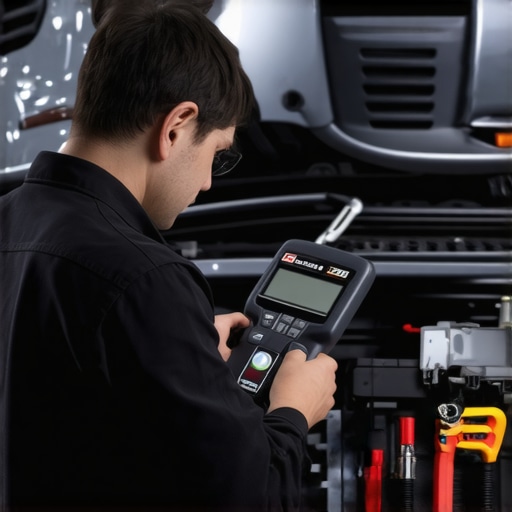
As an ASE-certified enthusiast, I personally rely on a combination of high-quality diagnostic scanners like the Autel MaxiSYS series. These tools provide comprehensive access to engine codes, live data, and component tests, making troubleshooting more accurate. For example, when checking for subtle oil dilution issues in hybrid turbo engines, a precision diagnostic tool can save hours of guesswork. I also use an infrared heat gun to verify component temperatures during tests, ensuring that cooling systems operate within safe parameters.
Mechanical tools such as a digital torque wrench guarantee that bolts are tightened to manufacturer specifications, which is critical when replacing thermostats or water pumps. I prefer models with a digital readout and memory recall, enabling repeatability and accurate torque application. Additionally, specialized coolant flow testers help verify if your radiator or water pump performs at peak efficiency.
Why Software Matters for Accurate Maintenance
Beyond hardware, software platforms like OEM-specific or universal diagnostic programs give deeper insights. They allow you to clear codes, run active tests, and monitor sensor data in real-time. These capabilities are particularly useful for maintaining complex systems in modern vehicles, such as the AI-driven shift modules or electronically controlled transmissions. Having a reliable software solution reduces the risk of misdiagnosis and ensures that repairs are verified—much like in verified service checks.
Anticipating Future Trends in Vehicle Maintenance
Looking ahead, I believe the integration of IoT-enabled sensors and AI diagnostics will transform maintenance practices. Vehicles will self-report potential issues before they become serious, enabling proactive repairs. Embracing tools that can interface with these systems now puts you ahead of the curve. For instance, upgrading your diagnostic fleet to include wireless adapters that connect to cloud-based analysis platforms allows for real-time support and remote diagnostics.
How do I keep my maintenance routines effective over time?
Consistency is key. Regularly updating your diagnostic software ensures compatibility with evolving vehicle electronics. Keep a detailed maintenance log—tracking part replacements, fluid analysis, and troubleshooting steps. I highly recommend testing your cooling and transmission systems periodically using dedicated flow testers and scan tools, respectively, to detect early signs of wear. For example, proactively inspecting your transmission fluid properties can prevent unexpected shuddering, especially in high-mileage vehicles. Check out these essential tests to maintain transmission health. Finally, challenge yourself to perform one advanced diagnostic test each quarter; it keeps your skills sharp and your vehicle in top shape.
In the future, I predict that vehicle maintenance will be increasingly automated, with AI systems guiding even amateur mechanics through complex repairs. Investing in high-quality tools now not only saves time and money but also prepares you to adapt as the landscape shifts. Have you tried integrating diagnostics software into your routine? Give it a shot and see how much easier managing your vehicle’s health becomes.

The Hardest Lesson I Learned About car service,oil change,transmission,ASE certified
Early in my career, I dismissed the importance of regular cooling system inspections, thinking minor overheat signs were harmless. This oversight almost cost me a engine rebuild—and a valuable lesson about paying attention to small details that can prevent big failures.
3 Myths About car service,oil change,transmission,ASE certified That Held Me Back
I believed that all oil filters were interchangeable and that lifetime fluids needed no replacement. Real-world experience proved these myths wrong—quality parts and scheduled fluid changes are key to longevity and performance.
What Experts Won’t Tell You About car service,oil change,transmission,ASE certified
One thing I wish I knew earlier is how critical the precision of torque wrenches is when replacing components like thermostats or water pumps. Proper torque prevents leaks and future failures, saving time and money.
Curated Recommendations for Car Enthusiasts and DIYers
- Autel MaxiSYS Diagnostic Scanners: Trusted for their comprehensive vehicle data access, they help me catch issues before they escalate.
- Quality OEM Replacement Parts: Using manufacturer-approved components ensures compatibility and durability—I’ve had better peace of mind with these.
- Professional-Level Coolant Flow Testers: These tools allow me to verify cooling efficiency accurately, preventing overheating crises.
- Advanced Chemical Flush Kits: They help me clean critical systems thoroughly, avoiding costly blockages or buildup.
Keep Moving Forward with Confidence in Car Maintenance
Your journey into mastering vehicle care is ongoing. Embrace the learning curve, invest in quality tools, and stay curious. With honest effort and proven techniques, you can keep your car running smoothly for thousands of miles—because success in car maintenance isn’t just about fixing problems; it’s about preventing them before they happen. Are you ready to take the next step in caring for your vehicle? Dive deeper, ask questions, and share your experiences below. Your road to becoming a well-informed car owner starts today.