How to Clean Road Tar Without Ruining Your Clear Coat
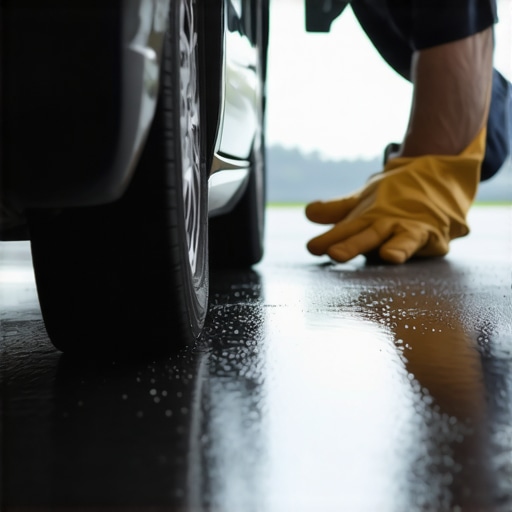
It all started on a Saturday afternoon, when I returned from a relaxed drive and noticed that sticky, black road tar had decided to make itself at home on my car’s pristine paint. My first instinct was to scrub it off aggressively, but I’ve learned the hard way that rushing in without knowing the right techniques can leave your clear coat dull or even cause permanent damage. Have you ever faced that panic moment, trying to remove tar, only to worry about ruining your finish?
Why Removing Road Tar Smoothly Matters More Than You Think
What’s the Real Risk of Using the Wrong Tar Remover?
If you’ve faced this problem and felt at your wit’s end trying to make your car look like new again, don’t worry. The solution isn’t as complicated as you might think. In the next sections, I’ll walk you through step-by-step methods that preserve your clear coat while effectively removing tar. Ready to restore that flawless finish? Let’s dive in.
Select the Right Products for Tar Removal
Start by choosing a dedicated tar remover solvent like commercial automotive tar scrub or a natural substitute such as automotive-grade peanut butter or specialized citrus-based cleaners. I once used a citrus cleaner on my car after a trip through a freshly paved road, which softened the tar effectively. Avoid harsh chemicals like paint thinners or gasoline, as they can damage your clear coat and lead to costly repairs. Opt for products that are specifically designed for automotive paint to ensure safety and effectiveness.
Prepare Your Work Area and Vehicle
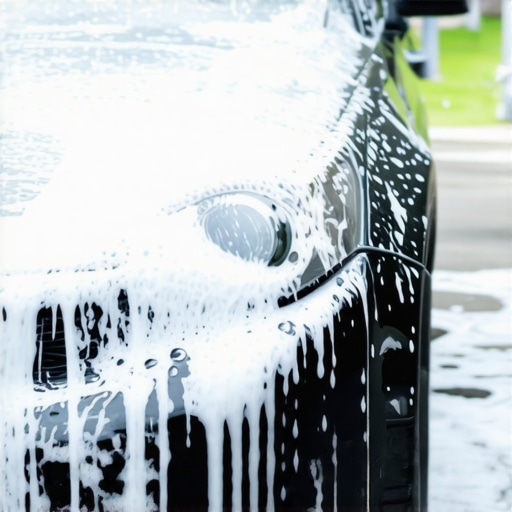
Park your vehicle in a shaded area to prevent premature drying of the cleaning agents and to protect the paint from direct sunlight. Before applying any solvent, wash your car thoroughly with soap and water to remove loose dirt and debris; this prevents scratching during the tar removal process. Dry the surface with a microfiber cloth, which is less abrasive. I remember a time I neglected this step and ended up polishing minor scratches into my paint—lesson learned!
Apply the Tar Remover Carefully
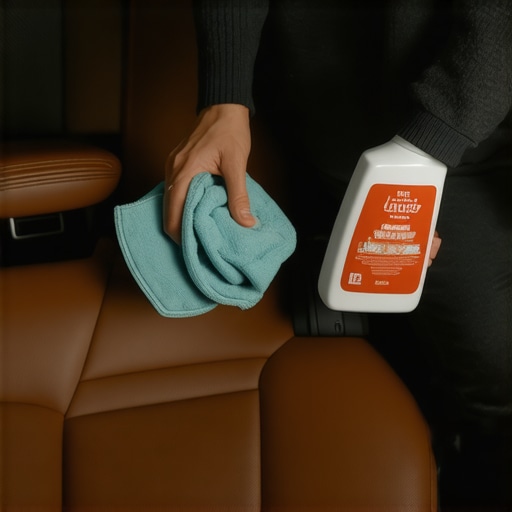
Dab a clean microfiber or foam applicator with the tar remover and gently apply it to the tar-stained area. Do not scrub aggressively; instead, let the solvent sit for about 5-10 minutes to penetrate and soften the tar. This is similar to letting a stain sit before washing it out; patience is key. As the solvent works, you might notice the tar becoming more pliable or starting to lift from the surface. Reapply more tar remover if necessary, but always follow the product instructions to avoid damaging your paint layer.
Use Gentle Techniques to Loosen Tar
After allowing the solvent to soften the tar, use a soft microfiber cloth to softly rub the area in circular motions. If the tar stubbornly remains, take a plastic scraper or a dental pick to gently lift it without scratching. I once used a plastic spatula to carefully lift tar from my bumper—it worked like a charm without harming the paint. Remember, aggressive scraping can cause micro scratches, which are hard to see but can dull your finish over time.
Wipe and Rinse the Surface
Once the tar is removed, wipe the area clean with a fresh microfiber cloth dampened with water or a mild car wash solution. Rinsing removes any residual solvent and loosened debris. This prevents streaks or chemical residues that could degrade your paint. For added protection and shine, apply a quality car wax or paint sealant after cleaning. This step helps restore the original gloss and provides a barrier against future contaminants.
Inspect and Repeat if Necessary
Perform a close inspection under good lighting to ensure all tar has been lifted. If stubborn patches remain, repeat the process: apply more tar remover, let it sit, then gently scrub or lift the residue. Remember, patience and gentle handling prevent damage. For larger or more embedded stains, consider consulting a professional or visiting an ASE-certified technician to avoid unintentional harm, especially if your paint is aging or fragile.
When it comes to vehicle maintenance, many car owners operate under misconceptions that can lead to costly mistakes. Let’s explore some common myths and nuances that even seasoned enthusiasts often overlook, ensuring you’re equipped with expert knowledge. Many believe that a simple oil change suffices for transmission health, but in reality, the transmission’s inner complexity demands more attentive care. For example, relying solely on dark transmission fluid as an indicator of need can be misleading, since fluid color isn’t always proportional to its condition—check out this visual test for contaminated fluids to understand how appearances can deceive. A widespread myth is that “lifetime” fluids require no service; in fact, even sealed systems need periodic checks, especially considering the nuances of newer CVT transmissions that often slip without obvious signs, as detailed in CVT-specific fixes. Many technicians tout their ASE certification as a guarantee of quality, but the truth is, certification alone doesn’t ensure they’ve mastered the latest high-tech diagnostics—learn what to look for in spotting skilled ASE-certified mechanics. One common trap is assuming that neglecting minor sounds or vibrations won’t escalate; in reality, subtle anomalies often precede major failures, such as a faint noise that may indicate a failing torque converter, which you can verify through transmission noise clues. Here’s an advanced question: How can you differentiate between normal transmission behavior and early signs of impending failure without specialist tools? Understanding the specific thresholds and symptoms, such as irregular gear shifts or delayed engagement, can make all the difference—refer to verified service signs for more insight. As you see, mastery in maintenance hinges on awareness of subtle nuances, misconceptions, and advanced diagnostics. Have you ever fallen into this trap? Let me know in the comments.Maintaining your vehicle’s performance over time requires the right tools and a disciplined approach. As someone who’s dived deep into automotive care, I can attest that investing in quality equipment pays off, especially when performing tasks like fluid exchanges or diagnosing subtle issues early. One of my go-to items is a high-quality digital multimeter, which helps me quickly identify electrical glitches without guesswork. I personally prefer a model with auto-ranging capabilities and Bluetooth connectivity—this allows me to log readings over time and spot trends that could indicate impending problems, such as a dying alternator or sensor malfunction. For more advanced diagnostics, an OBD-II scanner compatible with your smartphone app is indispensable. I recommend a device that supports manufacturer-specific codes and live data streaming; it’s saved me many trips to the shop by catching issues early. Performing routine maintenance, like fluid changes, also benefits from specific tools. For example, a dedicated fluid extractor simplifies the process of removing old transmission or engine oil, ensuring a thorough refresh without making a mess. I’ve found that these extractors pay for themselves quickly by preventing overfilling or under-filling during fill-ups. Regarding long-term results, I advocate using sealed, ASE-certified parts and tools to ensure quality and durability. Going for parts with this certification, like filters and sensors, ensures that replacements integrate seamlessly and last longer, reducing the frequency of service visits. Looking ahead, I predict that tools integrating AI diagnostics will become commonplace, helping even amateurs perform complex repairs with greater confidence. To get started, try incorporating a reliable OBD-II scanner into your routine; it’s an investment that will offer immediate insights and help you make smarter decisions about your vehicle’s health. How do I maintain consistent, long-term performance? Regularly checking your transmission fluid and using tools like advanced diagnostic scanners regularly can catch issues before they become costly. When you’re ready to take control, consider testing your vehicle’s sensors with a multimeter and the right adapters; it’s surprisingly straightforward and incredibly empowering. Ready to level up your car care? Start small by using a high-quality multimeter to test your battery voltage—it’s a simple step that can prevent roadside breakdowns and prolong your car’s life.
The Hardest Lessons I Learned About Transmission and Car Service
Tools and Resources That Changed My Approach to ASE-Certified Maintenance
Empowering Your Vehicle Journey with Confidence and Care
,
Similar Posts
How to Remove Tree Sap Without Ruining Your Clear Coat
It was a sunny Saturday afternoon when I finally decided to give my car a much-needed wash after a long week. As I carefully rinsed off the dirt, I noticed a stubborn, sticky patch on my hood—it was tree sap. Frustration crept in as I realized that if I wasn’t careful, I could end up…
How to prep your car’s finish for a long winter
I remember the chilly morning when I first realized my car’s paint was dull and speckled with tiny ice crystals. It struck me how neglecting the car’s finish over the years was like leaving your skin unprotected in freezing weather—eventually, damage sneaks in. That lightbulb moment led me to ask: “How can I ensure my…
How to clean a leather interior without stripping the dye
It was a Saturday afternoon when I finally got around to cleaning the inside of my car, only to realize that my once sleek leather seats now looked dull and faded after a quick scrub. I had used the wrong product—one that stripped away not just the grime but also a bit of my leather’s…
The Danger of Using Dish Soap to Clean Your Car’s Paint
I remember the first time I tried to give my car a quick wash using dish soap. The bright, bubbly suds looked satisfying, and I thought, ‘This will do the trick.’ But shortly after, I noticed a dull sheen replacing the glossy finish I loved. That lightbulb moment hit me hard—dish soap isn’t meant for…
How to Keep Your Leather Seats from Cracking in the Summer
It was a scorching July afternoon when I finally looked at my car’s interior and realized the damage—from neglected leather seats—was worse than I thought. The cracking and peeling had started subtly, almost unnoticed, until I sat down and felt that rough, uneven texture. That lightbulb moment pushed me to dig deeper into what actually…
The Secret to Keeping Your Engine Bay Looking Factory New
It happened on a Saturday morning, just as I was pulling out of my driveway. I glanced into the engine bay to give everything a quick check and nearly recoiled. Dirt, grime, and oil had taken over—transforming what was once a shiny, pristine compartment into a grimy mess. At that moment, I realized how easy…