How to prep your car’s finish for a long winter
I remember the chilly morning when I first realized my car’s paint was dull and speckled with tiny ice crystals. It struck me how neglecting the car’s finish over the years was like leaving your skin unprotected in freezing weather—eventually, damage sneaks in. That lightbulb moment led me to ask: “How can I ensure my car’s finish survives the brutal winter?” The good news is, with a few simple steps, you can shield your vehicle from salt, snow, and the harsh cold.
Why Winter Prep for Your Car’s Finish Is a Must
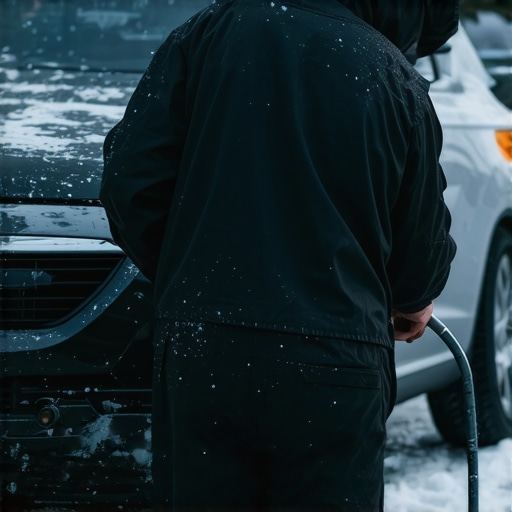
Winter is ruthless on cars. The combination of road salt, moisture, and temperature swings can wreak havoc on your paint and clear coat. Salt accelerates rust, while grime dulls your car’s shine. Too often, I see folks ignoring these issues until spring, only to find their paint peeling and corrosion setting in. Not only does this diminish your vehicle’s appearance, but it also impacts resale value and can lead to costly repairs down the line.
To put it into perspective, studies show that salt-induced corrosion costs vehicle owners billions annually in repairs (*source:* [autofixclinic.com](https://autofixclinic.com/why-regular-oil-changes-extend-your-cars-lifespan)). So, a little preemptive action now can save you big bucks later.
Have you ever neglected your car’s winter protection and regretted it? If so, you’re not alone. But the good news is, you don’t have to be a car care pro to make your vehicle winter-proof. Follow these straightforward steps, and you’ll keep that showroom shine, no matter how fierce the winter gets.
Now, let’s look at how to get started with a deep clean and protective barrier that will stand up to snow, salt, and ice.
Start With a Thorough Wash to Remove Dirt and Grime
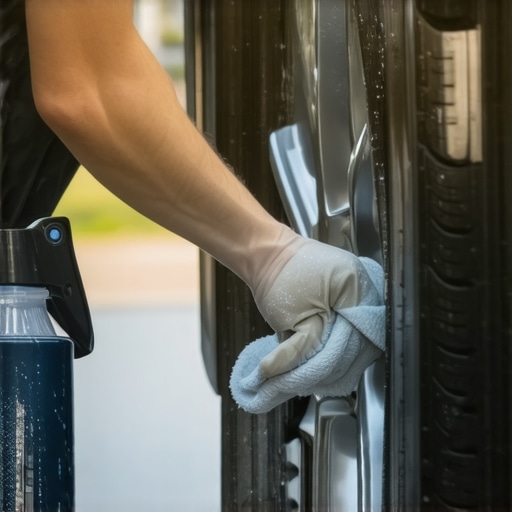
Begin by washing your car with high-quality automotive soap to eliminate salt, mud, and other debris that can embed into the paint during winter drives. Use a soft microfiber mitt to avoid scratching. Rinse thoroughly, ensuring no residue is left behind. I once faced a particularly snowy week and realized my car’s surface was covered in salt after a quick wash—seems simple, but it’s key to prevent corrosion.
Clay Bar Treatment to Eliminate Invisible Contaminants
Next, use a clay bar to lift off bonded contaminants that regular washing can’t remove. Spray a clay lubricant on a small section and glide the soft clay across the surface. It’s like removing invisible grit that dulls your shine. I used this method on my SUV before winter last year, which made the paint feel smoother—definitely worth the extra step.
Inspect and Repair Paint Damage
Check for chips or scratches that could allow moisture to penetrate and cause rust. Use touch-up paint to seal small chips. For larger damage, consider professional repainting. It’s akin to patching up a cracked windshield—small fixes can prevent bigger problems.
Apply a Strong Wax or Sealant for Protection
Once clean and smooth, apply a high-quality wax or ceramic sealant. This creates a hydrophobic layer, repelling saltwater and dirt. Use a foam applicator, working in small, circular motions. I learned from experience that skipping this step makes washing tougher in cold weather, and the protective layer is your first line of defense.
Pay Attention to Underbody Coating
Underbody protection is crucial in winter. Consider applying an anti-rust undercoating or rubberized spray to shield exposed parts from road salt and moisture. This is like wearing waterproof boots in snow—keeps your car’s foundation solid longer. I personally had my undercarriage treated last fall, which saved me from costly corrosion repairs.
Check and Replace Fluid Levels
Ensure your oil, coolant, and windshield washer fluids are topped off with winter-grade versions. Thick or old fluids can fail in cold temperatures, impairing your vehicle’s performance. Think of it as fueling your body with the right vitamins before winter—it keeps your ride running smoothly. Visit [Top Oil Change Tips](https://autofixclinic.com/top-oil-change-tips-for-safe-driving-in-2025) to select optimal fluids.
Bring Your Car for a Professional Inspection
Finally, schedule an ASE-certified mechanic to assess your vehicle’s overall winter readiness. This comprehensive check-up addresses transmission health, brake condition, and tire integrity—just like a doctor evaluating your health before flu season. I once skipped this step and paid the price during a snowstorm when my brakes felt less responsive. Addressing issues early ensures safe, worry-free winter driving.
Even seasoned car owners often fall prey to misconceptions about transmission care, ASE certification, and routine oil changes. Many believe that a quick oil top-up or trusting a shop’s ASE badge guarantees longevity, but the reality is far more nuanced. For instance, there’s a widespread myth that fully synthetic oils always outperform conventional ones—a misconception debunked by experts at AutoFixClinic. The truth is, synthetic oils are beneficial mainly under high-stress conditions or for engines with tight tolerances, but their superiority depends on your driving habits and vehicle age.
One advanced mistake I often observe involves ignoring subtle transmission warning signs until it’s too late. Relying solely on a “change transmission fluid every 30,000 miles” rule is simplistic, as different models and driving styles demand tailored maintenance schedules. This is where understanding transmission fluid condition becomes critical. For example, burnt smell or dark coloration can signal imminent failure, even if the fluid hasn’t reached the generic mileage threshold.
A common trap is trusting ASE certification as a catch-all guarantee of quality. While ASE-certified techs possess proven skills, they are not infallible; shop protocols, equipment quality, and diagnostic approaches vary. Understanding what ASE certification entails helps you grasp its value—and its limits.
From routine oil changes to complex transmission servicing, the devil lies in the details. Overlooking the importance of flushing old transmission fluid, for instance, can lead to build-up that causes shifting issues over time. Conversely, some shops perform unnecessary services driven by profit motives rather than vehicle needs—another advanced mistake to watch out for.
Therefore, educating yourself on the specific requirements of your vehicle and questioning standard recommendations can prolong its life and prevent costly repairs. Think of it like maintaining your health; regular check-ups are essential, but personalized advice from a trusted mechanic tailored to your driving profile makes a world of difference.
Have you ever fallen into this trap? Let me know in the comments. Staying ahead requires knowledge—and that’s where truly understanding the nuances of car maintenance offers the biggest payoff.Maintaining your vehicle’s performance over the long haul requires more than just a basic set of tools; it demands precision equipment and reliable methods that allow you to diagnose, service, and optimize your car effectively. For personal car enthusiasts and professionals alike, having the right tools can mean the difference between a quick fix and costly repairs down the line.
One of my go-to devices is a high-quality OBD-II scanner, such as the BlueDriver Bluetooth Pro. I personally use it because it offers real-time data, freeze frame information, and helps pinpoint engine or transmission issues before they escalate. Its user-friendly interface and smartphone compatibility make diagnostics accessible without sacrificing depth, aligning with the trend towards integrated vehicle health monitoring.
When it comes to fluid management, I rely on a digital refractometer to measure oil and coolant purity. This tool provides immediate insights into whether your fluids are still effective or need changing—saving you from premature replacements and potential engine wear. Regularly testing your fluids, especially with the rise of synthetic oils that can degrade faster under certain conditions, keeps the engine in optimal condition.
For more hands-on service, I recommend a torque wrench with a preset torque feature. Over-tightening can cause damage, while under-tightening risks leaks and component failure. Personally, I use a click-type torque wrench calibrated quarterly to ensure accuracy, which is vital for tasks like lug nut tightening or securing sensitive bolt connections during transmission repairs.
Maintaining transmission health isn’t just about fluid changes; it’s also about inspecting internal components. For this, a mechanic-grade ultrasonic leak detector helps identify fluid leaks that are invisible to the naked eye. It’s efficient for early detection, which can significantly extend the lifespan of transmission parts. In fact, according to expert insights at AutoFixClinic, proactive leak detection can prevent catastrophic failures.
As vehicle technology advances, software tools such as manufacturer-specific diagnostic programs become invaluable. I’ve often used OEM-compatible software on a laptop with a CAN bus interface to reset transmission adaptations after fluid changes or software updates, ensuring the vehicle runs with updated parameters. This approach aligns with the future trend of vehicle control module customization and optimization.
If you’re serious about doing your own maintenance, investing in these tools is a wise move. They empower you to diagnose issues early, perform precise repairs, and extend your vehicle’s longevity. I highly recommend trying out a comprehensive diagnostic scanner like BlueDriver, as it effectively bridges the gap between professional-grade tools and amateur use.
What about long-term results? Combining these tools with interim practices like routine oil changes—using trusted guidance from top oil change tips—provides measurable benefits. Over time, you’ll notice improved fuel efficiency, fewer breakdowns, and a stronger resale value. With continued meticulous care, your vehicle can comfortably surpass the average lifespan typical for its make and model.
Predicting where this trend is headed, I believe smart diagnostic tools integrated with IoT capabilities will soon offer real-time vehicle health monitoring, enabling preventive maintenance through cloud data analysis. This convergence of hardware and software will make car care more proactive, reducing repair costs and downtime.
So, start by integrating a reliable OBD-II scanner into your toolkit today. Not only will it help you keep your car performing well now, but it also sets the stage for smarter maintenance in the future. For expert guidance tailored to your vehicle, don’t hesitate to consult with an ASE-certified mechanic—remember, expertise makes all the difference.
Lessons That Changed My Approach to Transmission and Car Service
- One unexpected lesson was realizing how vital a proper transmission fluid check is before winter hits; I used to ignore minor signs, only to face costly repairs later.
- Understanding that ASE certification isn’t just a badge—it’s a marker of real expertise—made me seek out certified mechanics for critical services rather than trusting shops blindly.
- My biggest breakthrough was learning to differentiate between genuine preventive maintenance and unnecessary fixes—saving hundreds over the years.
Tools That Keep My Car Running Smoothly in Cold Weather
- The BlueDriver OBD-II scanner has been a game-changer, allowing me to detect early warning signs of transmission issues before they escalate.
- A refractometer helps me monitor oil and coolant quality, ensuring my engine stays protected against winter’s harshness.
- Using a high-torque wrench and ultrasonic leak detector for underbody and transmission checks provides peace of mind during the toughest months.
Your Drive to Better Car Care Starts Now
Embracing these lessons and tools has empowered me to face winter confidently, knowing my car is prepared for whatever challenges come. Remember, expertise paired with the right equipment can significantly extend your vehicle’s lifespan and safety. Don’t wait for problems to strike—start applying these insights today and enjoy a worry-free winter season. What’s your favorite tool or tip for maintaining your vehicle during cold weather? Share below and keep the conversation going!