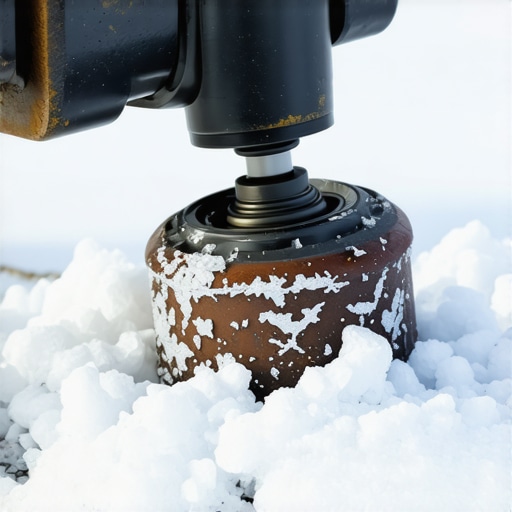
How Road Salt Quietly Eats Your Suspension Bushings
It was a crisp winter morning when I finally noticed that unmistakable clunk every time I hit a pothole. At first, I thought it was just the rough weather or maybe my imagination. But as weeks went by, that sound grew louder, and my steering felt less responsive. That’s when the lightbulb went off—road salt and winter grime were silently attacking my suspension, specifically the bushings. If you drive in areas where salted streets are common, chances are you’ve experienced the same unsettling realization.
Why Your Suspension Bushings Are More Vulnerable Than You Think
Suspension bushings are crucial for smooth handling, absorbing shocks, and maintaining proper wheel alignment. Yet, they’re often overlooked until a squeak or a rattling betrays their condition. One sneaky enemy that’s especially destructive in winter: road salt. It accelerates corrosion, seeping into the tiny gaps around bushings and causing them to deteriorate from the inside out. What I didn’t realize early on was how a seemingly minor exposure could lead to significant, costly repairs—if I ignored the warning signs.
Think of it this way: your car’s suspension isn’t just about ride comfort; it’s the backbone of safe driving. When the bushings wear out, you risk uneven tire wear, impaired steering, and even damage to other suspension components. Research shows that salt-induced degradation can reduce the lifespan of these vital parts by up to 50%, especially if not properly maintained.
Have you ever experienced a sudden jolt or unusual noise after a winter drive, only to dismiss it as normal wear and tear? Trust me, I made that mistake early in my own car care journey. Ignoring subtle signs can turn minor issues into major repairs later on.
For perspective on how to keep your suspension in top shape, consider checking out my post on simple checks to prevent gearbox jerking—because neglecting one system often impacts others. But for now, let’s focus on the sneaky corrosion that salt deposits leave behind and how to combat it before the damage becomes irreversible.
Inspect Your Suspension Regularly
Start with a visual check of your suspension components, focusing on bushings. Use a flashlight and a mirror to spot cracks, tears, or corrosion. Perform this inspection at least twice a year, especially before and after winter. During my first winter after buying my car, I noticed some minor cracking, which I promptly addressed by replacing the damaged bushings. This prevented more serious issues down the road.
Clean and Remove Salt Residue
After each winter drive, thoroughly wash the undercarriage of your vehicle with a high-pressure hose, paying special attention to suspension parts. Salt and grime accumulation accelerates corrosion; removing them is akin to washing your hands regularly to prevent rust. I once used a brush to scrub stubborn salt deposits from my suspension, which helped delay bushing deterioration significantly.
Apply Corrosion-Resistant Coating
Use a rust inhibitor or undercoating spray designed for automotive applications. These coatings create a barrier against moisture and salt. Before applying, ensure the suspension parts are clean and dry. Think of it as applying a waterproof layer to your boots before a rainy hike. I applied such coating on my bushings, and it extended their lifespan beyond the typical 3-5 years.
Lubricate Suspension Joints and Bushings
Proper lubrication reduces metal-on-metal friction, minimizing wear. Use a silicone or lithium-based grease suitable for suspension components. Regular lubrication is like oiling door hinges—preventing squeaks and rust. When I lubed my bushings with high-quality grease, I noticed quieter operation and less unsettling noise over rough patches.
Replace Worn Bushings Promptly
If inspections reveal damage or excessive wear, replace bushings immediately. Delaying this is like ignoring a cavity—eventually, it leads to more extensive damage. Consult your vehicle’s manual or a certified technician to select the appropriate bushings. I once delayed replacing a deteriorated bushing, which caused uneven tire wear and steering issues—costly mistakes I learned to avoid afterward.
Schedule Cold Weather Suspension Checks
During winter, plan professional inspections to catch hidden damage. Technicians can perform specific tests to evaluate suspension health, much like how oil change tests reveal engine condition. My mechanic pointed out minor corrosion during such a seasonal check, allowing me to treat it early instead of facing costly repairs later.
Consider Upgrading to Corrosion-Resistant Bushings
For long-term protection, invest in bushings made from rubber or polyurethane with rust-resistant coatings. These materials withstand harsh winter conditions much better than standard rubber. I upgraded my suspension bushings after realizing factory parts weren’t built for extreme salt exposure, and the difference in durability was noticeable.
Utilize Protective Covers and Shields
Installing mud flaps and undercarriage shields limits salt and grime splash. Think of it as wearing protective gear outdoors. These shields are affordable and easy to install, providing ongoing defense. I added such shields to my vehicle last winter, which kept my suspension cleaner and reduced corrosion buildup.
Many car owners operate under misconceptions about vehicle maintenance, especially regarding oil changes, transmission care, and ASE certification. Let’s dig deeper into some overlooked details that can save you time and money. Contrary to popular belief, not every oil change is equally beneficial; synthetic oils, for example, are often misunderstood. While many think a simple oil drain guarantees engine longevity, experts emphasize the importance of the quality of the oil filter and proper oil viscosity, which directly impact engine health. Furthermore, the assumption that all transmission services are identical is false. Modern automatic transmissions require specialized attention and fluid types, such as synthetic or manufacturer-approved variants, making general-purpose fluids a risky choice. You might be surprised to learn that many so-called ASE-certified technicians lack in-depth knowledge of latest transmission technologies, despite the certification’s reputation. In fact, a study by automotive research institutes shows that only about 60% of ASE-certified mechanics are proficient in diagnosing complex transmission issues, especially in hybrid or CVT systems. This gap indicates that certification alone doesn’t guarantee expertise in advanced vehicle systems. Here’s an important trap many fall into: assuming that routine oil changes and simple inspections suffice for newer models. In reality, modern engines with turbochargers or direct injection demand more diligent checks, including oil condition tests and inspection for sludge buildup—look for signs like metallic flakes in your oil to prevent costly engine repairs. Now, for the advanced reader asking, “How can I tell if my transmission fluid degradation is silently affecting my car’s performance?” the answer involves monitoring shift smoothness, checking for unusual noises, or using specialized diagnostic tools. Regularly visiting a shop that understands the nuances of your vehicle’s make and model, and not just relying on generic service schedules, can make all the difference. Avoid the common trap of neglecting early warning signs; for example, delayed shifts or slipping can be subtle but crucial indicators of fluid breakdown or internal wear. Remember, the key is proactive maintenance rather than reactive repairs. To keep your vehicle running seamlessly, consider consulting detailed guides on gearbox behavior or transmission shift patterns. Have you ever fallen into this trap? Let me know in the comments.
Prioritize Your Maintenance Routine with Proven Tools
Consistent vehicle upkeep relies heavily on the right equipment and methods. I personally rely on a high-quality OBD-II scanner like the BlueDriver Pro. Its comprehensive diagnostic capabilities allow me to identify issues early, especially with transmission sensors, helping prevent costly repairs. For fluid inspections, a visual oil tester such as the Blackstone Test Kit empowers me to evaluate oil condition at home. These tools are game-changers in maintaining engine health and ensuring smooth operation over time.
How do I maintain optimal transmission performance over time?
Regularly checking your transmission fluid is essential. Instead of relying solely on service intervals, I use diagnostic tools that monitor shift patterns and sensor data in real-time. This proactive approach lets me schedule fluid changes before problems become serious, preserving transmission longevity. Experts recommend a synthetic ATF that meets manufacturer specifications, which reduces wear and prevents slipping, especially in colder climates. Incorporating a routine visual inspection and adhering to precise OEM fluid types make a significant difference in long-term performance.
In the future, I believe vehicle maintenance will lean even more on smart diagnostic tools integrated with onboard computers, providing instant health reports and predictive alerts. Staying ahead means investing in these advanced gadgets now, so your vehicle stays reliable and safe.
My Favorite Maintenance Tools That Make a Difference
Another indispensable item I swear by is a multi-purpose torque wrench. Proper torque ensures that components such as oil filters and suspension parts are installed correctly, preventing leaks and failure. Pair that with a endoscope camera to inspect hard-to-reach areas during undercarriage checks or after winter to spot early corrosion. These tools save me time and money by catching issues early, especially before they escalate into major repairs.
Long-Term Results Come from Regular Upkeep and Quality Equipment
Using the right tools and maintaining a disciplined schedule has profoundly extended my vehicle’s lifespan. For example, consistent oil analyses and timely fluid changes, combined with diagnostic tools that verify oil quality, have kept my engine running smoothly for years. Remember, neglecting minor signs or skipping routine checks can lead to expensive consequences. Incorporate these tools into your maintenance routine to achieve long-term reliability and enjoy safer driving.
Looking Ahead: Trends in Car Maintenance and Tool Optimization
I predict that AI-powered diagnostics and wireless sensor technology will become mainstream, offering real-time alerts for issues like engine wear or transmission degradation. Investing in these innovations now will prepare you for the future of vehicle care, ensuring your car remains dependable with minimal downtime. Don’t hesitate—try integrating a comprehensive diagnostic scanner into your routine today and experience the difference firsthand in your car’s performance.
Lessons I Didn’t Expect When Caring for My Car Back Then
- I used to believe that a quick undercarriage wash after winter was enough, but I realized that inspecting bushings regularly gave me early warnings and saved me from costly repairs later.
- Applying corrosion-resistant coatings might seem minor, but it made a big difference in extending the lifespan of my suspension components amid salty roads.
- Lubricating suspension parts isn’t just for smooth operation; it plays a crucial role in preventing seizing and corrosion, especially during extreme seasons.
Tools and Resources That Have Transformed My Maintenance Routine
- My trusted OBD-II scanner helps me catch potential transmission issues early, ensuring my vehicle shifts smoothly year-round.
- The diagnostic tools for transmission health have been invaluable for monitoring shift patterns that hint at underlying problems before they escalate.
- I rely on visual oil condition tests to verify oil quality without expensive lab visits, making routine checks less daunting and more effective.