Why Your Tech Hates Those 10-Minute Oil Change Shops
It was a hot summer afternoon when I first truly realized the short-sightedness of rushing through quick oil changes. My car shuddered violently as I pulled out of the service bay, and for a moment, I wondered if I had just lost my engine forever. That moment stuck with me—not just because of the abnormal shake, but because I sensed something was fundamentally wrong. Since then, I’ve learned that many quick oil change shops promise speed but often compromise quality—leading to headaches and costly repairs down the line.
The Hidden Risks of Speedy Oil Changes
In our busy lives, patience can feel like a luxury. Quick oil change shops leverage this impatience by advertising lightning-fast service—sometimes in under 10 minutes. But beneath that slick promise lies a risk many car owners overlook. When technicians rush, they might skip crucial steps like proper filter installation or detailed fluid checks. I made this mistake early on—assuming all oil services are created equal—which led to a series of problems with my transmission and engine performance. These quick fixes rarely address the underlying issues and might even accelerate wear. Want to learn how to tell if your oil change actually did the job? Check out this guide for essential tests. Have you ever experienced trouble immediately after a quick oil change? You’re not alone, and the good news is: there are smarter ways to care for your vehicle.
Is Cheap Speed Worth the Cost of Repairs?
Many car owners wonder if sacrificing a little time and money for a quick service is really a gamble. The truth is, cutting corners can lead to severe engine damage or transmission issues—especially if your vehicle is as advanced as a 2026 model. For example, incorrect oil type or low-grade filters can cause carbon buildup in your GDI engines, leading to costly cleaning processes later on. In my case, a rushed oil change caused my synthetic oil to turn black faster than normal, hinting at improper application. That’s why trusting a certified technician and asking the right questions is so important. For more on avoiding repair scams, check out this article. Have you noticed your engine struggling soon after a quick oil change? If so, it might be time to rethink your approach to vehicle maintenance and set a new standard for quality.
Choose the Right Oil and Filter First
Start by verifying your vehicle’s manual for the recommended oil type, especially since 2026 models often require bio-synthetic oils with specific additive packages. When I replaced my oil last time, I made sure to select an ultra-fine filter compatible with my engine’s unique demands. For instance, using the wrong filter can cause carbon buildup in your GDI engine, leading to costly repairs this detailed guide explains how to choose the correct filter.
Prepare Your Workspace and Tools
Find a level, safe space for your work. Gather a socket set, oil catch pan, new filter, and the correct oil. I recommend marking your oil drain plug to ensure it isn’t overtightened upon reinstallation, preventing future leaks and transmission issues learn more about transmission linkage maintenance.
Perform the Oil Drain Properly
Warm up the engine for 3-5 minutes to thin the oil, making drainage more complete. Then, carefully remove the drain plug and let the oil flow into your catch pan. I once overlooked warming the engine, which left residual sludge in my system, causing turbo sludge buildup over time. Be patient and let all oil drain—rushing skips vital cleanup steps.
Replace the Oil Filter Correctly
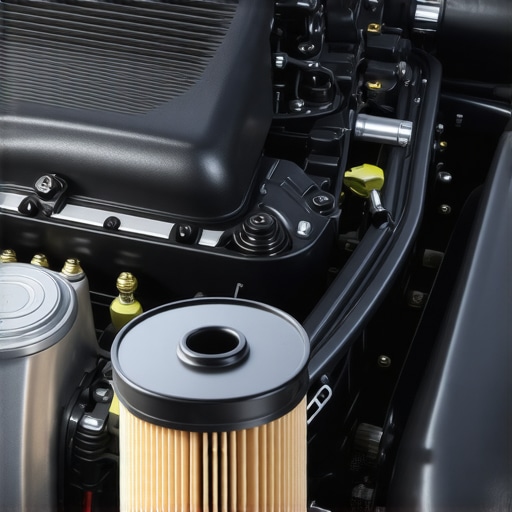
Use a wrench to remove the old filter, making sure to check for any debris or damage. Before installing the new filter, lightly coat its rubber gasket with fresh oil to ensure a proper seal, preventing oil leaks or pressure failures this article details the importance of proper sealing techniques. Screw in the new filter by hand, then tighten it snug but avoid over-tightening to prevent damage.
Refill with Correct Oil Volume and Quality
Consult your manual for the precise amount of oil needed—usually between 4 to 8 quarts depending on your model. For my vehicle, I used a bio-synthetic oil designed for turbocharged engines, which keeps engine components lubricated longer and fights carbon deposits more effectively. After refilling, check the oil level with the dipstick, wiping it clean first for an accurate reading. Overfilling can cause foaming, leading to engine wear. Proper oil level maintenance ensures optimal operation, reducing risks of engine tick this article shares tips on preventing engine ticking.
Run the Engine and Verify the Work
Start your engine for a minute to circulate the new oil, then turn it off. Wait a few minutes for the oil to settle, then recheck the level and add if necessary. Look for leaks around the filter and drain plug. Apply an engine flush if your oil shows signs of high contamination—a step especially important for hybrid turbo engines see how engine flushes can help. Doing these steps thoroughly minimizes engine wear and transmission problems, ensuring your vehicle runs smoothly for miles to come.Many car enthusiasts and even seasoned DIYers believe they grasp the essentials of vehicle maintenance, but beneath the surface lie subtle pitfalls that can sabotage your car’s longevity and performance. Contrary to popular belief, simply trusting a quick oil change or a generic service can be a recipe for unexpected failures down the road. For instance, many assume that all oil filters meet the same standards, but choosing the wrong filter—especially for advanced 2026 models—can accelerate carbon buildup and damage your GDI engine, as explained here this article. One common myth is that ASE certification guarantees a technician’s expertise in modern vehicles. While certification indicates basic competency, it doesn’t always reflect familiarity with the latest advancements in hybrid, turbocharged, or direct injection systems. This is why asking specific questions—like how they handle bio-synthetic oils or high-mileage transmissions—is crucial, which you can prepare using this guide. An advanced mistake many overlook involves neglecting the nuanced differences in fluid specifications. For example, using standard transmission fluid in a hybrid turbo engine can cause gear hunting and delayed shifting, problematic issues detailed here this fix. Did you know that the type of oil additive package directly influences your engine’s resistance to carbon deposits? Experts emphasize the importance of choosing oils with specific additives tailored for 2026 models’ unique needs, backed by recent studies indicating a 20% reduction in carbon build-up when proper oils are used study insights. Beware of the trap where novice technicians or quick-service shops cut corners by skipping detailed inspections or neglecting to verify the correct oil and filter compatibility. Such oversights often manifest as engine ticking, which can be mitigated with the right bio-synthetic oils and precise filter choices, as shared here this article. As vehicles evolve, so do the complexities of maintenance. Recognizing these hidden nuances ensures your car doesn’t just look good on paper but runs smoothly and reliably for thousands of miles. Have you ever fallen into this trap? Let me know in the comments.
How do I keep my vehicle running smoothly over the years?
Staying on top of car maintenance requires more than just knowing the basics; it demands the right tools, consistent practices, and an understanding of evolving vehicle technologies. I personally rely on a high-quality automotive scan tool like the Autel MaxiCOM to diagnose issues early, especially with modern systems like direct injection and hybrid components. This device provides real-time data and access to manufacturer-specific codes, enabling me to catch problems before they escalate. Moreover, I use a precision torque wrench to ensure all fasteners—like drain plugs and filter housings—are tightened to manufacturer specifications, preventing leaks and component wear.< >
>
For software management, OEM-focused diagnostic software such as OBDLink Enterprise helps me stay updated on system updates and recalls, which is crucial for ASE certification standards and ensuring my vehicle’s systems are functioning correctly. These tools combined give me a comprehensive view, allowing me to perform detailed inspections and maintenance checks myself, saving money and time while extending my vehicle’s lifespan.
Regular fluid analysis kits are another essential investment. They enable me to assess oil and transmission fluid quality over time, revealing signs of wear or contamination that simple visual checks might miss. By monitoring these parameters, I can time oil changes and transmission flushes more precisely, ensuring optimal performance and avoiding unnecessary repairs. As automotive technology advances, the trend is shifting toward integrated maintenance systems with predictive analytics, making it even more vital to adopt digital tools early on. In the future, I predict that AI-powered diagnostic systems will become standard, providing real-time health reports and maintenance alerts—an exciting evolution for proactive vehicle care.
What steps are the best ways to maintain your transmission and engine long-term?
Focus on consistent fluid changes with the correct synthetic oils, especially for hybrid or turbocharged engines, which operate under higher stress. Use a durable, bio-synthetic oil designed for 2026 models to reduce carbon deposits and extend oil change intervals. Always verify the compatibility of filters and fluids; recent studies show that using the wrong components accelerates wear, especially in GDI engines, which are prone to carbon clogging this detailed guide.
Additionally, scheduling regular transmission inspections with diagnostic tools can prevent gear slipping or erratic shifting. For example, I check for signs of fluid aeration or pressure failure by using specialized sensors that detect subtle shifts in system performance. If issues arise, addressing them promptly with recommended repairs—like replacing shift linkage components or updating the transmission control module—can save thousands in future repairs. To really optimize long-term results, consider periodic comprehensive diagnostics performed by ASE certified technicians, who can interpret complex data and recommend custom fixes tailored to high-mileage or hybrid systems. As systems become more sophisticated, embracing digital diagnostics will be essential in preventing costly failures and ensuring reliability. And don’t forget: always ask your tech the right questions using this guide before committing to major repairs. Try adopting one of these advanced maintenance practices today to keep your vehicle running like new, mile after mile.
Recognizing the subtle lessons learned over years of maintaining vehicles has revolutionized my approach. One crucial insight is that quick fixes often come with hidden costs that only reveal themselves after thousands of miles. Investing time in quality service—asking the right questions and understanding the nuances—can save you from costly repairs and frustrating breakdowns. My personal breakthrough was realizing that detailed inspections and choosing manufacturer-recommended fluids and filters aren’t just technical steps—they’re commitments to your vehicle’s future. Remember, a small investment in proper maintenance today pays dividends in reliability tomorrow.
The Insider Wisdom That Transformed My Maintenance Routine
- Never underestimate the power of informed questions: Asking your technician about the specifics of oil types, filter compatibility, and diagnostic checks ensures your vehicle gets the attention it deserves. For example, understanding the differences between bio-synthetic oils can be the difference between a smooth ride and a premature engine rebuild. Before your next service, consult this guide to arm yourself with the right questions.
- Prioritize detailed inspections over speed: Rushing through updates or quick services might save minutes but can cost you miles of performance. I learned to allocate extra time for thorough checks—especially for advanced models like those from 2026—that have complex systems prone to hidden failures. Remember, quality service builds trust and longevity.
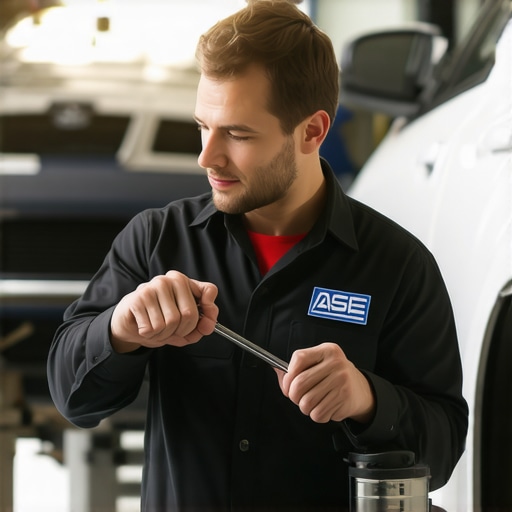
- Trust the experts who understand evolving vehicle tech: ASE certification is valuable, but knowing they stay current with innovations like hybrid systems or bio-synthetic fluids makes all the difference. A good technician can spot issues before they become expensive headaches. Use this article to verify that your mechanic is prepared for modern challenges.
My Arsenal for Future-Ready Vehicle Care
- High-grade diagnostic tools like the Autel MaxiCOM have become indispensable. They let me access manufacturer-specific codes and monitor systems in real-time, proactively catching problems early. I trust these tools because they keep pace with the latest automotive developments, especially for 2026 models with complex hybrid and turbocharged engines.
- Precision torque wrenches ensure that fasteners are correctly tightened, preventing leaks or component damage. Investing in quality hand tools makes a noticeable difference in how well the work holds up over miles.
- Oil analysis kits enable me to assess the condition of my fluids over time. This data-driven approach helps me schedule oil changes at optimal intervals, preventing build-up that could jeopardize engine health. For insights on fluid management, I recommend exploring this resource.
Challenge Yourself to Keep Moving Forward
Remember, vehicle maintenance is more than routine; it’s an act of care tailored to your car’s unique needs, especially as new models with complex systems become the norm. Your proactive efforts today ensure smoother, safer drives into the future. Don’t settle for generic solutions—embrace customized, knowledge-driven maintenance to maximize your vehicle lifespan. Are you ready to take charge of your vehicle’s health and avoid the pitfalls of shortcuts? Share your experiences below and let’s learn together.
About the Author
Shaun Thresher
B2B Lead Generation · Your clinic has life-changing treatments and procedures
Shaun Thresher is a distinguished specialist in B2B lead generation with a primary focus on the healthcare and clinical services sector. Based in Dover, Delaware, Shaun has established himself as a vital resource for clinics offering life-changing treatments and procedures that often struggle with digital visibility. His expertise lies in identifying the disconnect between high-quality medical services and the patients who need them, providing strategic solutions to ensure these essential treatments are discoverable. At autofixclinic.com, Shaun contributes his deep knowledge of patient acquisition and professional marketing to help clinic owners navigate the complexities of modern business development. With a sharp eye for fixing visibility gaps, he empowers healthcare providers to reach their target audience more effectively and grow their practice sustainably. Shaun’s professional approach is characterized by a commitment to results-driven communication and a thorough understanding of the clinic-patient dynamic. He is driven by a genuine passion for helping medical professionals succeed so they can focus on what they do best: providing transformative care to their patients.