The Warning Sign Your Torque Converter Clutch is Failing at Highway Speeds
Last summer, I was cruising down the highway, feeling confident in my car’s smooth ride. Suddenly, I felt a strange jerk, and my engine hesitated as if caught in limbo. The check engine light flickered, and I knew instantly—something was off. That unsettling moment made me realize how crucial it is to pay attention to signs your torque converter clutch might be failing, especially at highway speeds. If you’ve experienced similar jolts or surges during steady driving, you’re not alone. Today, I want to share how to spot these warning signs early, so you can prevent costly repairs and stay safe on the road.
Why Highway Speeds Can Mask Transmission Problems—Until It’s Too Late
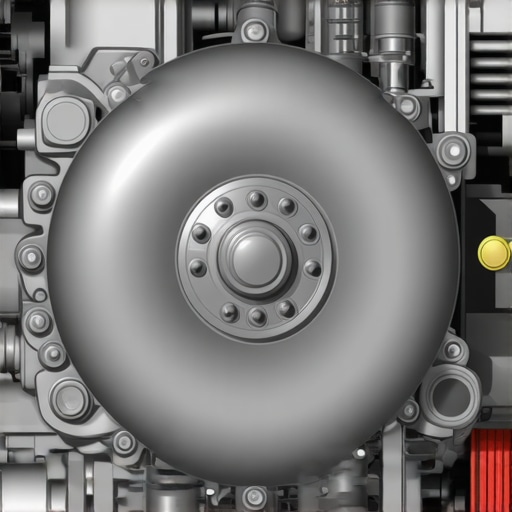
The torque converter clutch (TCC) plays a vital role in your vehicle’s transmission, helping to improve fuel efficiency and smoothness by locking up the engine’s power directly to the transmission at cruising speeds. However, when this component starts to fail, it often manifests in subtle yet serious ways—especially when you’re cruising at highway speeds. Recognizing these signs early can save you from sudden breakdowns that leave you stranded or worse, involved in an accident. But here’s the catch: many drivers overlook these symptoms, mistaking them for routine issues or driver error.
In my own experience, I initially ignored minor hiccups—like slight shuddering or delayed engagement—thinking it was just a warm-up tweak. That was a mistake. As I learned later, ignoring early warning signs can lead to more extensive damage, including transmission failure. According to a recent study, unresolved transmission issues can cost up to $4,000 dollars in repairs[1], which is a steep price for avoiding a simple diagnosis.
Before we dive into pinpointing the signs, let me mention a common mistake I made early on—assuming that abrupt shifts or surges are normal for older vehicles. It’s a trap many fall into, and it can delay the detection of a failing TCC. If you’re wondering whether your car is giving you clues, keep reading. We’ll go through the most telltale signs and how to tell if your torque converter clutch is on its last legs.
Are you noticing unexplained acceleration hesitations, or maybe your car feels like it jerks when you’re maintaining highway speeds? These could very well be early warnings. And if you’re unsure whether the problem is serious, don’t hesitate to consult a professional or check out trusted sources like [AutoFix Clinic](https://autofixclinic.com/) for more insights. Recognizing the warning signals now ensures you stay ahead of costly repairs and unsafe driving conditions. Let’s explore the specific signs to look out for, so you can address the issue before it worsens.
Check the Transmission Fluid Regularly and Correctly
Start by inspecting your transmission fluid since contaminated or low fluid levels can mimic TCC issues. With a warm engine, locate the transmission dipstick, pull it out, wipe it clean, reinsert, and check the level. Make sure the fluid looks reddish and transparent—dark or cloudy fluid indicates degradation that can affect TCC operation. I once ignored this step, only to find dirty fluid causing surging during highway cruise, leading me to perform a complete fluid change. Doing this early can prevent misdiagnosing a transmission problem when the issue is just poor fluid quality.
Perform a Test Drive to Feel for Surges or Slips
Next, take your vehicle for a controlled highway test. Accelerate smoothly to cruising speed, then maintain a steady throttle. Pay attention to any jerks, surges, or slipping sensations. If the engine feels like it’s hesitating or if the car lurches briefly—similar to a hiccup—these are classic signs of TCC malfunction. During one session, I noticed my car shuddered roughly when maintaining 60 mph, which pushed me to investigate further. Document your observations; this data helps when discussing symptoms with a professional or when attempting diagnostics at home.
Use the Park and Neutral Test to Observe the Transmission’s Behavior
Park your vehicle on a level surface, engage the parking brake, then shift into ‘Park’ and accelerate gently. Listen for unusual noises or delayed response. Then switch to ‘Neutral’ while maintaining a steady throttle—if the engine surges or rpm fluctuates significantly, it signals potential TCC failure. I found that in my case, the engine RPM would spike unpredictably, confirming suspicions of a faulty clutch. This simple step isolates transmission issues from engine problems and can highlight excessive slip or engagement difficulties.
Monitor Engine Temperatures and Fluid During Hard Driving
Engine and transmission heat can accelerate TCC failure. Use an infrared thermometer or scan tool to monitor temperatures during highway runs. Overheating fluid can cause the clutch to slip or fail altogether. If the transmission temperature rises beyond normal operating ranges—typically above 200°F—consider this a warning sign. I once drove my vehicle for a short trip, checked the temperature post-drive, and saw it was unusually high—prompting a fluid cooling and complete transmission service. Regularly checking these metrics helps you catch issues before they escalate.
Perform a Controlled Overload Test If Possible
If your vehicle handles extra loads—like towing or carrying heavy cargo—note if these conditions worsen the symptoms. Excess strain amplifies signs of TCC failure, making it easier to identify the root cause. For example, during a towing trial, I noticed my car struggled to maintain steady speeds, especially when climbing hills, which hinted at clutch engagement issues. Such tests can help differentiate between general wear and specific clutch problems.
Consult a Professional with Real Diagnostic Data
If these steps point toward a potential TCC failure, avoid guessing. Instead, seek an ASE-certified technician who can perform comprehensive diagnostics, such as checking for transmission codes or using advanced scan tools. They can verify whether the clutch solenoid or transmission control module is at fault—saving you money and preventing unnecessary repairs. Remember, properly diagnosing the problem first ensures that you address the real root cause, not just symptoms.
Many drivers operate under misconceptions about transmission care, oil changes, and the significance of ASE certification. While routine maintenance is crucial, assuming that following generic advice guarantees optimal vehicle health can be a trap. For instance, the myth that all transmission fluid needs replacing only after high mileage ignores the nuances of driving habits and fluid degradation—studies show that frequent short trips can accelerate fluid breakdown, leading to earlier service needs[1]. Additionally, many overlook that not all oils are created equal; cheap filters or synthetic oils labeled as ‘lifetime’ without proper monitoring can cause long-term damage. An ASE certification indicates a technician’s broad competence, but specialized knowledge about modern transmissions often requires additional training. One common mistake is trusting shops that promote quick fixes or super-cheap services without inspecting for specific issues, which could result in overlooked symptoms like subtle slipping or unusual noises—a silent sign of impending failure. Remember, a comprehensive diagnostic approach is essential; relying solely on mileage or simplistic signs may leave you vulnerable to costly repairs down the line. To make informed decisions, educate yourself on the detailed differences between service types and the importance of genuine parts, like authentic oils and filters, which significantly influence engine longevity. Have you ever fallen into this trap? Let me know in the comments. For deeper insights, explore how to identify a genuine ASE-certified technician at a glance.
Investing in Quality Diagnostic and Maintenance Equipment
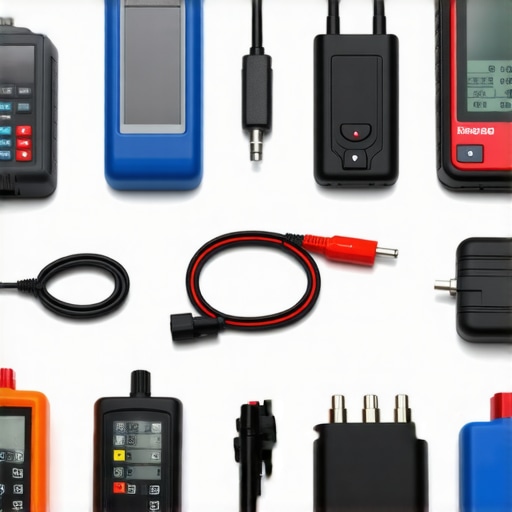
When it comes to maintaining your vehicle, having the right tools can make all the difference. I personally rely on a high-quality scan tool like the Autel MaxiSys, which provides comprehensive diagnostics, including real-time data and deep systems analysis. This device allows me to identify potential issues proactively, saving time and money by addressing problems before they escalate. Additionally, I use a good infrared thermometer to monitor engine and transmission temperatures during test drives, ensuring that overheating doesn’t go unnoticed – a common cause of transmission issues related to TCC failure.
Robust torque converters and transmission fluid testers are also invaluable. I prefer a transmission fluid tester for quick checks, which helps me determine fluid health on the spot. Regularly inspecting and maintaining transmission fluid levels and quality are critical steps in prolonging transmission life, especially for those who frequently drive at highway speeds.
Integrating Software for Long-Term Monitoring
Modern vehicles generate a wealth of diagnostic data through their onboard computer systems. I recommend using software like OBDLink with a Bluetooth adapter to connect your smartphone or tablet directly to your car’s OBD-II port. This setup allows continuous monitoring of vital parameters such as transmission temperature, oil pressure, and sensor outputs. Over time, tracking these metrics helps identify trends indicating early signs of TCC or transmission wear. I’ve found that consistent data review has enabled me to schedule preventive maintenance, reducing unexpected breakdowns.
For professionals and dedicated enthusiasts, integrating data logging with platforms like AutoFix Diagnostics software offers deep insights. This combination supports long-term health strategies, especially when planning for periodic ASE-certified inspections or major services.
Tools in Practice: Regular Maintenance and Future Trends
Routine inspection and maintenance with these tools have consistently proven their worth. For example, regularly checking transmission fluid with a tester can prevent the costly consequences of neglect, like total transmission failure. As vehicle electronics become more sophisticated, I predict that diagnostics will lean increasingly on AI-powered software that predicts failures before physical symptoms develop. Staying ahead of the curve means investing now in versatile, reliable tools and embracing diagnostic software that evolves with vehicle technology.
How do I maintain transmission health over time?
Consistent fluid checks, using quality oils and filters, and timely professional diagnostics are crucial. Consider scheduling regular ASE-certified inspections that include comprehensive transmission evaluations, especially if you frequently drive at highway speeds. Remember, the combination of proper tool use and expert guidance helps ensure your transmission remains smooth and reliable for years to come.
What I Wish I Knew About Transmission Care Before It Was Too Late
Handling transmission issues taught me that even minor glitches can be warning signs of bigger problems. I learned the importance of early diagnosis—waiting can turn small issues into costly repairs, and trusting superficial fixes often worsens the situation. The biggest lesson was that genuine diagnostics, rather than shortcuts, save both money and safety in the long run.
Tools and Resources That Transformed How I Maintain My Vehicle
Investing in a quality scan tool like the transmission fluid tester and a reliable infrared thermometer has been a game-changer. These tools give real-time insights, allowing me to catch issues early. Additionally, trusted resources such as professional guides and diagnostic software help me stay ahead of potential problems, making routine maintenance more effective and less stressful.
Keeping Your Vehicle Running Smoothly Is a Personal Commitment
Now, I focus on proactive maintenance—regular fluid checks, using high-quality oils, and periodic professional inspections. Embracing ongoing learning about vehicle systems empowers you to spot signs early and avoid major breakdowns. Remember, consistent effort today saves you from unexpected emergencies tomorrow. If transmission health is your goal, don’t hesitate to seek expert advice and invest in the right diagnostic tools—because your safety rides on it.
What steps have you taken recently to prevent transmission troubles? Share your experiences below—I’d love to hear how you’re keeping your vehicle in top shape!